





 Portuguese
  English
  Spanish
  3 min of reading
  4 comments


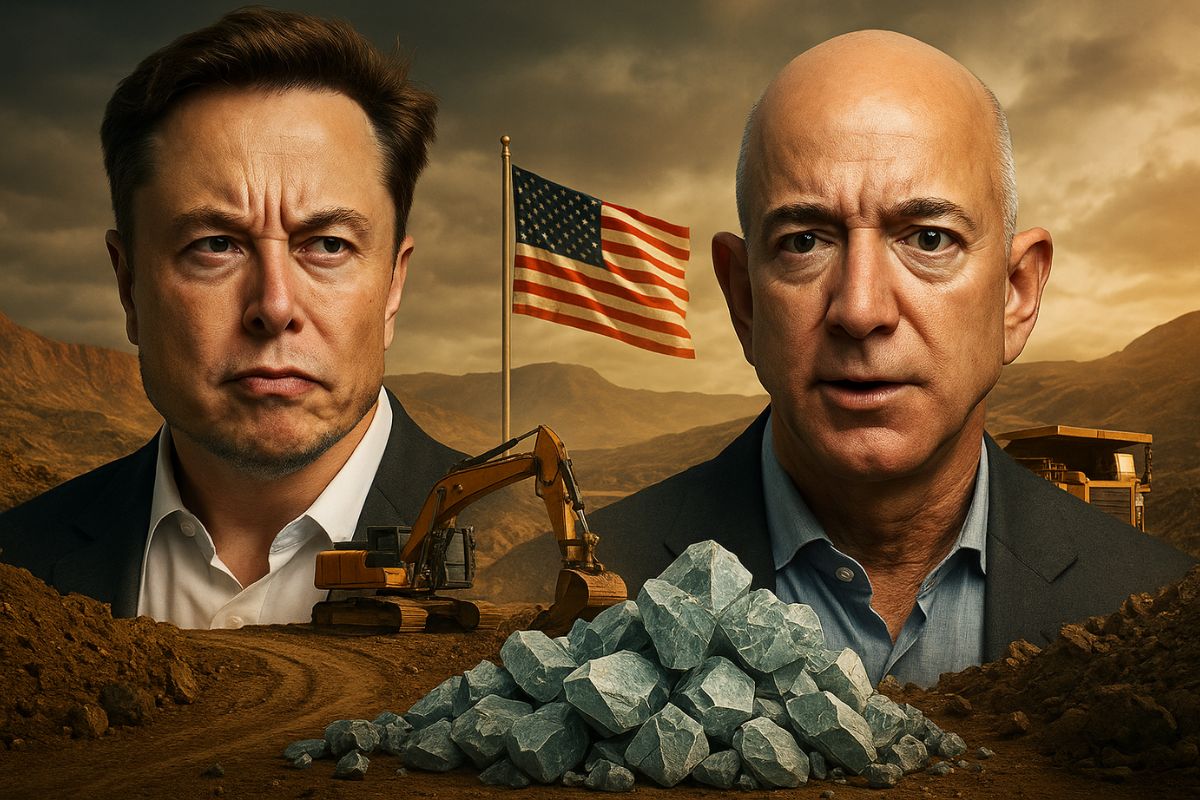


McDermitt Caldera May Contain One of the Largest Lithium Reserves in the World and Change the Geopolitical Game of Energy
Elon Musk and Jeff Bezos Are on a Collision Course for One of the Most Coveted Areas on the Planet: the McDermitt Caldera, an extinct supervolcano in the USA, located between the states of Oregon and Nevada. Valued at over US$ 1.5 trillion (about R$ 8 trillion), the site hosts one of the largest known reserves of lithium carbonate, an essential mineral for electric vehicle batteries and electronic devices.
Studies from the U.S. Department of Energy indicate that the region houses approximately 1.3 million tons of lithium, enough to power up to 600 million electric vehicles. This places the prehistoric crater at the center of a strategic dispute that goes beyond the automotive market: it involves technology, energy independence, and global power.
Why the Supervolcano Attracts So Much Interest
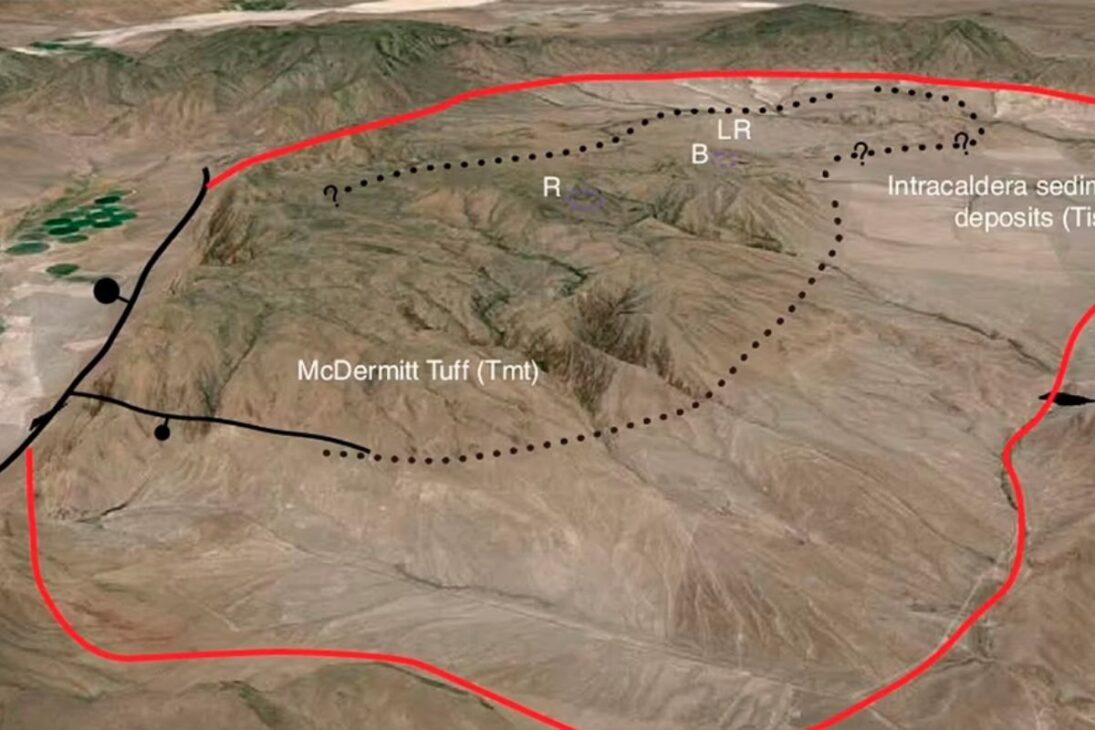
The McDermitt Caldera, formed by a volcanic eruption millions of years ago, is now a giant crater rich in critical minerals. Currently, less than 1% of the lithium consumed by the United States is extracted domestically, making this reserve a geopolitical asset to reduce external dependence — especially on China, the leading global producer.
-
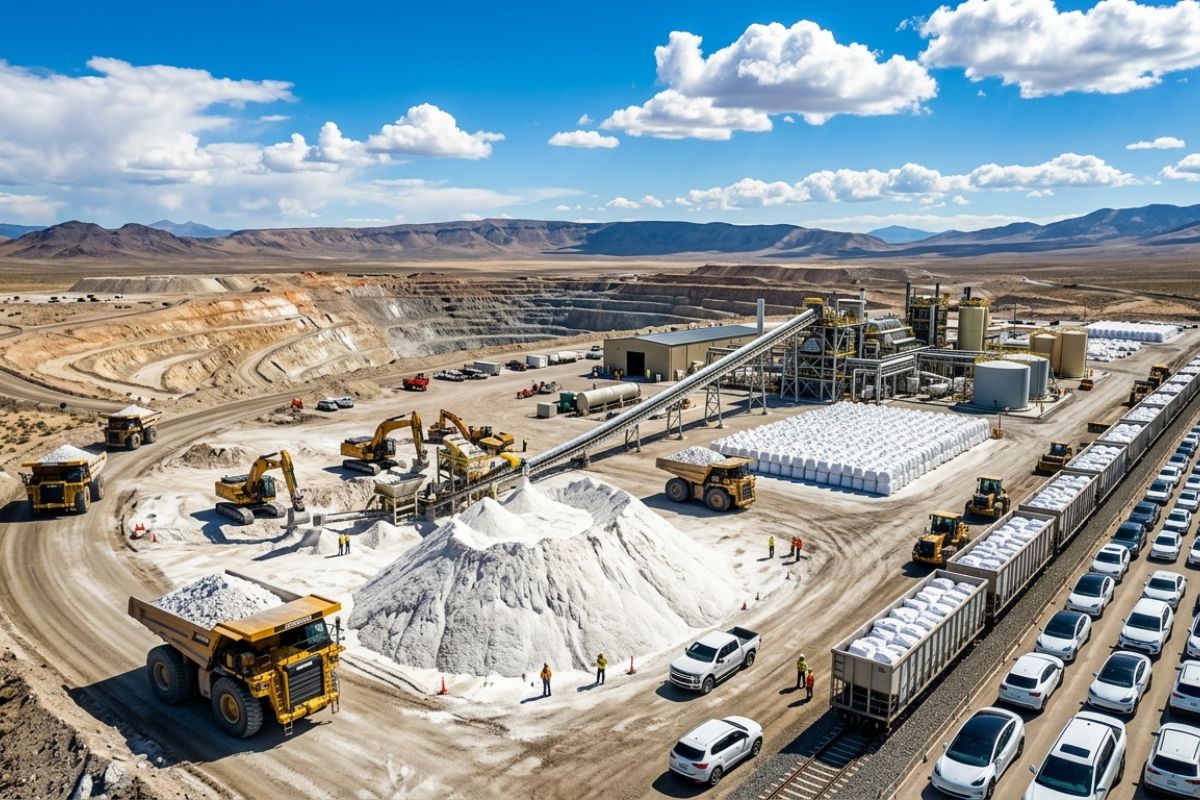
The “white gold” of Thacker Pass: the McDermitt caldera could be worth $1.5 trillion and hold nearly half of the world’s lithium; 40,000 tons/year could provide batteries for 800,000 electric cars already in the U.S.
-
The first nuclear submarine in Latin America is being built in Brazil, but the Navy warns that without an additional one billion reais, the project may halt, and the delivery forecast, which was 2029, has already been pushed to 2037 due to a lack of funds.

-
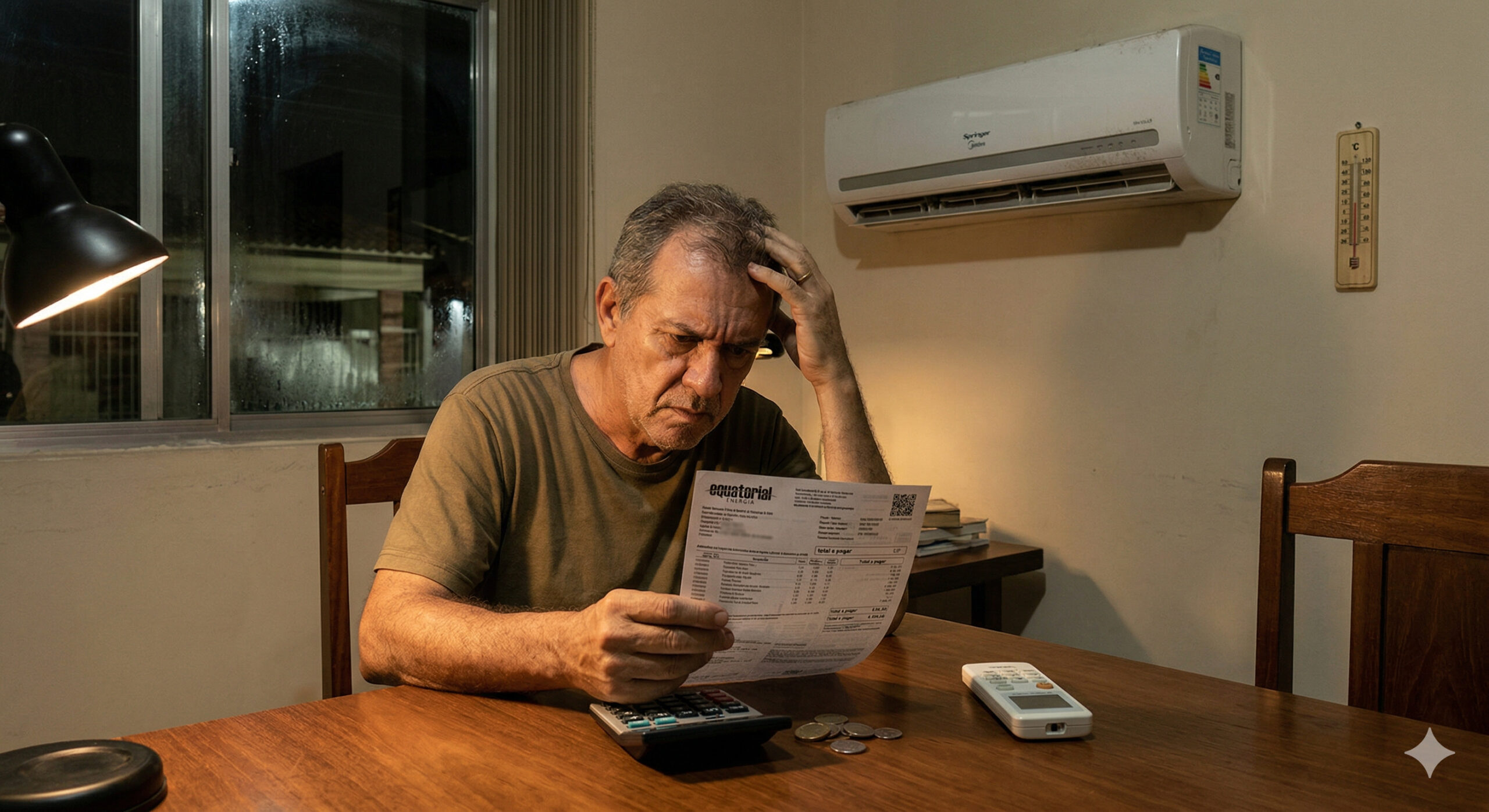
The most expensive appliance in your home is not in the kitchen or the bathroom, it runs 24 hours a day to cool a few items and can cost more per month than the value of everything it stores, while a single replacement eliminates the consumption equivalent to a shower running for 30 minutes daily.
-
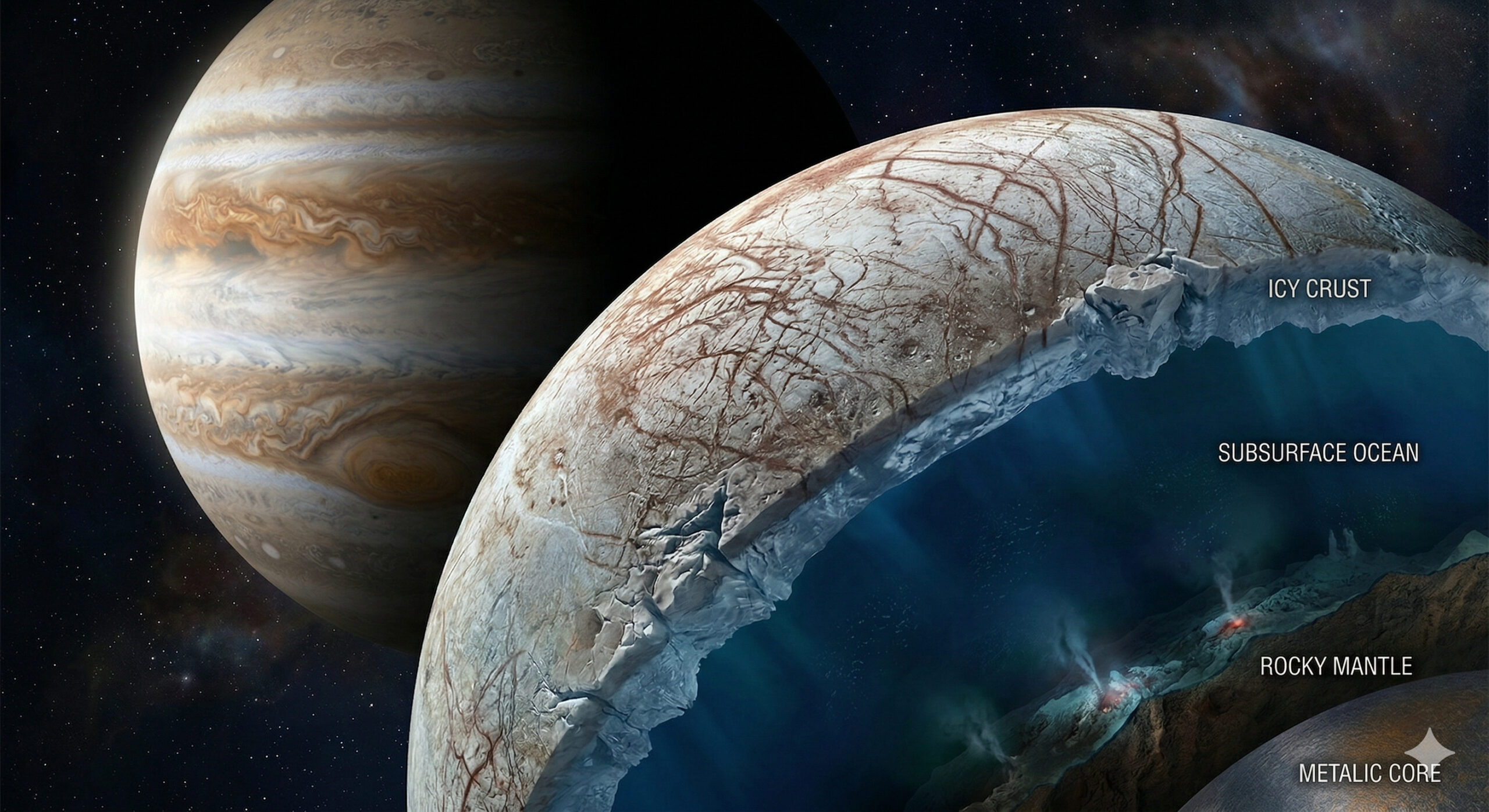
Beneath 25 km of ice, a moon of Jupiter hides an ocean with more water than all the seas on Earth and may have the necessary conditions to support life, according to studies supported by NASA.

In light of this, exploring the caldera could reposition the U.S. on the energy transition map, ensuring domestic supply for large-scale battery manufacturing and accelerating the electric vehicle industry in the country.
Elon Musk Has Already Moved, but Bezos Wants a Piece of the Pie
On one side, Elon Musk, CEO of Tesla, has already begun construction of a lithium refinery nearby, aiming to verticalize his supply chain. The plan is for the company to control everything from extraction to the delivery of the battery ready for its cars.
On the other side is Jeff Bezos, founder of Amazon, who is also working behind the scenes to enter the game. His interest goes beyond vehicles: Amazon and Blue Origin, his aerospace company, increasingly rely on high-energy-density batteries, which also use lithium on a large scale.
What Are the Obstacles to Mining
Despite the economic potential, the dispute faces significant hurdles. The largest is political: neither of the two businessmen has a good relationship with the current U.S. president, Donald Trump, which may complicate the granting of federal licenses.
Additionally, there is strong environmental and social resistance. Indigenous groups live in the McDermitt Caldera region and claim that large-scale mining threatens their territories and the local ecological balance. NGOs and environmentalists warn that intensive exploitation could compromise groundwater and trigger imbalances in local biodiversity.
What Is at Stake in the Dispute over the Extinct Supervolcano
The race for lithium from the McDermitt Caldera reflects a broader movement of concentration of power in the hands of private companies around strategic minerals. The issue is not just who will profit, but who will control the energy base of the future.
With the world accelerating electrification and the demand for batteries skyrocketing, owning a reserve like this could represent industrial autonomy, commercial advantage, and technological dominance in the coming decades.
Do you think that control over critical natural resources should be in the hands of private companies? Who should explore a reserve with such strategic value? Leave your opinion in the comments — we want to know what you think about this dispute of giants.




Coloca na mão do Lula e Dilma que tudo vai dar certo.
Pqp kkkkkkkk
…
Olá, esse assunto estratégico deve ser alinhado com as condições do planeta pous estamos vivendo sérias consequências desse desastre que nos assola e que atinge a todos nós sem exceção (A GANÂNCIA POR PODER) isso sim deveria encontrar limites e traves para que possamos sair vivos e concientes dessa turbulência global…ativismo e ações concretas em busca de equilíbrio e PAZ…
Sim eu concordo que tem que ser as empresas para explorar e desenvolver fontes de energias limpas porque os governantes de todo mundo são ineficientes Pará tal .