






 Portuguese
  Spanish
  5 min of reading
  0 comments


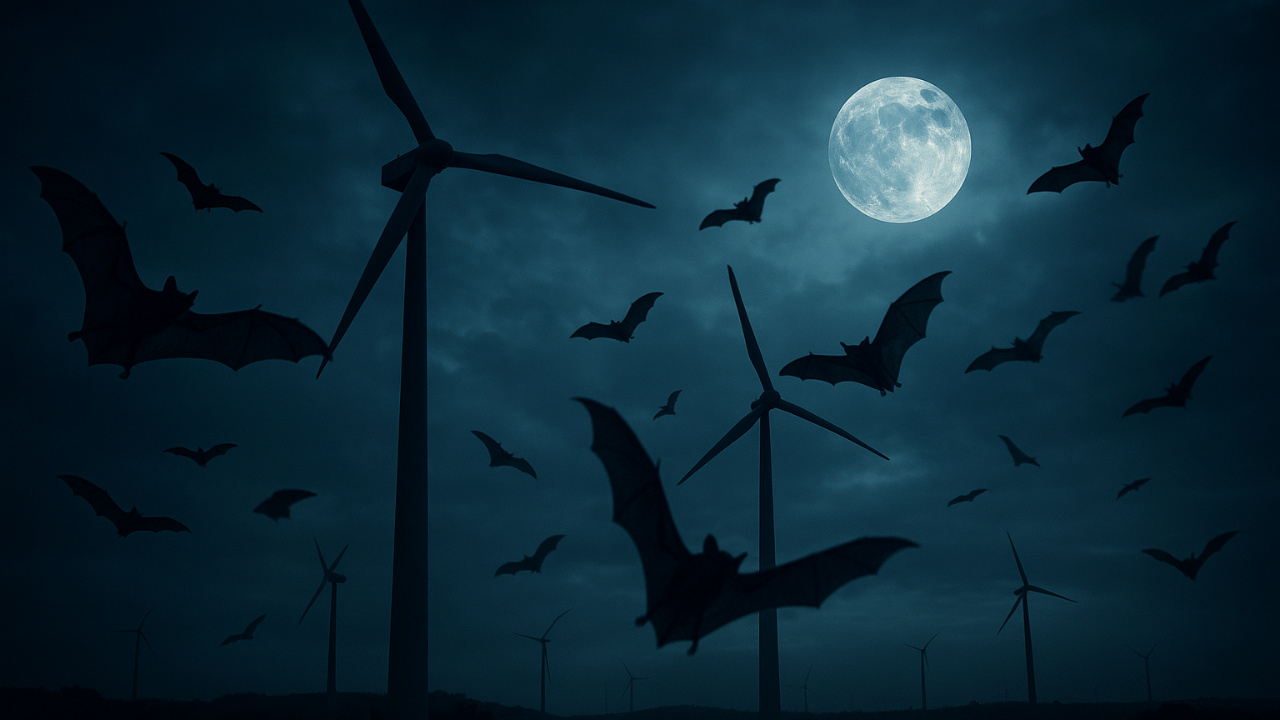
Millions of Bats Die Annually Due to Wind Turbines, According to the UN Program for the Environment. Researchers Advocate New Technologies and Regulations to Balance Clean Energy Generation and Biodiversity Conservation.
The expansion of wind energy, a symbol of the global transition to renewable sources, is gaining momentum across all continents. However, behind the turbines driving the green economy, an environmental issue has been drawing the attention of the scientific community: the mass death of bats caused by the direct impact of the blades and the atmospheric pressure changes around the towers.
According to the United Nations Environment Program (UNEP), millions of bats are killed every year in wind farms around the planet. The estimates are alarming: about 50,000 annual deaths in Canada, more than 200,000 in Germany, and about 500,000 in the United States. The numbers reinforce the dilemma between the urgency of decarbonizing the energy matrix and the need to protect biodiversity.
Bats: Invisible Allies of Agriculture and the Global Economy
Bats play fundamental ecological roles. They control insect populations, disperse seeds, and pollinate agricultural crops. Professor Winifred Frick, chief scientist of Bat Conservation International, explains that these functions are vital not only for environmental balance but also for the global economy.
-
Brazil filled the Northeast with wind turbines but now faces the side effect of 705 giant blades reaching the end of their lifespan by 2032 just in Rio Grande do Norte, while the world projects 43 million tons of waste by 2050.

-
Brazil has filled the Northeast with wind turbines, but now it faces the side effect of 705 giant blades reaching the end of their useful life by 2032 just in Rio Grande do Norte, while the world projects 43 million tons of waste by 2050.
-
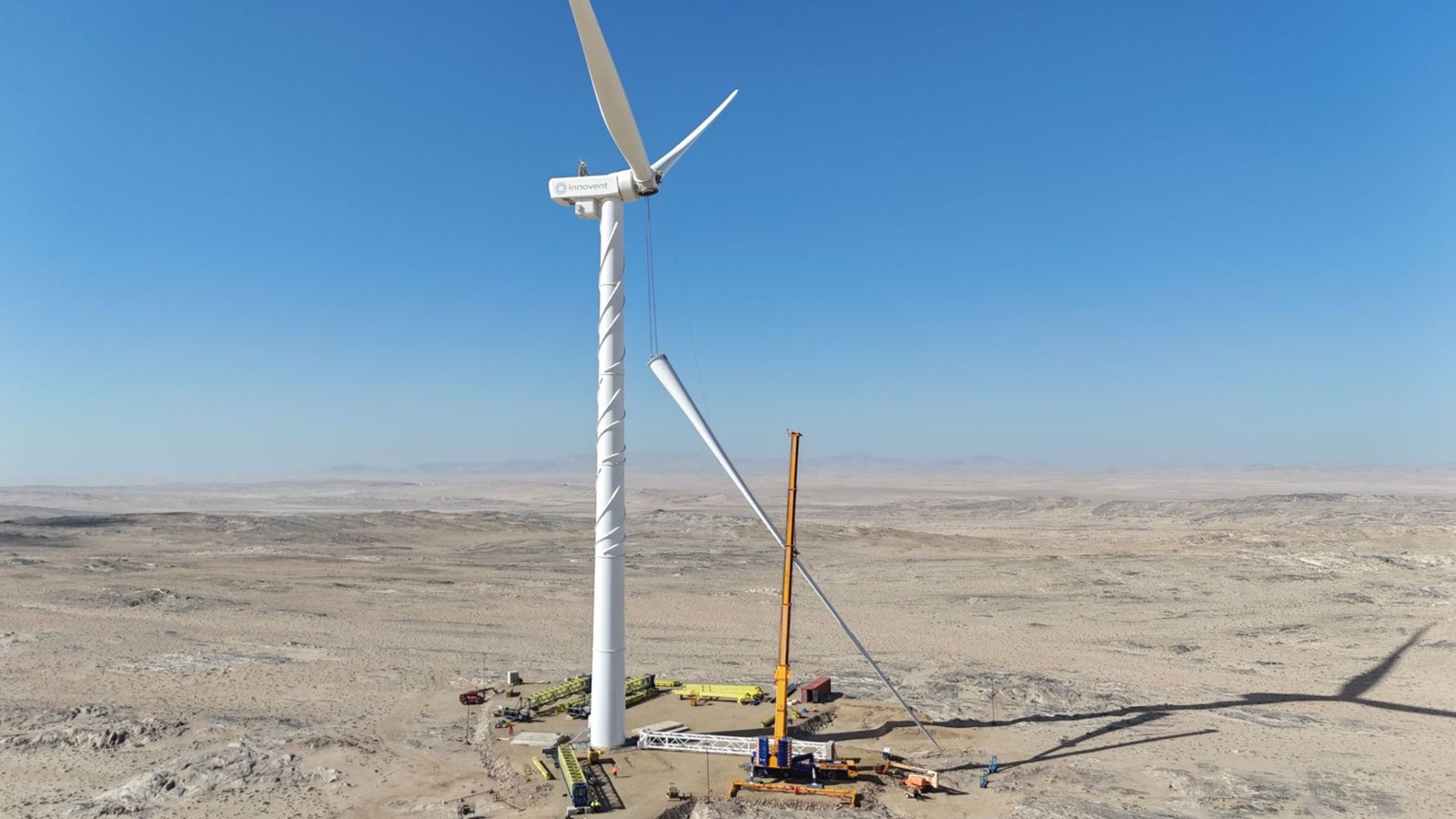
Wind farm in Namibia will have wind turbines assembled without giant cranes and is expected to avoid 200,000 tons of carbon dioxide per year when it becomes operational.

-
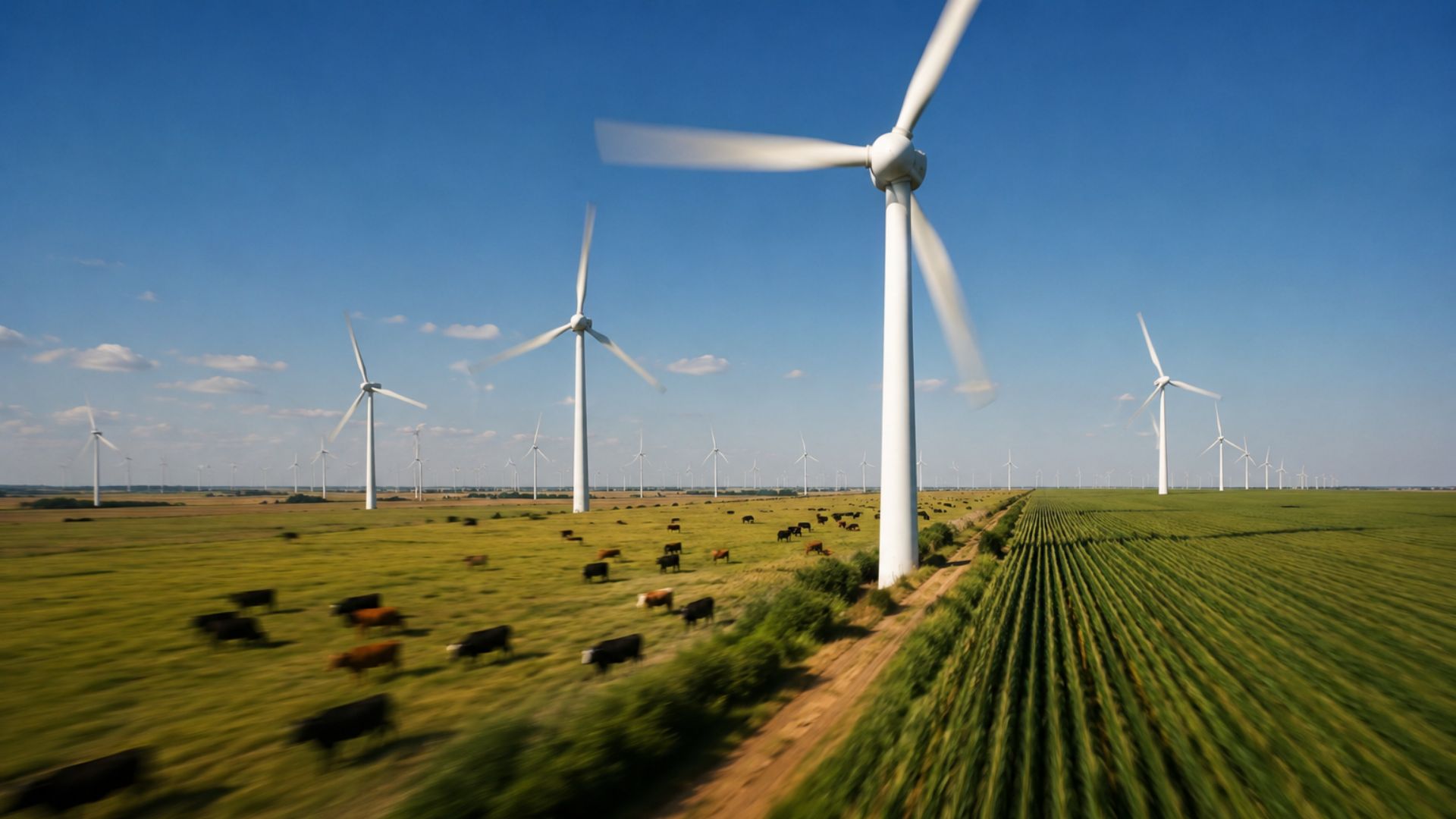
Taller than the Statue of Liberty, thousands of wind turbines are being planted in the middle of U.S. fields, creating two-story farms where corn and soybeans grow below while the wind turns into electricity above.


“Many species consume insects that are agricultural pests, some disperse fruit seeds, and others act as essential pollinators for crops,” Frick states.
A curious example cited by the researcher is that of the Mexican Long-Nosed Bats and Small-Nosed Bats, which pollinate the agave plant, the base of tequila production. “If you enjoy your margarita, raise a toast to a bat,” jokes Frick.
Direct and Indirect Impacts of Wind Turbines on Bat Populations
For a long time, scientists believed that the main cause of deaths was barotrauma — an internal injury caused by sudden changes in atmospheric pressure near the turbine blades. However, recent studies point out that most bats die due to the direct impact with the rotating blades.
For Frick, the focus of the debate should not only be the type of impact but the scale of the problem. “Regardless of the cause, bats are being killed by the millions,” she warns. She emphasizes that while wind energy is a crucial solution for reducing carbon emissions, its expansion must occur “responsibly to avoid declining bat populations.”
Wind Energy and Environmental Responsibility: The Challenge of Regulations
In many countries, wind energy projects must undergo an Environmental Impact Assessment (EIA) before installation. According to a spokesperson for the Global Wind Energy Council (GWEC), areas designated for nature conservation or migratory routes are often excluded from the licensing process.
Despite this, the application of these standards is unequal. Recent research shows that regulations vary significantly between countries and, in some cases, are poorly enforced. A study cited by Bat Conservation International highlights that voluntary compliance with protective measures is problematic on a global scale and “virtually non-existent” in various regions.
The Strategy of “Turbines on Pause” and Its Practical Results
One of the main mitigation strategies currently used is the so-called “blanket shutdown” — when turbines are temporarily turned off during low wind speed periods, usually at night and during bat migration.
Research shows that this practice can reduce deaths by more than 60% when turbines are stopped with winds below 5 meters per second, between dusk and dawn, from July to October. However, simulations indicate that the measure could reduce energy generation by up to 10% per year, depending on location and weather conditions.
To avoid significant production losses, companies in the sector are betting on new approaches, such as “smart shutdown”, which combines acoustic sensors and artificial intelligence.
Technology and Innovation: Acoustic Sensors to Protect Bats
Technological advances are providing promising solutions to balance wind energy and environmental conservation. The American company EchoSense, for example, developed a system capable of detecting the echolocation sounds emitted by bats.
These sensors are installed on the turbines and, upon detecting the presence of the animals, automatically turn off the nearby blades, allowing bats to pass safely. According to Kevin Denman, the company’s CEO, the system has already proven to be effective.
“Our system recovered approximately 50% of the energy that was lost with the blanket shutdown strategy,” Denman states, citing a 2023 study co-funded by the U.S. Department of Energy. The same study showed that there was no significant difference in the number of deaths compared to conventional shutdown.
Other companies are also innovating. Biodiv-Wind, from France, uses infrared cameras to detect bats, while DTBird & DTBat, from Spain, employs artificial intelligence to identify specific species in real time.
Wind Sector Recognizes the Importance of Bioacoustic Solutions
When asked about these technologies, the GWEC stated that the wind sector “welcomes all initiatives aimed at balancing clean electricity generation with nature protection.” The organization also highlighted that bioacoustic technologies are increasingly required in new wind farms to ensure safe and environmentally responsible operations.
Biologist Roger Rodriguez from EchoSense adds that systems with artificial intelligence can evolve to identify threatened species and apply selective reductions in turbine operation. This would allow optimizing energy production while protecting only the most vulnerable populations.
“Bat-Signal”: Ultrasonic Devices as Sound Barrier
Another solution in testing is the use of ultrasonic deterrent devices, informally known as the “bat-signal.” These devices emit high-frequency sounds — inaudible to humans — creating an uncomfortable sound environment for the bats.
According to Leon Hailstones, vice president of NRG Systems, the goal is to deter bats from approaching the blade sweep area. “Basically, you’re creating a very noisy environment,” he explains.
The devices are installed on the turbines and cover the frequency range used by bats for echolocation. Initial studies show positive results for some species, but there are still technical challenges.
Frick warns that, for certain species, the sound may have the opposite effect, attracting bats out of curiosity. Additionally, the limited range of sound waves makes it difficult to cover the entire risk area. To overcome this issue, NRG Systems is testing different angles and placements of the ultrasonic emitters to enhance their effectiveness.
Wind Energy and Biodiversity: The Search for Sustainable Balance
Experts agree that the future of wind energy must align with environmental conservation. Professor Winifred Frick argues that the priority should be the strategic planning of turbine location and operation, minimizing risks to wildlife.
“We want to find ways to maximize energy production, but do so in an environmentally responsible manner without causing biodiversity loss,” the researcher states.
As wind energy advances as one of the planet’s main electricity sources — already responsible for 8% of global generation, according to the IEA — the challenge of making it truly sustainable also grows. The quest for effective technological and policy solutions thus becomes an essential step to ensure that the wind powering the turbines does not carry away fundamental species for the ecological balance of the planet.




-

1 person reacted to this.