





 Portuguese
  English
  Spanish
  2 min of reading
  0 comments


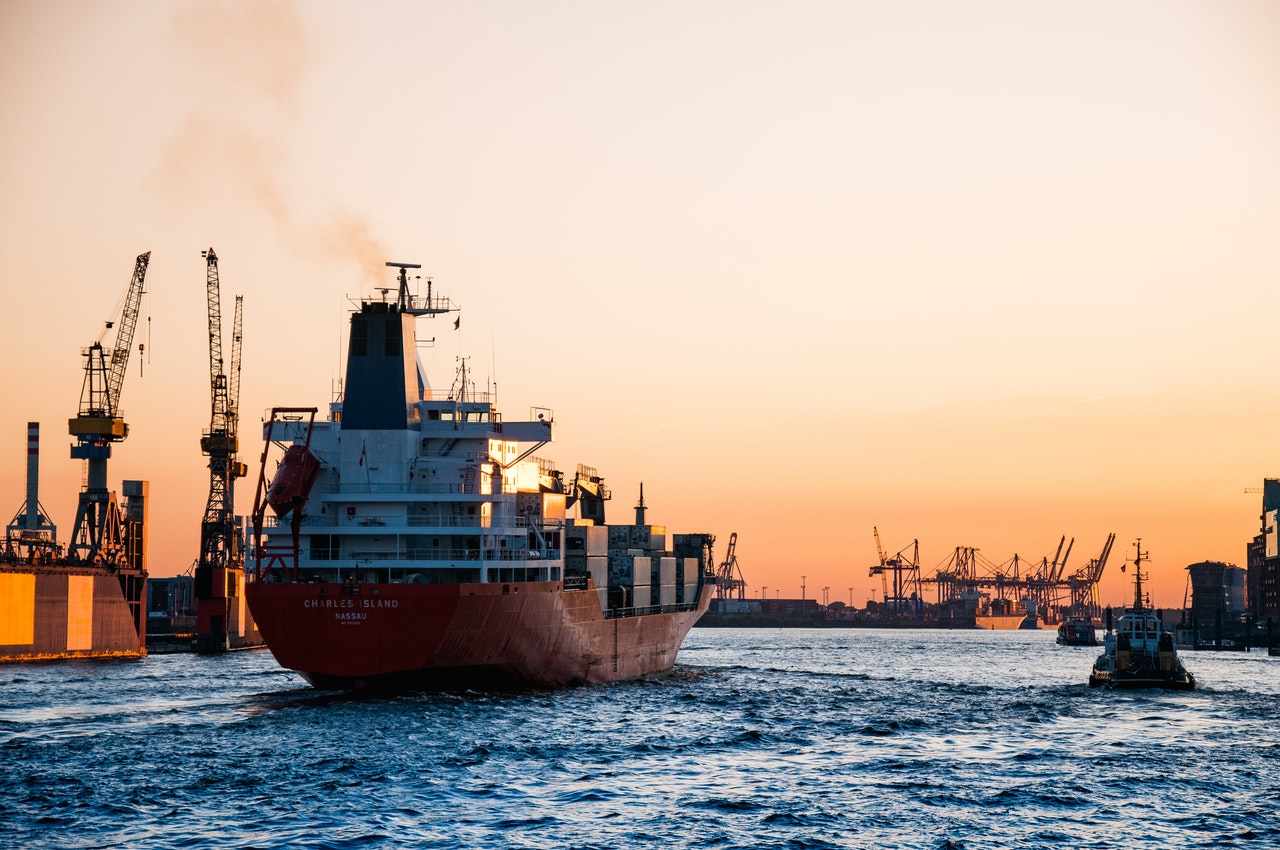
The Urgent Need for Port Modernization in Brazil
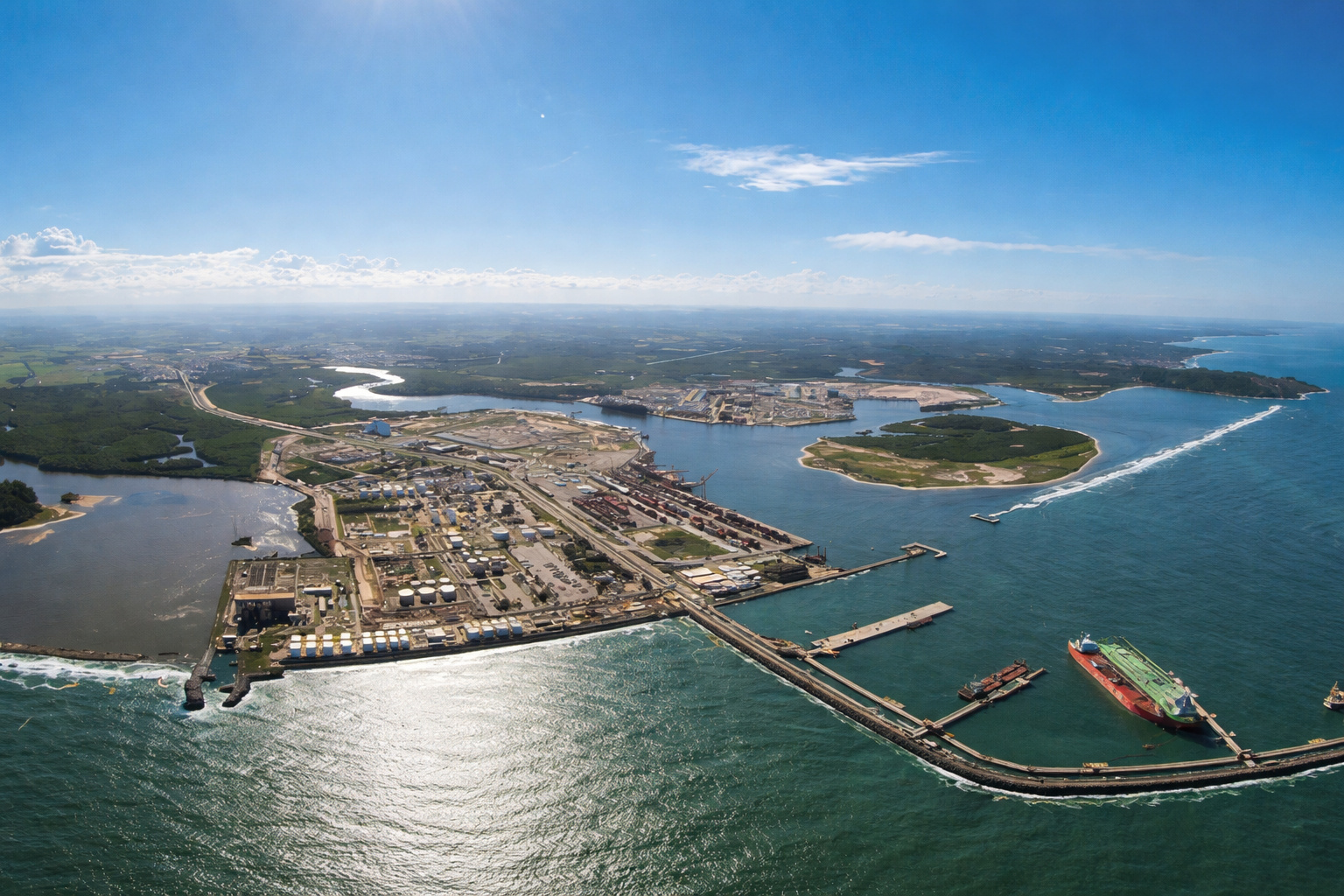
Brazilian ports face a significant lag of approximately 15 years compared to global standards, as revealed by a recent study from the National Center for Transatlantic Navigation (Centronave). The demand for cargo already exceeded the operational capacity of ports in 2021, highlighting the urgency for modernization to enhance the sector’s competitiveness. The path to evolution necessarily involves the adoption of new logistics technologies, as illustrated by the successful digital transformation of Rio Brasil Terminal.
Digital Transformation: The Success Case of Rio Brasil Terminal
Rio Brasil Terminal, part of the ICTSI group, the world’s largest independent port operator, is a remarkable example of innovation and efficiency following the implementation of the Intelligent Logistics Platform from Athenas Logistics. Within a year, the company witnessed significant improvements in agility, cost reduction, increased efficiency, and personnel optimization. Athenas Logistics’ solution was instrumental in integrating over 150 pieces of equipment and 20 different systems, resulting in a cohesive system that benefits both operations and port management.
Benefits of Operational Automation
With the implementation of cutting-edge technology, Rio Brasil Terminal observed a notable increase in operational efficiency. The automation of processes brought tangible benefits, such as:
-
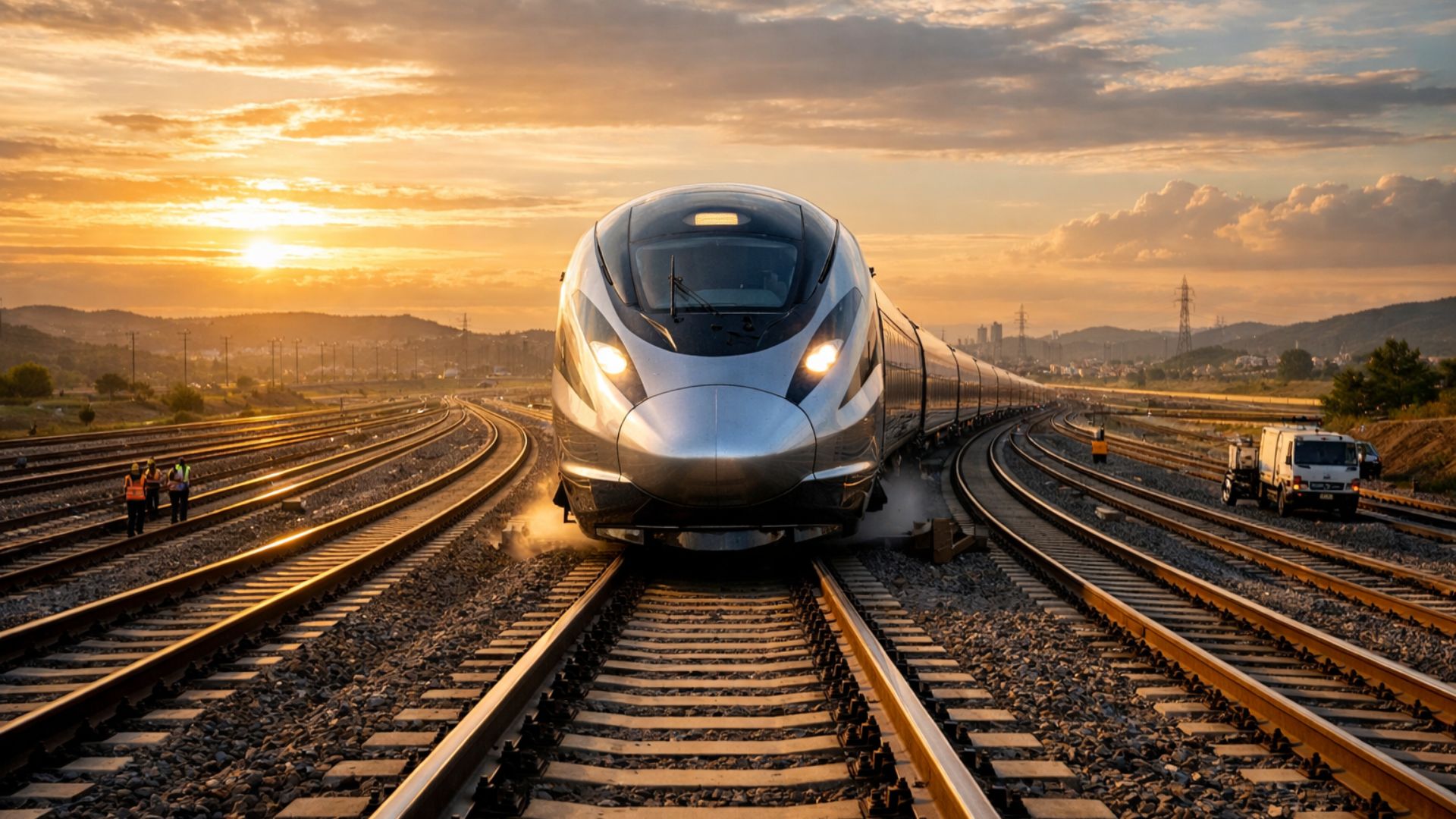
São Paulo surprises the world with a colossal railway network project that promises over 1,000 km of tracks, R$ 194 billion in investments, and 40 projects connecting the capital to the interior with fast and sustainable trains.
-
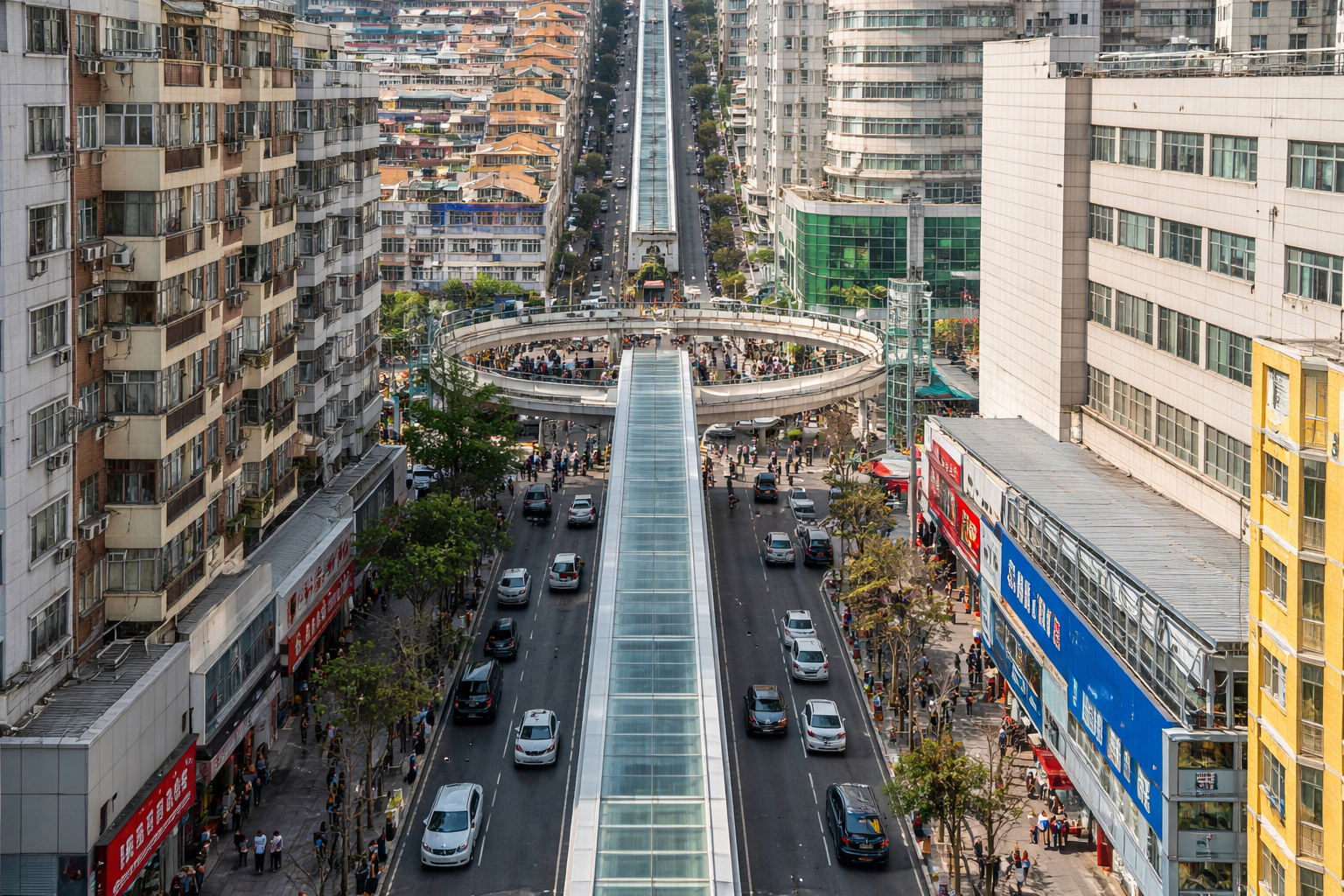
The world’s largest escalator, measuring 905 meters in China, reduces urban travel time from 1 hour to about 20 minutes and transforms mobility in mountainous regions with an engineering solution adapted to the terrain.
-
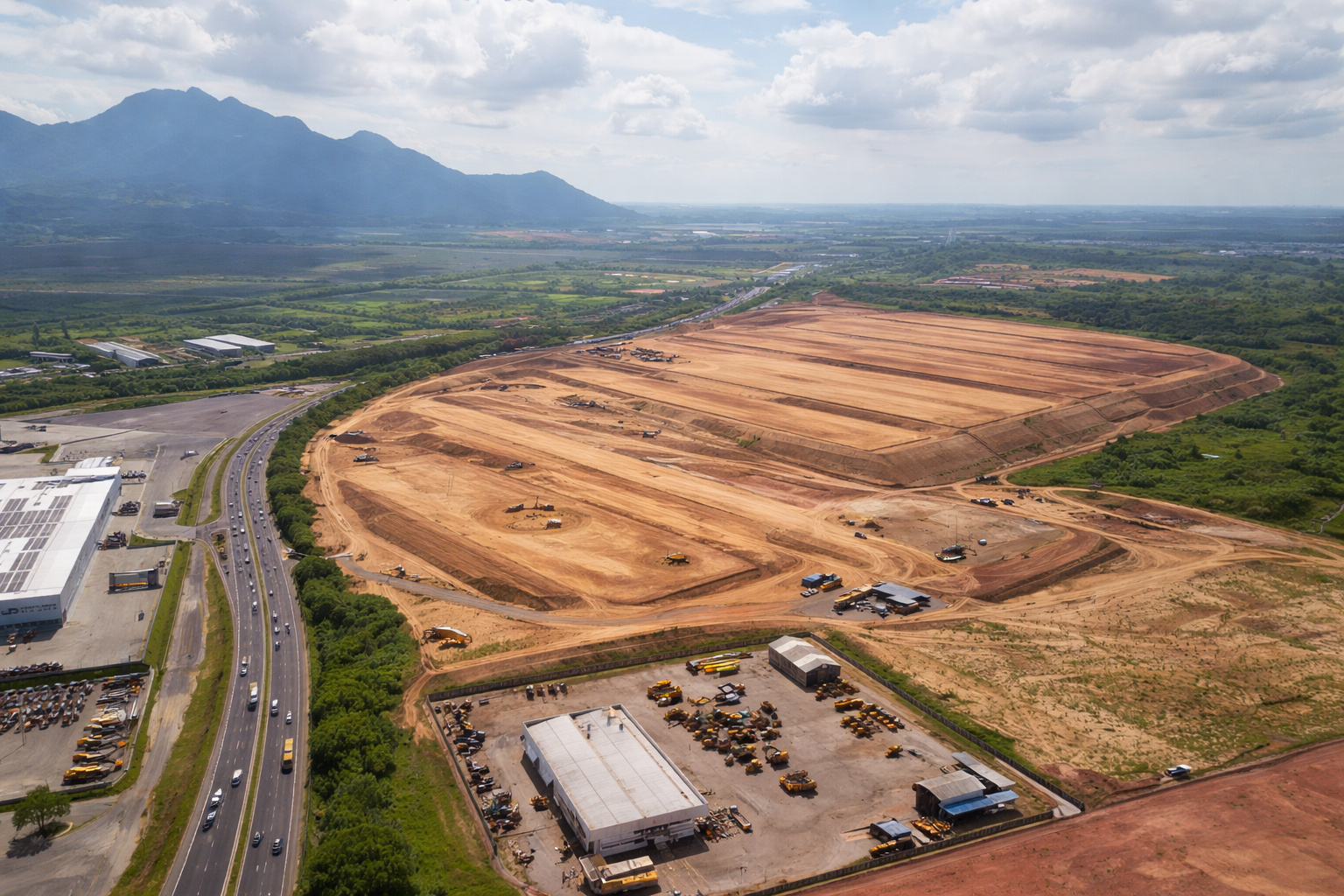
A R$ 300 million logistics giant is taking shape in Serra with over 100,000 m² and raises a question: how can this transform e-commerce and distribution in the state?
-
Could Uber Rides Lose Minimum Fare? Understand What’s Happening!


- Agility in driver access to the terminal, thanks to the automatic Gate.
- Optimization of warehouse planning, reducing the need for human intervention.
- Reduction in deconsolidation times and minimization of unproductive movements in the delivery of loose cargo.
- Greater accuracy and reduction of human errors, contributing to a safer operational environment.
Impacts on Port Management
In addition to operational advances, the adoption of the Intelligent Logistics Platform also provided significant improvements in management:
- Acceleration of billing, reducing processing time from 3 hours to 10 minutes.
- Standardization of data and generation of strategic indicators, increasing reliability and decision-making.
- Transparency in processes, allowing clients to monitor cargo status in real time.
Integration with Legal Procedures
The platform not only improved internal operations but also efficiently integrated with government systems, ensuring compliance with legal procedures. This includes integration with SISCOMEX and PUCOMEX, ensuring accuracy and agility in customs clearance.
The Future of Brazilian Ports: A Path to Modernization
The case of Rio Brasil Terminal is a model for other Brazilian ports to follow. Modernization through advanced technologies is crucial for improving efficiency, operational and management safety, and the competitiveness of the port sector in Brazil. The adoption of these innovations is not just an advantage, but an urgent necessity to place Brazilian ports on par with global standards and leverage the country’s economic potential in the international arena.
Source: Consuelo de Magalhães / Broto Comunicação Advisory.






Seja o primeiro a reagir!