





 Portuguese
  English
  Spanish
  3 min of reading
  0 comments


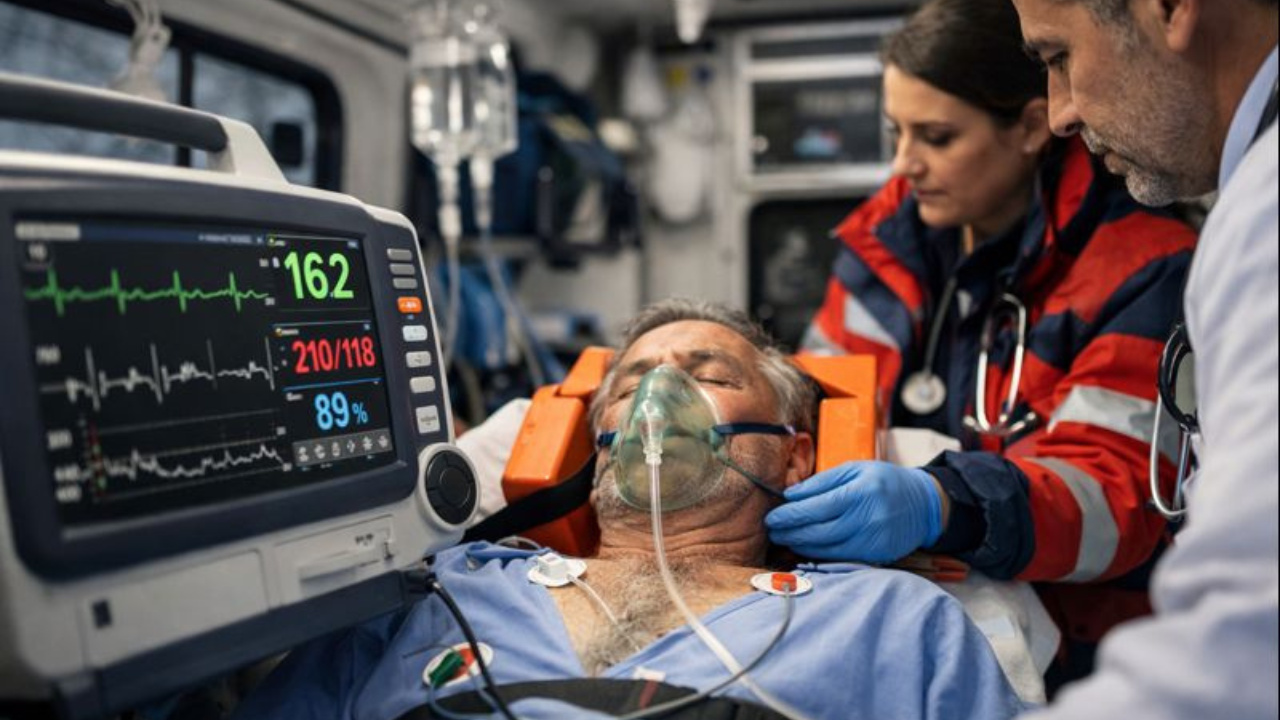
Experts Warn That Distilled Spirits and Alcoholic Beverages Increase the Risk of Death from Stroke in Brazil.
The Stroke, known as AVC, has become one of the leading causes of death in the country, even surpassing heart attacks, according to recent data from the Brazilian Stroke Society (SBAVC).
In 2023, the condition caused 85,427 deaths in Brazil, while heart attacks accounted for 77,886 deaths.
The scenario worries specialists, especially considering avoidable factors that elevate the risk of death, such as the consumption of alcoholic beverages, especially distilled spirits.
-
A promise made to their father led three men to unearth a forgotten house that had been swallowed by time for over 70 years, in a story of memory, abandonment, and reconstruction that seems straight out of a movie.

-
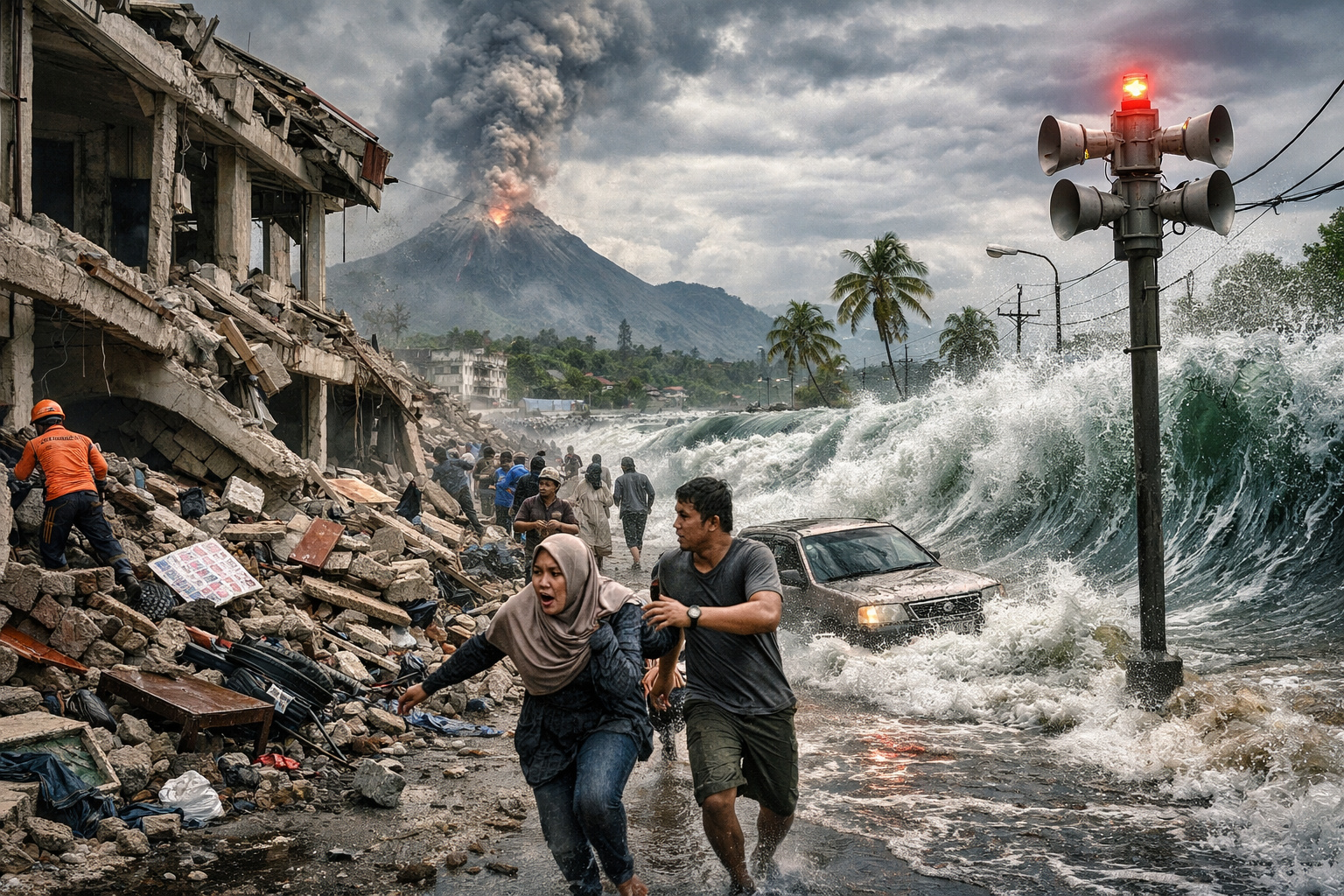
A strong earthquake in Indonesia affects houses and schools, causes panic, triggers a tsunami alert, and records a rise in sea level of up to 30 centimeters in some areas.
-
The Argentine government celebrates the lowest poverty rate in 7 years, but experts warn that the methodology has changed, real wages have fallen, unemployment has risen, and the number of people on the streets of Buenos Aires has increased by 57% since Milei took office.

-
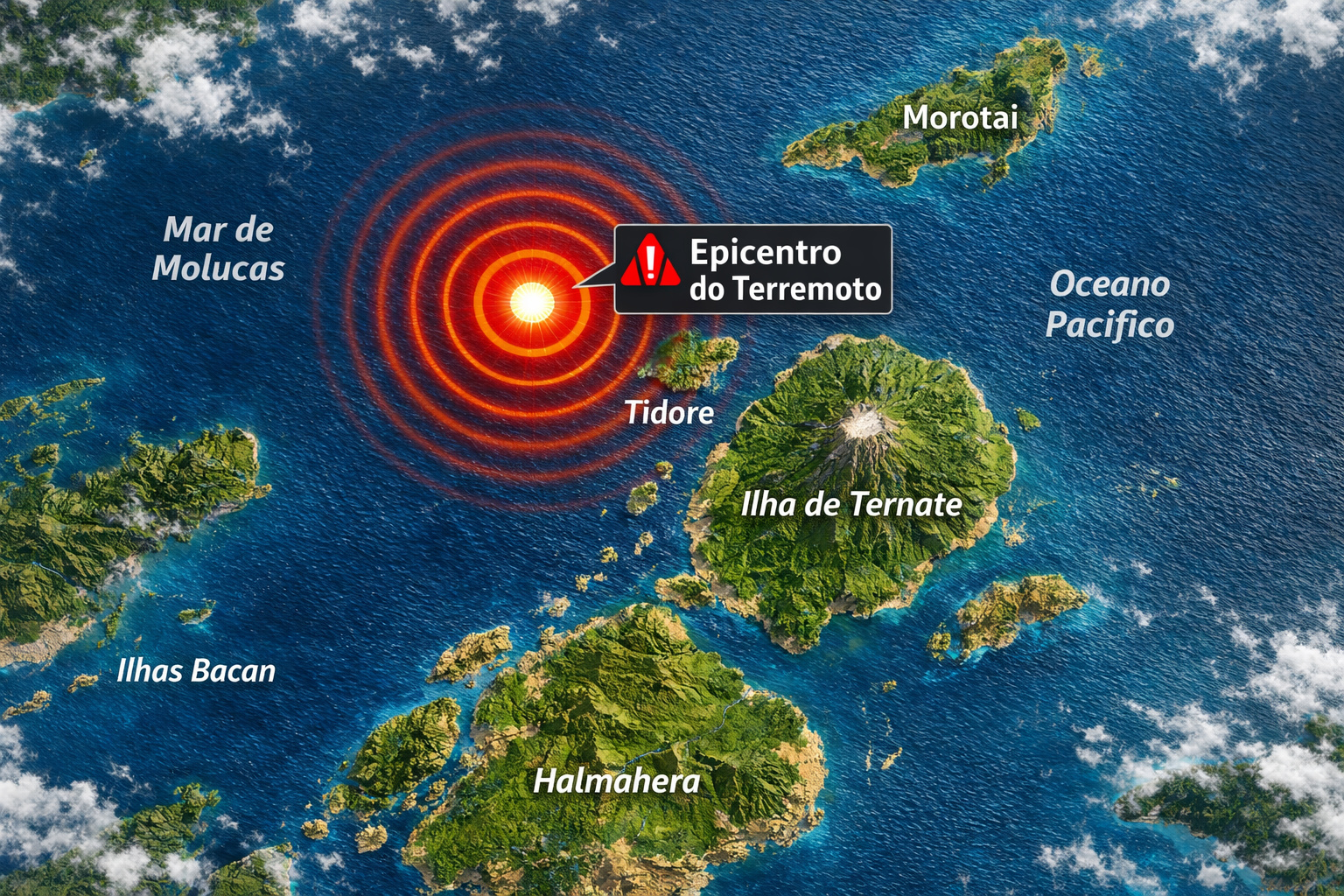
7.8 magnitude earthquake in Indonesia frightens the population, triggers tsunami alert, and hits an island with over 200,000 inhabitants this Thursday.

The warning comes from doctors who monitor patients with cerebrovascular diseases on a daily basis.
According to vascular neurosurgeon Victor Hugo Espíndola, some beverages are clearly more harmful.
“Certain types of alcohol are among the factors that most increase the risk of the disease,” the specialist states.
Stroke in Brazil: Why Do the Numbers Keep Growing
The increase in stroke cases in Brazil is directly linked to the aging population, but also to lifestyle factors.
Hypertension, diabetes, sedentary lifestyle, and excessive alcohol consumption are among the main triggers of the disease.
Moreover, many Brazilians still underestimate the risks associated with alcohol.
Meanwhile, studies show that the impact of stroke goes beyond mortality, resulting in permanent disabilities and high costs for the healthcare system.
Alcoholic Beverages and Stroke: Which Pose the Greatest Danger
Among all alcoholic beverages, distilled spirits are identified as the most harmful to brain health.
Vodka, whiskey, cachaça, and tequila contain high levels of alcohol and cause rapid effects in the body.
According to Victor Hugo Espíndola, individuals who have previously had a stroke should completely avoid these types of drinks.
“Even in small amounts, the episodic consumption pattern (binges) is particularly harmful,” the doctor assures.
The so-called binge drinking occurs when there is a high intake of alcohol over a short period, a common practice on weekends and social events.
How Distilled Spirits Increase the Risk of Death from Stroke
The specialist explains that distilled spirits affect the body through different mechanisms that increase the risk of death from Stroke:
They cause rapid spikes of ethanol in the blood, abruptly increasing blood pressure.
They increase the risk of ischemic and hemorrhagic strokes, the two main types of the disease.
They are associated with cardiac arrhythmias, especially atrial fibrillation, which favors cardioembolic stroke.
They intensify dehydration and blood viscosity, facilitating the formation of clots.
They have a greater correlation with cerebral hemorrhages, due to the fragility of blood vessels.
These effects make alcohol consumption a significant risk factor, especially in individuals with a history of cardiovascular diseases.
Is There a Safe Alcohol Consumption for Those at Risk of Stroke?
From a neurological standpoint, the answer is clear. “There is no ‘safe’ alcoholic beverage for those at risk of stroke,” emphasizes Espíndola.
According to him, the risk is dose-dependent and also related to the consumption pattern.
The medical recommendation, in clinical practice, is significant reduction or abstinence, especially in patients with pre-existing risk factors, such as hypertension, diabetes, atrial fibrillation, carotid stenosis, or previous stroke.
Global Projections Indicate an Even More Concerning Scenario
Meanwhile, the problem is not limited to Brazil. In 2023, the World Stroke Organization released an alarming study: if nothing changes, the number of deaths from the disease could increase by 50% by 2050, reaching nearly 10 million deaths per year worldwide.
This trend reinforces the importance of prevention, early diagnosis, and lifestyle changes, especially regarding alcohol consumption.
Stroke Prevention Requires Information and Conscious Choices
In light of this scenario, physicians and health organizations emphasize that combating Stroke requires more than hospital treatment.
Prevention starts in daily life, with blood pressure control, balanced diet, physical activity, and, above all, responsible consumption or absence of alcohol.
Thus, understanding the relationship between distilled spirits, stroke in Brazil, and the risk of death can be crucial for saving lives and reducing the impact of one of the deadliest diseases today.









Seja o primeiro a reagir!