





 Portuguese
  English
  Spanish
 3 min of reading


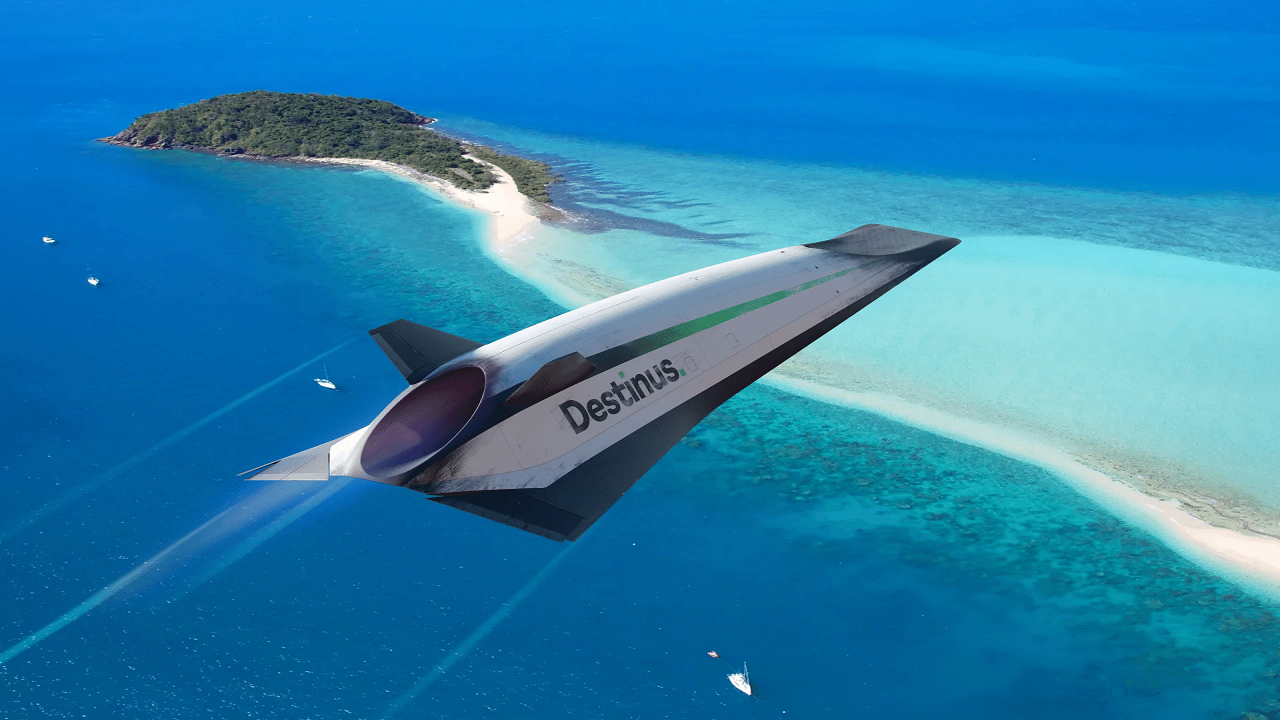
Company Is Developing A Hydrogen-Powered Hypersonic Plane That Takes Only 4 Hours And 15 Minutes From SP To China, On The Other Side Of The World.
The startup Destinus, based in Switzerland, is developing a hypersonic plane that promises to revolutionize travel around the world. According to the company, its hypersonic model has the capacity to significantly mitigate delays in flights between various countries. An impressive example is the route between São Paulo, Brazil, and Shanghai, China, which on a conventional model takes about 22 hours. With the Destinus hypersonic plane, the travel time will be reduced to just 4 hours and 15 minutes.
Hypersonic Plane Can Achieve Mach 5
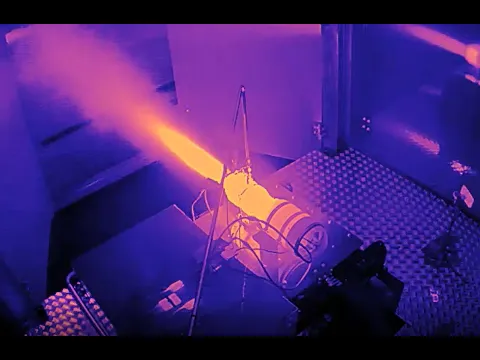

The company claims that this feat, of flying from SP to China in 4 hours, can only be achieved due to innovative technology that allows the aircraft to fly at more than five times the speed of sound, or Mach 5, using hydrogen as fuel, a significant promise for aviation and also for cars.
Destinus states that this advancement will not impact the ticket cost, the versatility of the plane, or the noise generated during flight. The model developed by the company already has two successful prototypes, according to CNN. A third prototype is expected to perform its inaugural flight by the end of this year.
-
Volkswagen unveiled the 2027 Atlas with a 282-horsepower EA888 turbo engine, a 15-inch screen, massage seats, and a completely new interior to finally elevate the three-row SUV built on the MQB platform to a new level.

-
What if the Sun disappeared suddenly? Simulation shows Earth in darkness within minutes, extreme cold, and rapid collapse of life on the planet.

-
A 2,400-year-old iron foundry has been discovered in Senegal with 100 tons of slag, 35 furnace bases, and signs of nearly eight centuries of continuous metallurgical activity.

-
After decades out of the spotlight, Citroën is preparing to bring back the legendary 2CV as a low-cost electric vehicle, betting on the revival of one of the most popular cars in history and aiming to enter the race for affordable compact cars.

Martina Löfqvist, the company’s development manager, revealed to the network that the startup’s strategy is, initially, to produce drones on a small scale and then scale up to develop larger aircraft.
The design of the hypersonic plane, which flies from SP to China in 4 hours, is based on a concept developed in 1950, but never used in a project before, called waverider. The paint of the plane is inspired by the Alps, a tribute to the origins of the company behind the project.
Understand How The New Hydrogen-Powered Supersonic Plane Will Work
According to Marina in a report, the goal is to make the aircraft fly over the shock waves it generates. It’s a very efficient shape that consumes less hydrogen, as there is less air resistance.
The current prototype is about 10 meters long. The expectation is that by next year, Destinus will have achieved the goal of achieving a hydrogen-powered supersonic flight. Destinus claims that its models utilize advanced aerospace technologies.
Hydrogen is used as fuel to enable long distances at high speeds. Hydrogen can be produced from water using a method called electrolysis, utilizing renewable energy sources.
The use of hydrogen as fuel for the supersonic model is less polluting for the environment, as when burned, it generates only water and heat. The production cost of this type of fuel is decreasing, which will contribute to lowering flight costs.
Hypersonic Plane Promises To Reach The Market By The Early Decade
The aircraft from Destinus will be available for purchase by any company in the aviation sector and can be used at common airports.
The estimate is that by the early decade, the company will launch a small-scale plane, with a capacity of approximately 25 passengers, focused on business sector clients. By 2040, the startup expects to have a larger scale version that can accommodate various classes of passengers, including economy.
In addition to this plane that flies from SP to China in 4 hours, a new hypersonic plane is also being developed that can fly from New York, USA, to Tokyo, Japan, on the other side of the planet, in just one hour.






Seja o primeiro a reagir!