






 Portuguese
  Spanish
  2 min of reading


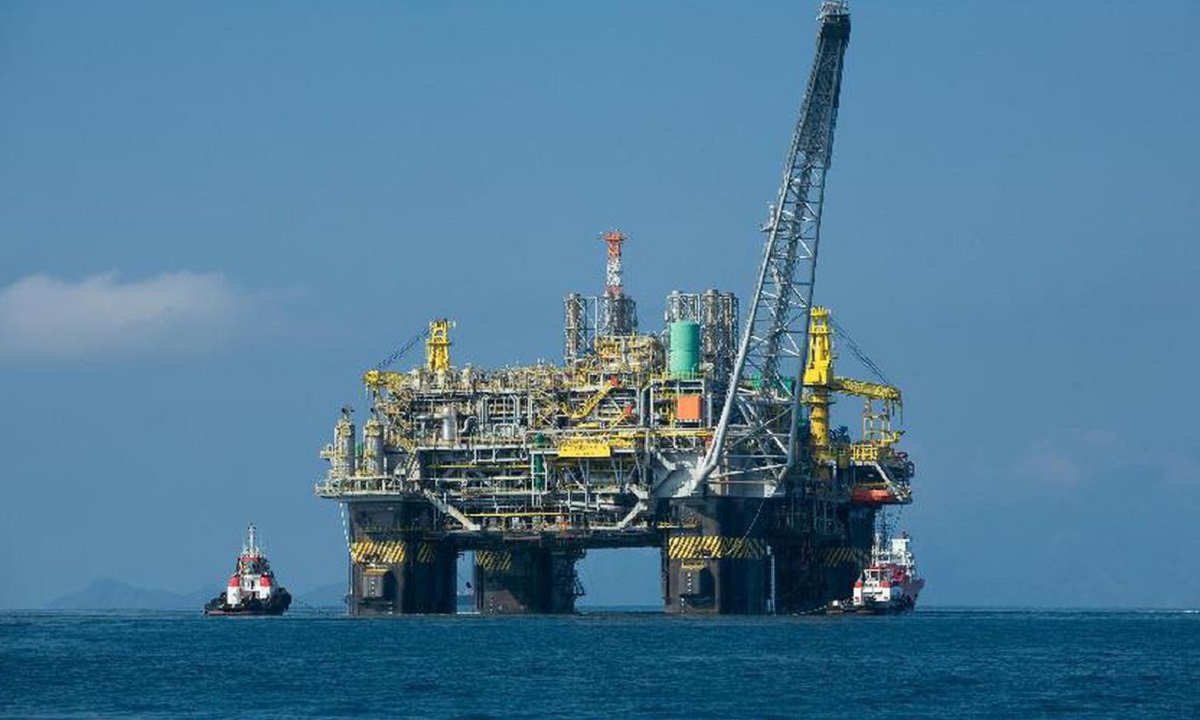
Investments in Hydrogen and Clean Energy Forms Are Small Compared to the Money Spent on Biofuel Refineries
Currently, large European oil companies are betting on hydrogen as a transportation fuel for the future, but this big bet has never been greater than the amount spent on biofuel refineries. According to a new study by Transport & Environment (T&E), investments in biofuel refining are eight times higher. T&E believes that oil producers are not taking their bets on clean fuels seriously, but rather opting for the “easy and unsustainable choice of biofuels.”
Oil Giants Are Not Really Planning to Create Fully Clean Energy
The European oil giants Shell, BP, Total, ENI, and Repsol are investing in hydrogen, but only part of that is considered truly ‘green’. Most of their investments are aimed at reducing the carbon emission intensity of their refinery operations, not to develop clean transportation fuels, as shown by the T&E study.
According to Geert Decock, electricity and energy manager at T&E: “Oil producers are promoting hydrogen as their big bet for the future, but in reality, their investments in green hydrogen are disappointing. Instead, they are focusing their new refining capacity on biofuels that cannot sustainably meet global transportation needs. This is not an industry that is pushing the boundaries of clean technology.”
-
Peugeot 408 Griffe 2015 combines a turbo engine, 0 to 100 km/h in 8.3 seconds, a 526-liter trunk larger than many compact SUVs, leather, multimedia, cruise control, and a sunroof, but it remains off the radar among fully equipped used cars.

-
Toyota Hilux Champ emerges as the “mini-work Hilux” that Brazil doesn’t have: for around R$ 81,7 thousand in conversion without taxes, the pickup has a modular chassis, single cab, 2 seats, 2.4 diesel engine, and a popular car price to become a tool for construction, cargo, and small business in Thailand.

-
Chevrolet Onix leads the efficiency ranking among flex-fuel cars by Inmetro, achieves almost 18 km/l, and costs less than R$ 100,000.
-
Non-alcoholic beer is not always 0.0%: the drink can appear on the breathalyzer, result in a fine of R$ 2,934.70, suspend the driver’s license for 12 months, and even lead the vehicle to be impounded.



High Investments by European Oil Companies in “Blue Hydrogen,” Which Allegedly Emits Low Carbon
Oil refining is one of the main users of hydrogen today, with most using gray hydrogen, which produces a lot of carbon dioxide emissions. According to T&E, oil companies are investing around € 6.5 billion in so-called “low carbon” blue hydrogen to clean up their production processes. These investments represent double what is being spent on the production of “green” hydrogen and electronic fuels, which could be used to “clean up” aviation and maritime transport.
Geert Decock concludes that “where oil producers are investing in hydrogen, most is going to replace the dirty operations of gray hydrogen with blue hydrogen, which still uses polluting fossil gas. Instead of wasting their time on easy, short-term solutions, oil refineries should start producing green hydrogen and electronic fuels for ships and planes today.”








Be the first to react!