





 Português
  Inglês
  Espanhol
  3 min de leitura
  1 comentário


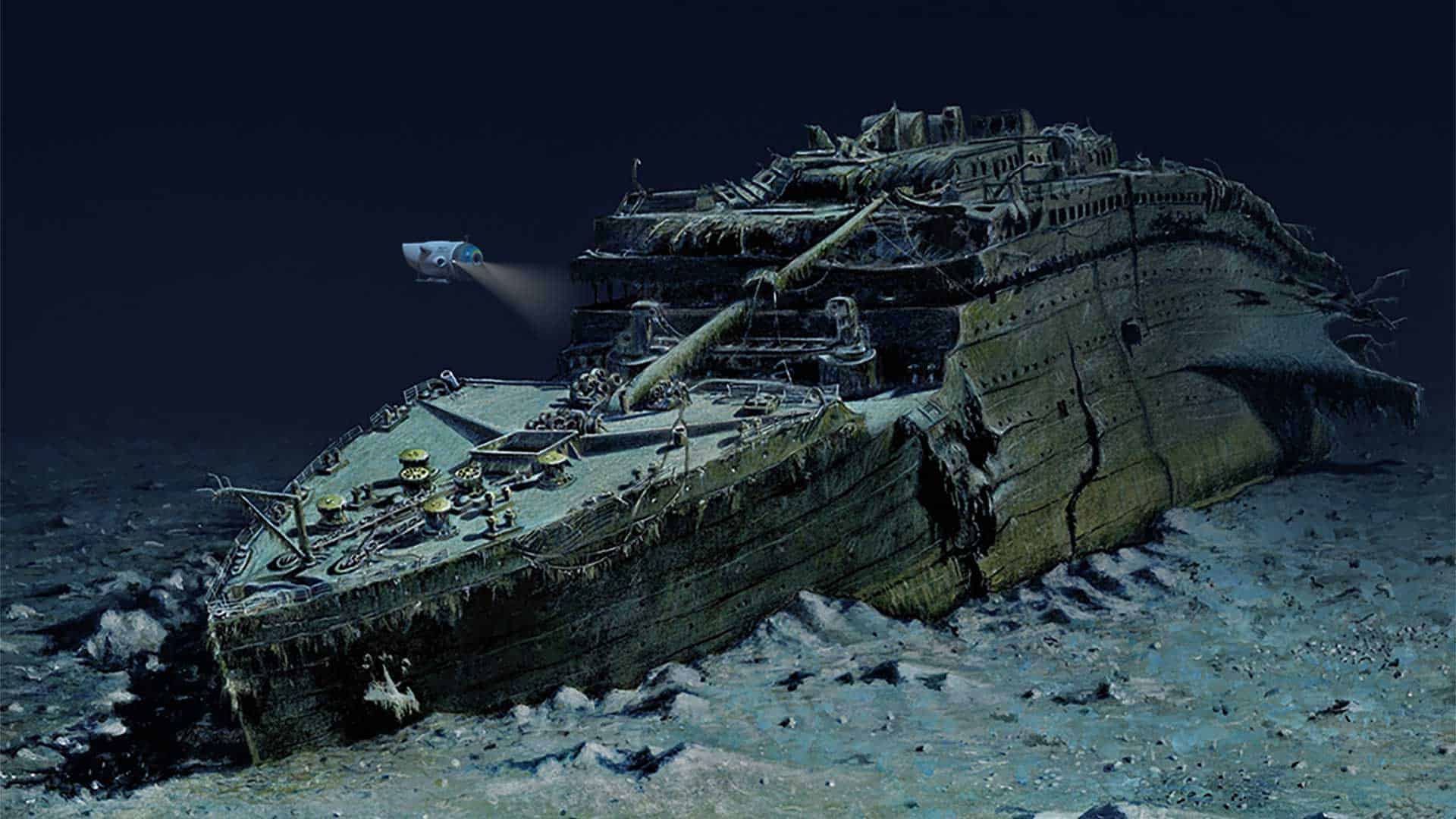


Bacteria Devour The Great Sea Giant: What You Will See Will Surprise You!
Although the wreck of the Titanic, which has long rested on the bottom of the Atlantic Ocean, continues to fascinate the world. Recently, a pioneering expedition revealed impressive details about the current state of this iconic vessel according to engenhariahoje.com
The Titanic, despite being one of the most iconic ships in history, is known both for its grandeur and its tragic maiden voyage in 1912, which ended in disaster in the North Atlantic. More than a century later, the wreck of the Titanic still captivates the global imagination, symbolizing both the limits of human engineering and vulnerability in the face of the forces of nature. Recent expeditions to the wreck site revealed ongoing deterioration, accelerated by bacteria that consume metal, highlighting the constant struggle between historical preservation and inevitable decline beneath the waves.
The Fight Against Time And Forgetfulness
As the world advances, the Titanic remains a silent testament to human ambitions and tragedies. Therefore, with each passing year, the ship disintegrates a little more, a victim of ocean currents and the insatiable appetite of bacteria that corrode its hull. This last dive is not just an exploration; it is a race against time to preserve the memory of an era that is fading with the waves.
-
Historic bankruptcy of Centauro shocks the market, and the century-old company puts more than 500,000 products, machines, and complete infrastructure up for online auction.

-
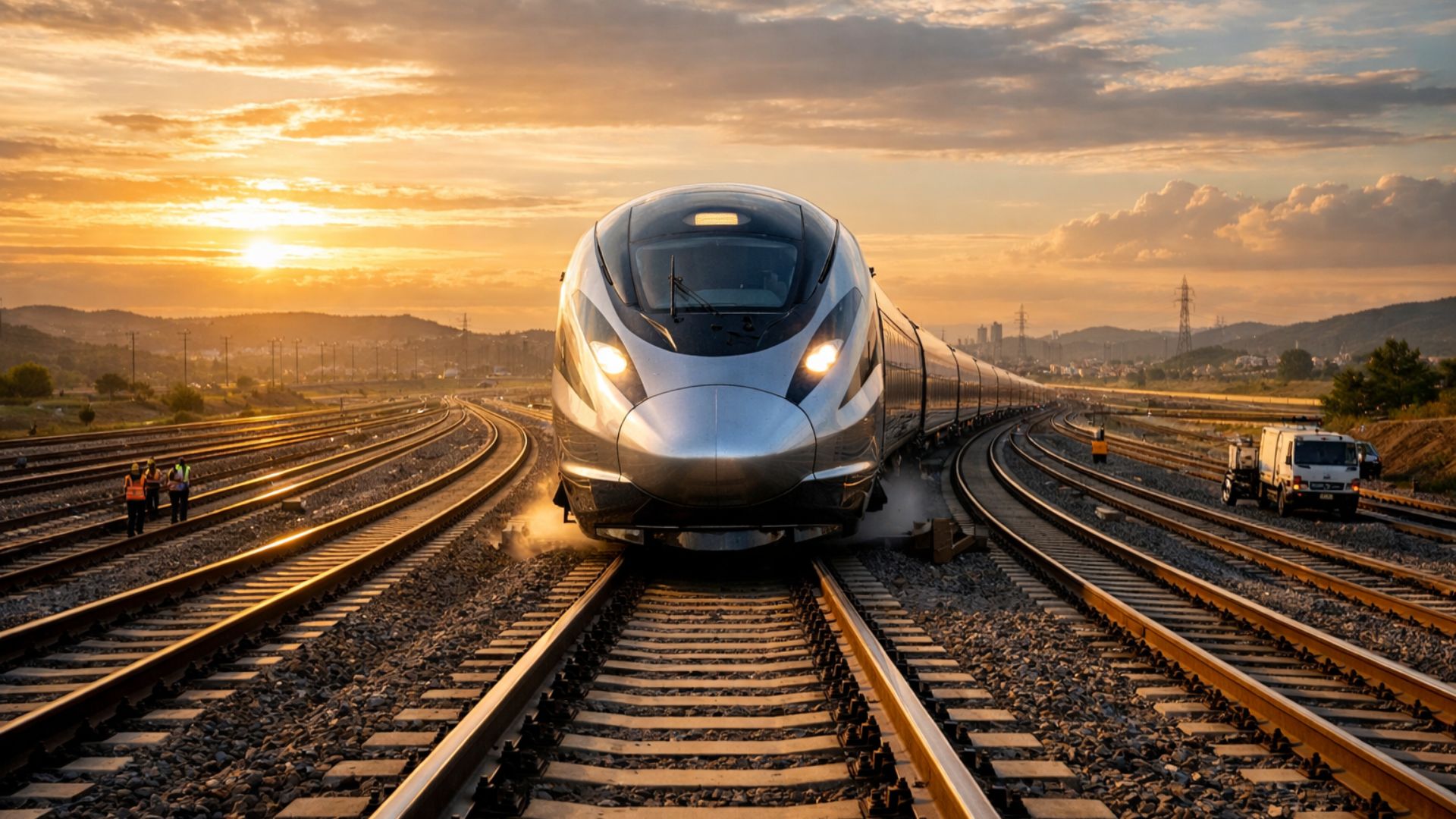
São Paulo surprises the world with a colossal railway network project that promises over 1,000 km of tracks, R$ 194 billion in investments, and 40 projects connecting the capital to the interior with fast and sustainable trains.
-
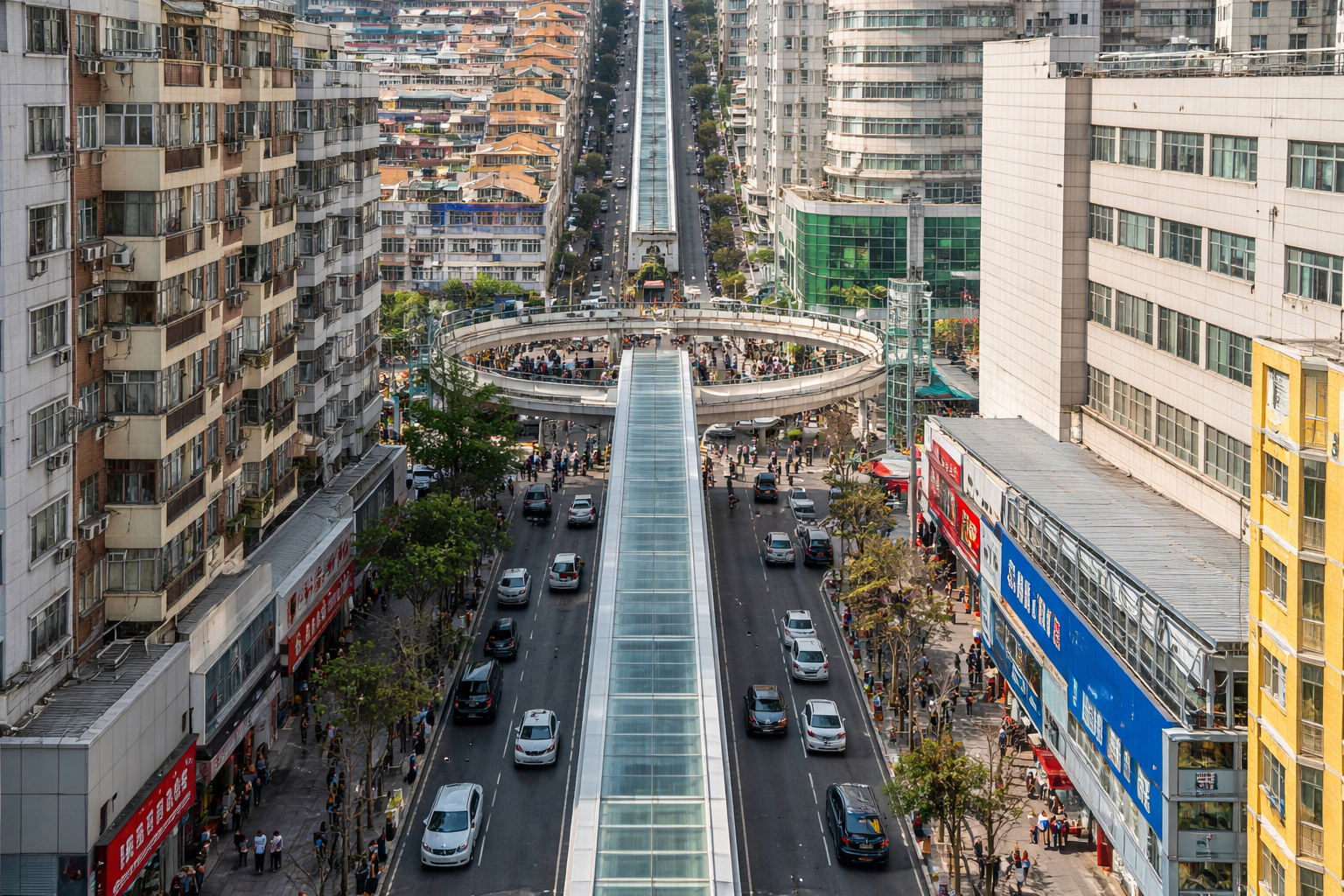
The world’s largest escalator, measuring 905 meters in China, reduces urban travel time from 1 hour to about 20 minutes and transforms mobility in mountainous regions with an engineering solution adapted to the terrain.
-
New shoe factory in Ceará is expected to create 400 jobs and strengthen the local economy.

The Inevitable Deterioration: Bacteria Consuming The Metal
The Titanic, once majestic and imposing, now faces an invisible enemy: marine bacteria. These microorganisms are literally consuming the ship’s metal, accelerating its deterioration. The first dive into the Titanic in 14 years brought this sad reality to light. The action of these bacteria, which feed on iron, manganese, and sulfur present in steel, is slowly corroding the vessel’s structure.

Compromised Visibility: Challenges In Submarine Exploration
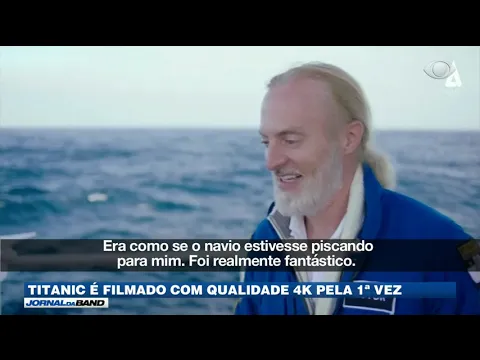
During the dive, the explorers faced significant challenges. The strong current and the amount of particulate matter in the water impaired visibility. However, even in these adverse conditions, incredible moments occurred. The submersible’s lights reflected on a portal of the ship, creating the illusion that the Titanic was blinking, as if it were still alive.
The Future Of The Titanic: An Unrelenting Biological Process
Unfortunately, the fate of the Titanic is inexorable, the community of bacteria that has established itself in its structure will continue to corrode the metal over time, and this biological process, although natural, is unrelenting. The giant of the seas, which was once a symbol of luxury and tragedy, now faces a slow but inevitable deterioration.
The wreck of the Titanic remains a silent reminder of human grandeur and fragility in the face of the forces of nature, as the dark waters of the Atlantic envelop its wreckage, the story of this legendary ship continues to echo through the decades.









Foi muito triste as pessoas perderem a vida num instante, quando imaginaram que estavam seguras