





 Portuguese
  English
  Spanish
 3 min of reading
  0 comments


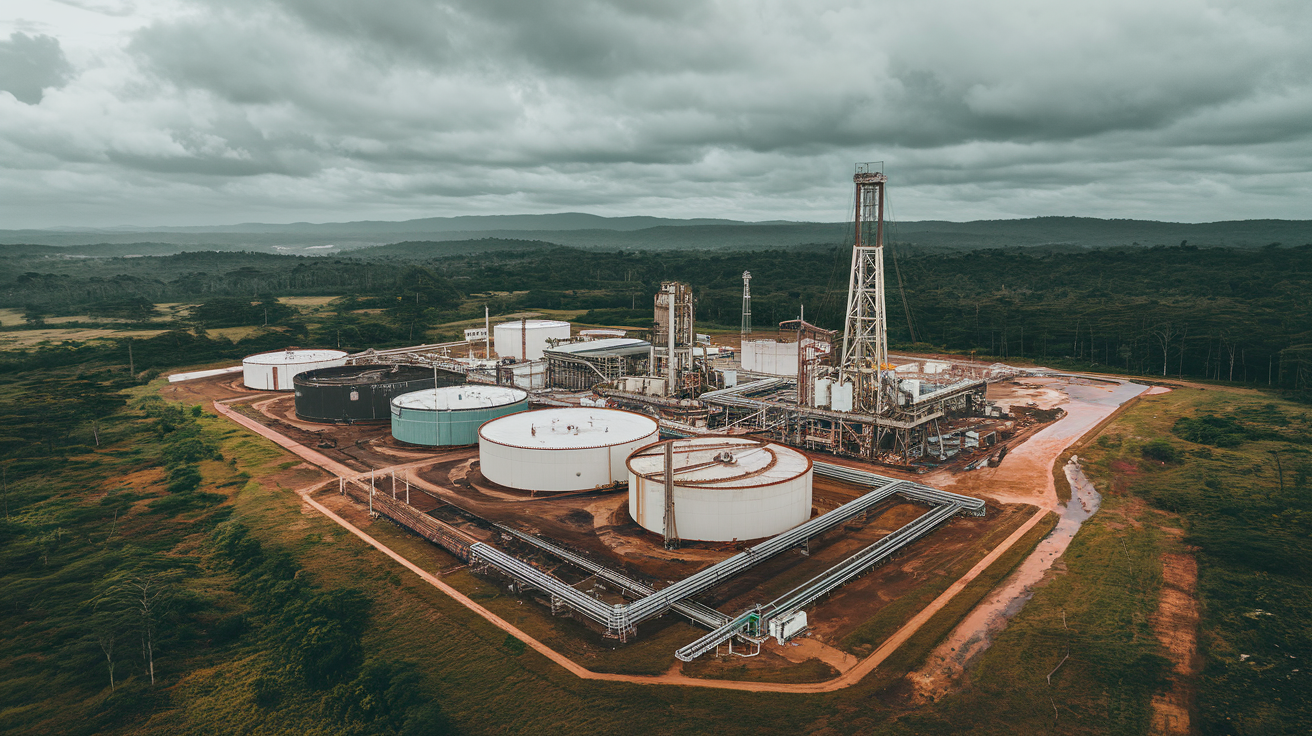
Resumption Of Oil Production In Bahia Will Receive Billion-Dollar Investments: Petrobras, PetroRecôncavo And Stanley Oil Are Involved And Will Invest Up To R$ 4 Billion In Bahia
The process of resuming investments in Bahia focused on oil and gas production in onshore areas will receive contributions from companies such as Petrobras, PetroRecôncavo, and Stanley Oil, which may reach up to R$ 4 billion. The state-owned company (Petrobras) plans to invest R$ 2 billion in mature fields and has four large drilling rigs working on wells in various fields. Understand the resumption of oil production in Bahia.
Investments In Bahia Come From Petrobras, PetroRecôncavo, And Stanley Oil
For the resumption of oil production in Bahia, Petrobras is drilling in the fields of Araçás, Fazenda Azevedo, Massapê, Taquipe, Fazenda Boa Esperança, among others, with investments exceeding R$ 1 billion.
The company Stanley Oil, in turn, will sign a letter of intent for the establishment of an oil refinery in the city of Alagoinhas. The initial investments in Bahia will be R$ 500 million, potentially reaching R$ 1 billion and generating about 300 jobs immediately.
-
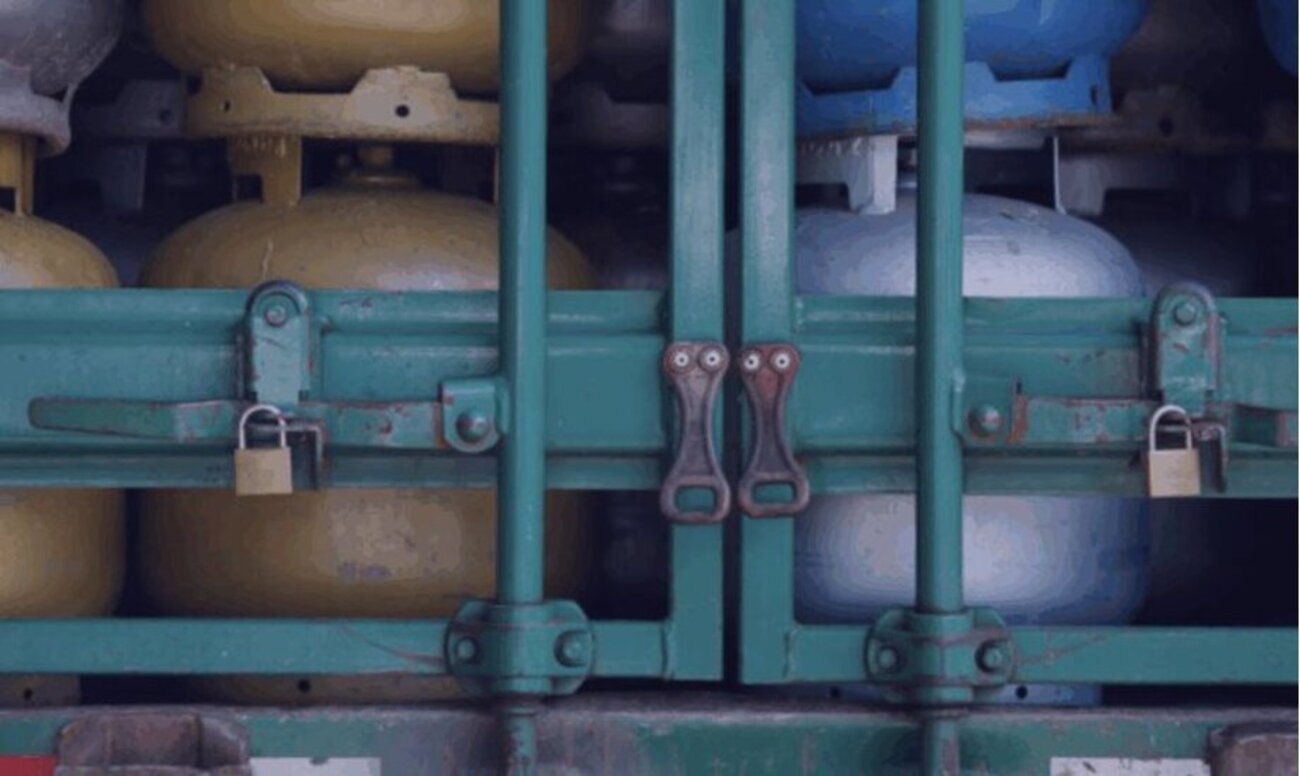
Petrobras evaluates suspension of sales to distributors and considers canceling the cooking gas auction following guidelines from the Federal Government.
-
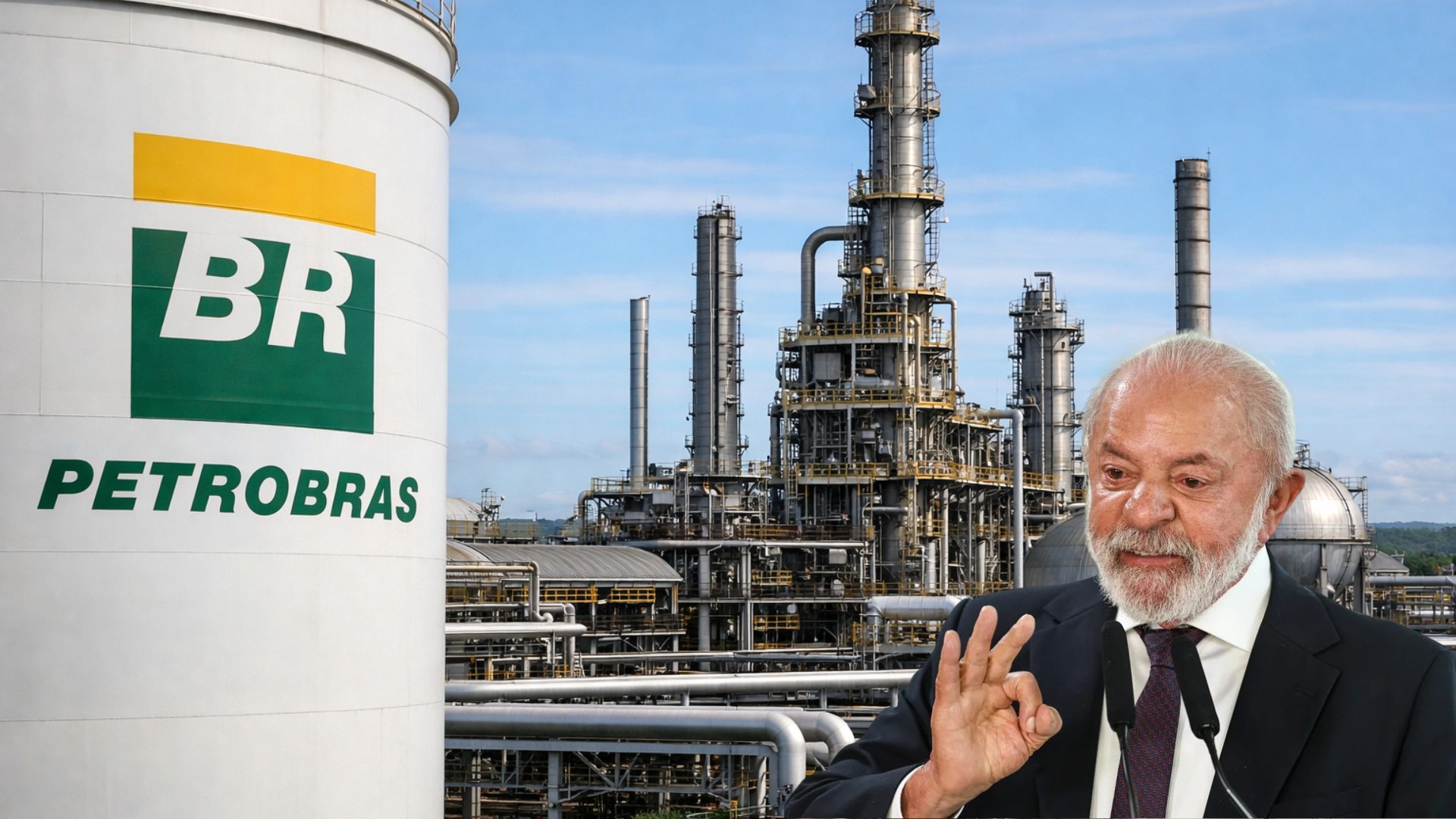
Lula reveals a masterstroke by Petrobras to undo a deal made by Bolsonaro, which involves the return of an important refinery that currently produces less than half of what was expected and makes Brazil dependent on international diesel.
-
A study confirms that the natural gas sector will reduce greenhouse gas emissions in Brazil by 0.5% and accelerate the energy transition by 2026.

-
Petrobras implements a severe adjustment and confirms a 55% increase in the price of aviation kerosene with a proposal for installment payments for the companies.

PertroRecôncavo, on the other hand, announced an investment in a new natural gas processing unit in the state for the resumption of oil production in Bahia. The chosen location to receive the company’s new Natural Gas Processing Unit (UPGN) is the district of Miranga, in Pojuca, one of the most important oil production hubs in the state.
The company is announcing investments in Bahia of R$ 400 million, including the construction of its second gas treatment unit in the state.
The municipalities involved in the investments from Petrobras, PetroRecôncavo, and Stanley Oil are impacted by oil and gas activities, with increases in income, payroll, and royalty payments.
Regional Meeting Of The Oil And Gas Sector For Investments In Bahia
The 1st Regional Meeting Of The Oil And Gas Sector, an event organized by the Municipal Government of Alagoinhas this Thursday (13), signals the resumption of oil production in Bahia through companies such as Petrobras, PetroRecôncavo, and Stanley Oil.
The investment plan in Bahia by Petrobras was presented by Stênio Galvão, executive manager of Lands and Shallow Waters, who reaffirmed the company’s interest in enhancing sector activities in the state, covering production, maintenance, and social responsibility.
Galvão announced the hiring of three new drilling rigs for the resumption of oil production in Bahia, which foresees, for the next 5 years, the drilling of 100 new oil and gas wells and increasing the number of production rigs from 13 to 23 units, in addition to forming a new exploration team to operate in the state, seeking new concessions and exploration areas.
Investments In Bahia Also Focus On Professional Qualification
With the resumption of oil production in Bahia, with investments from Petrobras, PetroRecôncavo, and Stanley Oil, Senai Bahia also presents a proposal to train a qualified workforce for the sector, with free courses for students, funded by municipalities and companies.
The initial goal is to train one thousand professionals for the oil industry in Alagoinhas and surrounding areas, with training such as roustabout, driller, platform worker, and process safety.
According to Ginmarco Furlini, market coordinator at Senai BA, the focus is to foster growth in both cities and industries in the state. To this end, the institution will work alongside the public sector and companies to meet the existing workforce demand, in a project that has a social bias.








Seja o primeiro a reagir!