





 English
  Francês
  Alemão
  Italiano
  Japonês
  Norueguês
  Portuguese
  Spanish
  2 min of reading


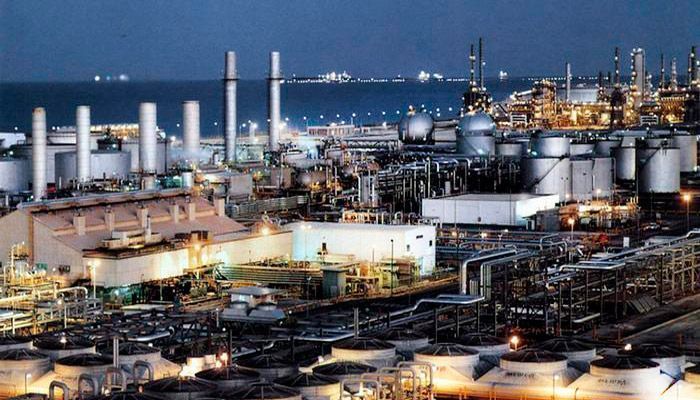
One of the Consequences of the Current Pandemic Is the Low Demand for Products from Refineries, Which May Close, Mainly in China and the Middle East
According to Goldman Sachs, the global refining industry is entering a consolidation phase, as the slowdown in oil demand growth is expected to occur simultaneously with large-scale projects that will start operations in 2021.
See Also Other News:
- Job Vacancy for Junior Chemical Technician in Barra Mansa, Rio de Janeiro
- Construction in São João da Barra Requires Openings for Helper, Boiler Maker, Painter, Plumber, Electrician, Mechanic, Scaffolder, and More Professionals
- Company from the Eletrobras Group Will Invest 1 Billion Reais in Hydroelectric Plants in Bahia
According to the bank’s report, the impact of the pandemic on demand is still present, causing delays in several megaprojects in the refining sector, most in China and the Middle East, which will begin operations between 2021 and 2024. Compared to 2019, the overall utilization rate during this period is expected to be reduced by 3%.
-
Petrobras Expands Refining in Brazil, Increases Production of Diesel S-10 and Gasoline, Enhances Operational Efficiency, and Reduces Import Dependence Between 2023 and 2025
-
Petrobras’ Refap Sets Historic Records for Gasoline and S-10 Diesel Production in Canoas in Q4 2025, Surpassing Previous Figures
-
Revap Starts Operation of Modernized HDT and Petrobras Expands S-10 Diesel Production by 80% at the Refinery, Boosting Supply of Less Polluting Fuel in Brazil
-
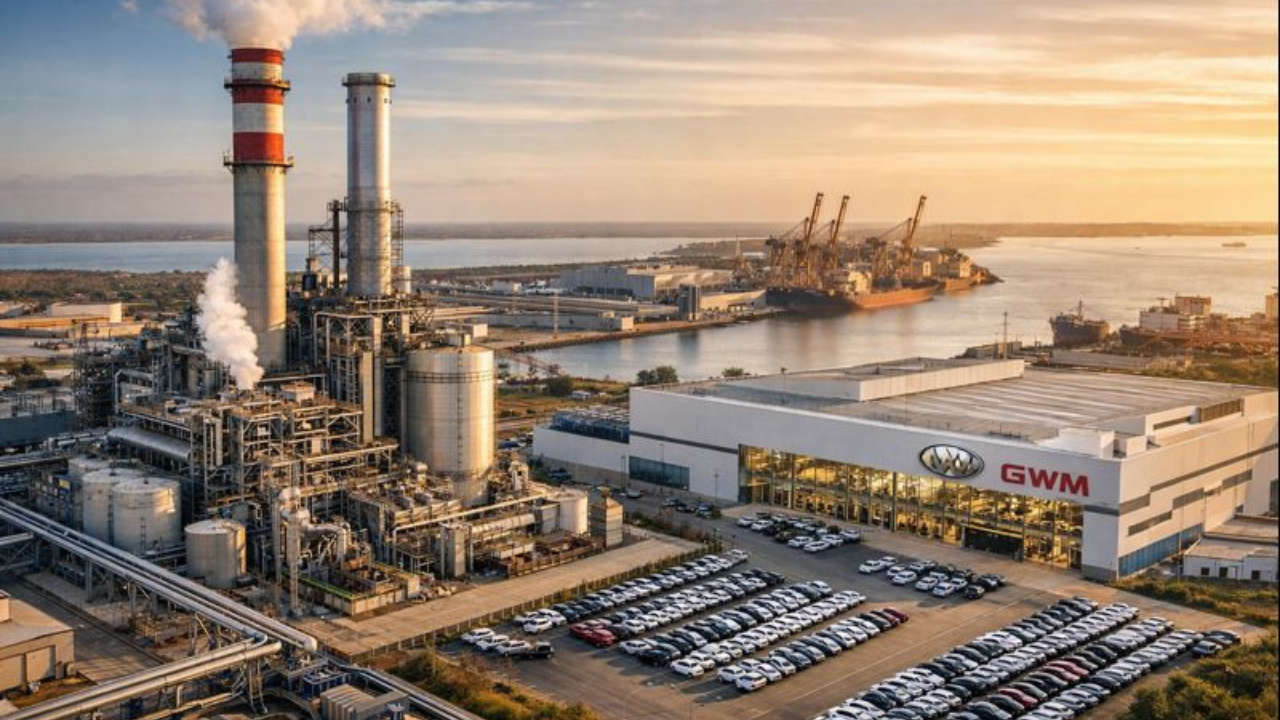
Thermal Power Plant in Rio Grande do Sul Is Key to Attracting GWM

“We expect competition to intensify, leading to refining margins below consensus – and the average cycle – throughout 2021-22 and potential refinery closures in developed markets,” said analysts in the report. According to Goldman’s team, the projection is that global oil demand will return to pre-pandemic levels only in 2022.
Goldman Sachs stated that emerging markets are expected to account for most of the increase in oil consumption in the first half of this decade, and new large refineries will be located close to demand. This means that oil refineries in developed countries will have a higher chance of closing.
Analysts at the bank stated that gasoline and diesel consumption will return to 2019 levels next year, and it is unlikely that aviation fuel will reach last year’s level before 2023. They also mentioned that due to the increase in the consumption of petrochemical products, LPG and naphtha are expected to drive long-term growth, and overall oil demand will not peak before 2030.








Seja o primeiro a reagir!