





 Portuguese
  English
  Spanish
  4 min of reading
  0 comments


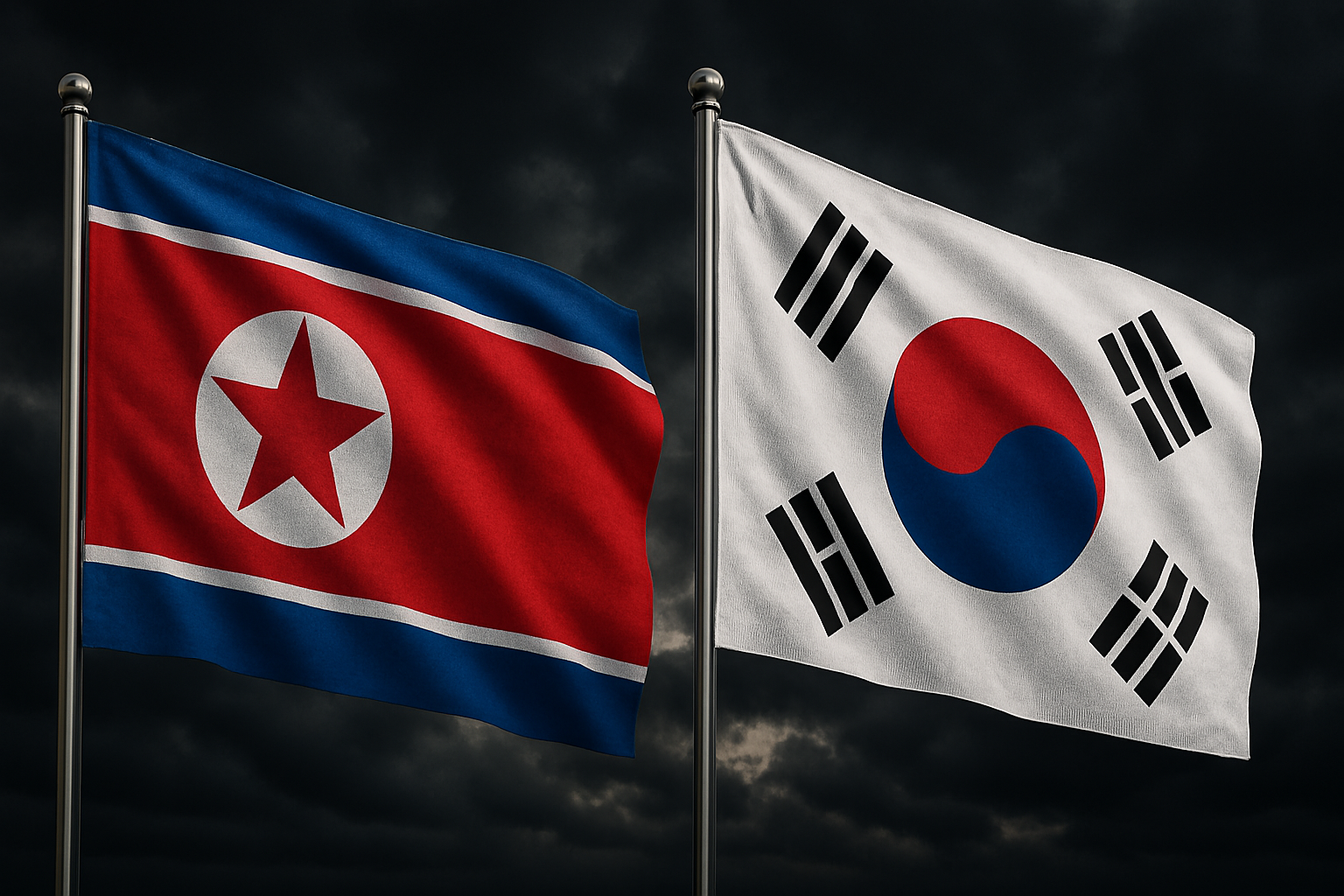
Korean Crisis Escalates With Drones, Balloons, and Threats. Tension Rises at the Border and Risk of Direct Confrontation Worries the World
The conflict between North and South Korea has never been fully resolved. Since the end of the Korean War in 1953, the two nations have lived under a fragile truce. The Demilitarized Zone (DMZ) separates the countries, but peace remains distant. Recently, hostile statements and actions from both sides have drawn attention once again.
Kim Jong-un, leader of North Korea, called South Korea the “main enemy.” The direct and aggressive phrase marks an escalation in tensions.
The environment was already hostile, but the official rhetoric has made the situation even more tense. Life in both Koreas, especially in the border regions, is marked by fear and distrust.
-
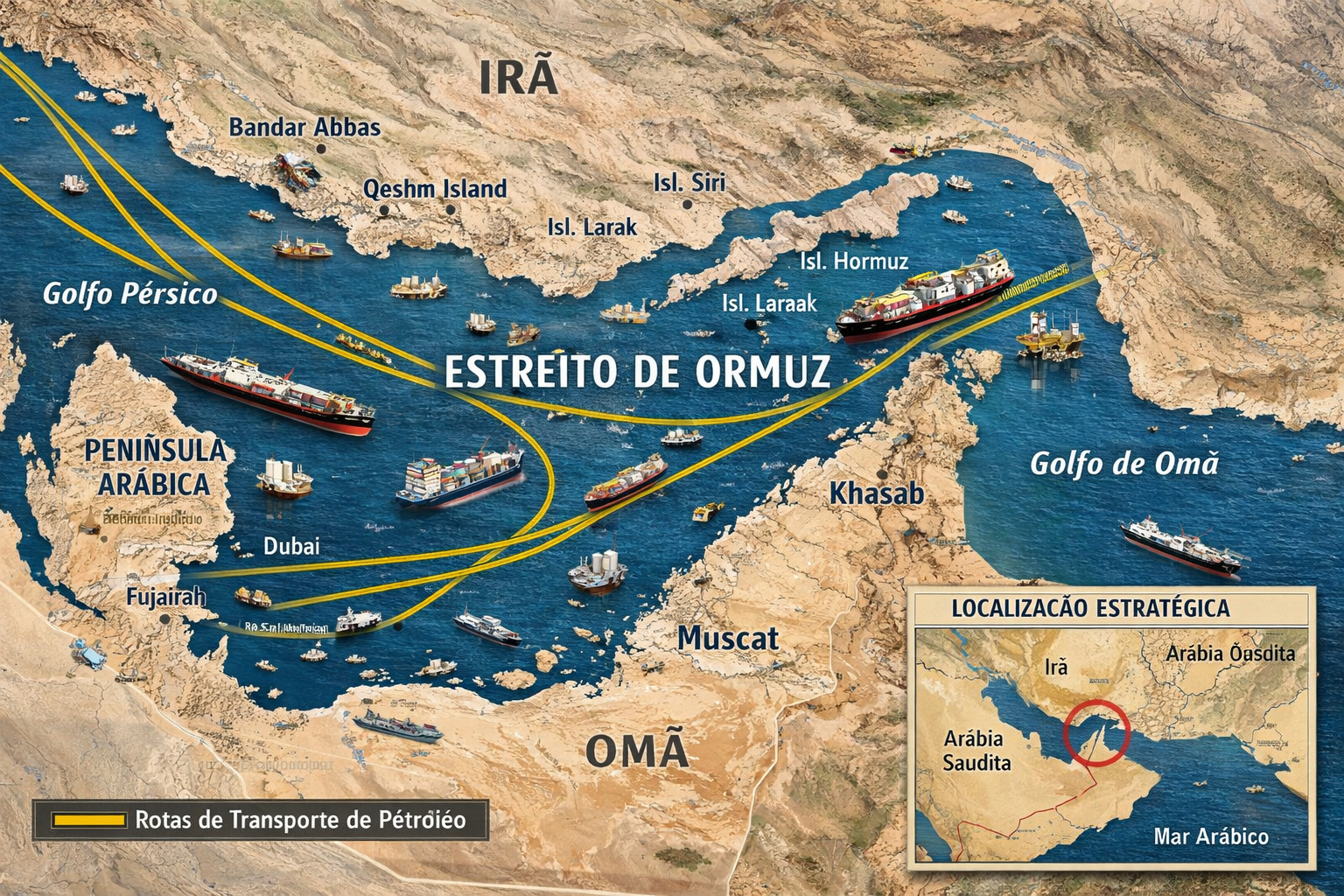
Global summit with over 40 countries pressures Iran for a blockade in the Strait of Hormuz and warns of direct impact on oil, food, and the global economy.
-
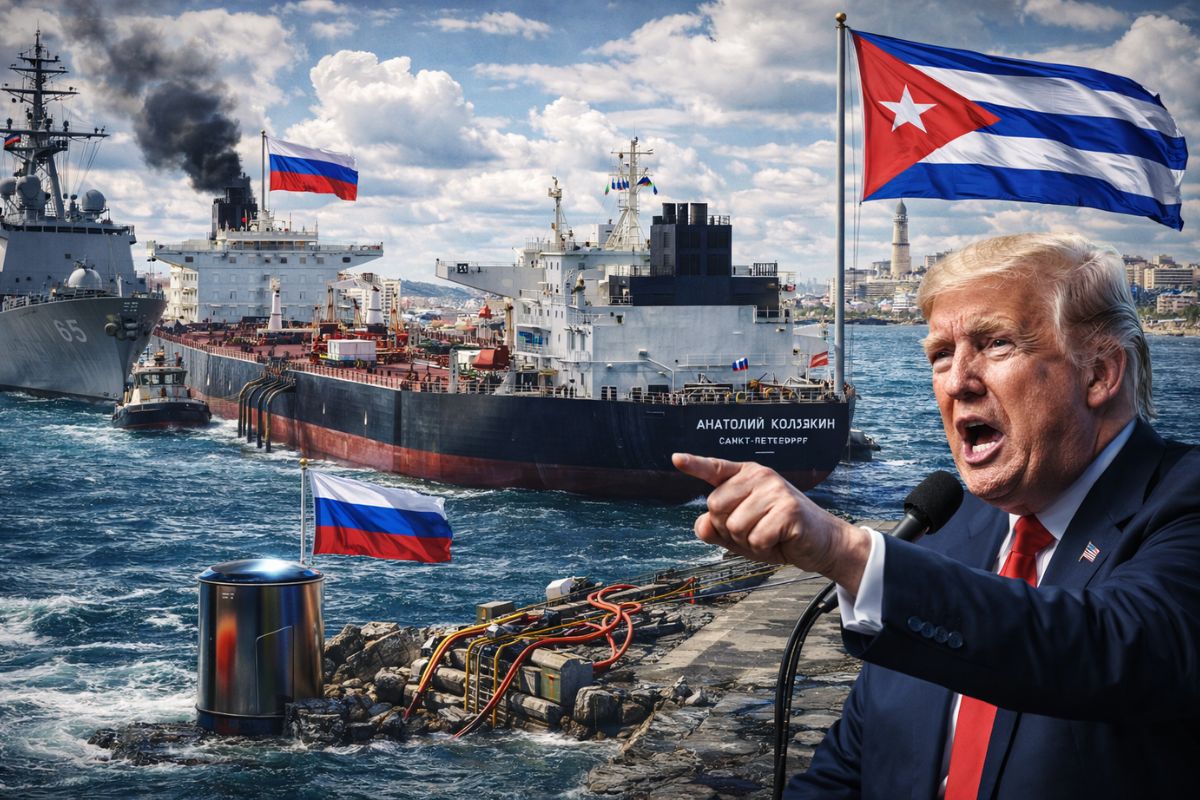
Russia has broken the U.S. maritime blockade to send oil to Cuba and is now loading a second ship while Trump says that “Cuba is next” in a possible military action against the island.
-
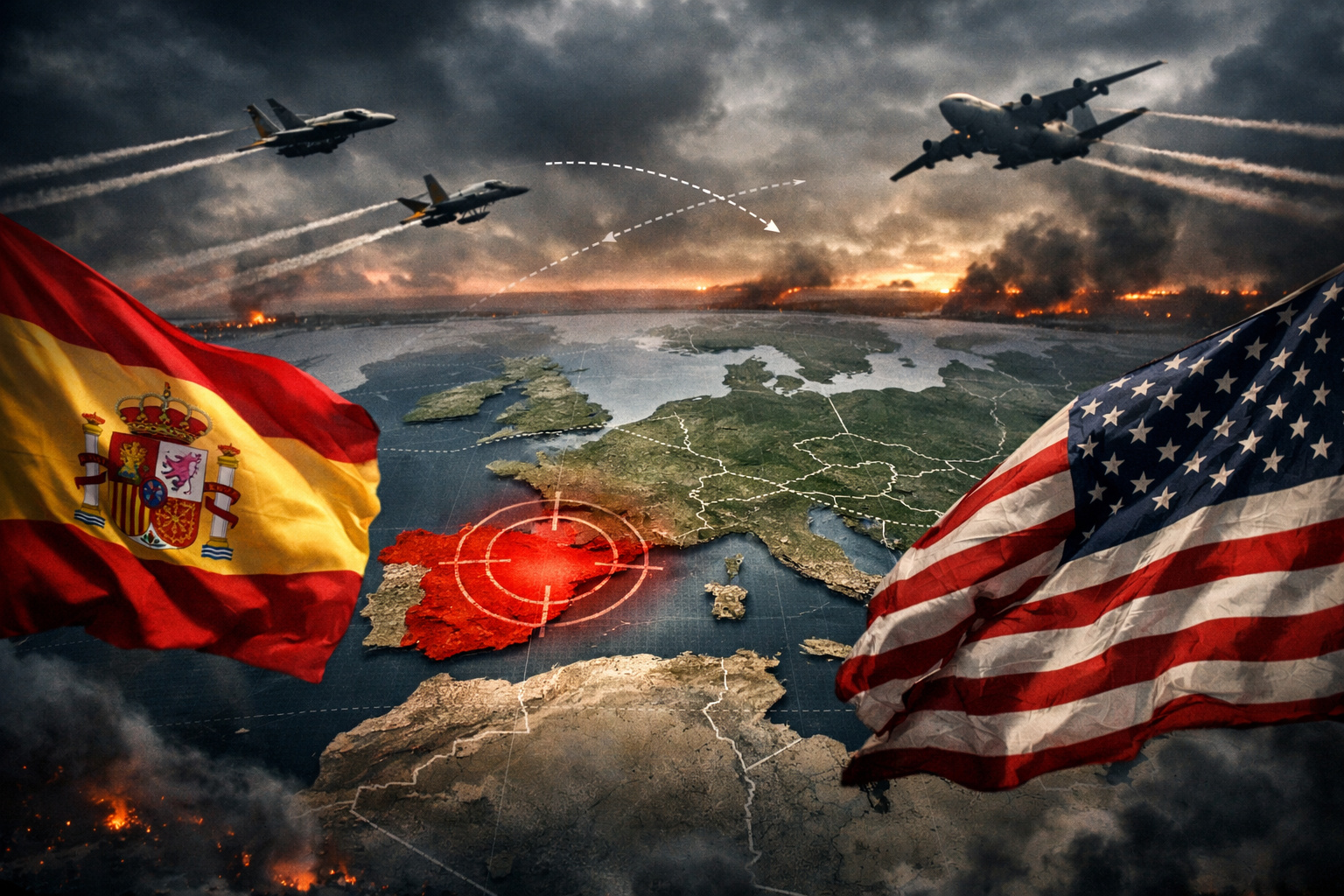
Spain challenges the USA and closes its airspace for operations against Iran, raising global tension and provoking the threat of a trade rupture.
-
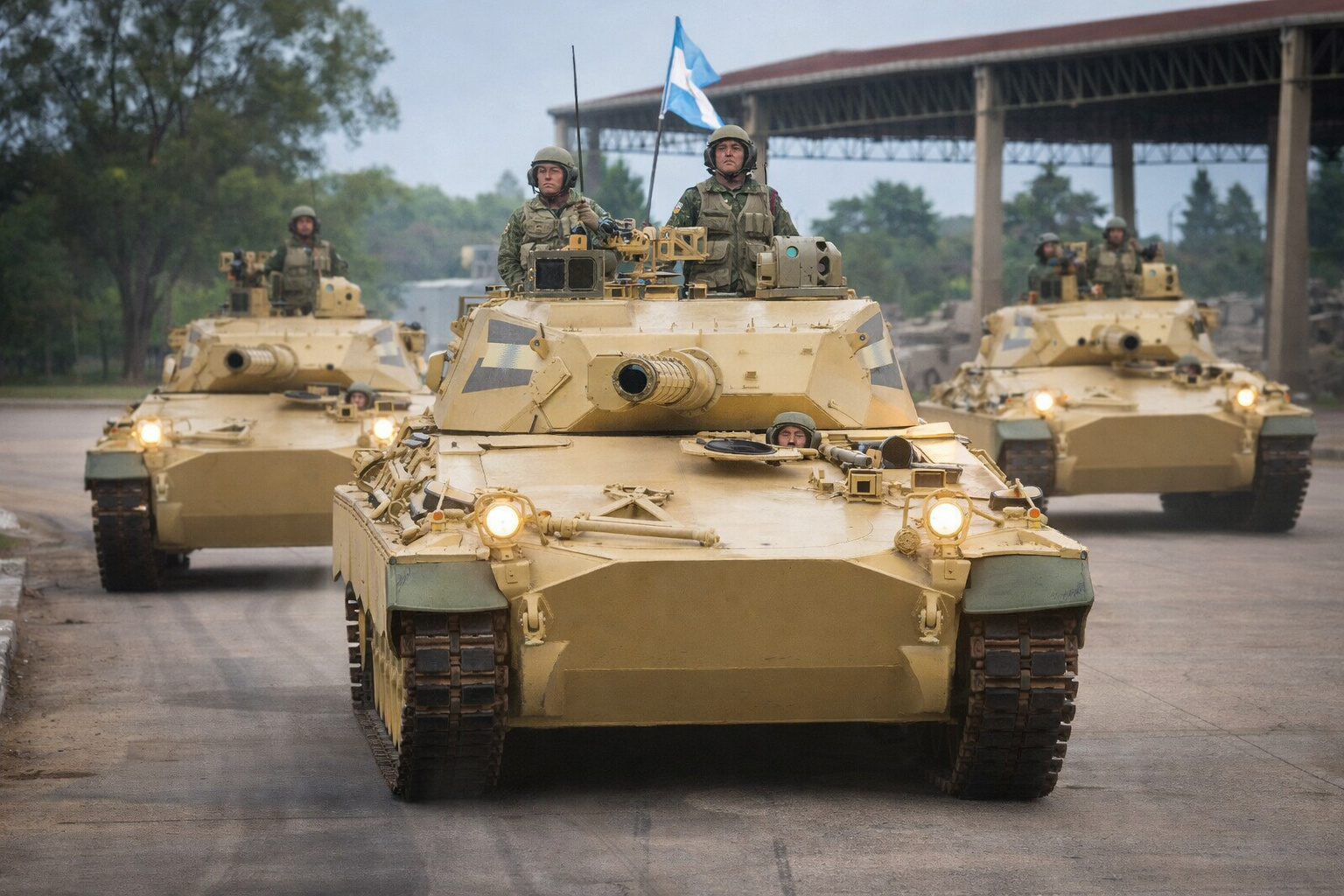
While no other country manufactures tanks in Latin America, Argentina activates the TAM 2C-A2 and raises a curiosity about the technological lag in the region.

Drone Over North Korea Generates Military Threat
Instability is not limited to words. On October 3, a drone flew over Pyongyang. According to the North Korean government, it was carrying political pamphlets against the regime.
The North Korean Ministry of Foreign Affairs accused Seoul of sending the equipment. They called the content “inflammatory rumors and political waste.” The reaction was immediate.
Kim Yo-jong, sister of Kim Jong-un and a prominent figure in the government, threatened retaliation. Any new incursion would be treated as a military act, she said. The response was harsh, making it clear that North Korea is prepared to take more aggressive measures.
South Korea Denies Involvement and Amplifies Distrust
On the other side, the South Korean Ministry of Defense denied direct involvement. They stated that the drones may have been sent by citizens, not by the state. This position made the situation even more confusing. The lack of a clear explanation increased distrust between the two governments.
Trash Balloons Cross the Skies of South Korea
But drones are not the only source of provocation. Since May, North Korea has launched over 5,500 balloons towards the south. They did not carry messages, but trash, feces, and even hazardous materials. That’s why they have been nicknamed “anger balloons.” The intention seems to be to instill fear, cause damage, and create instability.
On a normal morning in Seoul, one of these balloons exploded near a busy intersection. The scare was significant. The explosion caused minor damage and startled pedestrians.
No one knew what could come with the next balloons. Some caused fires. Others damaged infrastructure. The fear now is that they might carry even more dangerous payloads.
South Korean Response: Defensive Drones
In light of these risks, South Korea has promised to act. If a balloon causes a death or crosses certain boundaries, there will be a military response. The government is considering using its own drones to intercept and destroy the balloons before they touch the ground. The measure aims to protect the population and avoid tragedies.
South Balloons Also Cross the Border
This war of provocations has two sides. It’s not only the North Koreans launching balloons. Activists and groups from South Korea are also sending their own balloons north.
They carry pamphlets against the regime, K-pop songs, and even flash drives with videos and information. The idea is to destabilize Kim Jong-un’s government.
For North Korea, these actions are intolerable. They call it psychological warfare. They respond with force. One of the resources used is sending drones over Seoul.
In December 2022, five North Korean drones were detected in South Korean airspace. The military response was swift. Fighters were dispatched to intercept them.
Technology at the Center of the Conflict
These episodes show how technology has become a weapon of propaganda and intimidation. Drones and balloons have become symbols of a modern conflict.
The dispute is no longer limited to traditional weapons. It now involves information, fear, and constant surveillance. Both sides use these tools to advance their agendas.
Sabotage has also entered the equation. There have been episodes where North Korea has attacked critical infrastructure in the south. These are signs that dialogue channels have been cut off. Where there was once some openness for talks, today there is silence and threat.
Constant Provocations
The tension between the Koreas is a mirror game. Each provocation from one side generates a response from the other. Balloons face drones. Pamphlets face trash. The population on both sides lives with uncertainty. Small gestures can provoke large reactions.
The constant presence of these objects in the skies of both nations serves as a reminder that the conflict remains alive. It is not only political or military. It is also psychological. It is a struggle for narrative control, for superiority in information, and for fear.
No Truce in Sight
So far, there is no sign of a truce. The provocations continue, and the threats increase. With each new drone or balloon, the risk of something bigger happening grows. The world is watching, but peace seems distant.
Meanwhile, South Korea is reinforcing its defenses. North Korea is hardening its rhetoric. The exchanges continue, and the border remains a thin line between tension and conflict. The sky over the Korean Peninsula remains filled — with balloons, drones, and uncertainties.
With information from Jason Deegan.








Seja o primeiro a reagir!