





 Portuguese
  English
  Spanish
  3 min of reading



Studies Indicate That Bamboo Is a Potential Solution for Renewable Energy Production. Clean Energy from the Plant Can Be Generated via Pyrolysis and Fermentation.
A study conducted by the Hungarian University of Agriculture and Life Sciences recently showed that bamboo has been identified as a potential solution for global clean energy production. The study points out that bamboo’s rapid growth rate and carbon absorption potential make it a great renewable energy alternative worth considering.
Bamboo Can Be Converted into Fuel Through Fermentation and Pyrolysis
As the world seeks sustainable alternatives to fossil fuels, bamboo may hold the key to clean energy. Its uses can be widely varied, from furniture construction to paper production, making it a versatile plant that has been used by humanity for centuries.
According to the study, bamboo can be transformed into fuel through techniques like pyrolysis and fermentation, which convert the plant’s raw materials into biogas, bioethanol, and various other products related to renewable energy. This process is only possible due to the high cellulose content found in different bamboo varieties.
-
A Canadian retiree creates a hydroelectric system on a real river, generating energy continuously throughout the day and demonstrating how the power of water can supply a house with stability even in a simple structure.

-
Petrobras reaffirms its commitment to the market and ensures that it will carry out the energy transition safely to maintain national sovereignty.

-
Researchers discover a possible hydrogen deposit of up to 46 million tons beneath an ancient coal basin, and the volume could exceed half of the entire global production.

-
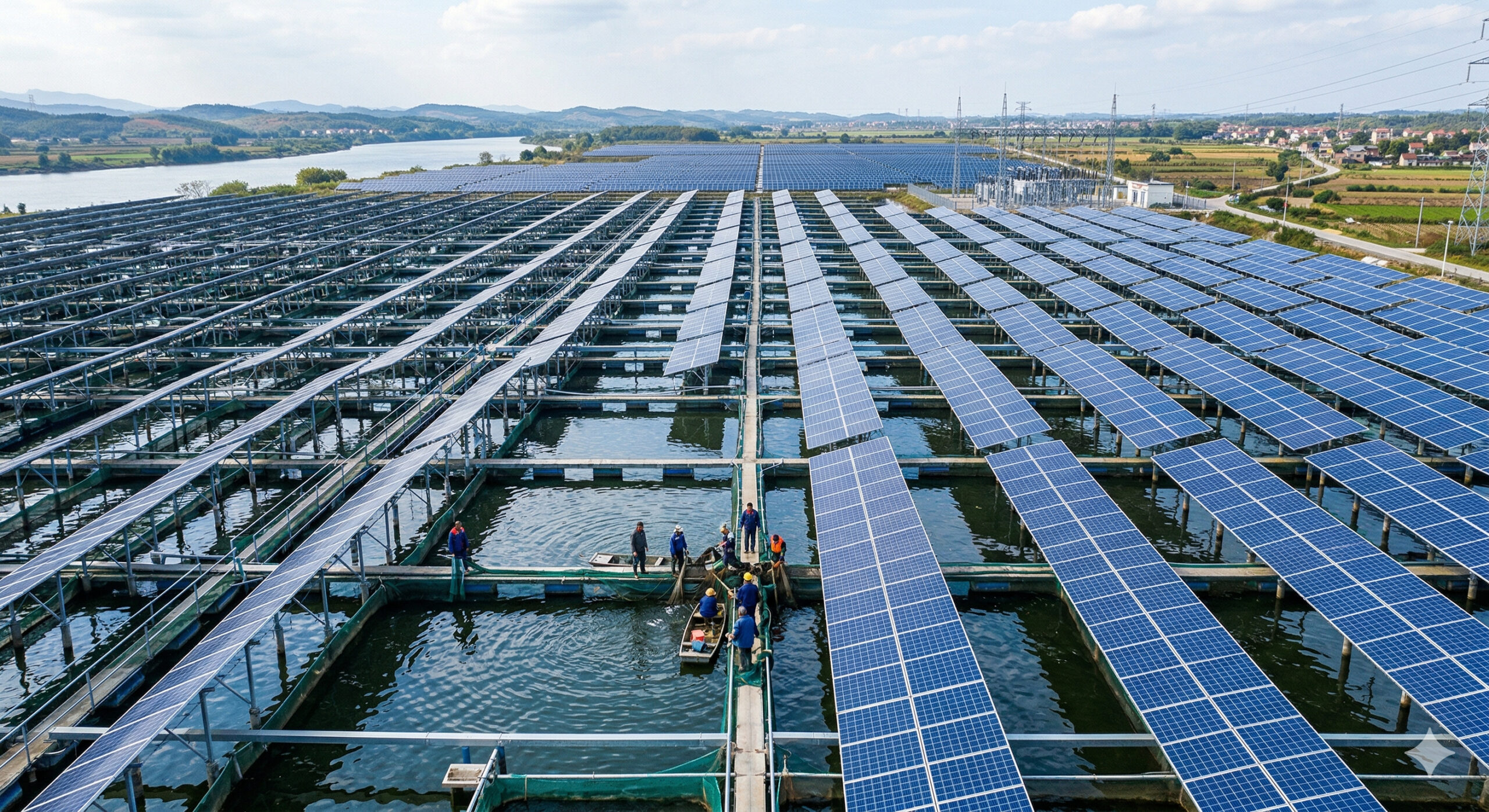
China bets on the Fishery-PV model and transforms fish farms into giant solar plants, covering ponds with panels that generate energy while utilizing the same space for large-scale aquaculture production.

Surprisingly, there are over a thousand species of bamboo found worldwide, each with its own chemical composition. The lead author of the study, Zhiwei Liang, emphasizes that future research to identify the most advantageous bamboo species will be essential, focusing on reducing costs and production time required for biomass generation.
Understand How the Process of Transforming Bamboo into Renewable Energy Works
Among the various elements extracted from nature, bamboo has shown significant positive impacts to replace high carbon footprint fuels, as a clean energy source. An important factor that differentiates bamboo from other plants is its growth rate, capable of reaching 1 meter per day. Scientists highlight that bamboo can reach maturity in just 4 months, growing over 30 meters tall.
This rapid growth allows bamboo to remove substantial amounts of carbon from the atmosphere and replace it with oxygen, making it clearly an excellent renewable energy option. The implications of this study are significant, as bamboo has the potential to contribute to the development of sustainable energy solutions worldwide. By leveraging its accelerated growth and carbon absorption capabilities, the energy sector.
Renewable Energy Emerges from Unexpected Sources
In addition to this study aimed at generating clean energy from bamboo, dairy producers in the state of Michigan, USA, forged a new partnership with Dairy Distiller in June, a distillery located in Ontario, Canada. The company, responsible for producing Vodkow, a drink developed from milk, is developing a project capable of transforming dairy byproducts into clean fuel.
In this process, the sugars from milk permeate, a product generated in the ultrafiltration phase, are converted into ethanol. The company, which until now used ethanol solely for vodka production, plans to expand its operations and begin supplying vehicles in the United States with clean fuel in the coming years.
To make this possible, the partner companies are investing approximately US$ 41 million in a new ethanol production facility from milk, which will be opened in 2025. The facility will be built near a Michigan Milk Producers Association location in Constantine, where 14,000 tons of milk permeate are produced annually.
The new facility will have the capacity to process this lactose-rich material and generate 2.2 million gallons of ethanol per year.










Seja o primeiro a reagir!