Portuguese
  Spanish


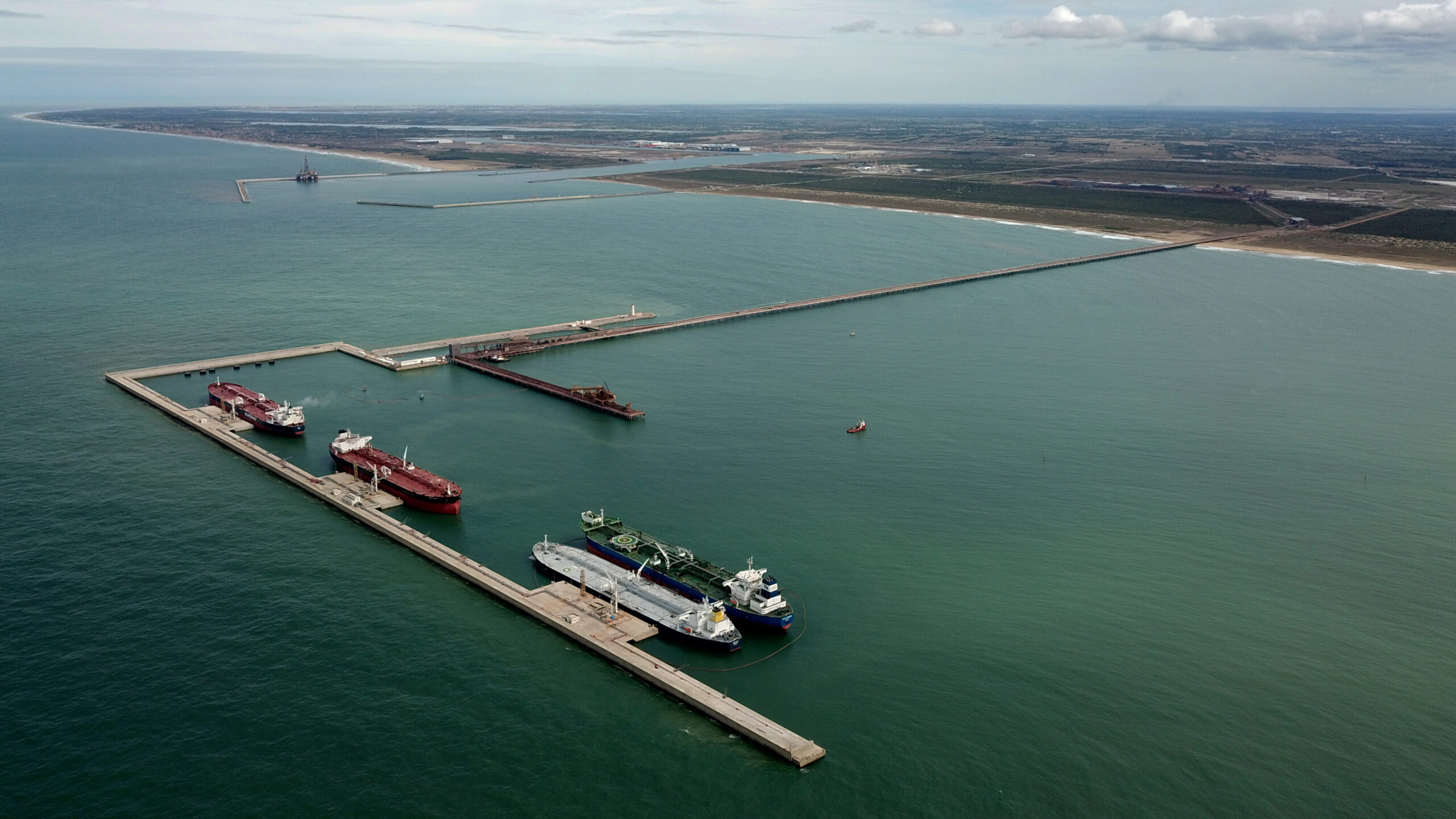

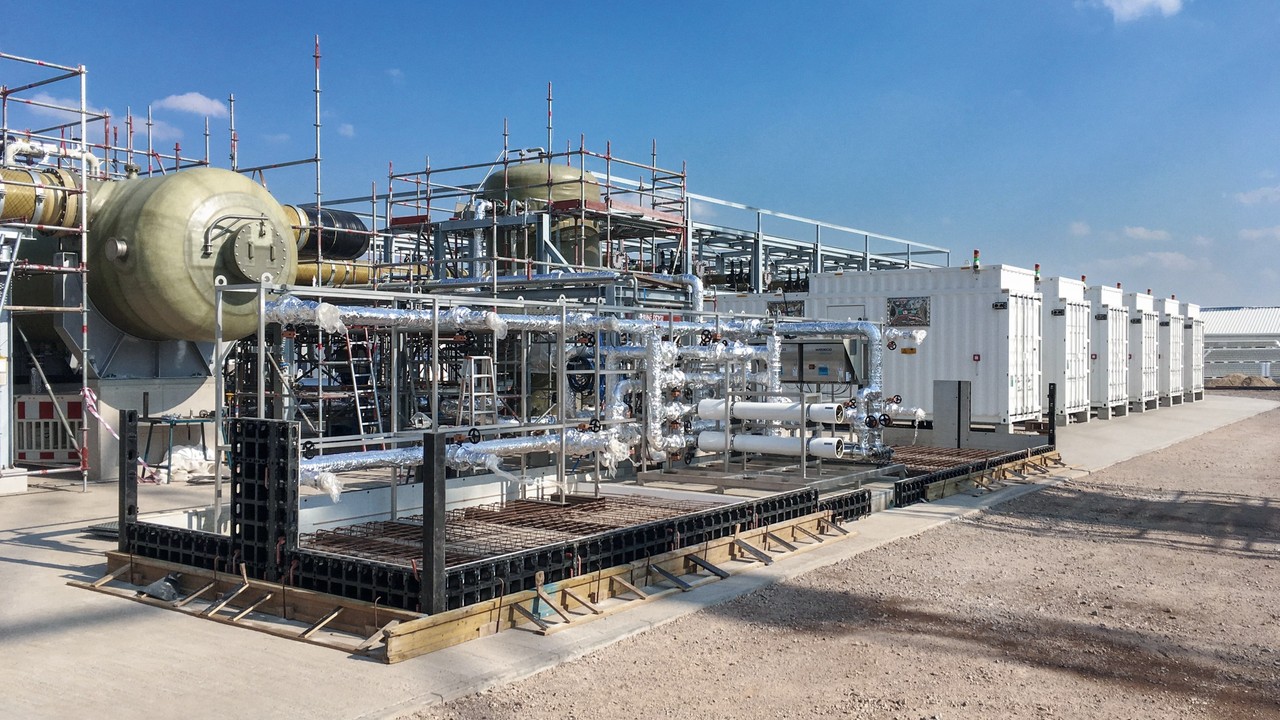
To Establish Itself as an Energy Transition Hub, Açu Port in Rio de Janeiro, Brazil, Is Developing New Energy Projects to Compete with Fossil Fuels, Such as Natural Gas, Solar and Wind Energy, and Green Hydrogen.
Recognized for the implementation of infrastructures and various companies, Açu Port, located in Rio de Janeiro, Brazil, was initially designed to support exploration and offshore production of oil and gas and mining. According to BNamericas, the port’s current goal is to become an energy transition hub by developing projects for natural gas, offshore solar and wind energy, as well as green hydrogen, all coexisting alongside the fossil fuel industry.
The Energy Transition Will Be Implemented in Various New Projects
Prumo Logística is the company responsible for the administration of this port. This company is a holding run by the American fund EIG, the main shareholder, as well as the Abu Dhabi Mubadala fund.
According to Prumo Logística’s CEO, Rogério Zampronha, both dominate several companies.
-
Brazil saved US$ 32.4 billion in 2025 by switching from fossil to renewable energy and only ranked behind China and the United States on the IRENA global podium.

-
Fired during apartheid and with a little borrowed money, an electrician started with a borrowed truck and transformed electrical services into a group connected to energy, real estate, and infrastructure in South Africa.

-
Wood has ceased to be just a construction material in Yale research and has become insulation for electrical transformers that face intense heat, aging, and increasing pressure from the renewable energy-powered grid.
-
More than 1,000 residents of a remote island in Kiribati now have clean water and electricity with solar systems operated by the community itself.


Such as Ferroport, which is a joint venture with Anglo American in the mining sector; GNA (Natural Gas Açu), which has 3GW of thermal power plants; Vast (formerly Açu Petróleo), which accounts for 40% of Brazil’s oil exports; and NfX, fuel logistics.
According to Zampronha, Açu Port was conceived with the intention of mining and supporting offshore exploration and production.
Only with the installation of several companies from the port was it possible to consolidate this industry.
“In my opinion, it is possible to find in Açu a set of elements that make the port the best energy transition point in Latin America. For a transition to happen, you need abundant and affordable renewable energy, as well as potable water,” details the CEO of Prumo Logística.
The CEO of Prumo Logística, responsible for Açu Port, States That the Port Location Is Strategic and Opens New Possibilities.
Rogério Zampronha also highlights that Açu Port is located close to the region of highest electricity consumption in Brazil, the southeast of the country.
Additionally, he states that the port has the capacity for the installation of an industry that manufactures blades, wind turbines, and foundations for offshore generators.
Regarding solar energy, the development agreement with Equinor stands out, expected to be operational by 2025.
There are also ongoing biomass projects aimed at the production of biogas and its derived products, such as biomethane, SAF (sustainable aviation fuels), and others.
“We have also approved a project to build a terminal for storing fossil fuels, biofuels, and electrofuels [such as ammonia and green methanol] for Vast,” he adds. Offshore wind energy is also included: “We have agreements with EDF, Neoenergia, TotalEnergies, and Equinor, and for green hydrogen with Shell, Linde, Neoenergia, EDF, and Comerc Eficiência.”
Zampronha adds that Prumo’s goal is to reduce the carbon footprint in the world and help Brazil accelerate its best, consisting of its people, its advantageous position, its stability, and the natural resources that integrate it.
Therefore, by developing projects for natural gas, solar and wind energy, and green hydrogen, which will coexist with fossil fuels, Açu Port will establish itself as an energy transition hub.