





 Portuguese
  English
  Spanish
  4 min of reading
  0 comments


Solar And Wind Energy Projects Funded By BNB With Resources From FNE Avoid 18.3 Million Tons Of CO₂, Boost Jobs, And Expand Energy Infrastructure In The Northeast.
The Bank of the Northeast (BNB) has taken a decisive step towards a more sustainable future by investing, solely in the year 2024, a total of R$ 4.4 billion in projects aimed at centralized clean energy generation. Of this amount, R$ 3.9 billion were contracted with resources from the Constitutional Fund for Financing the Northeast (FNE), directly boosting 47 large solar and wind plants distributed across the region. The environmental impact of this investment is colossal: it is estimated that these projects will avoid the emission of approximately 18.3 million tons of carbon dioxide equivalent (tCO₂e).
Towards Carbon Neutrality: Environmental Impact Equivalent To 6 Years Of The São Paulo Fleet
According to a technical analysis conducted by the Technical Office for Economic Studies of the Northeast (ETENE), a research arm of the BNB, only the 47 large plants contracted will avoid, over their 25 years of operation, the emission of 15.7 million tons of CO₂. To put this into perspective, this is equivalent to six years of total emissions from the car fleet of the city of São Paulo.
The thousands of self-generation projects financed with other lines of credit and diverse sources also significantly contribute to the decarbonization of the region’s energy matrix. The total estimate, summing all the fronts supported by the BNB, reaches 18.3 million tons of CO₂ avoided.
-
China bets on the Fishery-PV model and transforms fish farms into giant solar plants, covering ponds with panels that generate energy while utilizing the same space for large-scale aquaculture production.

-
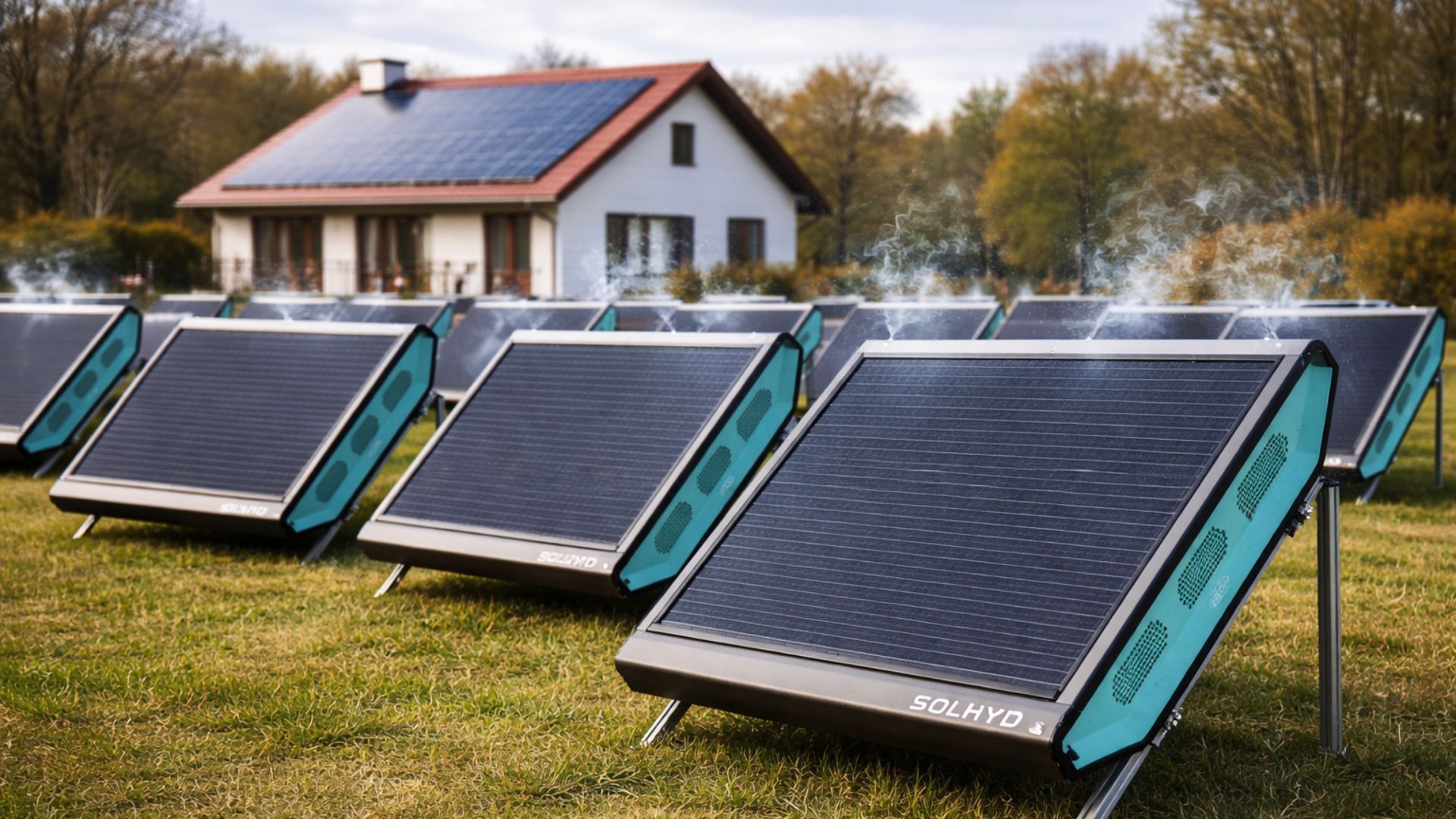
Green hydrogen at home: Belgium launches new technology that makes solar panels produce fuel from the moisture in the air, which could boost the energy transition.
-
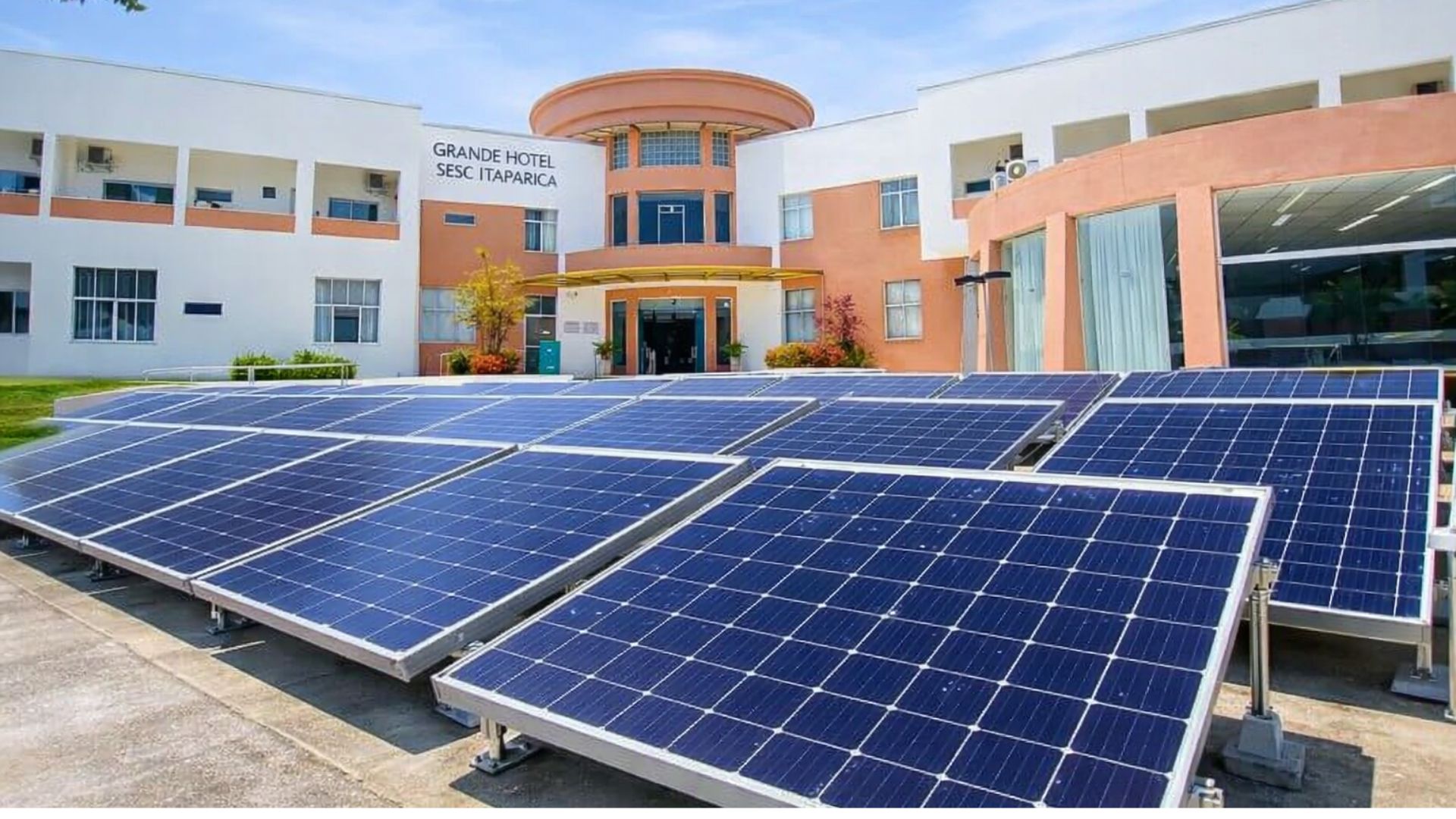
Sesc-BA bets on renewable energy with the support of EDP and drives the energy transition with a direct impact on cost reduction and the sustainability of its operations in Bahia.
-
Technology giant breaks global sustainability records: How Amazon’s leadership in renewable energy procurement transformed the global energy market in the past year.


Solar Energy Dominates New Projects Funded By FNE
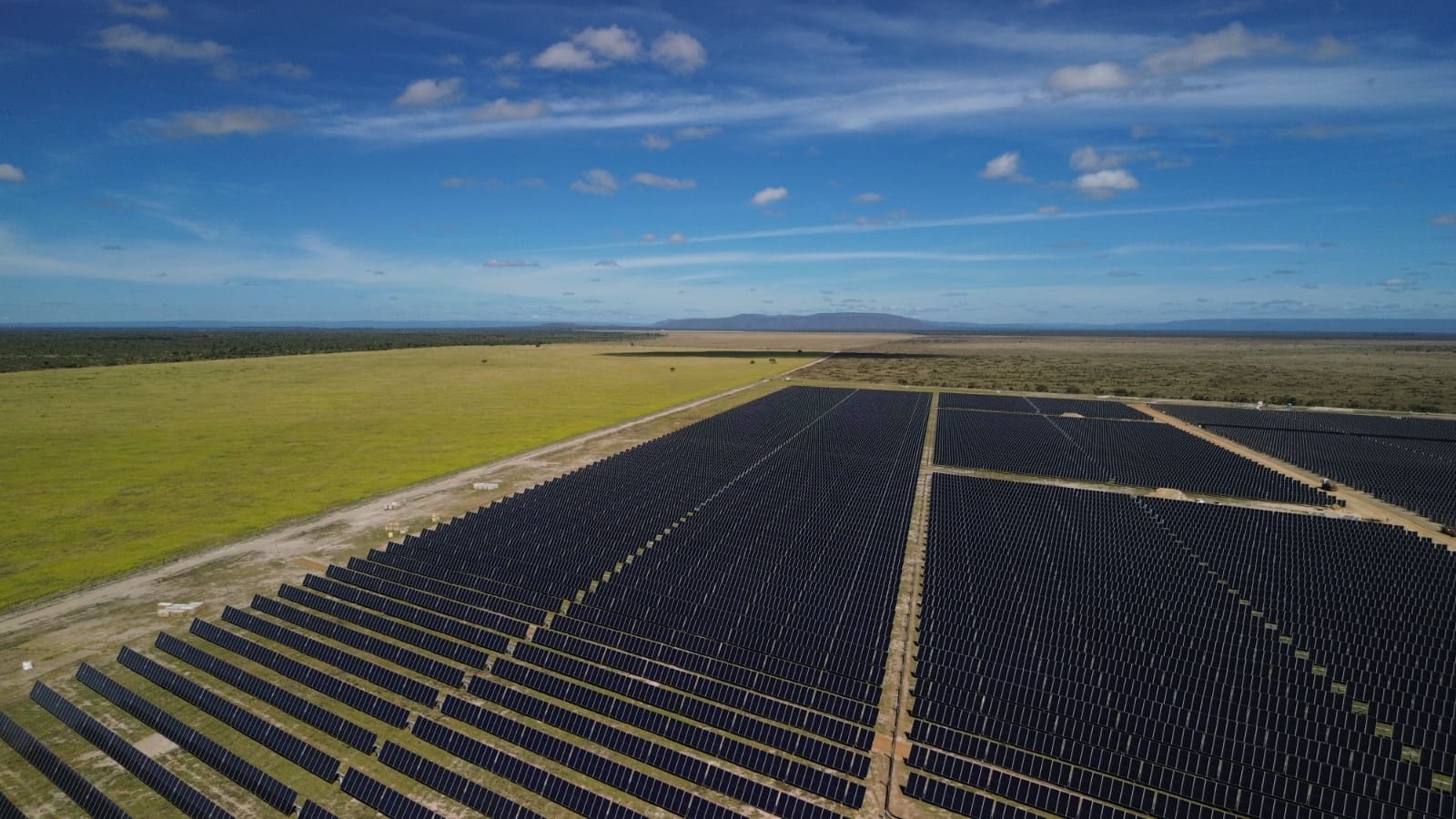
Among the enterprises financed in 2024, the highlight goes to the 44 solar parks, which received R$ 3.5 billion from the FNE and together are expected to generate 1,821 megawatts (MW) of installed capacity. The three contracted wind parks received R$ 371.8 million and add almost 110 MW to the region’s clean energy generation capacity.
This growth is strategic not only from an environmental perspective but also from an economic one, as highlighted by José Aldemir Freire, Planning Director of the BNB:
“With an investment of around R$ 250 from the FNE in clean energies, we avoid the emission of one ton of carbon dioxide into the environment. Furthermore, we are structuring an energy base that enables the installation of new industries and fosters sustainable development.”
Leverage And Job Creation: R$ 8.2 Billion In Total Investments
Another positive effect of the financing carried out by the Bank of the Northeast is the leverage of investments. While the FNE financed R$ 3.9 billion, the projects received another R$ 3.8 billion in contributions from the clients’ own resources and other credit sources. The result is an activated productive chain, generating direct and indirect jobs, contracting services, tax collection, and boosting the local economy. Freire explains:
“BNB’s credit not only enables projects but also catalyzes private investments that further amplify the positive impact on the region’s economy.”
Ecological Equivalence: 158,000 Reforested Football Fields
According to estimates from the ETENE team, the environmental impact of the projects financed in 2024 is equivalent to the carbon sequestration that would be obtained from the planting of 952 square kilometers of trees — or about 158,000 football fields. This comparison reinforces the strategic dimension of investments in clean energy, aligning the Northeast with the international commitments made by Brazil in the Paris Agreement.
Methodology Based On International Standards
The calculation of the avoided environmental impact is based on the “Calculator of Avoided And Removed Emissions” developed by the National Bank for Economic and Social Development (BNDES). This tool estimates the difference between the emissions that would occur with the use of the traditional energy matrix and the actual emissions from the new renewable energy projects.
The calculator uses the Emission Factor of the National Interconnected System (SIN), published by the Ministry of Science, Technology and Innovations (MCTI), and also considers the entire life cycle of the enterprises — from construction to operation. Economist Célia Colen, author of the study, states:
“The analysis is based on international accounting of environmental interventions, which ensures the robustness of the data and its global comparability.”
FNE As A Driver Of Energy Transition And Regional Development
Operated by the Bank of the Northeast, the Constitutional Fund for Financing the Northeast (FNE) is considered the main financial instrument of the National Policy for Regional Development (PNDR). In 2024, the FNE served more than 2,000 municipalities in the Northeast, financing everything from large plants to small distributed generation systems, promoting energy inclusion and socioeconomic development.
The FNE is also one of the pillars of the Regional Development Plan for the Northeast (PRDNE) and has become a key piece in meeting Brazil’s goals for reducing greenhouse gas emissions. By 2035, Brazil aims to reduce emission levels by 70%, and BNB’s investments using FNE resources are among the most relevant for this objective.
Clean Energy As A Vector For Transformation
In addition to the direct impact on the energy matrix, the financing from the Bank of the Northeast in clean energy helps to structure a new industrial base in the region, aimed at the so-called “green economy.” This includes opportunities in production chains such as the manufacturing of solar panels, wind turbines, energy storage systems, project engineering, civil construction, and asset maintenance.
BNB’s presence at international fairs, congresses, and forums has also intensified, with the aim of attracting foreign investments and consolidating the Northeast as a global reference in clean and sustainable energy.







Seja o primeiro a reagir!