





 Portuguese
  English
  Spanish
  5 min of reading
  0 comments


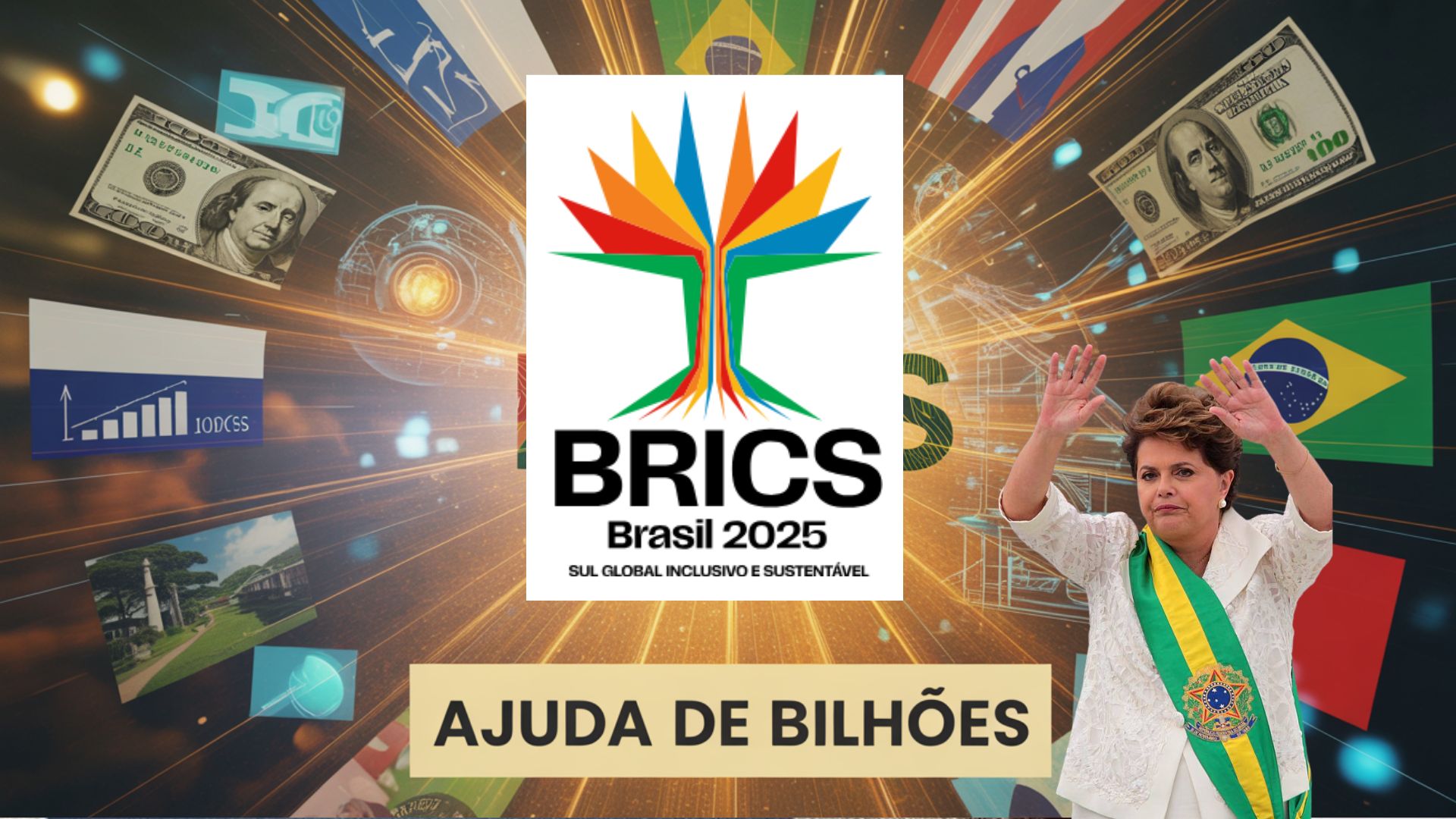
Institution Led By Dilma Rousseff Has Approved Billions Of Dollars In Investments For Brazil Since 2016, Focusing On Infrastructure, Energy Transition, And Technology, Expanding International Presence And Attracting New Countries To The Bloc.
The New Development Bank (NDB), known as the Brics bank and currently led by Dilma Rousseff, has approved nearly US$ 7 billion in investments for projects in Brazil since its founding in 2016.
According to the former president of the Republic, who has been at the helm of the institution since 2023, the amount corresponds to 29 initiatives within the national territory, with about US$ 4 billion already disbursed by July 2025.
The data was presented by Dilma during the 10th annual meeting of the Brics bank, held in Rio de Janeiro, which also featured participation from representatives of the member countries of the economic bloc.
-
“No one will make us change the Pix,” says Lula after the US report.

-
Lula responds directly to Trump and says that Pix is from Brazil and will not change under pressure from anyone, after a report from the United States pointed out the Brazilian payment system as an American trade barrier.

-
Amazon has just announced a new fee on all deliveries, and your online purchases will become more expensive starting April 17, including for those buying from the United States here in Brazil.

-
He sold his share for R$ 4 thousand, saw the company become a giant worth R$ 19 trillion, and missed the opportunity of a lifetime.


At the meeting, Dilma detailed that the investments approved for Brazil represent 17.5% of the total financed by the bank in all member countries, which is considered a significant percentage by the current administration.
Since its inception, the Brics bank has financed 122 projects in different nations, reaching US$ 40 billion in approvals. Of this amount, US$ 22.2 billion has already been effectively paid.
The Brazilian initiatives are mainly concentrated in the sectors of infrastructure, logistics, energy transition, and emerging technologies, such as artificial intelligence, as reported by the bank’s president.
Investments And Priority Areas In Brazil
One of the central objectives of the NDB is to increase financing and the raising of resources in local currencies from member countries.
The strategy aims to reduce the bank’s exposure to international interest rate and currency volatility, as well as strengthen the domestic capital market.
Dilma Rousseff emphasized the importance of this guideline, arguing that support for national projects depends on the ability to offer credit lines with lower risk for both governments and the private sector.
“This item is very important for the bank.
We need to aggregate sovereign and private loans, ensuring the lowest risk possible,” explained the leader during a conversation with journalists.
Another point emphasized by the NDB presidency is the need to use local currencies in financial transactions.
According to Dilma, the use of different currencies is essential to meet the institution’s goals with the private sector, as it reduces risk for investors.
She highlighted that, although there is a trend towards increased use of national currencies in trade between countries, there is not a clear movement towards the de-dollarization of the international market.
The US dollar, according to Dilma, remains the main store of value asset.
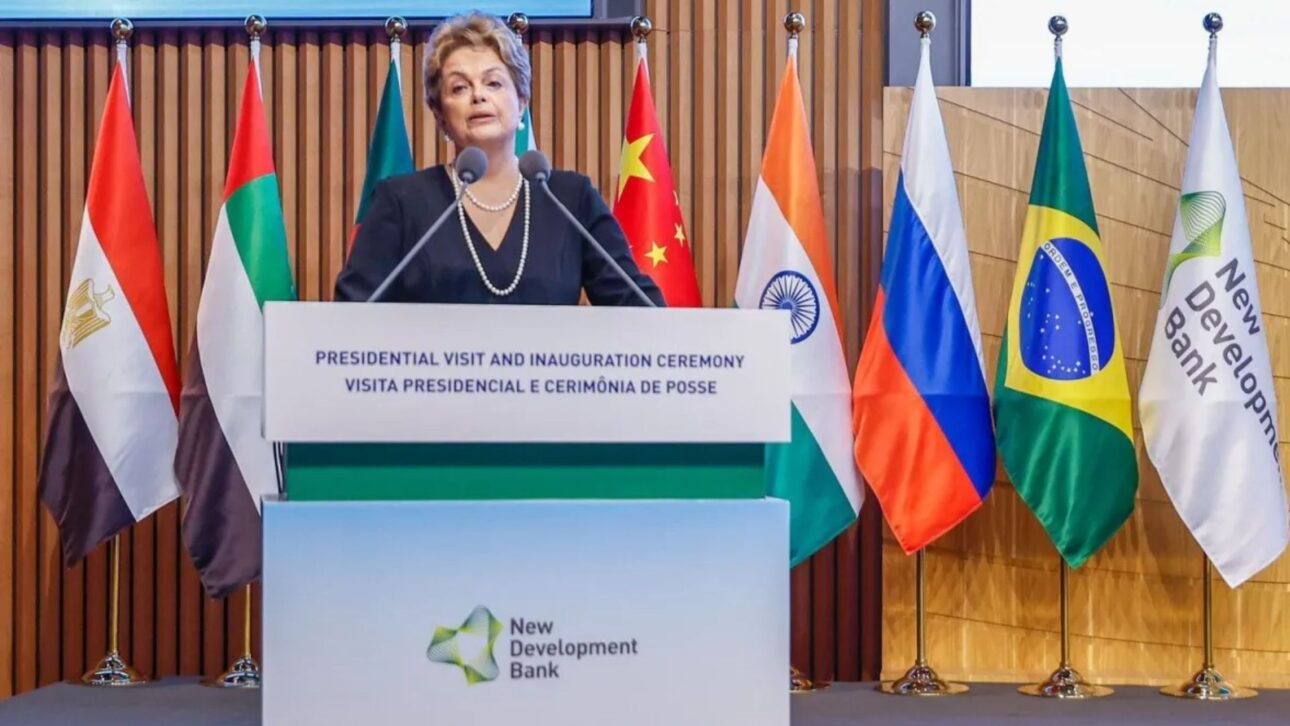
Local Currencies And The Debate On De-Dollarization
The topic of currency diversification was also emphasized by President Luiz Inácio Lula da Silva, who attended the NDB meeting the day before.
In his speech, Lula advocated seeking alternatives to the US dollar for transactions among Brics members, composed of Brazil, Russia, India, China, and South Africa.
Lula mentioned the importance of increasing the use of local currencies, but acknowledged that creating a common currency for the bloc still faces internal resistance, especially in light of recent positions from US authorities.
The discussion about a common currency for the Brics group gained prominence after statements by US President Donald Trump in January 2025.
The American threatened to impose 100% tariffs on bloc countries if they move forward with creating an exclusive monetary unit, which raised caution among the members.
Despite this, China and Russia continue to support the increasing use of national currencies as a way to minimize dependence on the dollar, especially in light of economic and financial sanctions imposed on the Russian government by the United States and the European Union.
Expansion Of The Bank And New Members
In addition to advancements in financing and discussions about currencies, the NDB has also recently expanded its group of associated countries.
During the meeting in Rio de Janeiro, the institution’s board of governors approved the inclusion of Uzbekistan and Colombia as new members.
With this, the NDB now includes seven member countries, in addition to the founders and the already associated Bangladesh, United Arab Emirates, Egypt, Uruguay, and Algeria.
Dilma Rousseff emphasized that the expansion of the Brics bank is a strategic priority.
The entry of new members strengthens the NDB’s international reach and diversifies the possibilities for financial cooperation among emerging and developing economies.
For the bank’s presidency, the accession of more countries is essential to consolidate the NDB’s role as an alternative to traditional financial institutions and to promote infrastructure and technological innovation projects.

Role Of The Brics Bank In Brazilian Development
In the global context, the Brics bank stands out as one of the main multilateral institutions created in the 21st century to finance sustainable development and reduce regional inequalities.
The focus on infrastructure, renewable energies, and innovative technologies has attracted the attention of countries seeking alternatives to conventional financing and wishing to strengthen their internal markets in the face of fluctuations in the international economic landscape.
In the Brazilian context, the projects supported by the Brics bank range from urban mobility works to investments in clean energy sources, with a direct impact on job creation and sustainable growth.
The progress of these financings is seen as a strategic opportunity for Brazil to diversify its funding sources and stimulate the modernization of key sectors of the economy.
Against this backdrop, how do you evaluate the role of the Brics bank, under the leadership of Dilma Rousseff, in developing strategic projects for Brazil?
Which sector should be prioritized in the coming years to further strengthen the country’s presence on the international stage?








Seja o primeiro a reagir!