





 Portuguese
  English
  Spanish
  5 min of reading
  0 comments


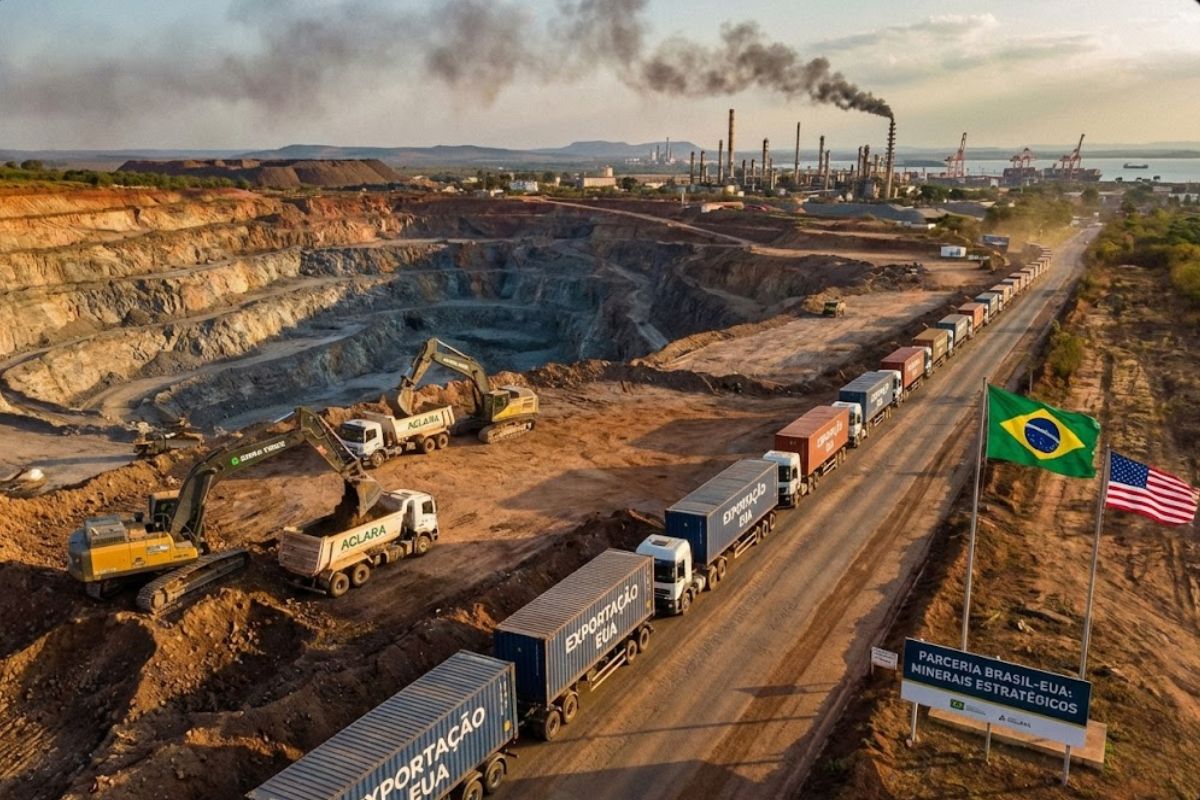
DFC Movement in Goiás Highlights Serra Verde and Aclara in the U.S. Strategy to Reduce Dependence on China, Ensuring Outflow of Brazilian Rare Earths and Moving Refining Abroad, While Brasília Still Negotiates Processing Rules and Counterparties Before Any Official Bilateral Agreement Between Governments.
Recently, DFC contracts with mining companies in Goiás have put Brazilian rare earths at the center of an industrial dispute that is advancing without a formal agreement between the Brazilian and U.S. governments. The financial architecture paves the way for U.S. buyers to have priority access to part of the production.
The package involves Serra Verde, the only active rare earths operation in the country, and Aclara, which is at an advanced project stage in northern Goiás. The agreements include loans with the possibility of conversion to equity and, in Aclara’s case, the announcement in October of a refinery in the United States by 2028, shifting added value out of Brazil.
Why DFC Entered Rare Earths

The DFC (Development Finance Corporation) is a U.S. government-owned bank that finances projects outside the U.S. and states that its investments seek to counterbalance Chinese influence in strategic supply chains.
-
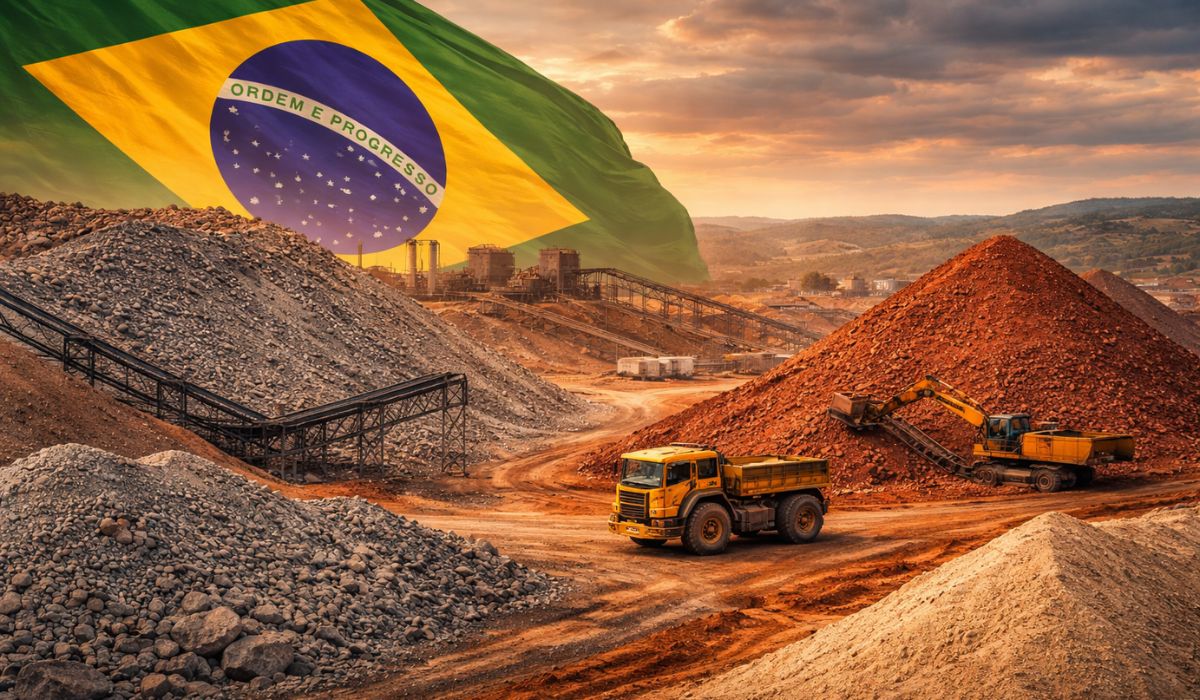
Brazil extracts 26.3 million tons of ore from what was previously treated as waste, transforming residues into wealth, producing over 3 million tons of sand, and demonstrating how national mining is relearning to generate value.
-
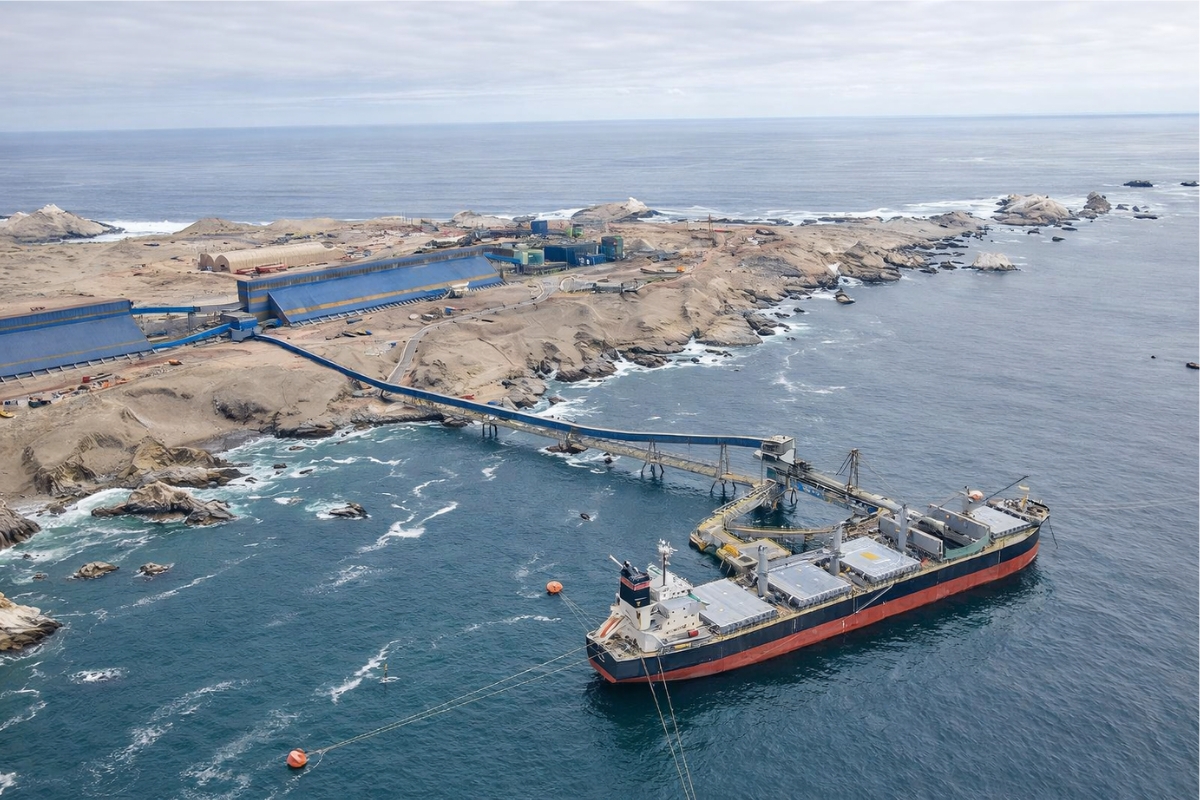
A $3.5 billion megaproject in Latin America pumps desalinated seawater at 1,050 liters per second over 194 km to keep a copper supermine in the Andes operational for another 20 years.
-
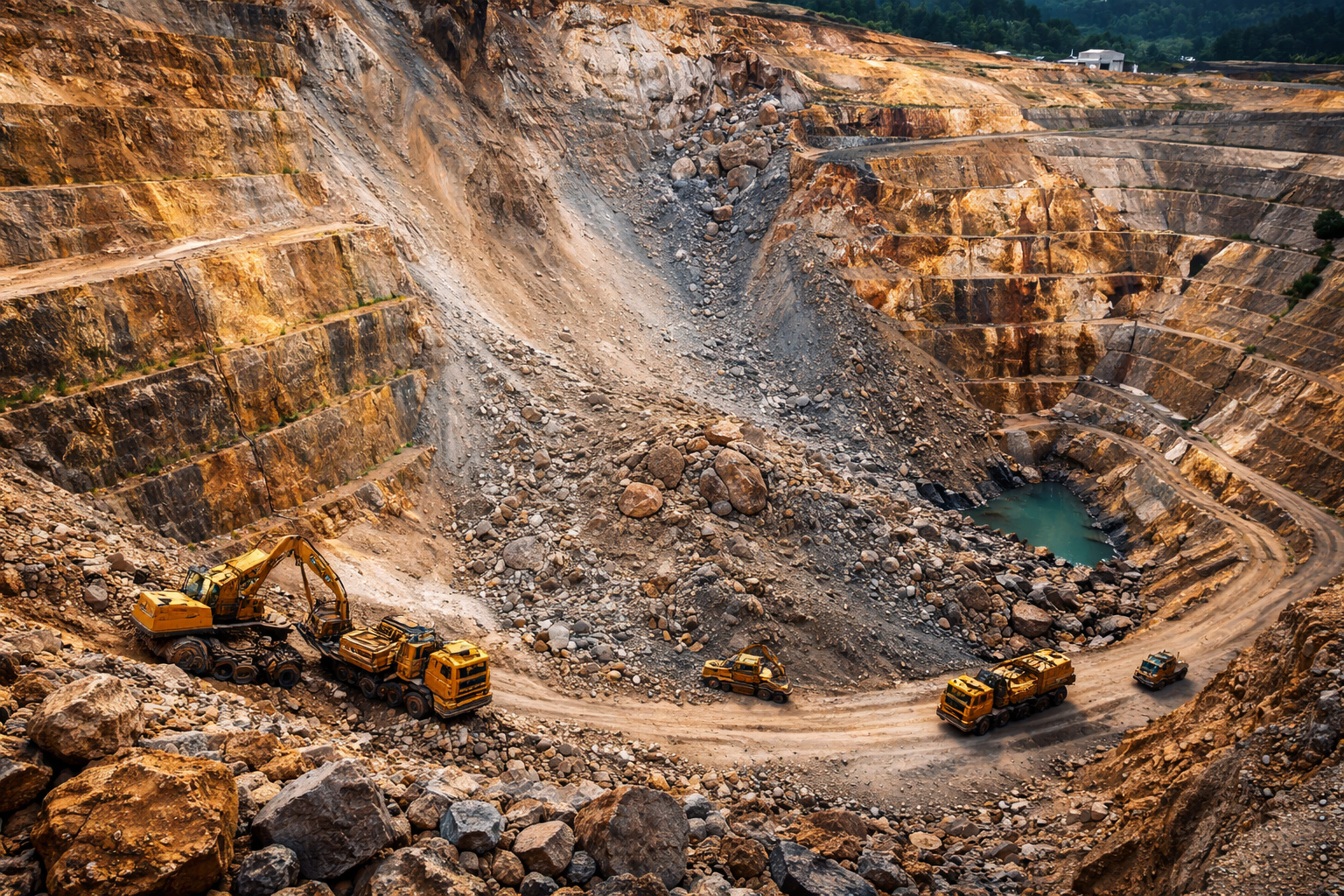
A hidden mine in the Andes valued at nearly R$ 1 trillion is starting to attract global attention, containing copper, gold, and silver, and raises an intriguing question: why do Argentina and Chile need to act together to exploit this gigantic wealth?
-
A silent discovery in the interior of Bahia could change the future of energy in Brazil: a uranium reserve in Lagoa Real has an estimated capacity to produce 400 tons per year and is already attracting the attention of energy sector specialists.
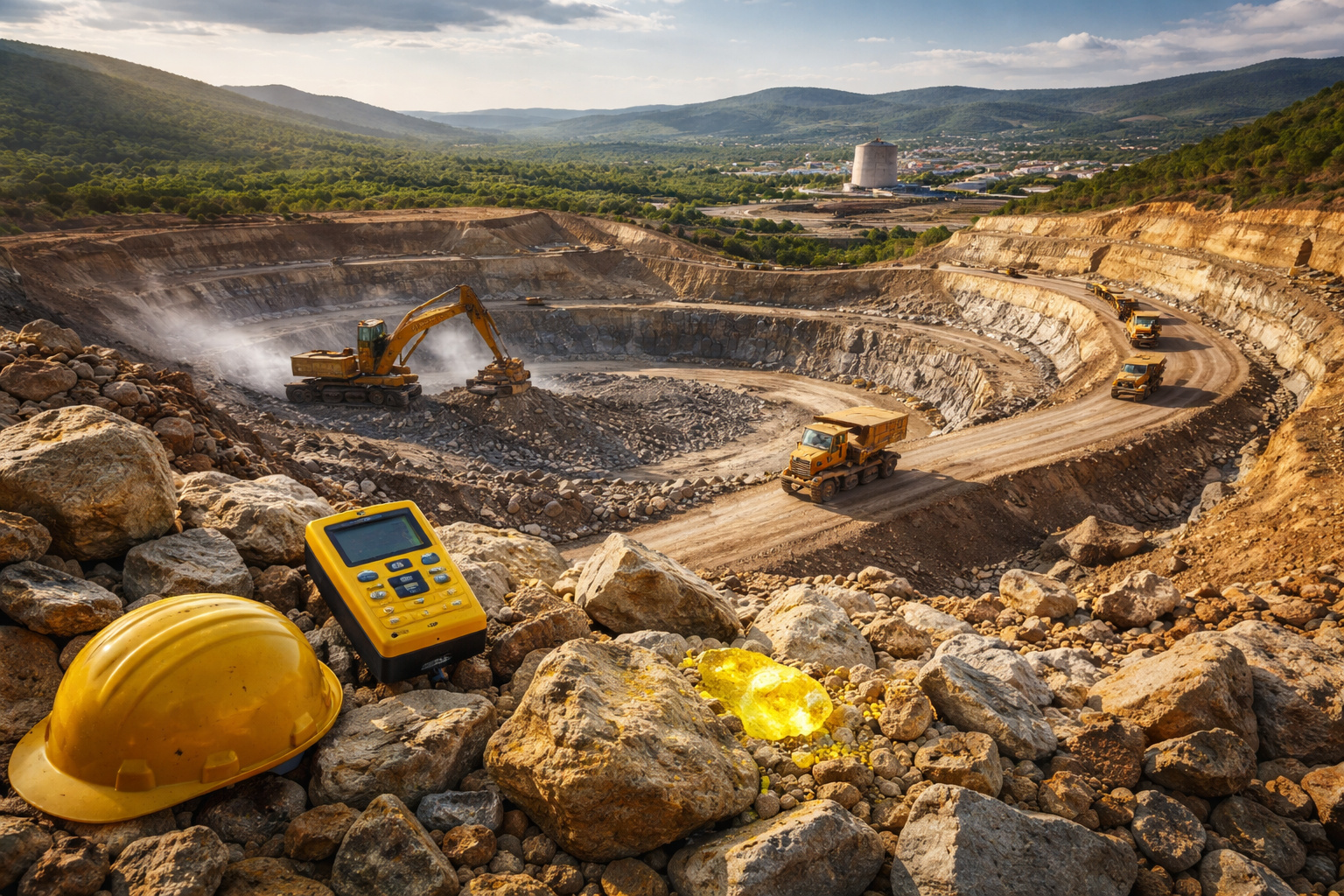

In the case of rare earths, the stated goal is to expand suppliers outside of China, which concentrates 60% of global extraction and 90% of refining capacity.
The DFC’s entry into projects in Brazil occurs before any official agreement between governments on critical minerals.
This anticipation reduces Brazil’s negotiating margin regarding counterparties such as local processing, technology transfer, and industrial policy associated with Brazilian rare earths.
Serra Verde: US$ 465 Million to Expand Production in Goiás
According to Folha de S. Paulo, Serra Verde announced in November a loan of US$ 465 million (R$ 2.5 billion) from the DFC to enable the expansion of the mine in northern Goiás.
The contract has not been disclosed, and industry observers believe it is likely that there are commercial commitments tied to directing part of the production to the American market.
In an interview in early December with Reuters, the president of Serra Verde, Thras Moraitis, stated that the company restructured contracts with Chinese clients to allow part of the production to go to Western clients.
The key point is that the exported concentrate is a step prior to refining, with less added value than oxides and separated products.
Serra Verde plans to produce 5,000 tons of contained oxide in rare earths concentrate by early 2027 and reach 10,000 tons by 2030.
The DFC financing is described as the mechanism to accelerate this production curve in Goiás.
Aclara: US$ 5 Million, Feasibility Study, and Refinery Outside Brazil
Aclara closed a financing deal in September for US$ 5 million (R$ 27.05 million) with the DFC, also with the possibility of conversion to equity, to complete the feasibility study of its mine in northern Goiás.
In October, Aclara announced it will build a refinery in the United States by 2028 to separate the concentrate produced in Brazil.
According to the company, the refinery aims to meet over 75% of U.S. demand for heavy rare earth elements for electric vehicles by 2028.
Projected investments for the plant in the U.S. are US$ 277 million (R$ 1.5 billion), below the US$ 680 million (R$ 3.7 billion) projected for the project in Goiás.
In a statement, Aclara stated that the contract with the DFC does not guarantee future investments or imposes an obligation to direct production to U.S. buyers.
The practical divergence lies in the location of processing: processing outside the country reinforces the U.S. industrial position, even though the ore comes from Brazilian rare earths.
Refining is the Strategic Step and Today China Dominates
Currently, Chinese refineries and one in Malaysia are capable of separating rare earth elements at an industrial scale, a necessary step to obtain oxides used in the automotive and defense industries.
U.S. companies, with government support, are investing billions to create alternatives, and DFC financing acts as leverage to accelerate this movement.
For Brazil, the context is sensitive: the country holds the third-largest rare earth reserve in the world, behind China and Vietnam.
When refining happens abroad, a significant portion of the added value and industrial learning also leaves the reach of public policies and clusters in Goiás.
Brazilian Government Wants Local Processing and Negotiations Remain Open
President Luiz Inácio Lula da Silva indicated that generating added value in Brazil would be a condition for a possible agreement with the U.S. on critical minerals.
Brazilian authorities were in the U.S. in early December to discuss the issue, but there is no indication of an imminent agreement, according to the dynamics reported by interlocutors.
The Ministry of Mines and Energy stated that it maintains continuous dialogue with strategic partners about critical and strategic minerals.
A possible model mentioned in the debate is the agreement between the U.S. and Australia, signed in October, in which the Americans committed to invest US$ 8.5 billion in the processing of critical minerals in the Oceanian country.
What the U.S. Seeks Beyond Money and Why This Affects Bargaining
Experts consulted by those following the matter point out that to receive funding from the DFC, a company tends to accept clauses that ensure part of the production is directed to the United States.
Although the final wording may vary, the economic effect is to bring U.S. supply and demand closer before the bilateral table.
Executive Erasto Almeida of Safe assessed that agreements between governments are not essential for projects to advance, given that Brazilian mining is open to foreign investment.
On the American side, people involved in the matter stated that the Trump administration is interested in agreements that ensure priority for American companies in offers of critical minerals extracted in Brazil or in auctioned reserves, citing the agreement signed in early December with the Democratic Republic of the Congo as a reference.
The advancement of the DFC over Serra Verde and Aclara in Goiás changes the pace of the dispute over industrial chains of Brazilian rare earths by anticipating access to production and concentrating refining outside the country.
The decision left for Brazil is to transform reserve into industry before the commercial and technological advantage solidifies.
To keep track of the topic, monitor the upcoming announcements on capacity, licenses, and investments in processing in Brazil, as well as bilateral negotiations in 2026.









-

Uma pessoa reagiu a isso.