





 Portuguese
  English
  Spanish
  4 min of reading
  0 comments


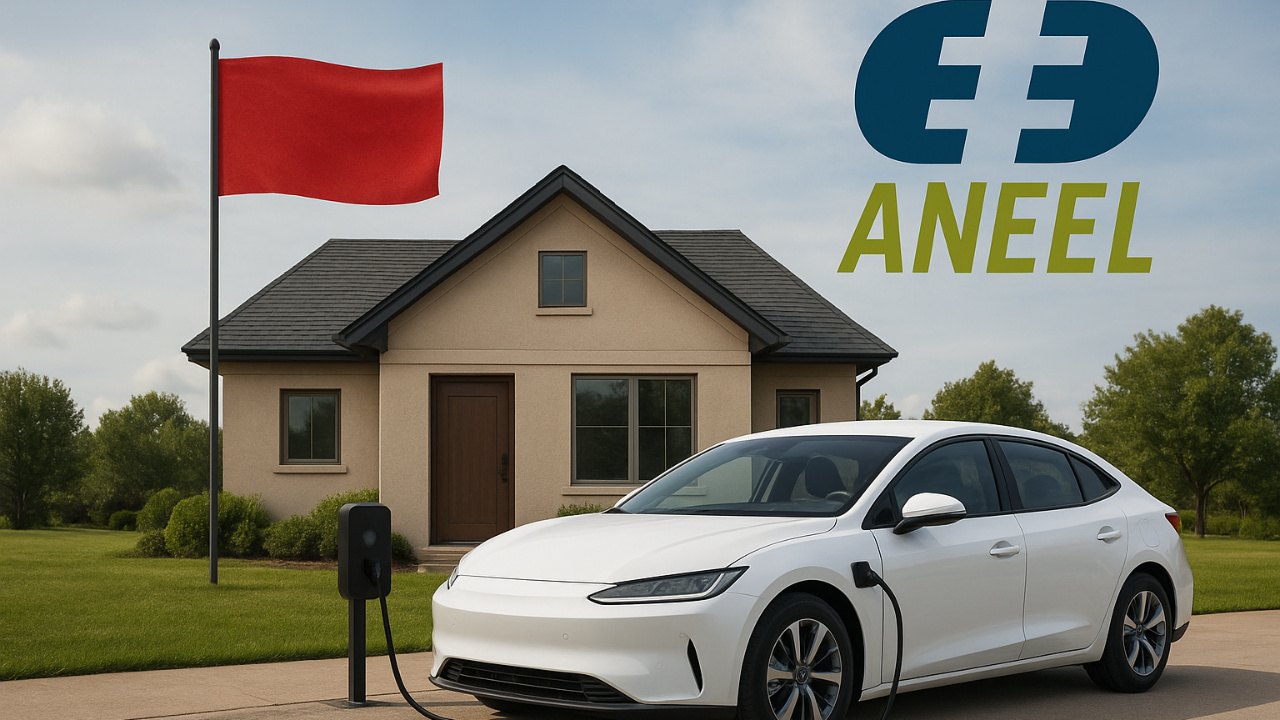
The Red Flag At Level 2 Pressures Electricity Bills and Hits Hard for Those with Electric Cars, Raising the Cost of Residential Charges Amid Low Reservoir Levels and Activation of Thermal Power Plants.
The National Electric Energy Agency (Aneel) confirmed that in September, the electricity bill will continue to bear the weight of the red flag at level 2. The decision arises due to the scarcity of rainfall, which left the reservoirs of hydroelectric plants below expectations and forced the activation of thermal power plants, which have a higher generation cost.
As a result, every 100 kWh consumed will have an increase of R$ 7.87, in addition to a charge of about R$ 0.08 per additional kWh. Although the tariff affects all consumers, the most harmed are those who own electric or plug-in hybrid cars, as recharging these vehicles requires significant amounts of electricity.
Electric Car Suffers Direct Impact from Red Flag
The batteries of electric cars vary widely, but many models sold in Brazil have a capacity of 60 kWh to 100 kWh. In practical terms, one or two full recharges are already enough for the consumer to strongly feel the impact of the red flag on their electricity bill.
-
The German economist Wolf-Peter Schill has no doubts: “Electric cars are already far superior to cars with internal combustion engines.”

-
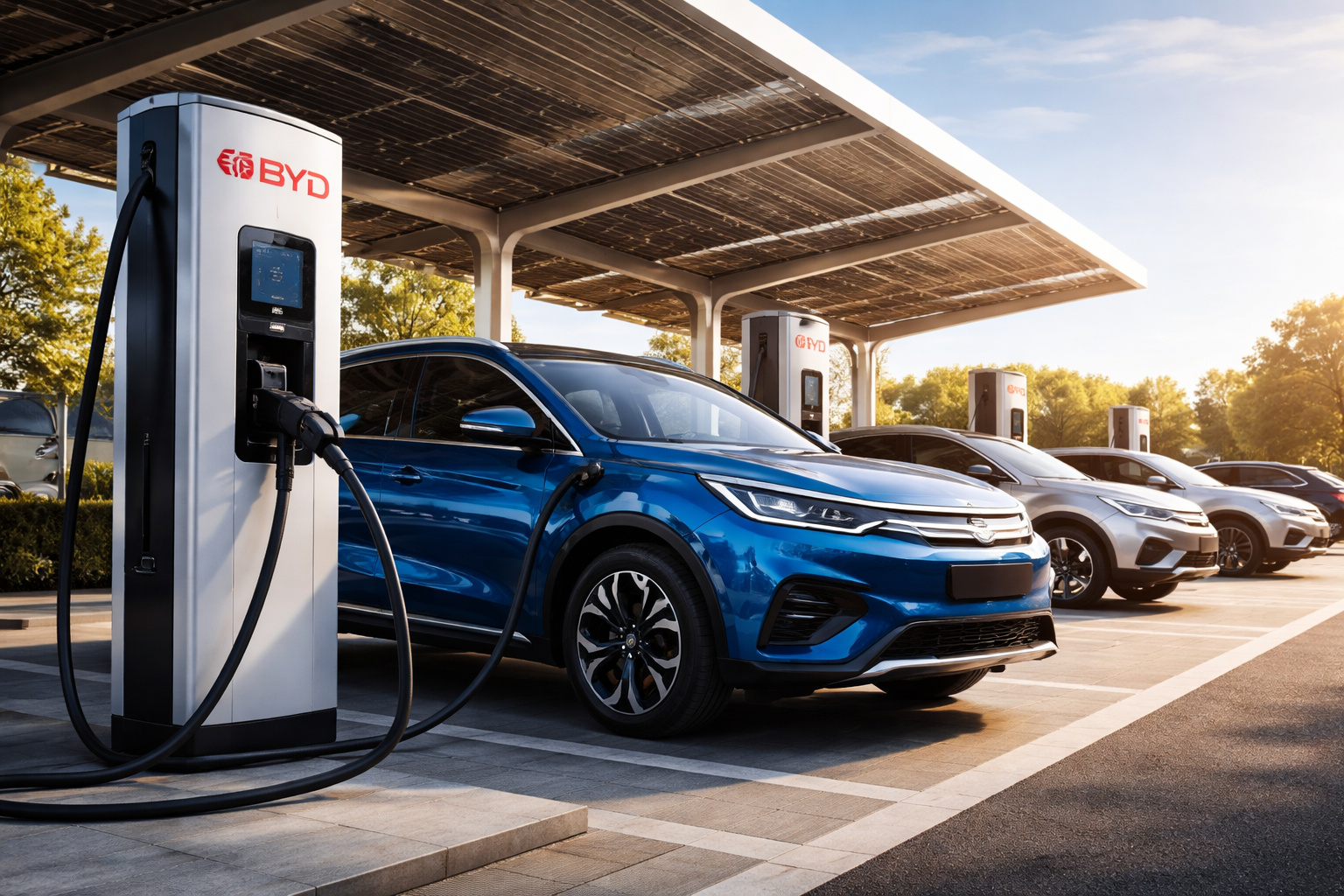
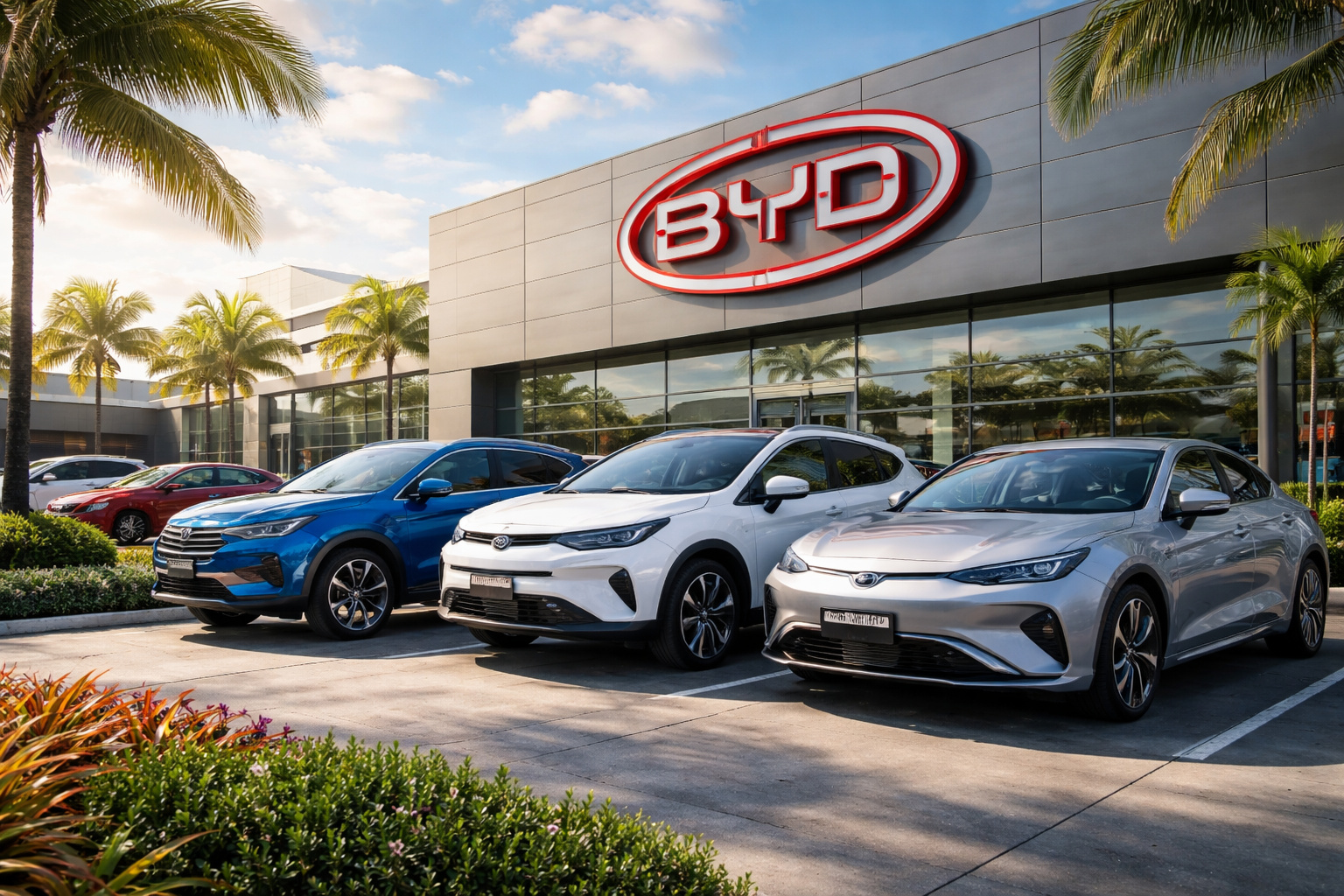
Largest public charging network in Brazil: BYD reaches 125 fast chargers and accelerates national expansion of electric mobility.
-
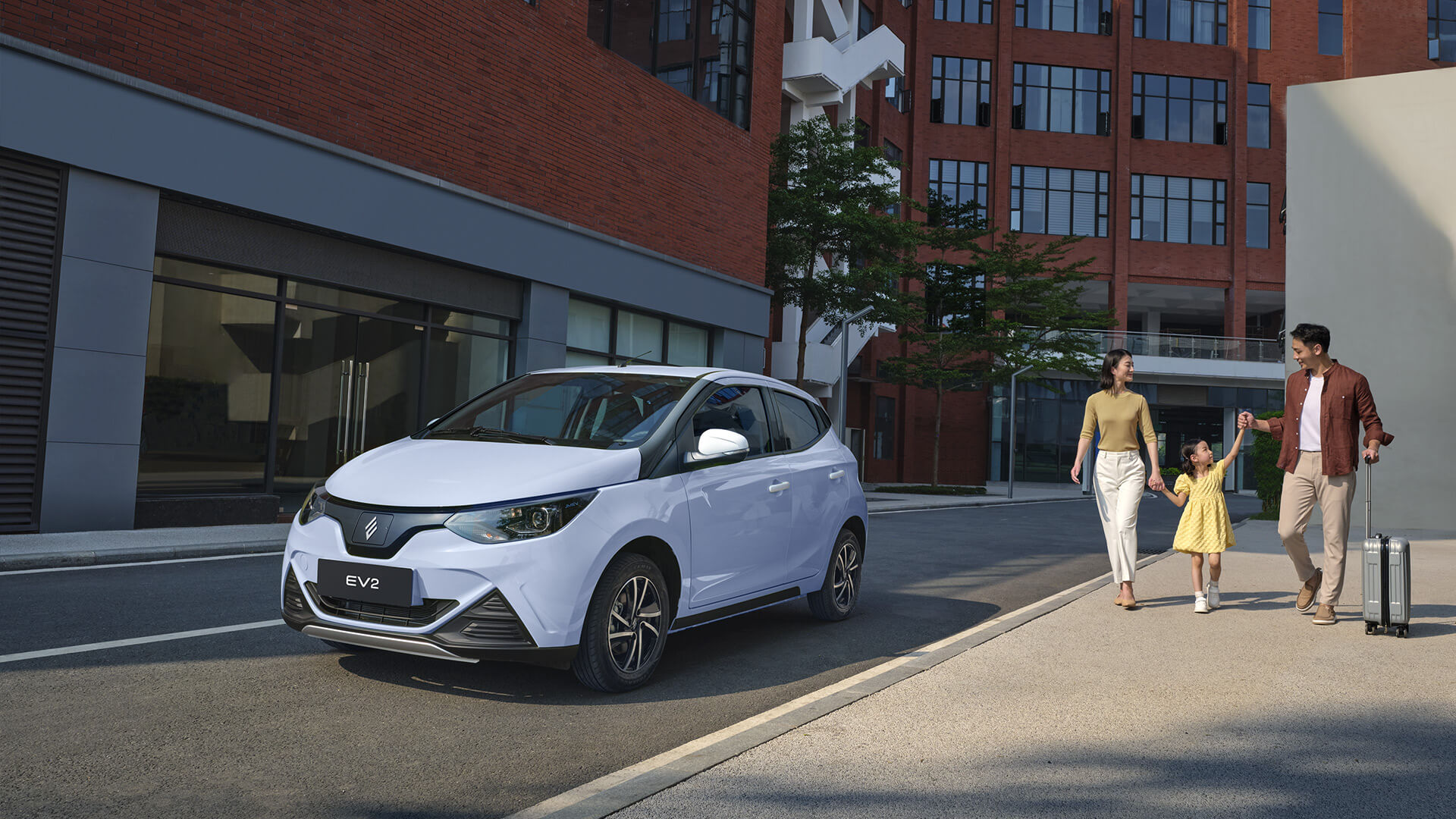
Goodbye expensive popular car: electric vehicle for less than R$ 70,000 starts being sold in Brazil with a range of 200 km and targets those looking to escape gasoline.
-
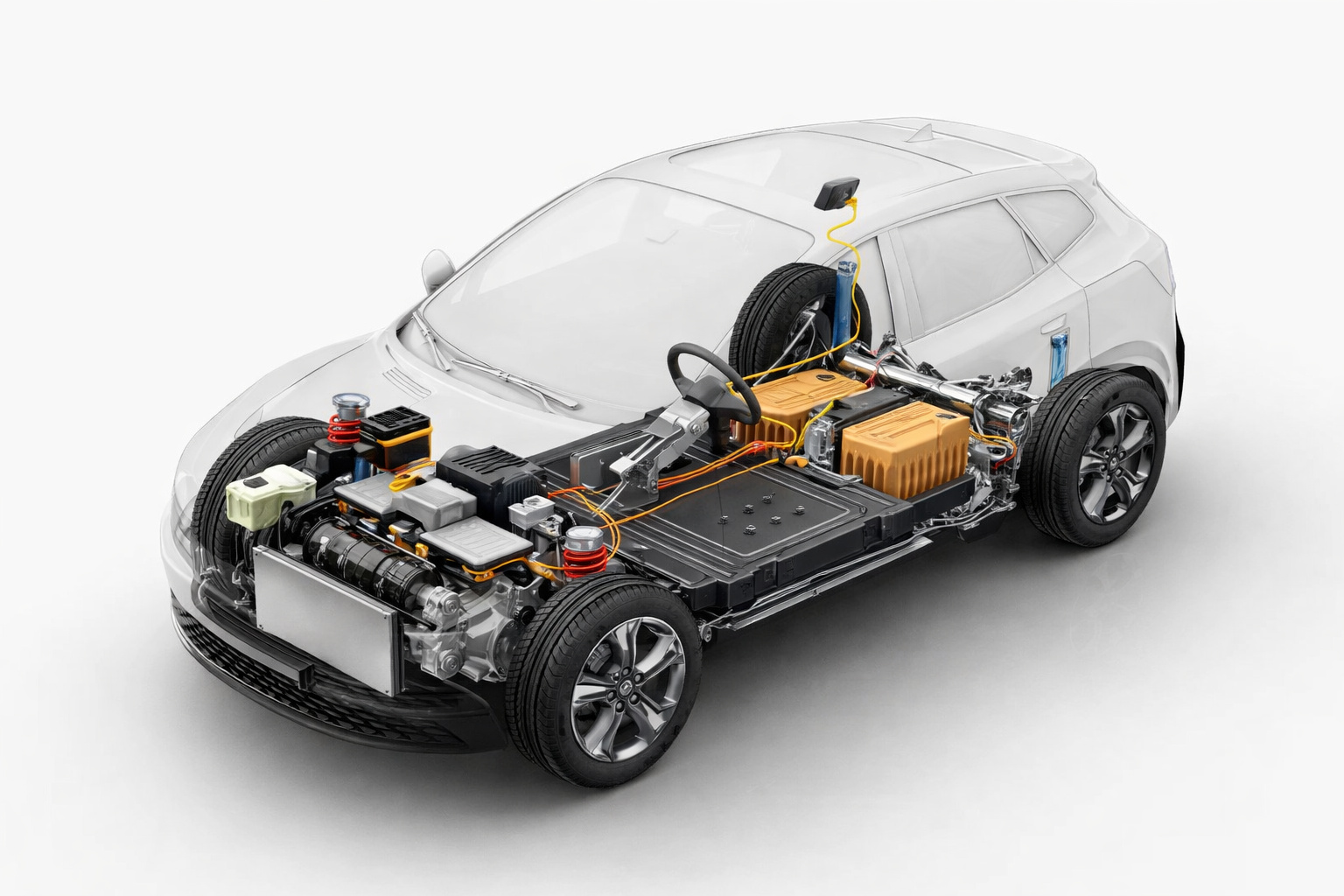
China Surprises Automotive Industry With Battery That Promises Electric Car Able to Run Up to 1,000 km Without Recharge

According to the Energy Research Company (EPE), the average consumption of a Brazilian household is around 180 kWh per month. However, just one electric car can easily surpass this level.
A practical example: app drivers who cover 2,000 km per week need approximately 309 kWh in that period, which amounts to 1,235 kWh in a month. Under the red flag level 2, this driver will pay an additional R$ 191.68 just for the extra charge. Considering the average price of R$ 1 per kWh, the total energy bill would reach R$ 1,426 in September.
Comparison Between Electric Cars and Combustion Vehicles
Even with the increase in charging costs, electric cars still offer economic advantages over combustion models. For comparison, the same app driver who covers 2,000 km weekly would spend R$ 3,656 on gasoline, based on the average consumption of a Volkswagen Polo Track.
A regular driver, who travels approximately 1,000 km per month, will have a much smaller impact. According to estimates from KBB, the increase in their electricity bill would be only R$ 23.96. In other words, even amidst the red flag scenario, the electric car remains a cheaper alternative compared to fossil fuel.
Despite the financial advantage compared to combustion cars, residential charging under the red flag highlights a structural challenge. A large part of consumers still relies on home outlets to charge their vehicles. This model, while more accessible, also exposes the driver to the most significant electric rate increases.
On the other hand, fast charging points installed in shopping centers, parking lots, and highways offer faster charging speeds, but usually come with even higher costs. As a result, many electric car owners find themselves without a viable alternative to escape the impact of the tariff flag.
Solar Energy as a Sustainable Alternative
With the rising electricity bills, interest in solar photovoltaic energy as a way to reduce expenses is growing. A study from the São Paulo State Secretariat for the Environment shows that for an app driver to charge their vehicle solely with solar energy, it would be necessary to install a system of 10.3 kWp.
According to Radar Solfácil, which monitors the average project prices in the country, this installation would cost more than R$ 25,000. However, the financial return can be achieved in about three years, a short period considering the lifespan of equipment, which can exceed 20 years.
This strategy has attracted consumers who not only want to save money but also align their lifestyles with more sustainable practices. After all, charging an electric car with solar energy reduces carbon emissions and neutralizes part of the environmental impact caused by thermal generation.
Reason for the Extra Tariff and Forecast for the Coming Months
According to Aneel, the maintenance of the red flag is linked to the low level of rainfall in August and September. With hydroelectric plants compromised, thermal power plants were activated to ensure energy supply, but at a much higher cost, which is passed on to consumers.
The National Institute of Meteorology (Inmet) projects that September will remain within historical averages for precipitation. If confirmed, the expectation is that starting in October, the rainfall regime will increase, allowing the return to a cheaper flag, such as green or yellow.
It is worth noting that since the system’s creation in 2015, the months of August and September have been champions in applying the red flag. On the other hand, between January and April, there has almost never been a record of this tariff level, which could bring relief to consumers at the beginning of 2026.
Despite the impact of the red flag, experts say that electric cars continue to expand in Brazil. The growth in sales in recent years shows that consumers are already considering long-term factors, such as fuel savings, tax exemptions in some cities, and lower maintenance costs.
Furthermore, there is an expectation that the expansion of the renewable matrix – including solar and wind energy – will gradually reduce dependence on thermal power plants, decreasing the electric sector’s exposure to water crises. If confirmed, this trend could make the recharging of electric vehicles increasingly cheaper and more predictable.
In the meantime, in the short term, drivers need to deal with the immediate effect of the red flag on their energy bill, adapting consumption habits or investing in alternative solutions to reduce the impact on household budgets.







Seja o primeiro a reagir!