





 Portuguese
  English
  Spanish
  3 min of reading
  0 comments


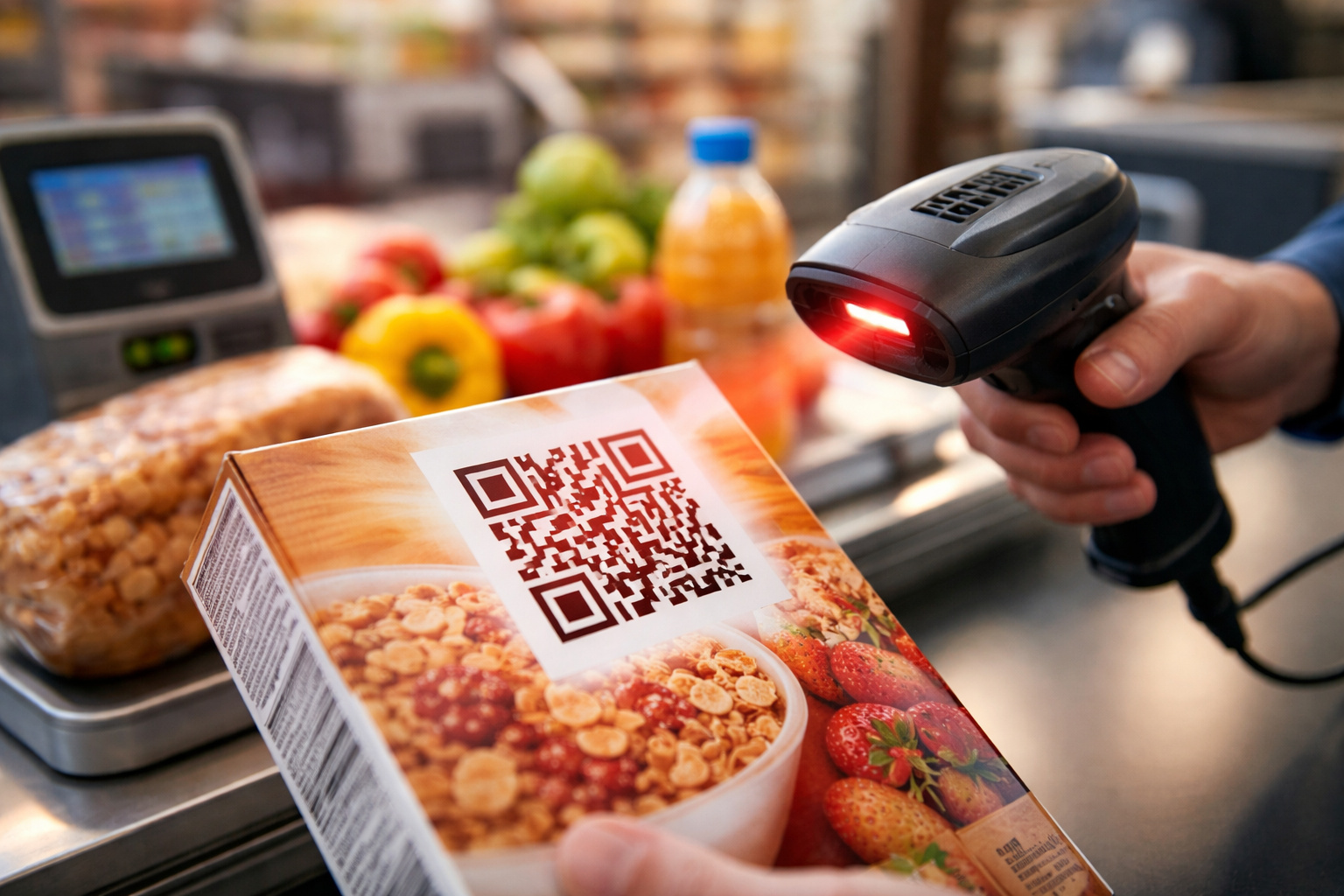
A Silent Technology That Shaped Modern Consumption Starts To Disappear While Retail Advances To A Data-Driven Model
A major structural change with significant commercial impact is beginning to consolidate in global retail.
Created in the early 1970s and commercially used for the first time in 1974, the barcode became one of the most recognizable symbols on the planet.
For about five decades, this simple visual standard supported the efficiency of supermarkets, wholesalers, and large chains, allowing for unprecedented scale in price, inventory, and logistics control.
Prior to it, each product required manual labels, making the process slow, imprecise, and highly error-prone.
With its widespread adoption, networks like Walmart began to operate with speed and standardization, redefining the functioning of modern commerce.
The Consolidation Of The Barcode And The Change In Consumer Behavior
Once inventory control became automatic, stores drastically expanded their product variety.
This advancement altered consumer psychology, as customers began to deal with multiple options available in real time.
This led to an increase in impulse buying, which became part of everyday life.
Over the years, the barcode quietly supported complex logistics chains, including Amazon operations, as well as influencing home organization and urban supply.
Even though it is essential, this technology remained invisible to most people, just because it operates in a stable and predictable manner.
Extreme Reliability Kept The Technology Active For Half A Century
Despite its age, the barcode has always shown exceptional performance.
Historical industry data shows an average rate of only one error per 400,000 reads, a rate considered nearly perfect.
While modern software often fails, the simple “beep” of the scanner has maintained its reliability for decades.
This robustness helped the technology span generations without significant changes.
However, precisely due to its lack of evolution in informational capacity, its replacement has been more concretely discussed in recent years.
-
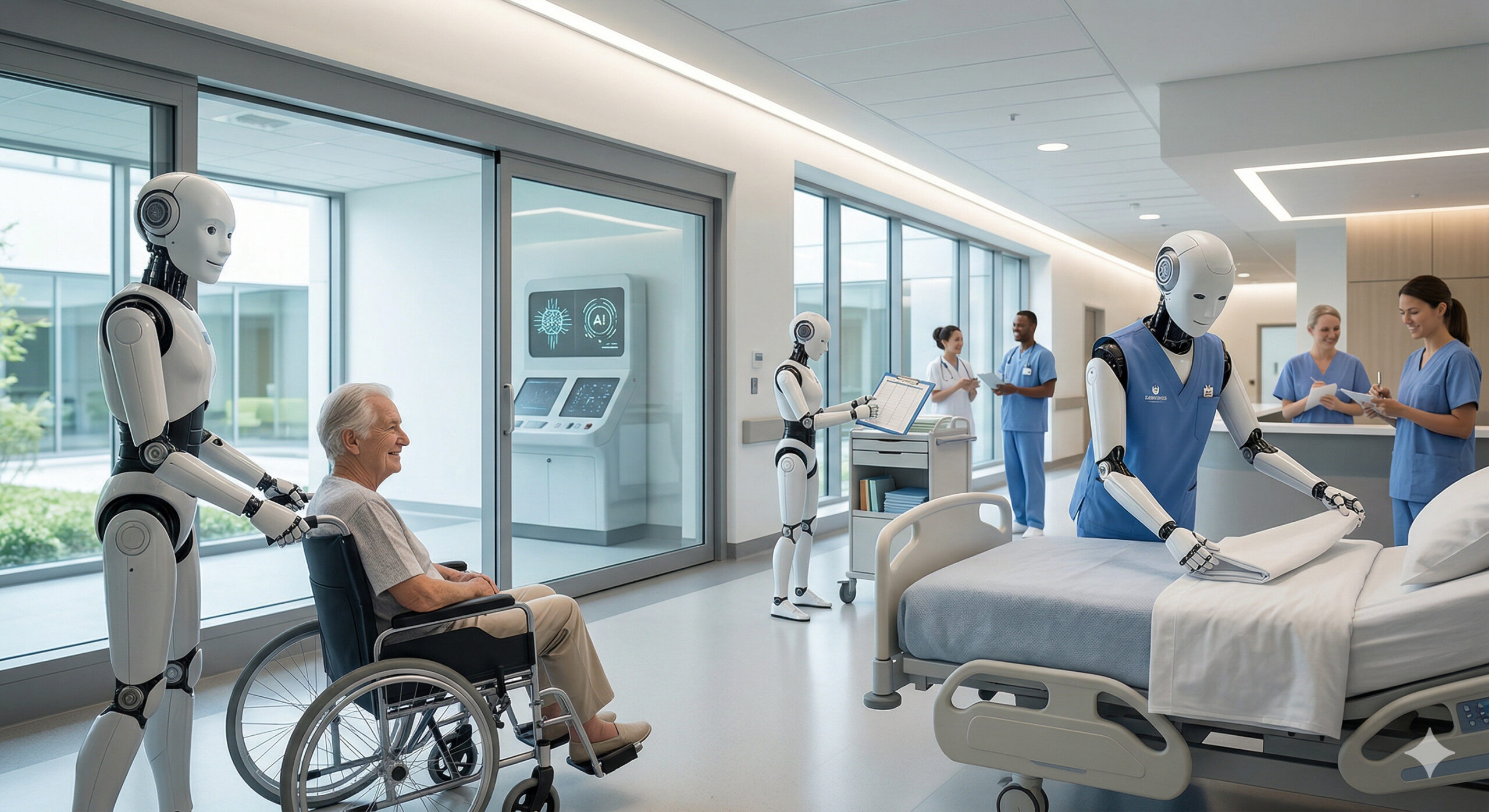
Humanoid robots have already arrived in hospitals and are pushing wheelchairs, arranging beds, and interacting with patients. This advancement marks the shift of artificial intelligence from the digital world to direct physical care for human beings.
-
5 mysteries of the Moon that the Artemis missions could finally solve

-
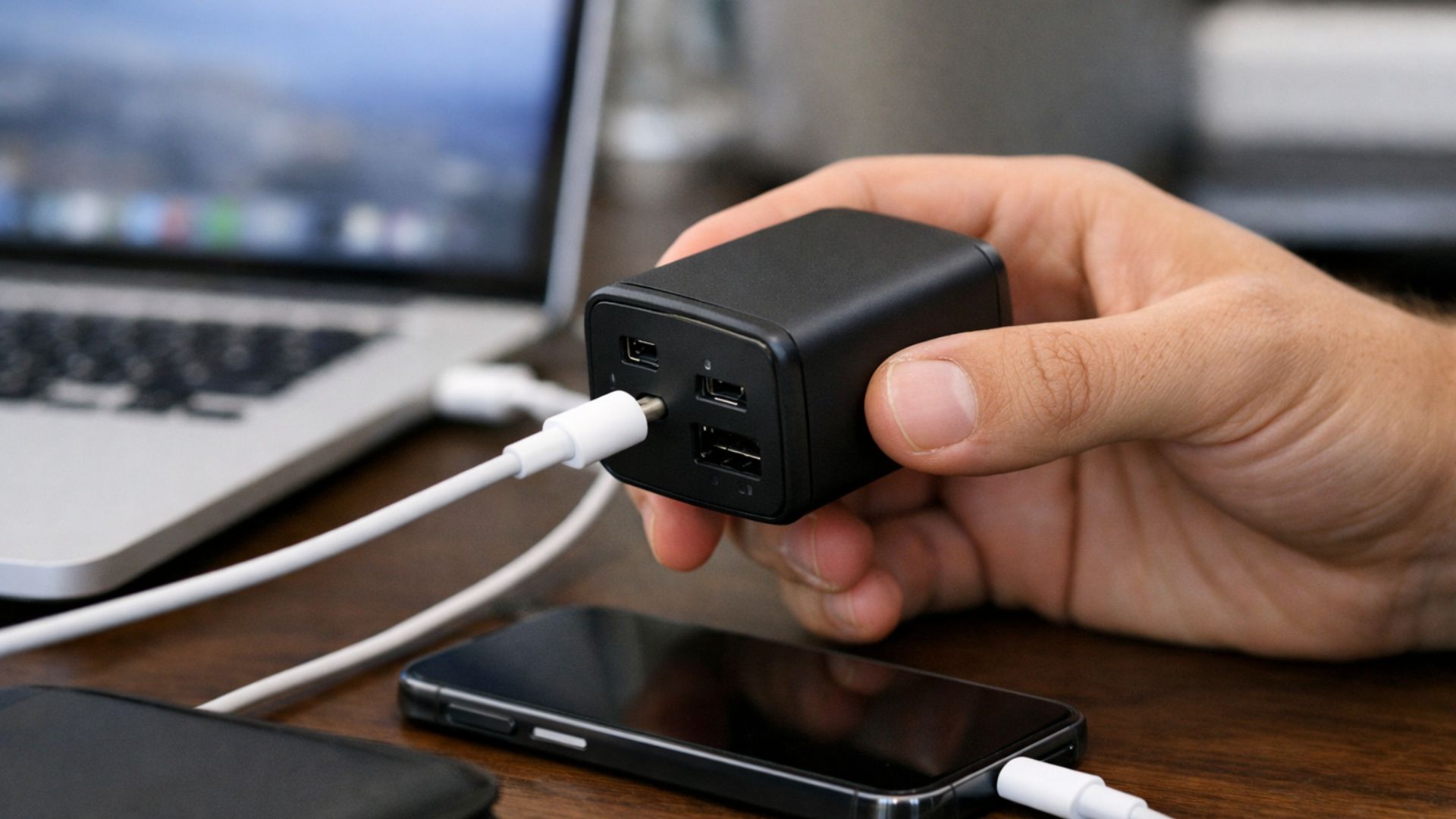
Goodbye common charger: users around the world are replacing the old item with this more compact, powerful, and efficient GaN model that charges a phone, tablet, and laptop at the same time.
-
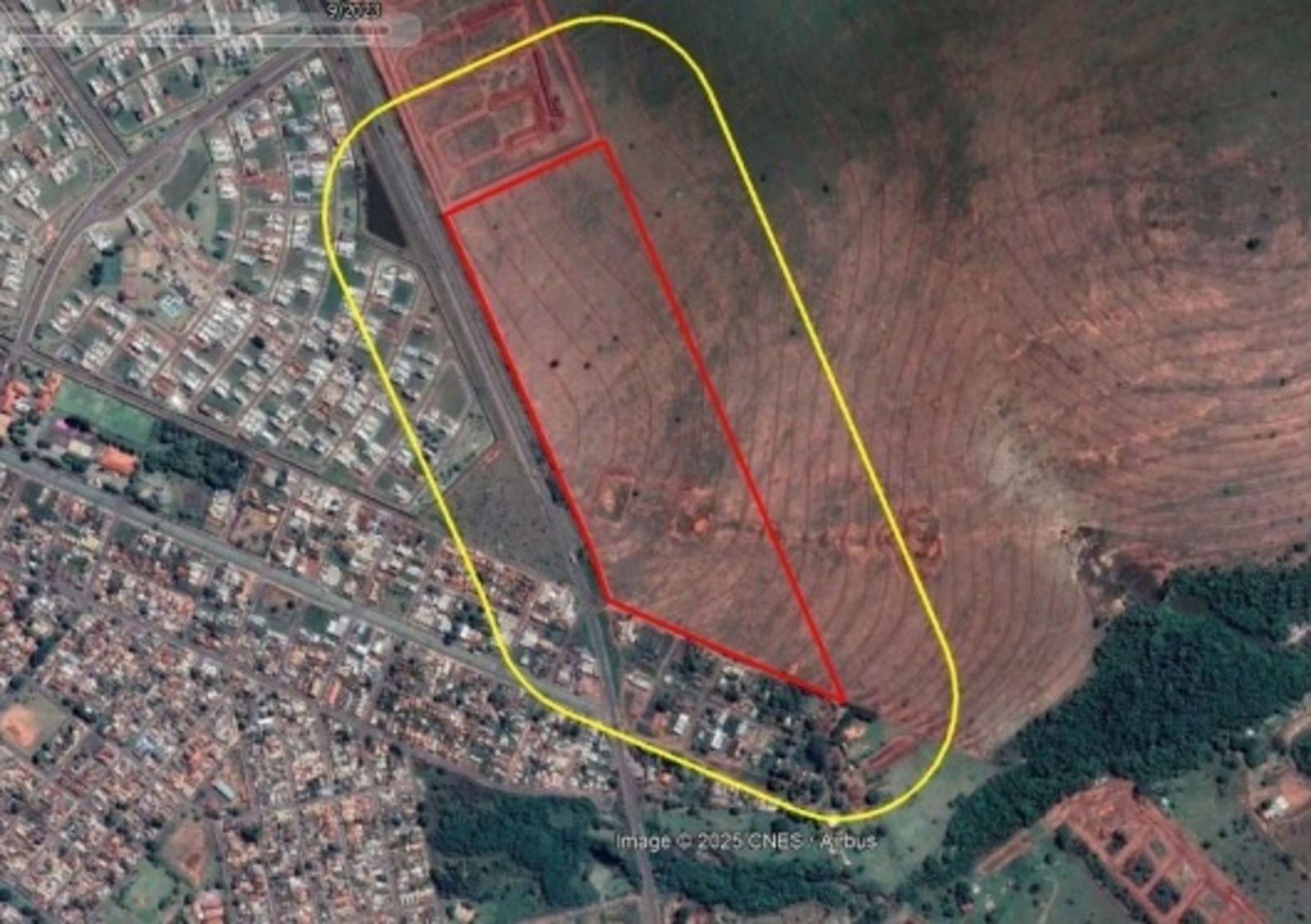
New high-end condominium in Campo Grande comes under scrutiny for being too close to an archaeological site and may have construction affected.
A Collective Model That Prioritized Standardization And Universal Access
Unlike current innovations, the barcode was born from a collective agreement.
In the early 1970s, retail sector executives decided that the standard should not generate royalties or exclusivity.
Thus, the technology was placed in the public domain, allowing for universal adoption by manufacturers and merchants.
This choice accelerated its global dissemination but prevented its creators from accumulating billion-dollar fortunes.
Involved companies profited from the sale of scanners and equipment, not from the code itself.
In this process, the rectangular design proposed by IBM won over RCA’s circular model, consolidating the visual standard known today.
The Transition To QR Codes And The Expansion Of Data Use
Starting in 2027, the barcode will gradually be replaced by QR Codes, in a process coordinated by GS1.
Unlike the traditional model, the QR Code can store more than 4,000 characters, allowing for identification of origin, manufacturing date, presence of allergens, and even dynamic pricing rules.
This capacity enhances automation at checkout and improves product traceability.
At the same time, the new system paves the way for more intense data collection regarding consumer behavior within stores.
Monitoring, Automation, And The Future Of Retail Without Visible Codes
While the barcode is passive, the QR Code operates as a two-way street.
When scanned by cell phones, it enables tracking of physical behavior and immediate sending of personalized offers.
Additionally, the sector is already testing even more advanced solutions.
Since 2018, Amazon has been experimenting with stores equipped with artificial intelligence cameras capable of identifying products without any visible code.
In this context, the barcode, a symbol of stability for half a century, begins to give way to rapidly renewing technologies.
In the face of this transformation, retail is definitively entering the era of total data.
Meanwhile, the simple sound of the scanner, present for generations, now represents a historic phase of global commerce that is silently coming to an end.
In this new scenario, to what extent will technological convenience outweigh the growing data collection at the point of purchase?







-

-

-

5 pessoas reagiram a isso.