





 Portuguese
  English
  Spanish
 2 min of reading


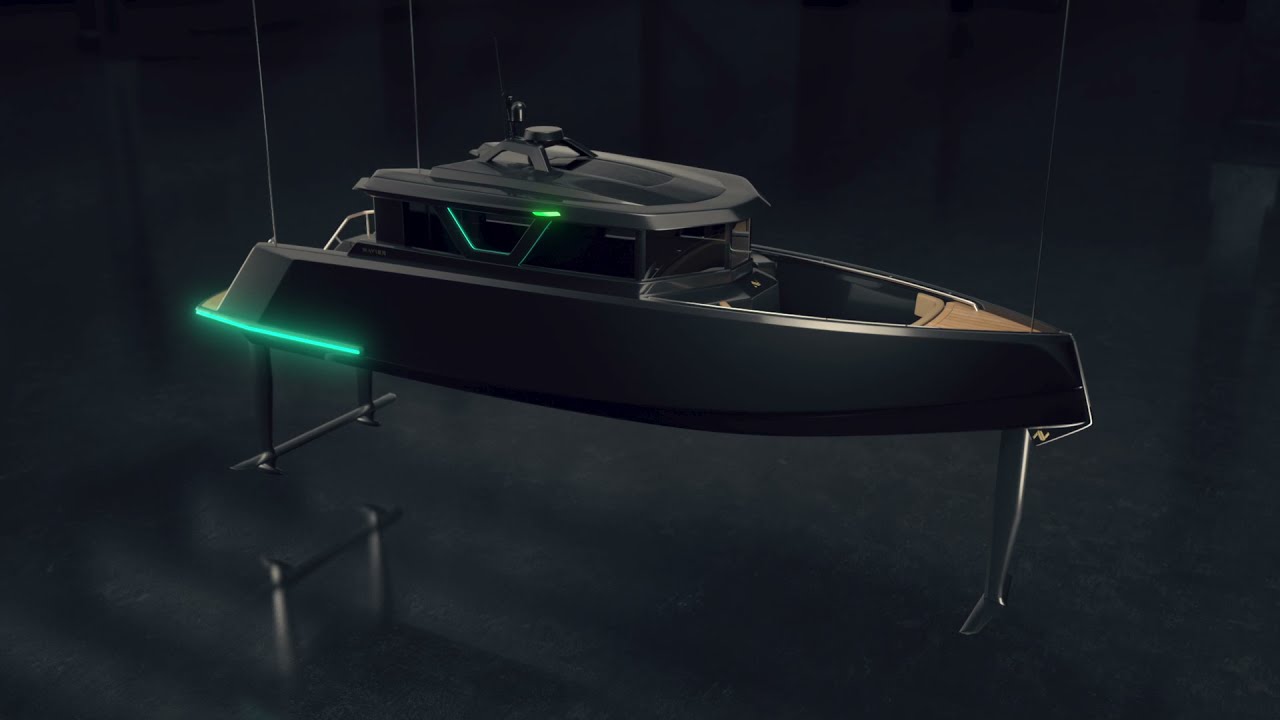
Flying Cars and Autonomous Vehicles Always Draw Attention at the CES Gadget Show in Las Vegas, but This Year Electric Hydrofoil Boats Are Making Even Bigger Waves.
The Swedish company Candela presented 28-foot (8.5 meters) electric hydrofoil boats that can cruise at 20 knots (about 23 mph) for over two hours. The California startup Navier is trying to surpass its Scandinavian rivals by launching a slightly longer electric hydrofoil, although Candela has gone further by bringing its product to customers.
Even the recreational boat group Brunswick Corporation tried to make a splash in Nevada this week, showcasing its latest electric outboard motor – a growing segment of its fleet primarily powered by gasoline.
Why Choose Electric Hydrofoil Boats?
One of the main reasons to choose electric hydrofoil boats is the environment and cost savings as fuel prices rise fuel. But electric boats – especially with sleek foil designs that lift their hulls above the water at higher speeds – also provide smoother and quieter rides.
-
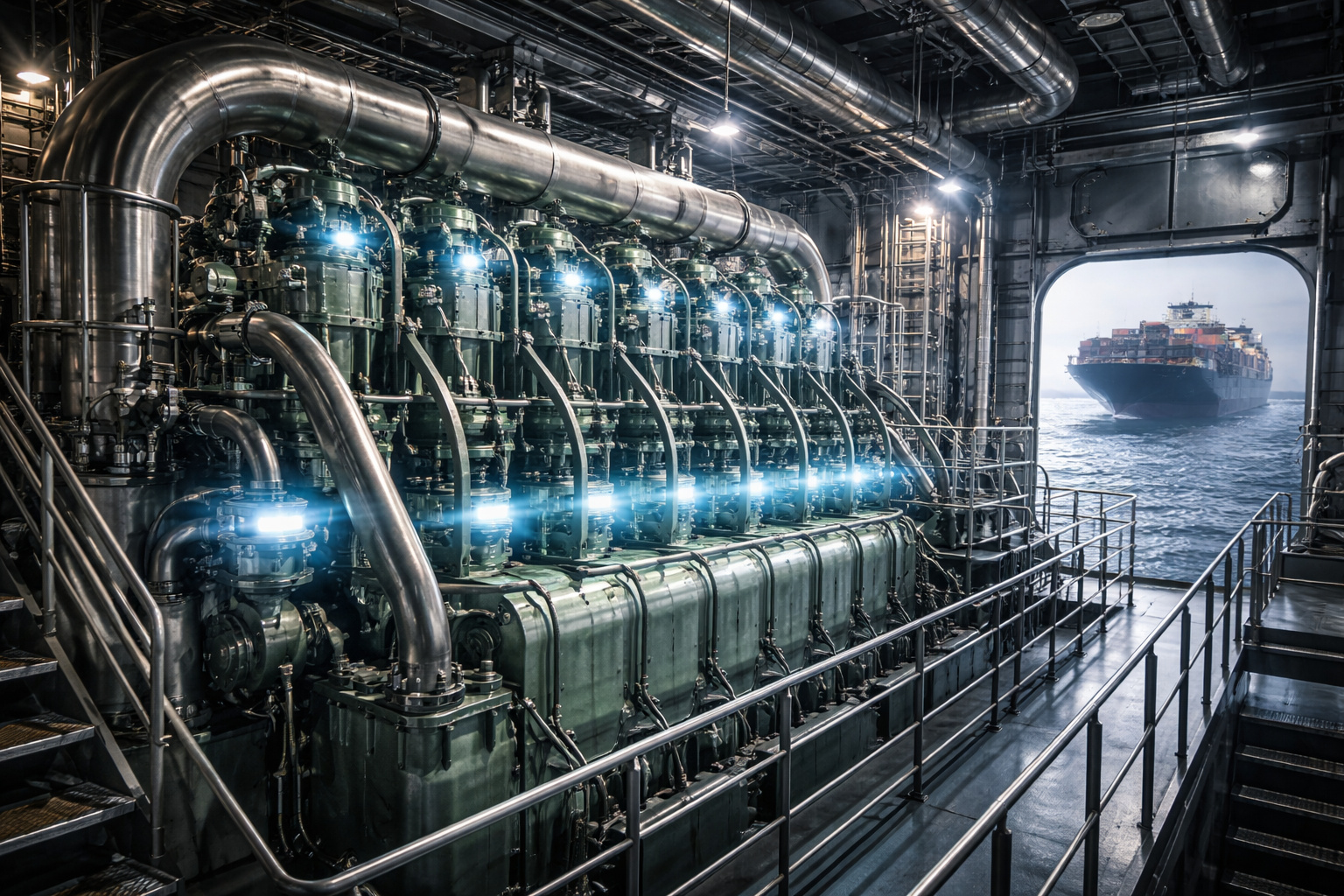
Europe is trying to create an ammonia-powered marine engine without auxiliary fuel, which could unlock the race for giant emission-free ships. The technology aims to eliminate one of the biggest obstacles to clean maritime propulsion.
-
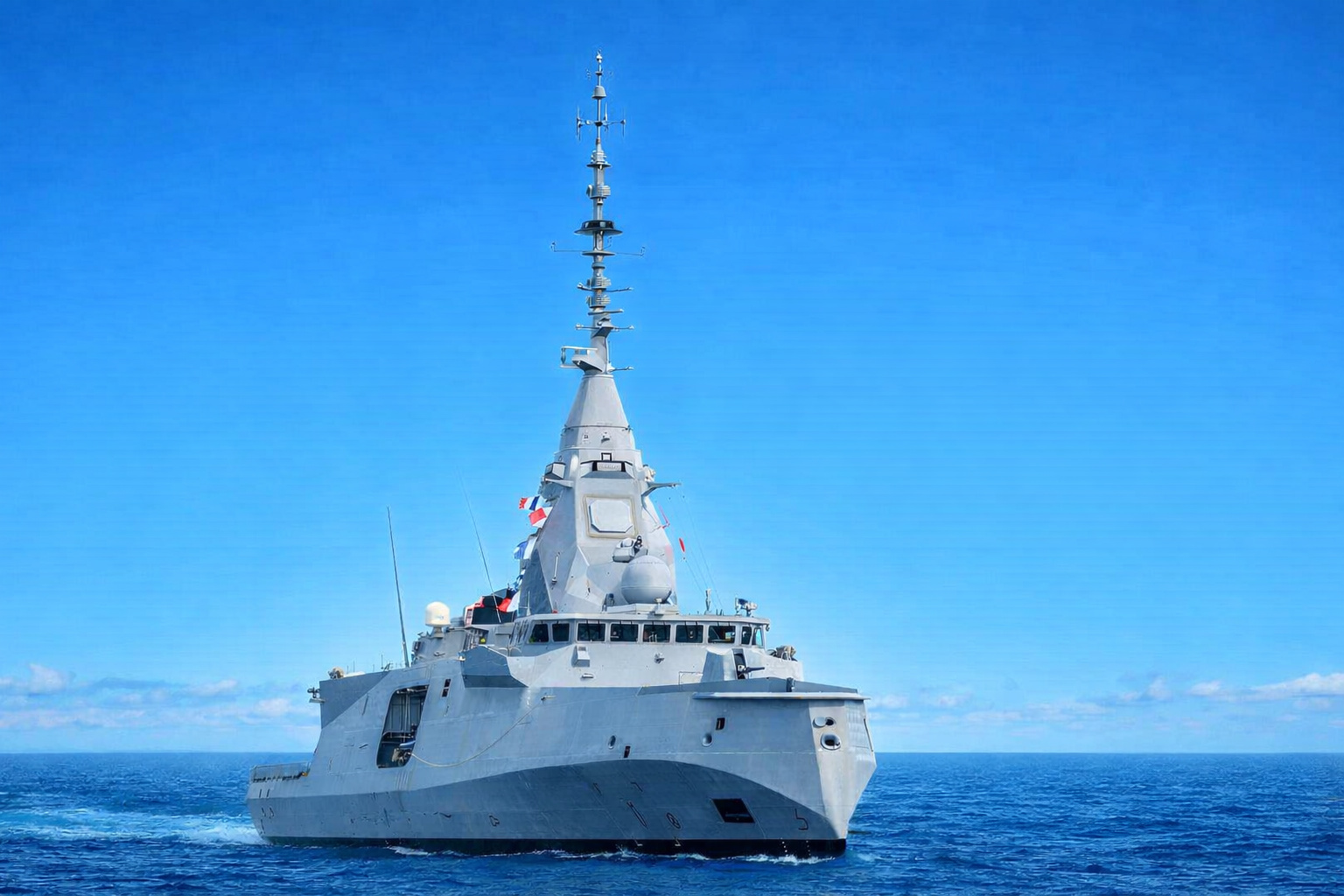
A 4,500-ton frigate with just over 100 crew members, state-of-the-art radar, and cruise missiles is being touted as the new standard of naval warfare in the 21st century.
-
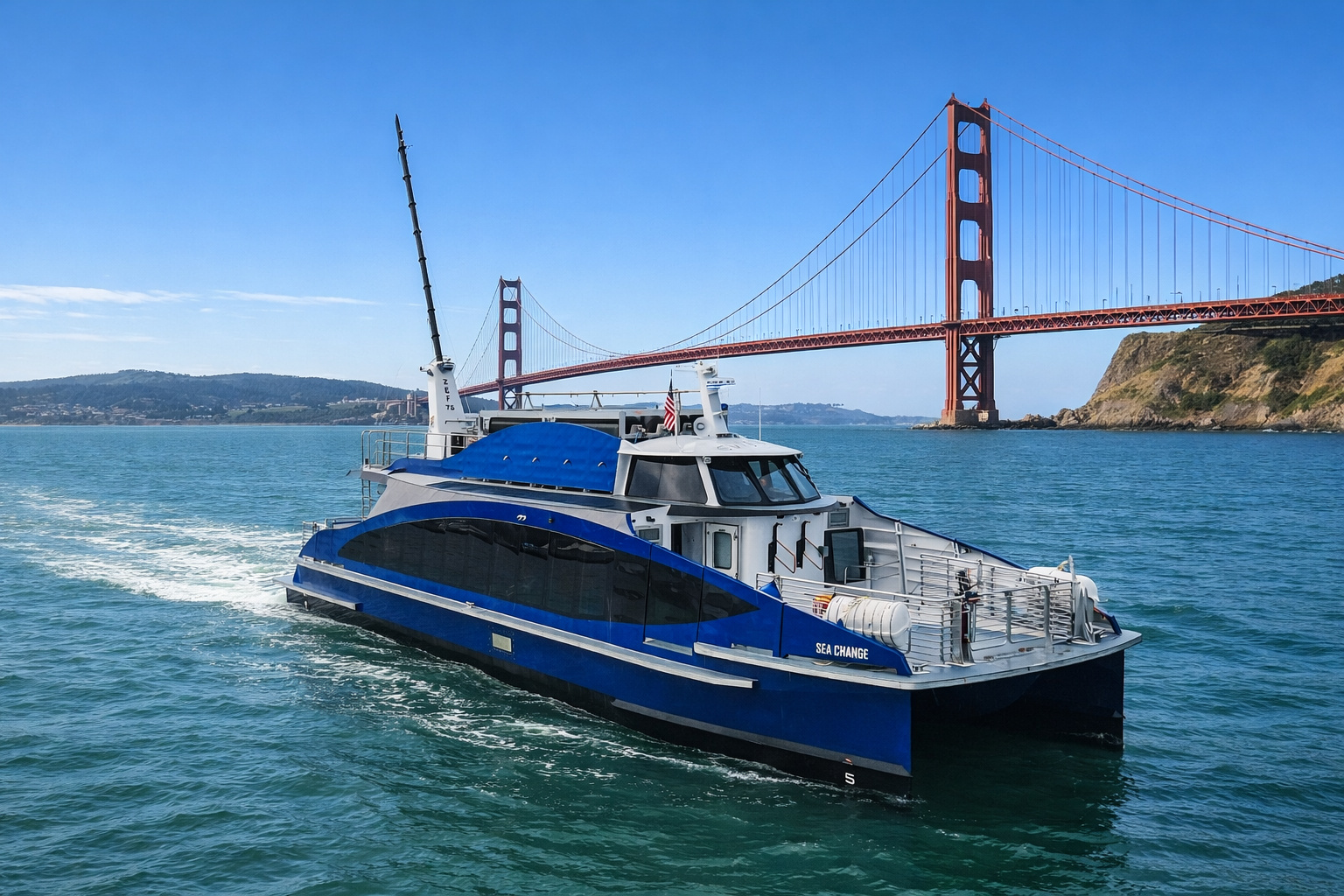
The first commercial hydrogen-powered ferry enters operation in the U.S., eliminates the use of diesel, uses fuel cells to generate clean energy on board, and transforms San Francisco Bay into a landmark of the new era of emission-free navigation.
-
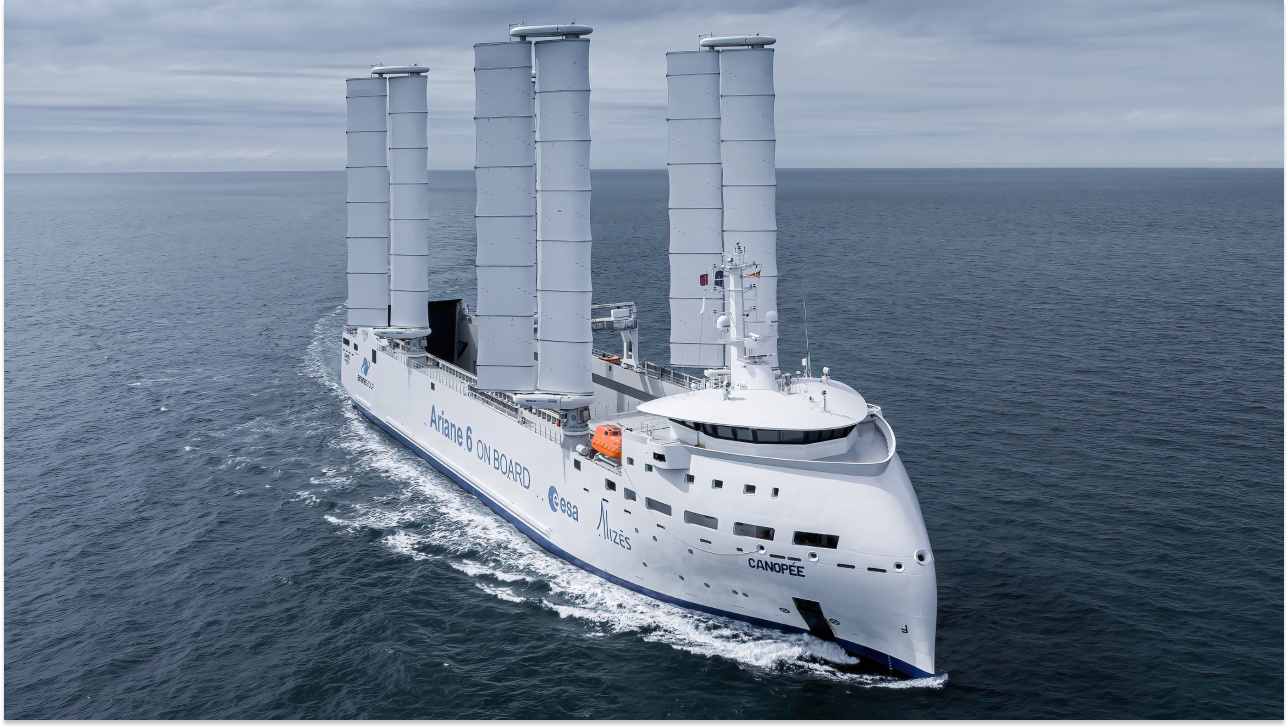
With a length of 121 meters and four rigid sails of 36 meters that automatically rotate to capture the wind, Canopée is the world’s first hybrid industrial cargo ship powered by wind, used to transport rockets and reduce fuel consumption by up to 30% on transoceanic routes.

However, as the C-8 and Navier’s N30 have a sticker price of around US$ 400,000, no electric hydrofoil boats are intended to replace aluminum boats used for lake fishing. They have been described as the Tesla of the Sea, and it is expected that what began as a luxury vehicle will eventually help transform the shipbuilding industry.
Electric Ferries Should Also Enter the Scene
Both Candela and Navier are planning a secondary market for electric ferries that can compete with gasoline-powered vehicles currently transporting passengers in densely populated areas, such as the Stockholm archipelago or along the San Francisco Bay coastline.
Many of the companies developing electric boat propulsion systems also have teams working to make these vehicles more autonomous. But since most sailors prefer to drive their own boats – and most ferry passengers would likely prefer a human captain at the helm – autonomous innovations are focused on what happens at the marina.








Seja o primeiro a reagir!