





 Portuguese
  English
  Spanish
  2 min of reading
  0 comments


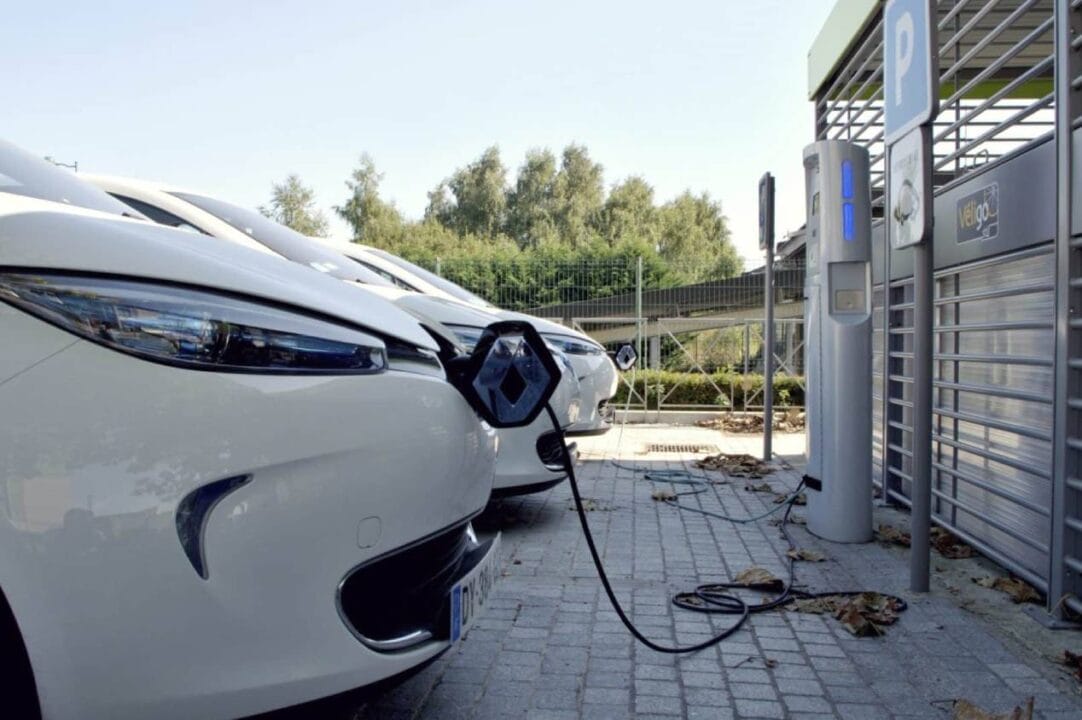
A team from Cornell University Engineering in the United States is innovating in the field of batteries for electric vehicles, presenting a lithium battery that can be charged in less than five minutes. This advancement represents a promising solution to the “range anxiety” often experienced by electric vehicle drivers.
The group, led by Professor Lynden Archer, identified an indium anode material that, when effectively combined with other materials, results in a fast-charging battery that maintains stable performance during prolonged charge and discharge cycles. Indium, known for its unique properties in the industry, is now being applied in the development of batteries for electric cars.
The ability to charge a battery in less than five minutes could have a transformative impact on the electric vehicle market. This innovation means there will no longer be a need to equip vehicles with large batteries to achieve a considerable range of 480 kilometers. With such fast charging times, electric vehicles can be equipped with smaller batteries, reducing costs and making electric transportation more accessible to a broader audience.
-
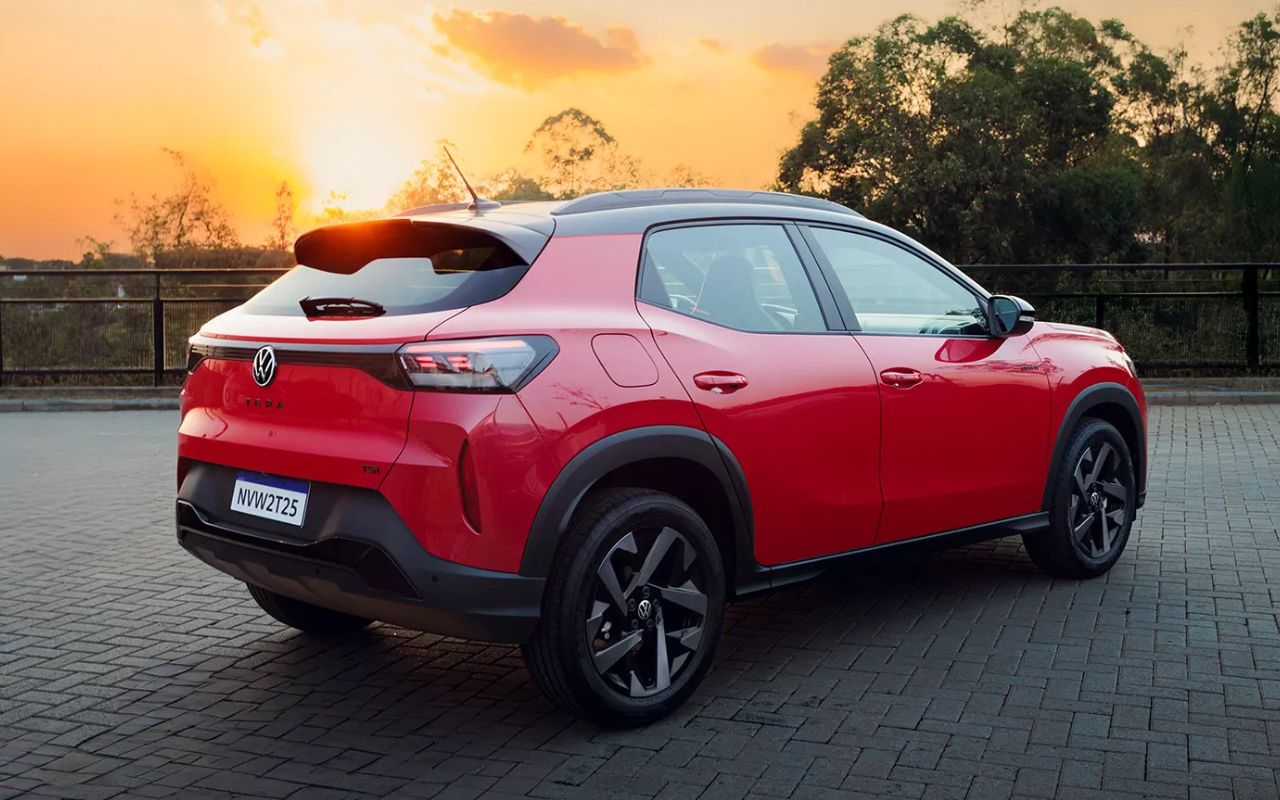
It surpassed the T-Cross, Creta, and Tracker: with nearly 8,000 units sold, the Volkswagen Tera was the best-selling SUV in March 2026.
-
Honda performs miracles in fuel consumption with a hatch that marks 13.2 km/l in the city and 15 km/l on the highway, leaving Polo, HB20, 208, and Onix behind and becoming a reference among compact cars without resorting to turbo or hybrid systems.

-
Six diseases that seem common but can prevent the renewal of the driver’s license for the elderly throughout Brazil and surprise experienced drivers — could any of them affect you without showing clear signs?

-
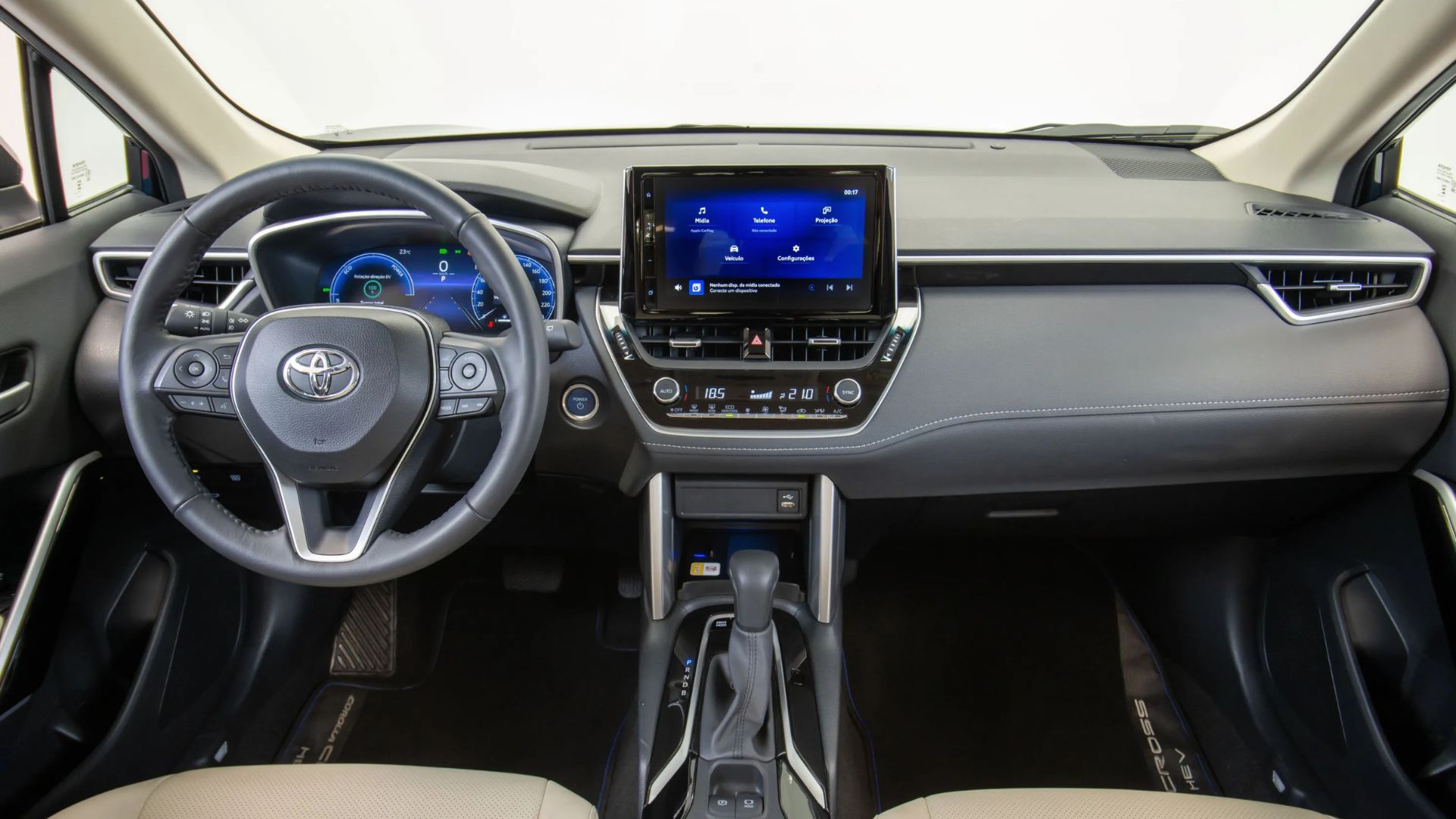
With 122 hp, fuel consumption of up to 17.7 km/l, and a trunk capacity of 440 liters, this hybrid SUV impresses even though it costs up to R$ 47,000 more than the Yaris — meet the Toyota Corolla Cross.

Challenges Involving the New Battery for Electric Vehicles
Despite the exciting advancements, a significant challenge is the weight of indium. To address this issue, researchers are exploring computational chemical modeling, including the use of artificial intelligence (AI) tools, to develop lighter materials that maintain the fast charging and long-lasting storage characteristics. The goal is to find solutions that achieve a balance between efficiency and practicality.
Professor Lynden Archer emphasizes that there is a general principle at play, allowing anyone to design a more efficient battery anode, surpassing the charging rates of existing technologies. This advancement not only represents a solution to the “range anxiety” but also opens doors to a revolution in electric vehicle battery design.









Seja o primeiro a reagir!