





 Portuguese
  English
  Spanish
  3 min of reading
  0 comments


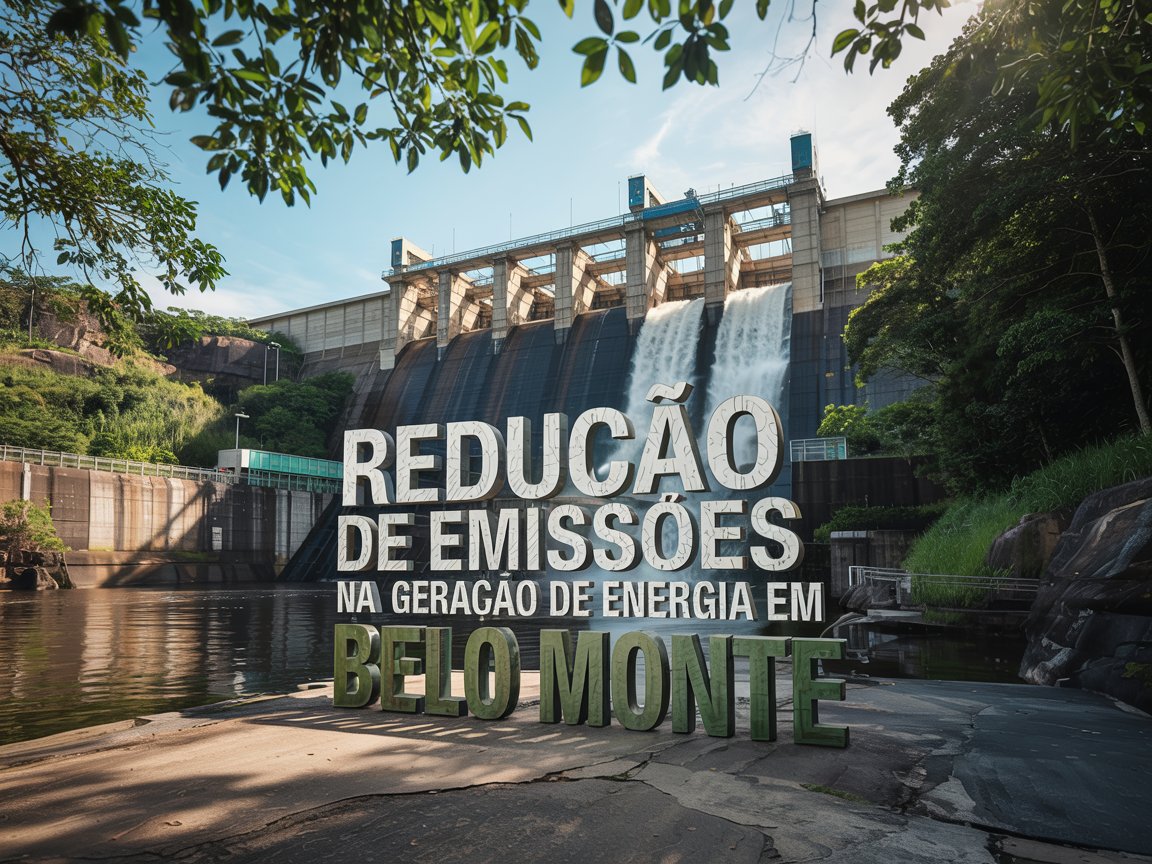
Emission Reduction and Lower Use of Thermoelectric Plants Mark Impact of Power Plant in 2025, According to Official Data
The Belo Monte Hydroelectric Plant, located in the state of Pará, recorded a significant environmental impact in 2025, according to information from Norte Energia’s website. By March 17, the plant had avoided the emission of approximately 5.3 million tons of carbon dioxide (CO₂). This was due to it replacing more polluting sources, such as gas thermoelectric plants, with renewable energy, thus contributing to environmental sustainability.
This number, therefore, represents a significant contribution to the reduction of greenhouse gases in Brazil. Furthermore, according to estimates from the U.S. Environmental Protection Agency (EPA), this volume is equivalent to removing around 1.1 million vehicles from the roads per day.
Generation During Peak Consumption Reduced Use of Fossil Sources
On February 24, 2025, during a national peak consumption period, Belo Monte accounted for 12% of the country’s electricity demand, according to data from the National Electric System Operator (ONS). On that day, the plant generated 9,499.50 MWmed, which helped avoid the emission of approximately 93,000 tons of CO₂.
-
6 sources of free fertilizer that you are throwing away every day and can transform your garden without spending anything.

-
With a water crisis on the radar, Sabesp invests in reclaimed water for data centers and transforms sewage treatment into a solution that saves millions of liters and protects public supply.

-
Foresea achieves 100% offshore waste reuse in 2025, eliminates landfill disposal, and consolidates sustainable strategy with 1,500 tons recycled.

-
With earth, bamboo, straw, and lime mortar, a specialist builds a house for just over $460 and draws attention for its cost being much lower than traditional construction.


This performance, therefore, highlights the plant’s importance during critical moments of the electric system. Additionally, according to ONS, approximately 53 million people were supplied with energy generated by Belo Monte that day.
Since the start of its full operation in November 2019, with all 18 Generating Units in operation, the plant has already avoided the emission of 77.7 million tons of CO₂, according to information from Norte Energia. This data reinforces the plant’s role in Brazil’s energy transition strategy.
Studies Confirm Positive Environmental Performance in the Long Term
A study conducted by COPPE/UFRJ (Federal University of Rio de Janeiro), published in 2022, classified Belo Monte among the five hydroelectric plants with the lowest greenhouse gas emission intensity in Brazil. The analysis assessed gas emissions from the flooded area of the plant in the Amazon biome.
According to the research, emissions progressively decreased between the fifth and tenth year of operation, indicating a more efficient environmental performance over time. This information helps support the technical debate about the role of hydroelectric plants in the transition to a cleaner energy matrix.
In addition to emission control, the plant also aids in the stabilization of reservoirs of other hydroelectric plants, especially during dry periods, which reinforces its strategic role for national energy security.
Belo Monte Led Generation Among Hydroelectric Plants in Early 2025
According to data from the National Electric Energy Agency (Aneel), Belo Monte was the hydroelectric plant that generated the most energy in the country between January and February 2025.
In the same period, 84.25% of the energy generated in the National Interconnected System (SIN) came from renewable sources. Of that total, 55% was generated by hydroelectric plants, confirming the relevance of this technology for Brazil’s electric matrix.
This scenario underscores the importance of Belo Monte in the context of the energy transition, which requires an increasing use of clean, sustainable, and large-scale sources.
Transparency and Commitment to Environmental Guidelines
In addition to reinforcing energy security, Belo Monte also contributes to large-scale supply and meeting Brazil’s international climate targets.
Among these targets, the commitments of the Paris Agreement and the Sustainable Development Goals (SDGs) defined by the UN stand out.
In particular, SDG 7, which promotes universal access to clean, safe, sustainable, and affordable energy for all, is highlighted.
The project also serves as a basis for reflections on best environmental practices and improvements in energy management. The plant operates within the Brazilian environmental regulatory frameworks, which involve constant monitoring, licensing, and impact reporting.










Seja o primeiro a reagir!