





 Portuguese
  English
  Spanish
 3 min of reading
  2 comments


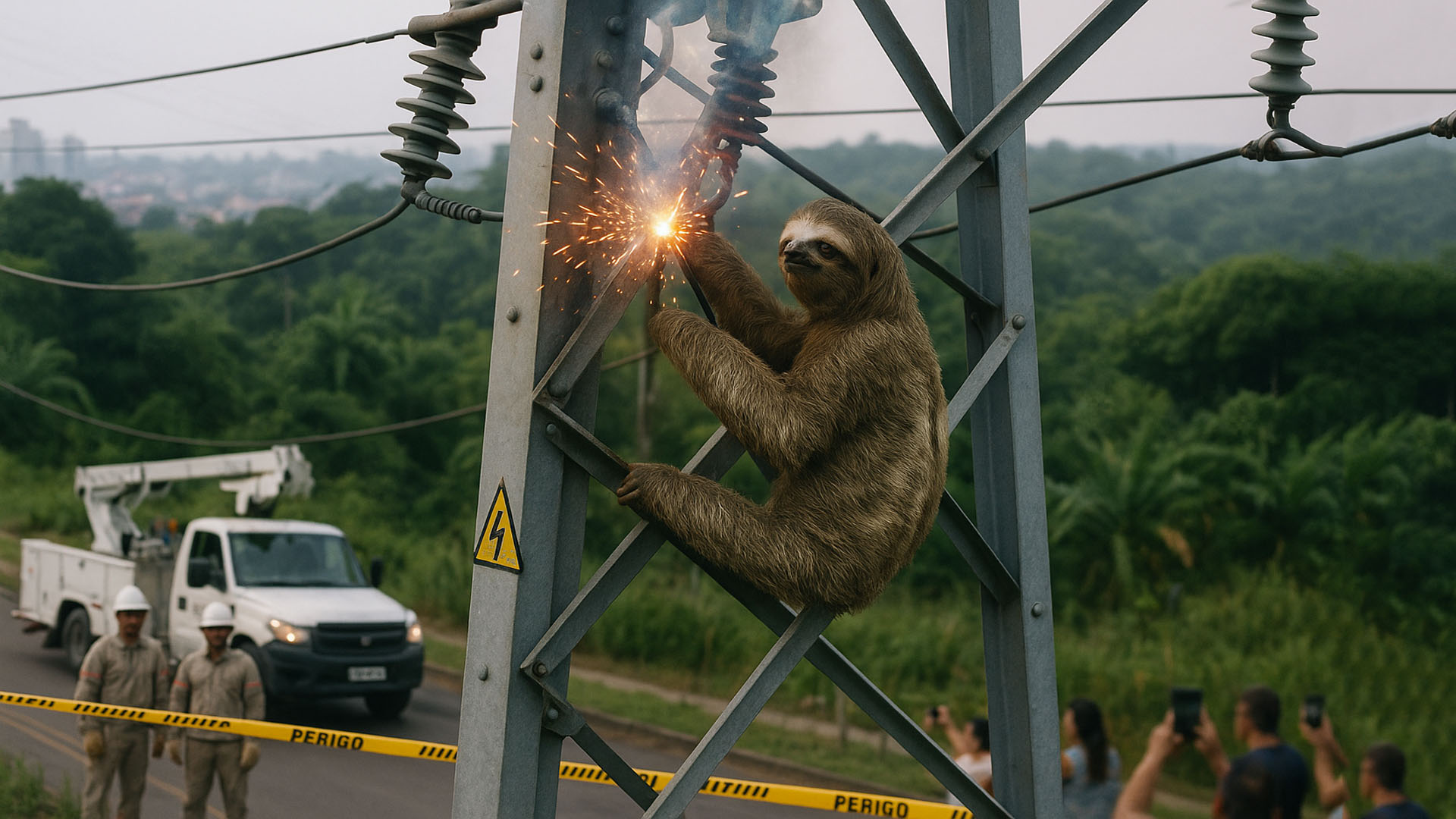


Wild Animal Made Contact With High Voltage Transmission Line Causing Automatic Shutdown Affecting Thousands Of Residents In The North Zone
An unusual episode left residents of the north zone of Manaus without electricity on the morning of this Sunday (12). A sloth was responsible for causing a blackout that affected supply in four neighborhoods of the Amazon capital: Monte das Oliveiras, Colônia Terra Nova, Santa Etelvina, and Nova Cidade.
The incident occurred when the animal made contact with the metallic structure of a 69 kV transmission line, causing the automatic shutdown of the system. According to information from Amazonas Energia, the occurrence was recorded at 10:51 AM, and technical teams were immediately dispatched to the location.
The concessionaire classified the episode as an “unforeseen shutdown” and managed to restore the service a few hours later. The sloth was rescued during the operation; however, there is no updated information about its health status or where the animal was taken after the rescue.
-
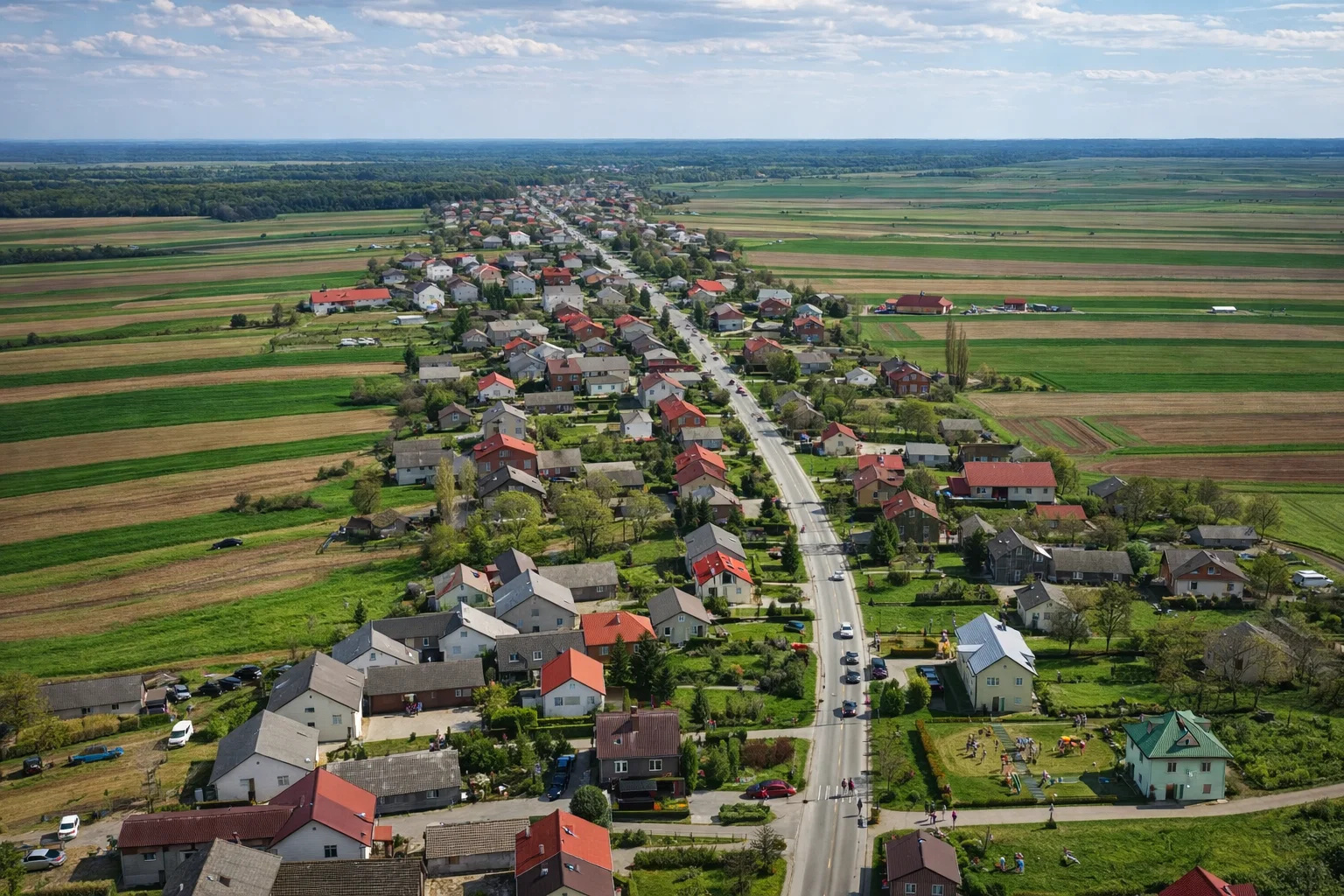
With around 6,000 residents on a single 9 km street, a village in Poland maintains a strong sense of community, cultivates strawberries and potatoes, and becomes the target of a false image created by artificial intelligence.
-
Sleeping at different times each day can be a bomb for your heart and even double your risk of having a heart attack.

-
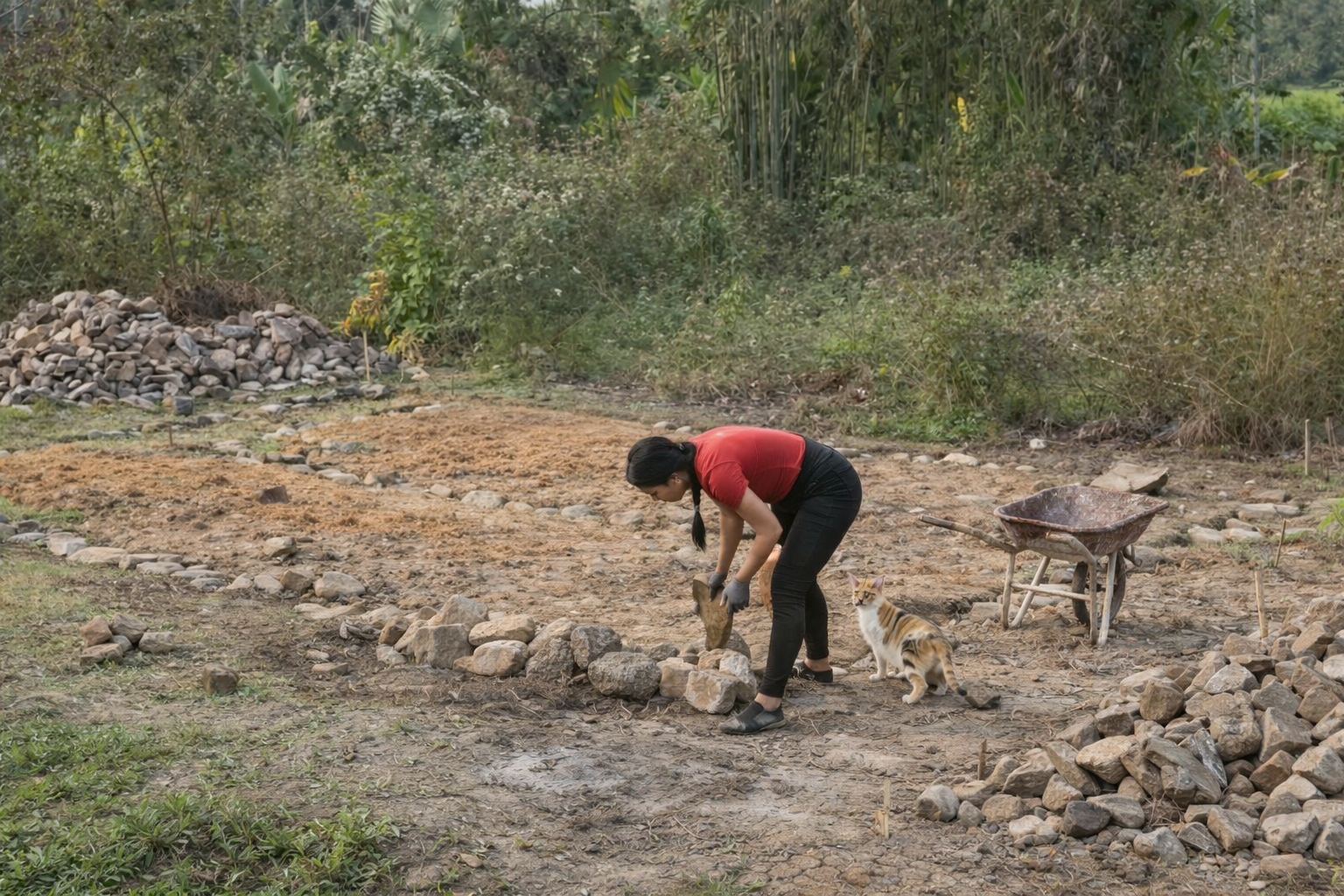
Without help and without heavy machinery, a woman builds a house from scratch with stone, wood, and cement, erects a chimney, creates a complete leisure area, and transforms an empty lot into her dream home.
-
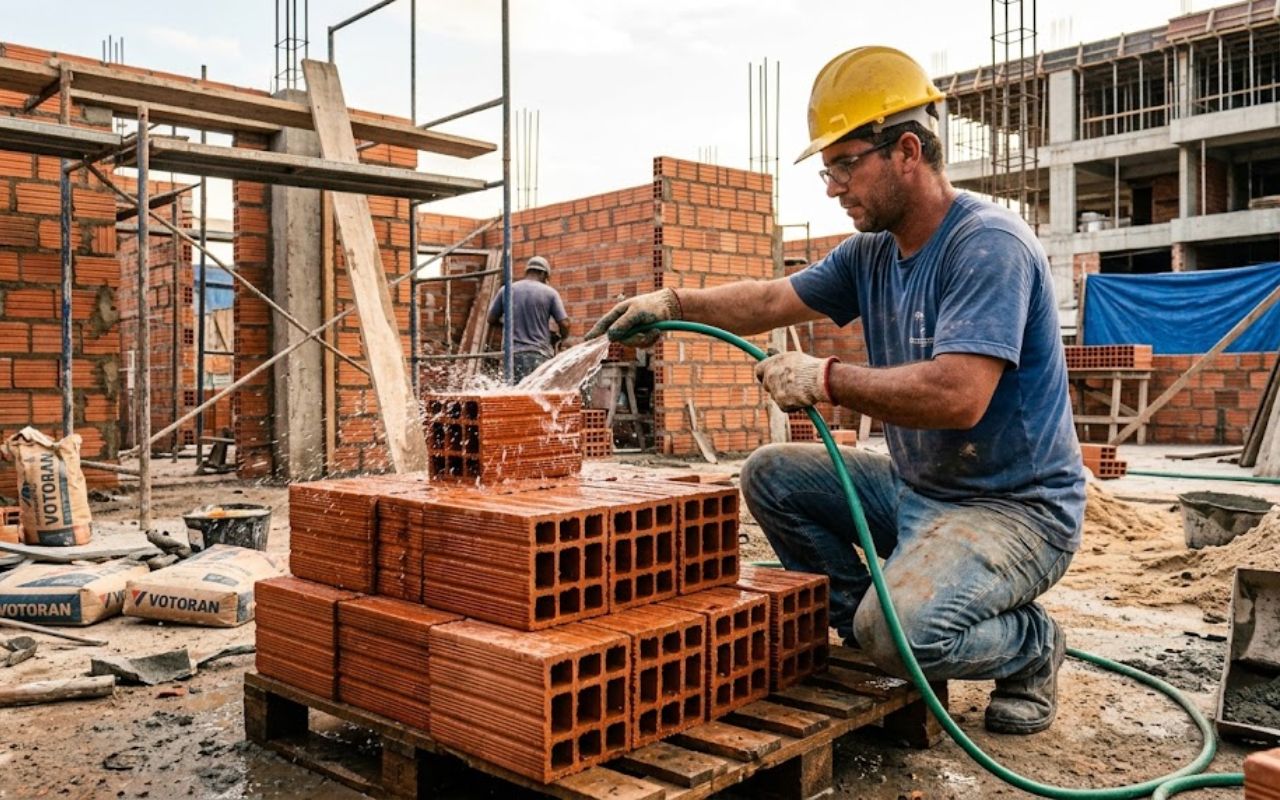
Couple transforms abandoned house after years of being closed; residence was overgrown with weeds, had a green pool, and a deteriorated structure in the interior of Rio de Janeiro.


Wildlife And Electric Networks In The Amazon
The interference of wild animals in energy distribution systems is not an isolated case in the Amazon region. Amazonas Energia reported that similar situations have been recorded before in municipalities near the capital, such as Iranduba and Manacapuru, highlighting a recurring challenge for local electric infrastructure.
The geographical location of Manaus, surrounded by the largest tropical forest in the world, contributes to wild animals frequently roaming in areas near energy transmission and distribution networks. This scenario creates a conflict between urban expansion and the preservation of the natural habitats of local wildlife.
According to experts, sloths and other arboreal animals often use electric structures as a means of movement between trees, especially in areas where deforestation has fragmented their natural habitats. This behavior significantly increases the risk of accidents for both the animals and the electric system.
Impacts On Energy Supply
The shutdown affected thousands of consumers in the four neighborhoods of the north zone of Manaus. Although the concessionaire managed to normalize the service in a few hours, the episode highlights the vulnerability of the regional electric system to unpredictable factors related to wildlife.
Amazonas Energia maintains specialized maintenance teams to handle emergency occurrences like this. The company provides 24-hour service channels, including the phone number 0800 701 3001, a mobile app, and the official website, so consumers can report outages and obtain clarification on supply interruptions.
The concessionaire thanked the understanding of affected consumers and reinforced its commitment to maintain the reliability of the electricity distribution system in the state of Amazonas.
Coexistence Between Infrastructure And Biodiversity
This incident rekindles an important debate about the need to reconcile urban infrastructure development with the preservation of Amazonian wildlife. Experts advocate for the implementation of preventive measures that could reduce the risks of accidents involving wild animals and electric networks.
Among the possible solutions are the proper isolation of high-voltage structures, the installation of specific protection devices, and the monitoring of areas deemed critical for wildlife circulation. Some energy companies in other regions of Brazil already adopt detection and protection technologies in substations to minimize such occurrences.
The case also underscores the importance of environmental education projects that raise public awareness about the need to preserve natural habitats and reduce the impacts of urbanization on wild animals. The fragmentation of forests forces many species to seek alternative routes of movement, increasing encounters with human infrastructure.
What do you think about this type of situation? Is it the fault of urban expansion invading the natural habitats of animals, or is there a lack of investment in protection technologies for electric networks? Leave your opinion in the comments.








Essas concessionárias de energia não têm o menor respeito pela Natureza brasileira, fazem os esquemas mais ordinários e baratos, cabos sem isolamento, e depois a culpa é dos animais? Francamente…
Impressionante sem querer o bicho preguiça desliga a energia do povo e não sofreu nada fico até pensando uma coisa será que povo amazonense tem vontade de se vingar dos animais que fazem isso desculpa a pergunta ****?