





 Portuguese
  English
  Spanish
  3 min of reading


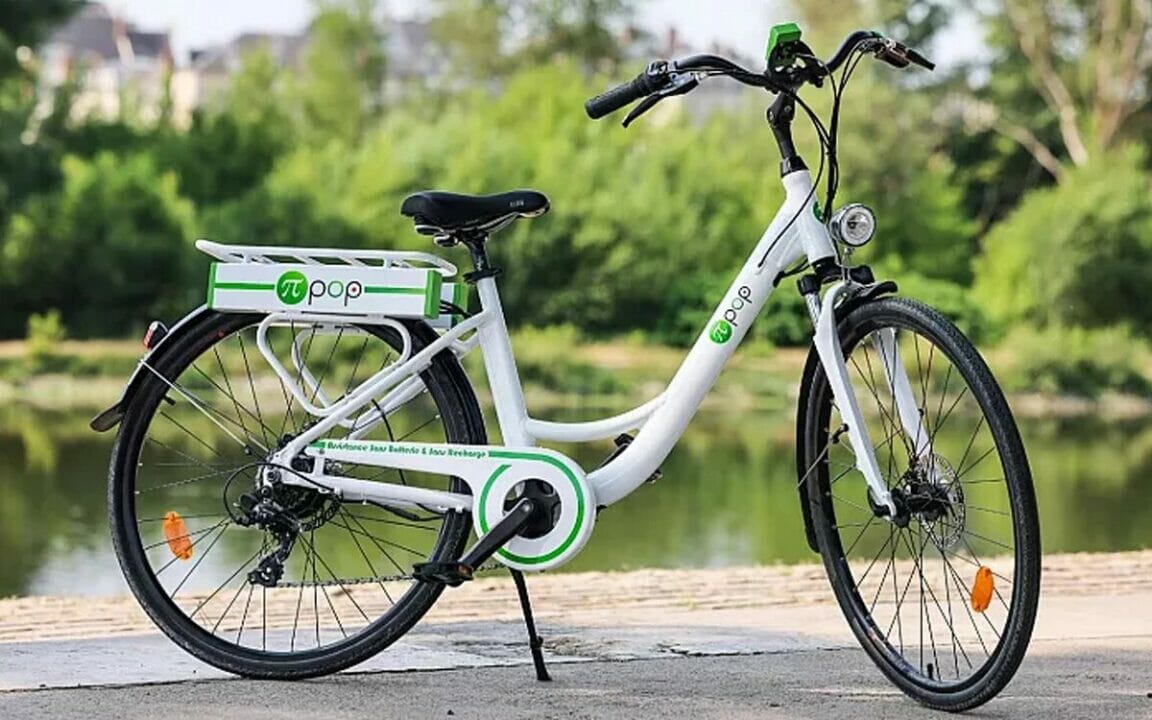
The Pi-Pop Electric Bicycle Is a Revolution in Electric Mobility, Using Supercapacitors Instead of Traditional Lithium Batteries. With a Lifespan of 10 to 15 Years, the Pi-Pop Is Efficient and Sustainable, Especially for Urban Terrain. The Company Plans to Increase Production to 1,000 Bicycles per Month by 2024, With a Price of Nearly R$ 13 Thousand.
In the dynamic landscape of electric mobility, creativity and innovation are continually promoted. Recently, French inventor Adrien Lelièvre introduced a remarkable innovation — the Pi-Pop electric bicycle, which dispenses with traditional lithium batteries, opting for supercapacitors to power its motor. This revolution aims to address the environmental concerns associated with conventional battery production.
Meet the Electric Bicycle That Promises to Revolutionize the Sector
The Pi-Pop, a pioneering and sustainable e-bike, was designed and patented by Adrien Lelièvre, a professional graduated in electronics who leads STEE, the company responsible for its manufacture.
The central motivation is to solve the environmental challenges linked to the production of conventional lithium batteries.
-
The German economist Wolf-Peter Schill has no doubts: “Electric cars are already far superior to cars with internal combustion engines.”

-
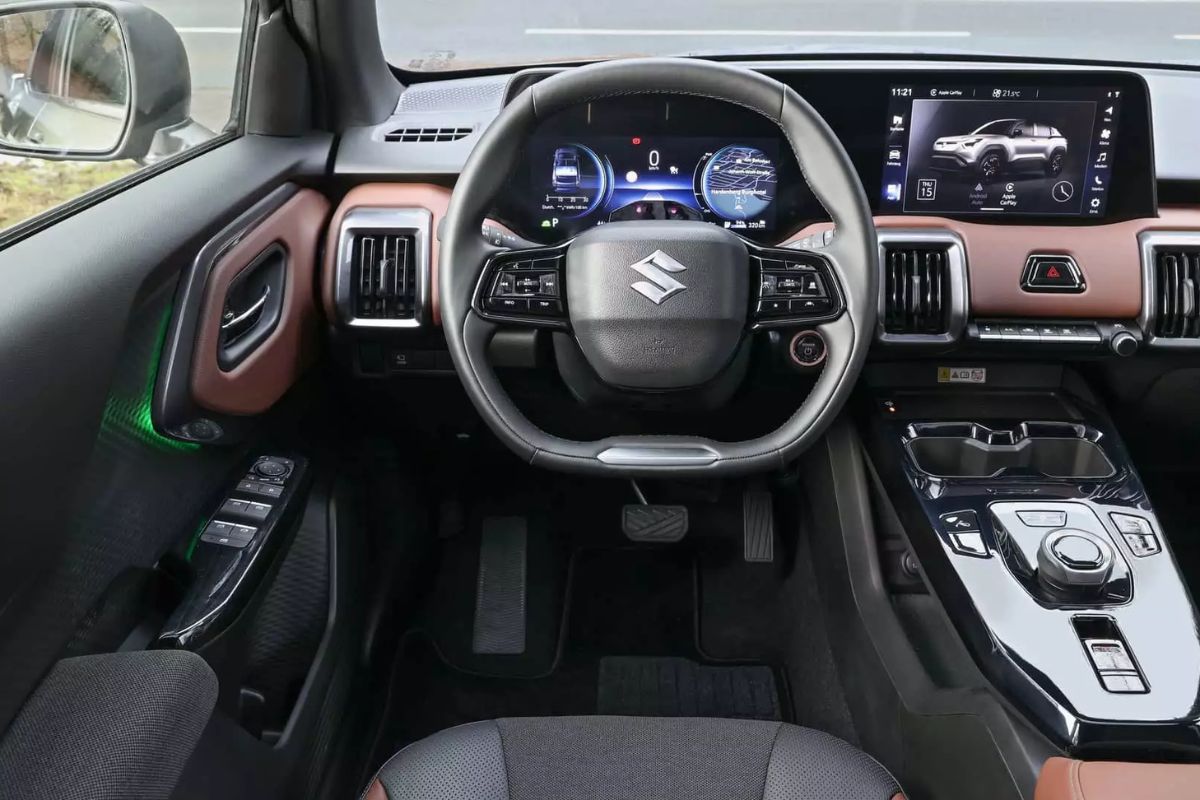
The 2026 electric Vitara arrives in Brazil and proves that Suzuki is not leaving: 4×4 traction, 184 hp, 61 kWh LFP battery, 293 km range, R$ 259,000, and a trunk capacity of 224 L.
-
Hyundai has unveiled the Boulder, a square SUV with a body-on-frame design, 37-inch mud tires, and carriage-style doors that seems to be made to take on the Ford Bronco and the Scout Traveller in the United States.

-
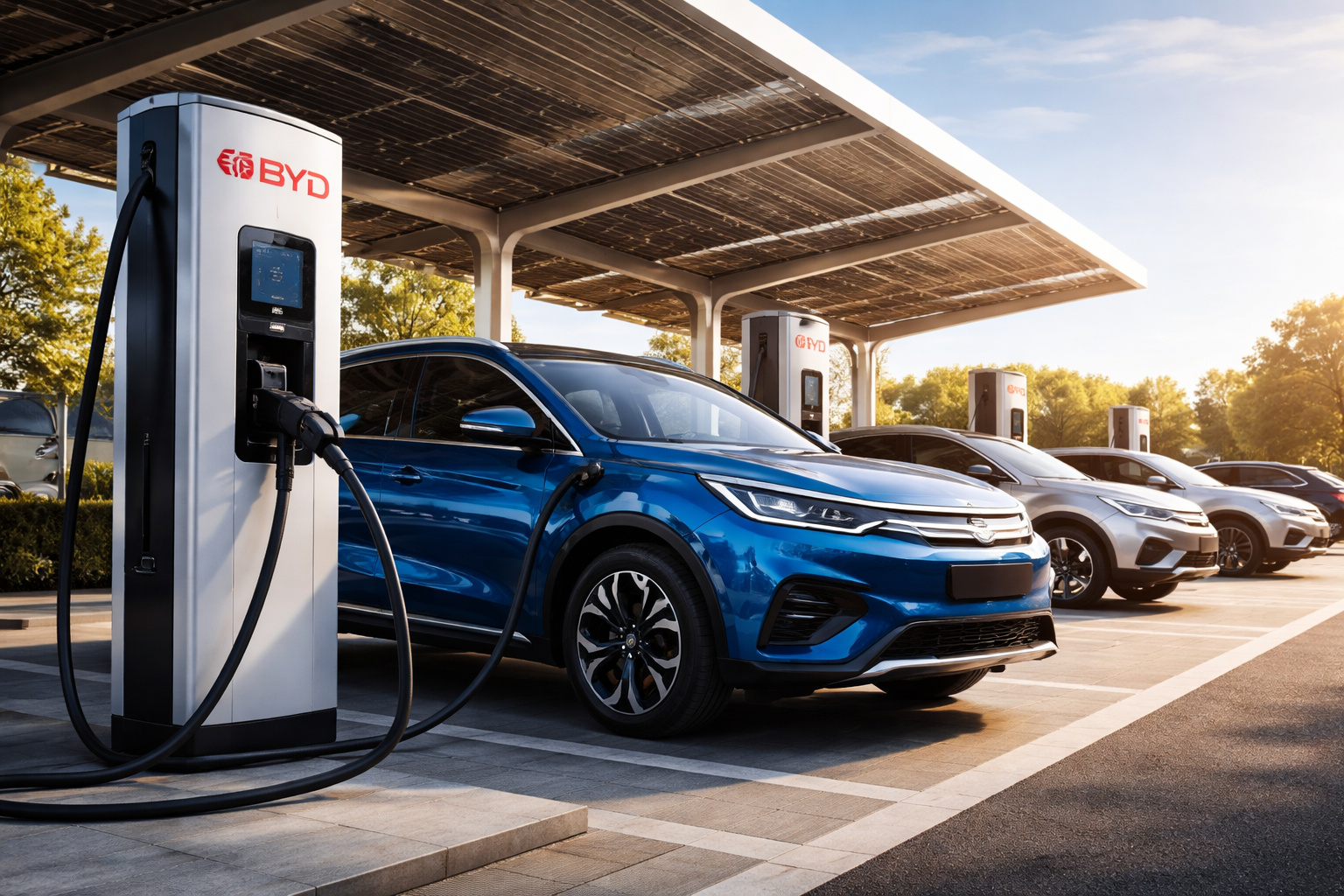
Largest public charging network in Brazil: BYD reaches 125 fast chargers and accelerates national expansion of electric mobility.

Known for consuming precious natural resources and causing considerable environmental impacts during their extraction.
The significant differential of the Pi-Pop lies in the use of supercapacitors to store and release energy.
Unlike lithium batteries that rely on chemical reactions that take time to complete, supercapacitors allow for instant storage and release of energy.
This efficiency is observed during the movement of the bicycle or when engaging the brakes, giving the Pi-Pop high efficiency in various situations, including starts and steep climbs.
Efficiency and Lifespan of the Pi-Pop
According to Lelièvre, the assistance provided by the supercapacitors is sufficient for the bicycle to tackle a climb of up to 50 meters in altitude when previously charged on flat terrain.
This feature makes the Pi-Pop a viable choice for approximately 80% of European cities.
Additionally, the lifespan of the supercapacitors in the Pi-Pop ranges from 10 to 15 years, considerably longer than the five or six years typical of a lithium battery.
Although supercapacitor technology is not new, being widely used in photovoltaic systems, digital cameras, and hybrid or electric vehicles for performance enhancement, the Pi-Pop stands out by eliminating the need for rare earth minerals.
Supercapacitors are made from materials such as carbon, conductive polymer, aluminum foil, and paper paste, all recyclable, strengthening its positive environmental footprint.
Check It Out: The PI-Pop Electric Bicycle WITHOUT A BATTERY That Exists on the Market

How Much Does It Cost to Own the Electric Bicycle Without a Battery
The Pi-Pop electric bicycle is assembled in Orleans, France, reflecting Adrien Lelièvre’s commitment to local production, associated with his belief in the importance of controlling production for innovation and job creation in the country.
Currently, STEE produces one hundred Pi-Pop bicycles per month, with ambitious projections to increase to one thousand units monthly by 2024.
Regarding the price, the Pi-Pop is available for €2,450, approximately R$ 13 thousand, according to information disclosed by the company’s website.
This innovation promises not only to transform electric mobility but also to play a crucial role in the search for sustainable solutions and in reducing the environmental impact associated with the production of traditional lithium batteries.
The Pi-Pop electric bicycle does not use a battery and positions itself as a remarkable example of the potential of technology and innovation in tackling global challenges in a more sustainable way.








Seja o primeiro a reagir!