





 Portuguese
  English
  Spanish
  3 min of reading
  0 comments


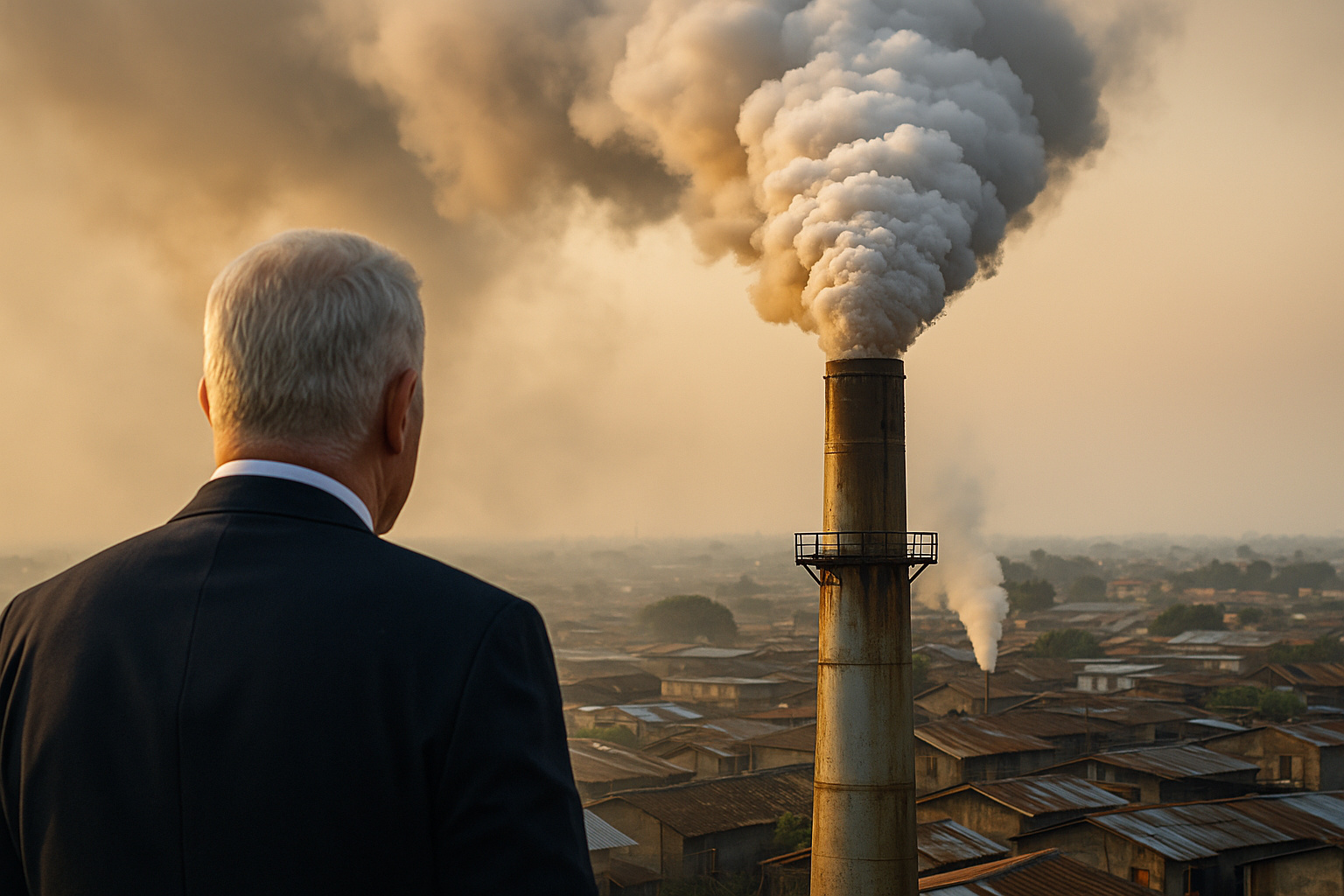
Global Report Exposes Extreme Disparity In Emissions And Calls For Drastic Cuts Among The Rich By 2030
Climate inequality is reaching alarming levels, according to the report “Climate Robbery: How A Few Powerful Are Driving The Planet To Collapse”, published by Oxfam International on October 29, 2024.
The study reveals that the richest 0.1% of the world’s population emits 800 kg of CO₂ equivalent per person every day, while the poorest half releases only 2 kg daily.
This difference shows how the lifestyle of a small elite intensifies global warming and deepens the global environmental crisis.
Rich Increase Share Of Global Emissions
Between 1990 and 2024, the richest increased their share of global emissions by 32%, while the poorest reduced theirs by 3%.
According to the Intergovernmental Panel on Climate Change (IPCC), in 1990, the planet had a limit of 1.149 gigatons of CO₂ equivalent to keep global warming below 1.5 °C, as per the Paris Agreement.
However, 89% of that limit has already been consumed, and the world is approaching a critical point. Keeping the temperature within the target will require rapid and deep changes across all sectors.
Lifestyle And Climate Responsibility
The Executive Director of Oxfam Brazil, Viviana Santiago, emphasizes that the report reinforces the principle of common but differentiated responsibilities, which should guide global actions.
For her, the consumption habits and the way of wealth generation of the rich are directly linked to disproportionate emissions.
If the entire global population lived like the top of the economic pyramid, the acceptable emissions limit to avoid climate collapse would be reached in less than three weeks, warns Santiago.
-
Embrapa’s discovery reveals an unexpected advancement by allowing the production of seedlings from the caatinga using brackish water, opening a new frontier for farmers to face drought more efficiently.
-
6 sources of free fertilizer that you are throwing away every day and can transform your garden without spending anything.
-
With a water crisis on the radar, Sabesp invests in reclaimed water for data centers and transforms sewage treatment into a solution that saves millions of liters and protects public supply.

-
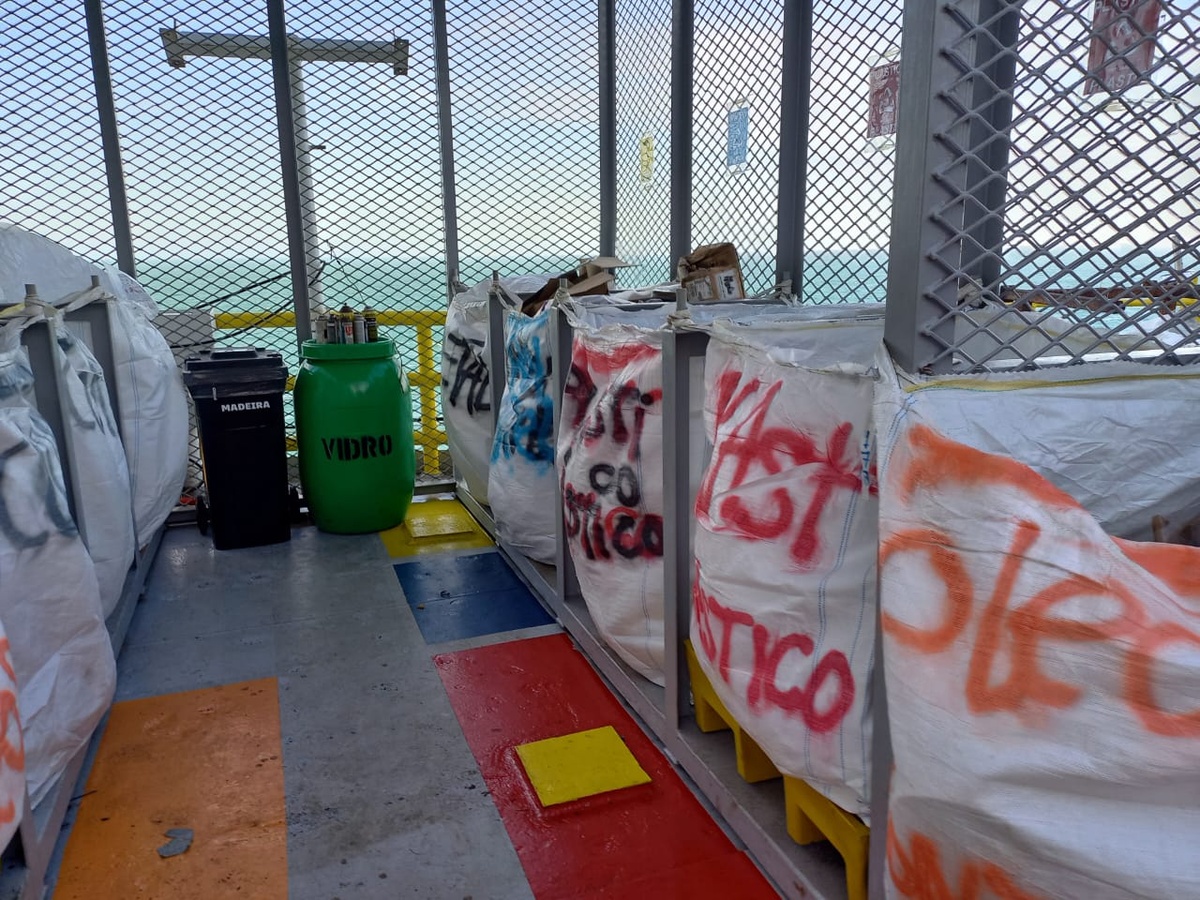
Foresea achieves 100% offshore waste reuse in 2025, eliminates landfill disposal, and consolidates sustainable strategy with 1,500 tons recycled.

Drastic Cuts And Urgency By 2030
To keep global warming below 1.5 °C, the study points out that the richest 0.1% must reduce their individual emissions by 99% by 2030. This goal is vital to ensure that the Paris Agreement remains viable.
The inequality in emissions, beyond amplifying the effects of the environmental crisis, reinforces historical injustices, as the countries and populations least responsible for climate impacts are the ones that suffer the most from its consequences.
Investments And Political Influence Expand Global Impact
The financial power of this elite also directly influences emissions. According to the report, 60% of billionaires’ investments are allocated to highly polluting sectors, such as oil, gas, and mining.
An average billionaire generates 1.9 million tons of CO₂ equivalent per year just from their investments.
In addition, the presence of representatives linked to the fossil fuel industry in decision-making spaces concerns experts.
At COP29, held in Baku (Azerbaijan) in 2024, 1,773 people related to the coal, oil, and gas sectors participated in the event, a number higher than the total delegates from the ten most climate-vulnerable countries.
Solutions To Reduce Climate Inequality
Oxfam recommends taxing extreme wealth, limiting the political influence of the super-rich, and redistributing the global climate budget.
It also advocates for strengthening traditional communities and greater participation of civil society in environmental decisions.
For the organization, the climate crisis is, above all, a crisis of inequality, in which the rich finance and profit from environmental destruction, while the majority of the population pays the price of the consequences.





Seja o primeiro a reagir!