





 Portuguese
  English
  Spanish
  3 min of reading
  0 comments


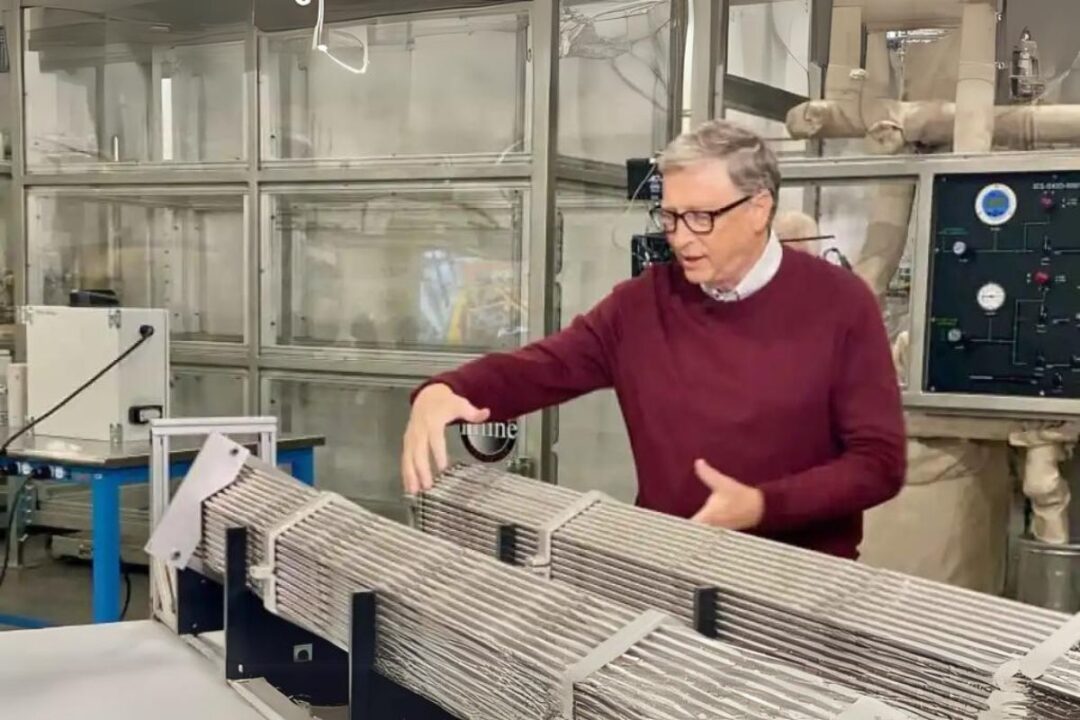
For Bill Gates, The Future Of Energy Is Not In Renewables Or Nuclear Fusion, But In A Nuclear Salt Plant Operating At Higher Temperatures Than Conventional Power Plants
Bill Gates, co-founder of Microsoft and technology visionary, has a clear perspective on the energy of the future. For him, the answer is not in traditional renewable energies or nuclear fusion, but in Natrium, an innovative sodium nuclear reactor project developed by his company TerraPower. This reactor promises to transform the way we produce and store energy, offering a clean, safe, and economical solution.
The Revolution Of Natrium: Salt-Based Nuclear Energy
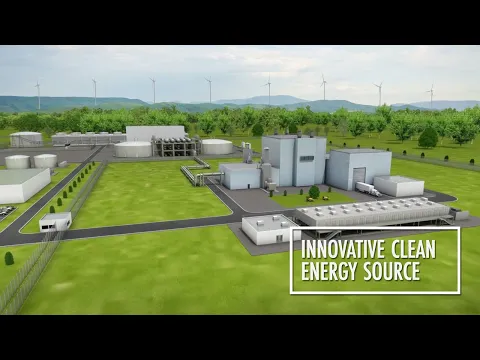
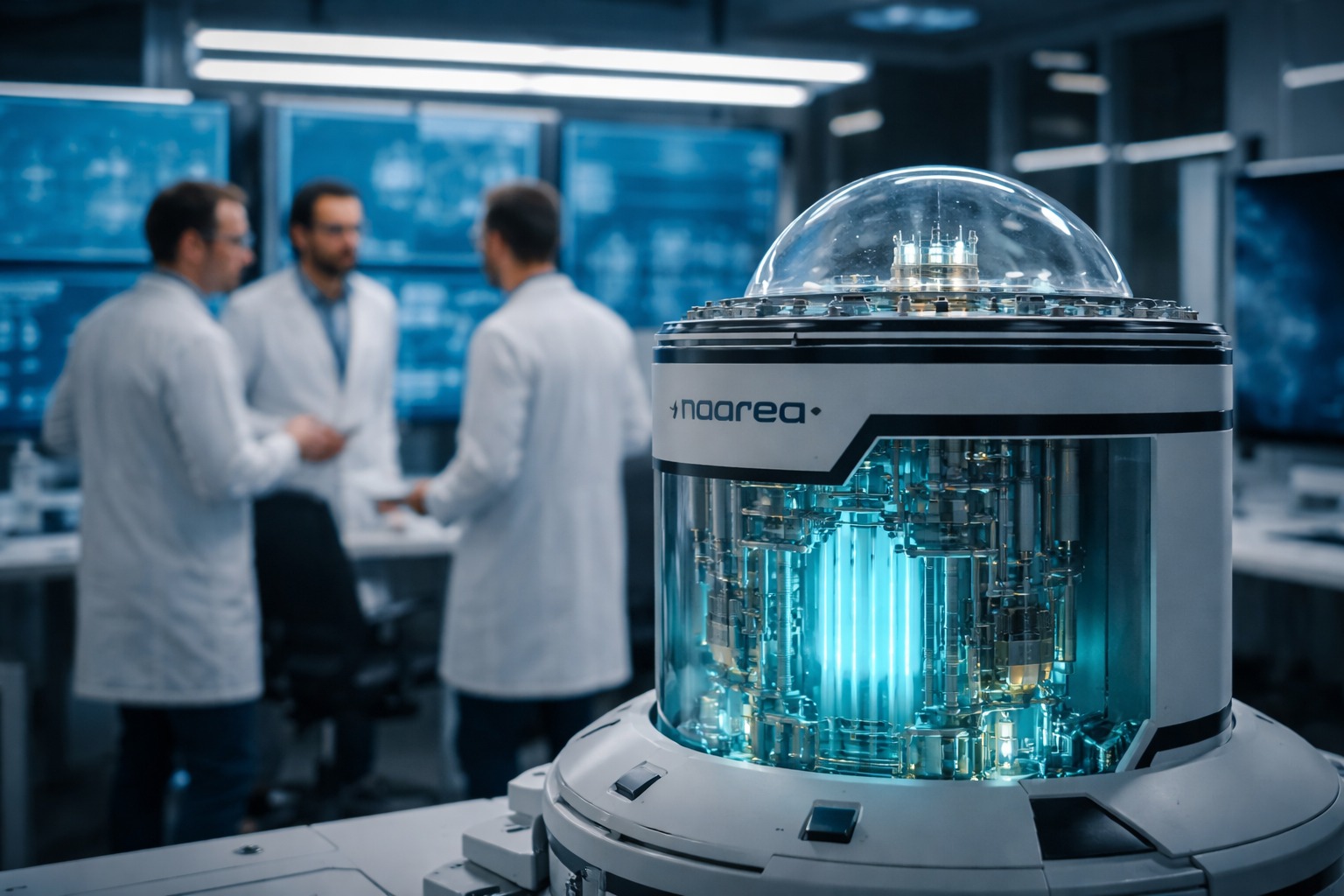
Natrium differs from conventional nuclear reactors by using a core of sodium fluoride salt and liquid sodium instead of water to control the nuclear reaction. This design allows the plant to operate at higher temperatures, increasing efficiency and energy storage capacity. Liquid sodium can absorb up to eight times more heat than water, making the process significantly more effective.

The Abundance Of Sodium: A Globally Accessible Resource
One of the great advantages of Natrium is the use of sodium, the fourth most abundant element in the Earth’s crust, consisting of 2.6% of this alkaline metal. Unlike other energy sources that depend on specific weather conditions, such as sunlight or wind, sodium is widely available around the world. Although the reactor still requires a small amount of uranium as fuel, the salt-based design makes the project attractive and feasible.
-
Fukushima Marks A Turning Point In Japan’s Energy Policy: After The Disaster, The Country Shut Down Its 54 Nuclear Reactors And, 15 Years Later, Only A Small Portion Have Returned To Operation
-
How Japan Overcame The Nuclear Bomb And Now Houses Millions In Hiroshima, While Ukraine Lost Chernobyl?

-
Bill Gates Receives Historic Approval to Build Giant 345 MW Nuclear Plant in the U.S. and Promises to Generate Up to 500 MW of Energy with Innovative Technology
-
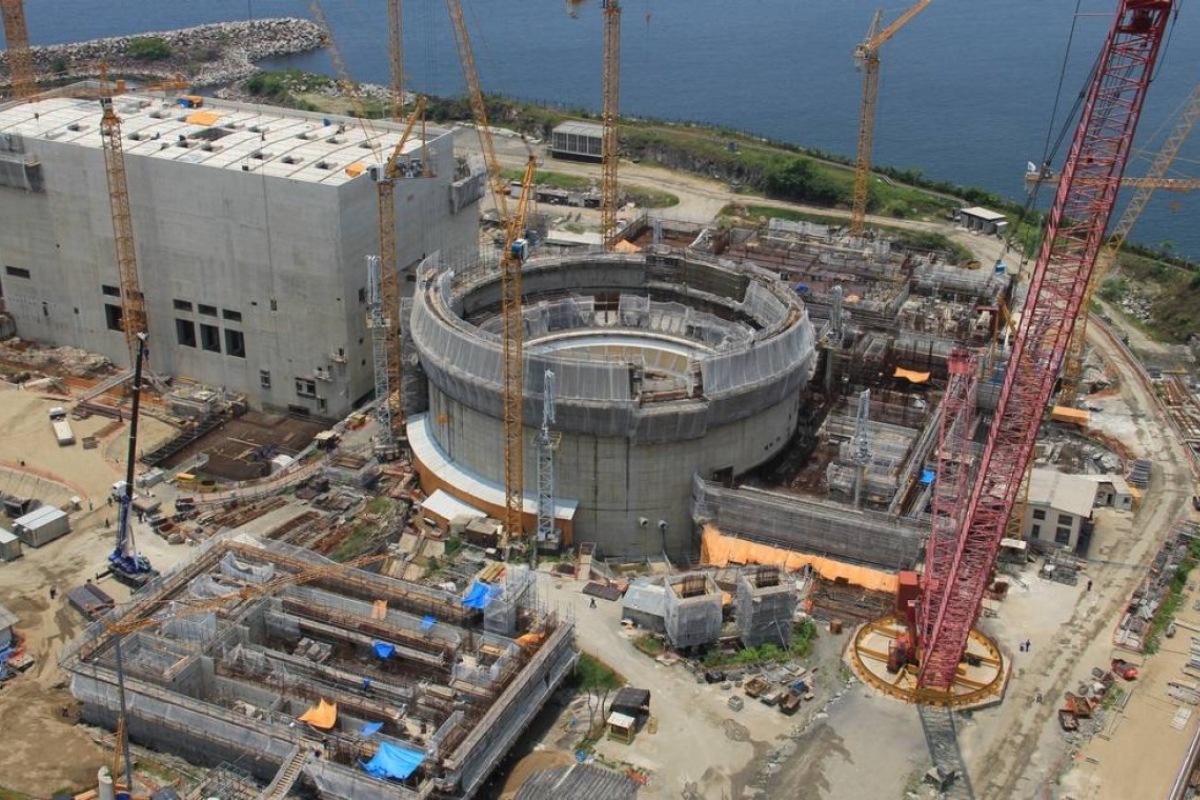
India Opens Nuclear Energy to Private Capital to Accelerate Projects and Attract Billions, While Brazil Remains Stalled at Angra 3 and Discusses Who Will Foot the Bill for Completion

Energy Storage: The Great Advantage Of Natrium
In addition to being a clean energy source, Natrium stands out for its storage capacity. The project includes a storage system based on molten salts, which can retain energy without significant losses. This system works by heating molten salts during the reactor’s operation. When there is excess energy, the salts are kept heated and store the heat. Later, when energy demand increases, the stored heat is converted back into electricity through a thermal cycle.
According to TerraPower, the first plant will have a capacity of 345 megawatts, potentially reaching 500 MW for more than five and a half hours, enough to power 400,000 homes. This storage capacity addresses one of the biggest challenges of renewable energies, such as wind and solar, whose batteries are still not sufficiently effective.
Wyoming: The Cradle Of The First Natrium Reactor
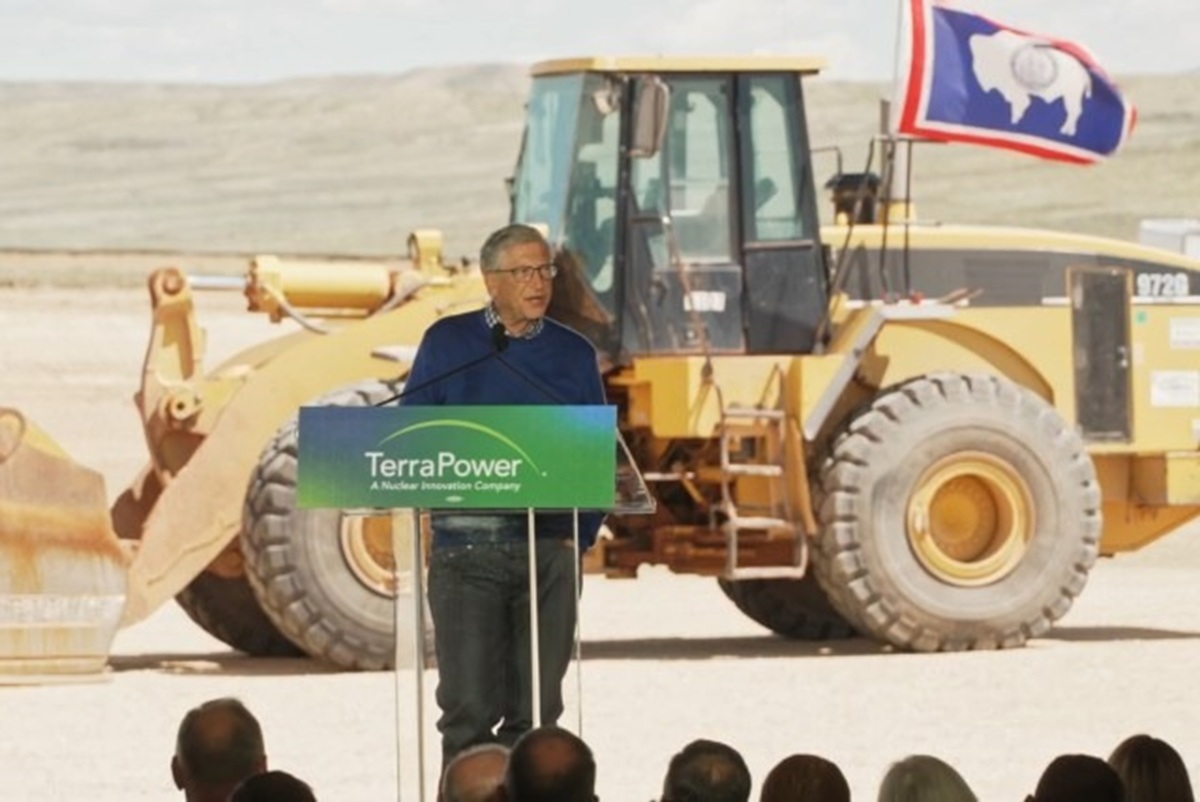
The first Natrium reactor will be installed in Wyoming, United States. In May of this year, Bill Gates visited the site, projecting that production should begin by 2030. TerraPower, in collaboration with PacifiCorp and GE-Hitachi, plans to develop up to five Natrium reactors before 2035, with three already underway, aiming to achieve a total of 1,500 MW by 2033.
International Expansion And Investments
TerraPower is not limited to the United States. The company has signed an agreement with the South Korean government and the SK and Korea Hydro & Nuclear (KHNP) groups to expand this technology. So far, it has raised $758 million in four funding rounds, with $250 million coming from the SK Group, South Korea’s largest energy company.
Economics And Efficiency: The Cost Of Natrium
According to TerraPower, the cost of a Natrium reactor is around $1 billion, significantly lower than the $25 billion required for a conventional nuclear reactor in the United States. This cost reduction is due to the fact that Natrium plants operate at lower pressure, requiring less costly materials in smaller quantities.
The Future Of Nuclear Energy
Bill Gates describes the project as “the most advanced nuclear energy in the world.” He believes that Natrium is designed to solve critical cost and safety issues, providing a viable alternative for the global energy transition. With advantages such as the use of sodium, storage capacity, and operational efficiency, Natrium has the potential to revolutionize energy production.







Seja o primeiro a reagir!