






 Portuguese
  Spanish


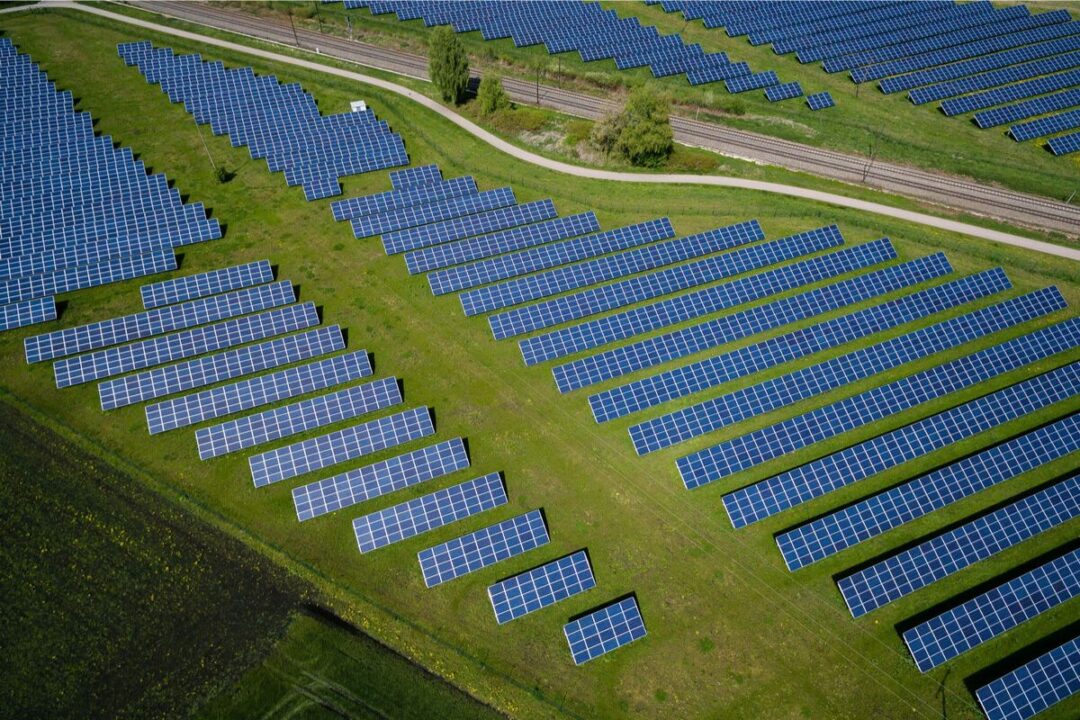

Is The End Of Fossil Fuels Near? Solar Energy Is About To Dominate The World And Transform The Energy Market Forever!
Solar energy is establishing itself as the most accessible and cost-effective long-term option, and a study confirms this for the year 2030. This advancement depends not only on technology but also on energy policies and the reduction of subsidies for fossil fuels.
Is The Price Of Solar Panels Decreasing?
The research, published in the journal Nature Communications, developed the hypothesis that a phenomenon known as “learning effect” will occur. A technology becomes cheaper due to its constant use. The study observed a reduction in the cost of solar energy and, as a result, a 25% increase in installed capacity.
The timeframe established in the report covers the years 2010 to 2020, and the researchers believe that in six years, if this trend continues, solar energy will become the cheapest as manufacturing costs decrease and, due to global market influence, it will become the most accessible source.
The Reality Of Fossil Fuels
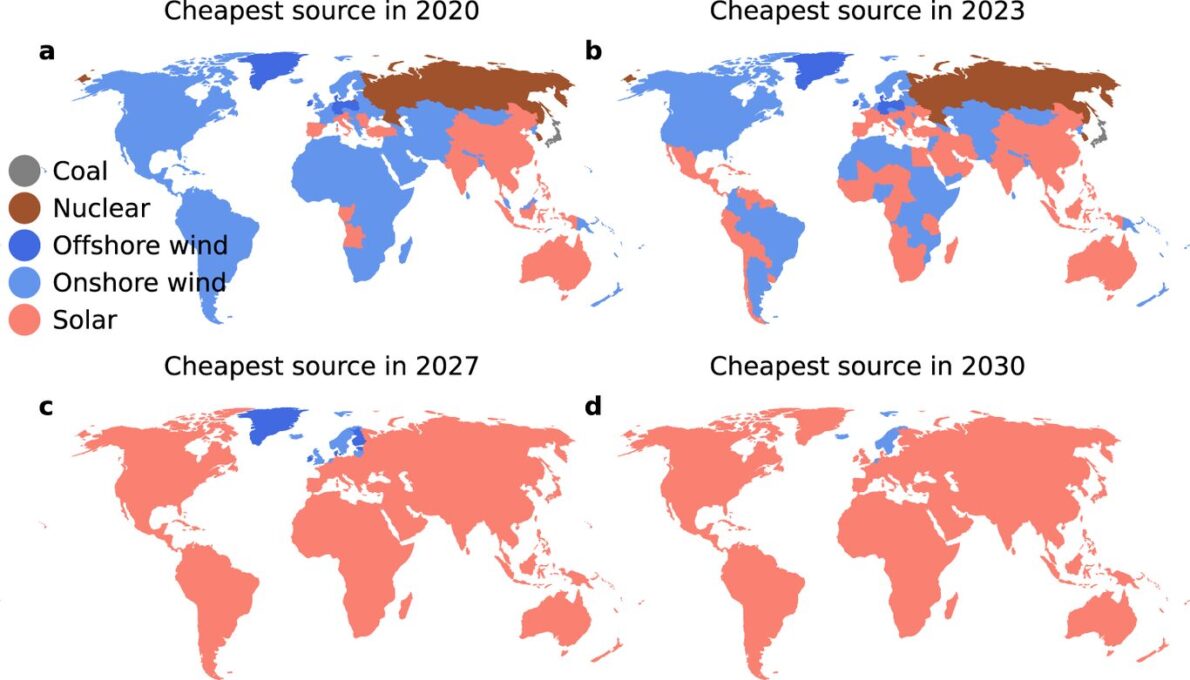
Renewable energies are gaining ground over fossil fuels and even becoming more profitable. However, subsidies for fossil fuels are three times higher than investments in renewable energies. According to the report from the International Renewable Energy Agency (Irena), G20 member countries allocated 1.4 trillion dollars in public funds for fossil fuels, contradicting their environmental commitments. Therefore, the agency states that by 2030, it will be necessary to install an average of 1,100 GW of renewable capacity annually to surpass conventional fuels.
-
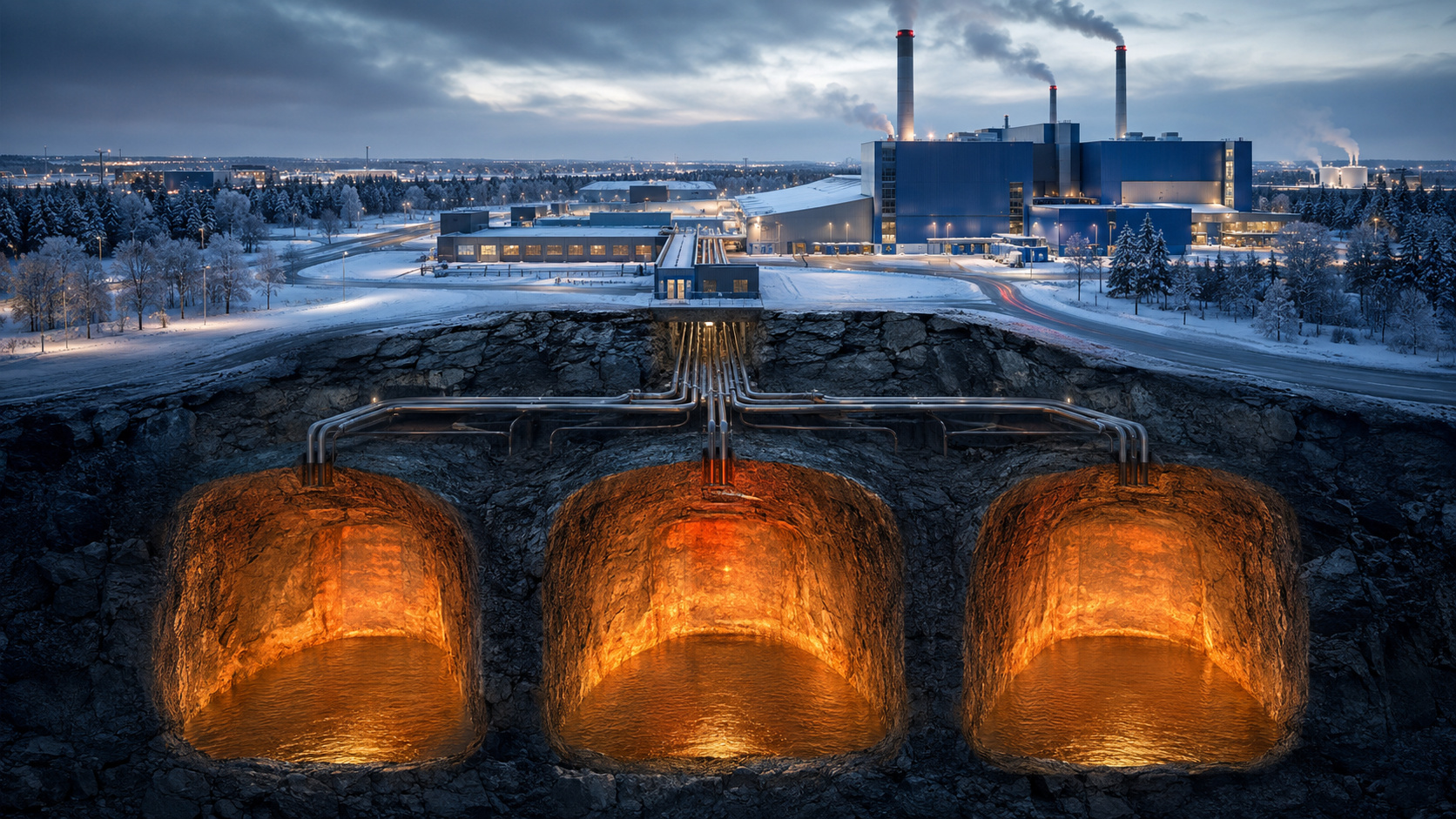
California Project Aims to Store Heat Underground in Former Oil Reservoir to Generate 100 kW of Electricity for Over 12 Hours

-
French Port Harnesses Industrial Waste Heat to Power Up to 30,000 Homes
-
Belgian Port to Install Shore Power for Cruise Ships by 2027, Cutting Dock Emissions by Up to 5% and Meeting EU Regulations
-
Canadian Project Converts Hot Water from Mature Oil Fields into Electricity, Repurposing Existing Wells and Infrastructure




The Challenges And Seasonal Intermittency In Renewable Energy
Scientists have identified other impediments that may delay the mass adoption of renewable energy. Among the challenges are dependence on the sun and wind, uneven investment from countries in renewable energies, and many will continue to opt for coal burning.
Renewables do not produce energy consistently because they depend on weather conditions. Therefore, energy storage becomes crucial. In countries like China, this represents a challenge, and alternatives are being explored in other industries, such as using car batteries for stationary storage. However, creating batteries requires the extraction of minerals that are increasingly scarce, expensive, and cause social conflicts.
Impact On Electricity Bills And Self-Consumption
Researchers believe that there will be a positive impact on electricity bills, as long as the cost reductions continue. Recently, it was reported that electricity prices could drop by almost half in Spain within six years. However, this will only happen if subsidies for fossil fuels are reduced and if there are improvements in energy storage.
Self-consumption is also on the rise. Many homes are already adopting different prototypes to install solar panels, whether on balconies or through small wind turbines. Additionally, batteries are being developed to store excess energy generated in households.
Will Climate Commitments Be Met?
Overall, the agreements established by nations, such as the Paris Agreement or the Glasgow Pact, aim to limit the increase in the planet’s temperature. Although many countries have committed to reducing emissions, we are still far from the targets. For example, China leads in renewable energy, but still relies heavily on fossil fuels. Similarly, the European Union needs to increase its installed renewable capacity.
However, the predominance of renewable energies will depend not only on climate policies but also on future market dynamics.








Acho que esses empresários
do setor elétrico só querem ganhar dinheiro, estão querendo moderniza o país com energia renovável, não dá pra entender esses donos da verdade.