





 Portuguese
  English
  Spanish
  4 min of reading
  0 comments


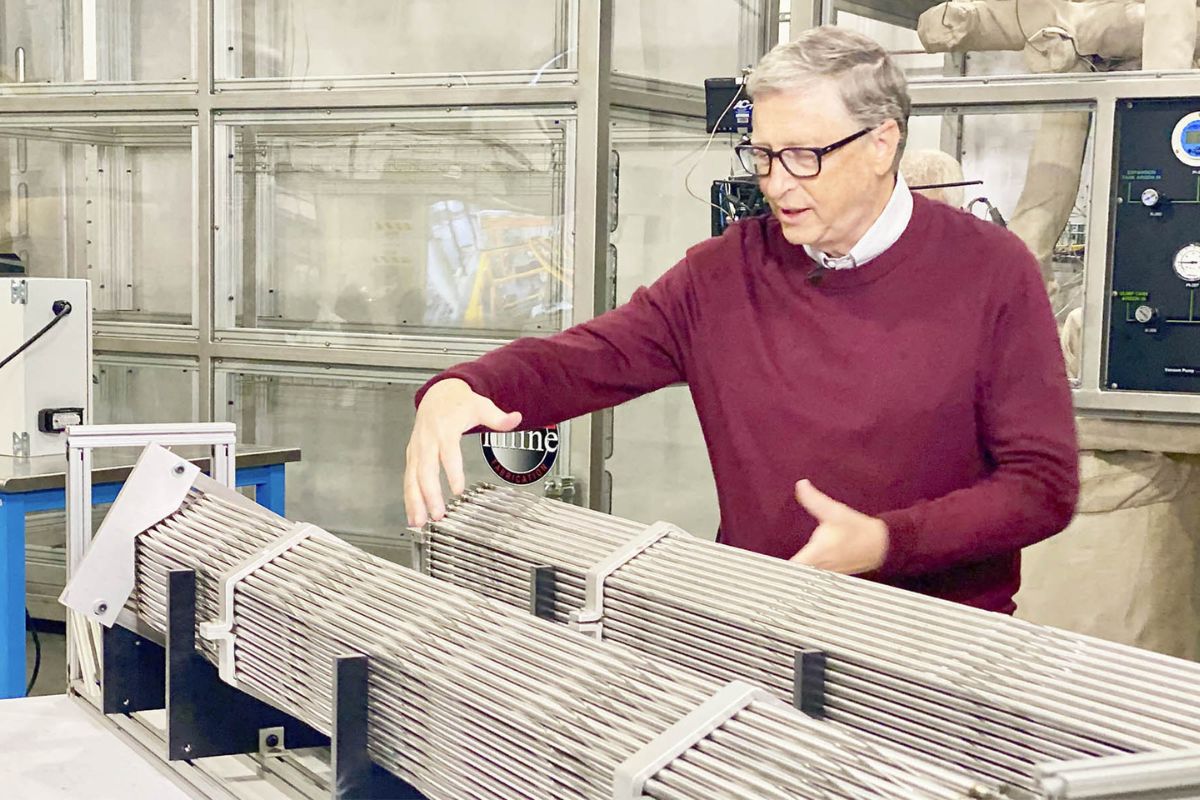
Bill Gates Joins Forces with Hyundai to Create Ships Powered by SMR Nuclear Reactors. Will This Be the Future of Global Shipping without CO2?
The partnership between American billionaire Bill Gates and South Korean giant Hyundai promises to open a new chapter in the history of clean energy. The initiative combines the development of small modular reactors (SMR) with shipbuilding, bringing the possibility of ships powered by advanced, safer, and more efficient nuclear energy.
If realized, this strategy could transform global maritime trade, currently responsible for about 3% of CO₂ emissions worldwide — a figure equivalent to the total pollution of entire countries like Japan or Germany.
The Natrium Reactor and Energy Innovation
Through his company TerraPower, founded in 2008, Bill Gates has been advocating for the adoption of fourth-generation nuclear technologies capable of overcoming the risks and limitations of conventional models.
-
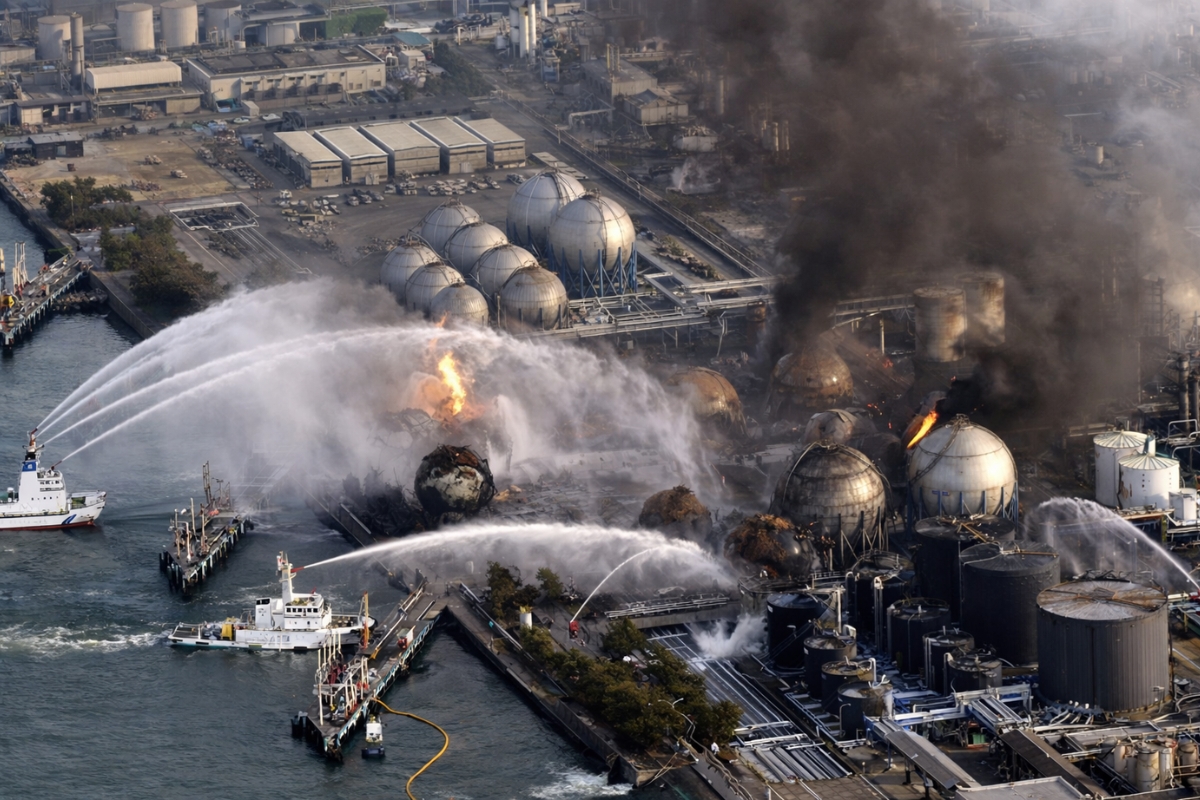
Fukushima Marks A Turning Point In Japan’s Energy Policy: After The Disaster, The Country Shut Down Its 54 Nuclear Reactors And, 15 Years Later, Only A Small Portion Have Returned To Operation
-
How Japan Overcame The Nuclear Bomb And Now Houses Millions In Hiroshima, While Ukraine Lost Chernobyl?

-
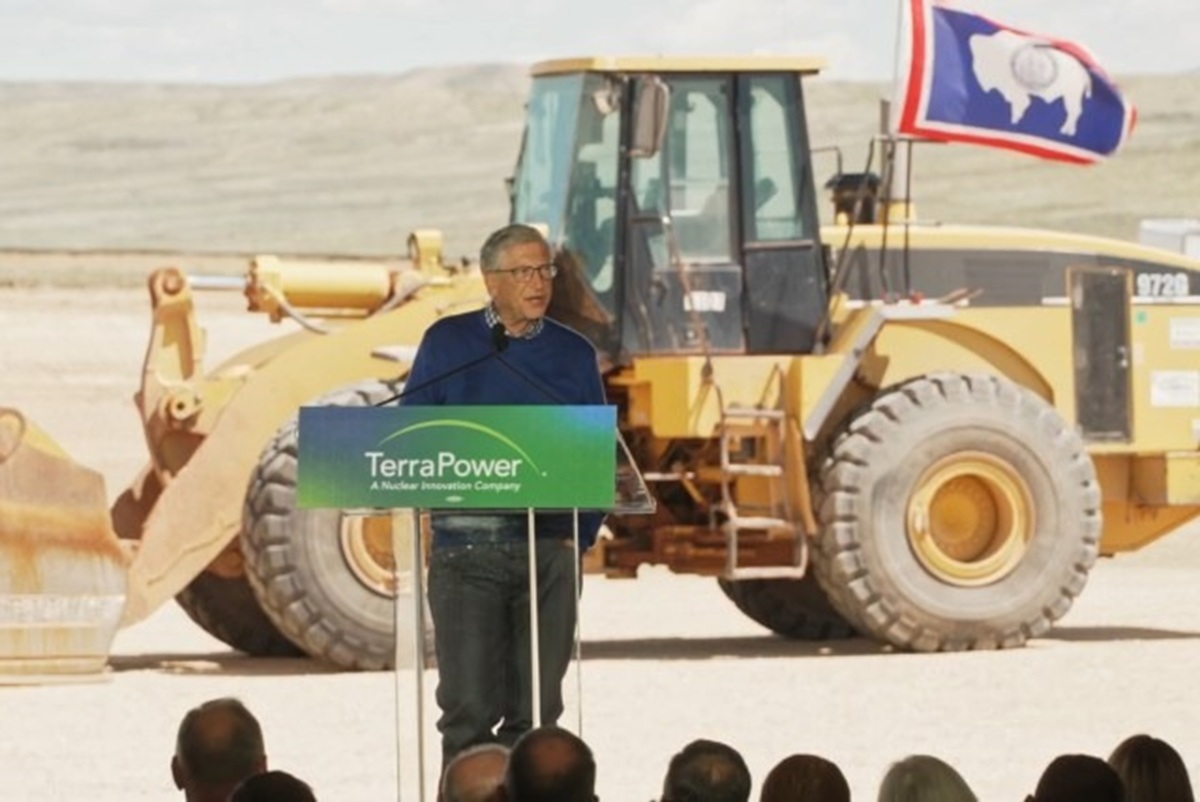
Bill Gates Receives Historic Approval to Build Giant 345 MW Nuclear Plant in the U.S. and Promises to Generate Up to 500 MW of Energy with Innovative Technology
-
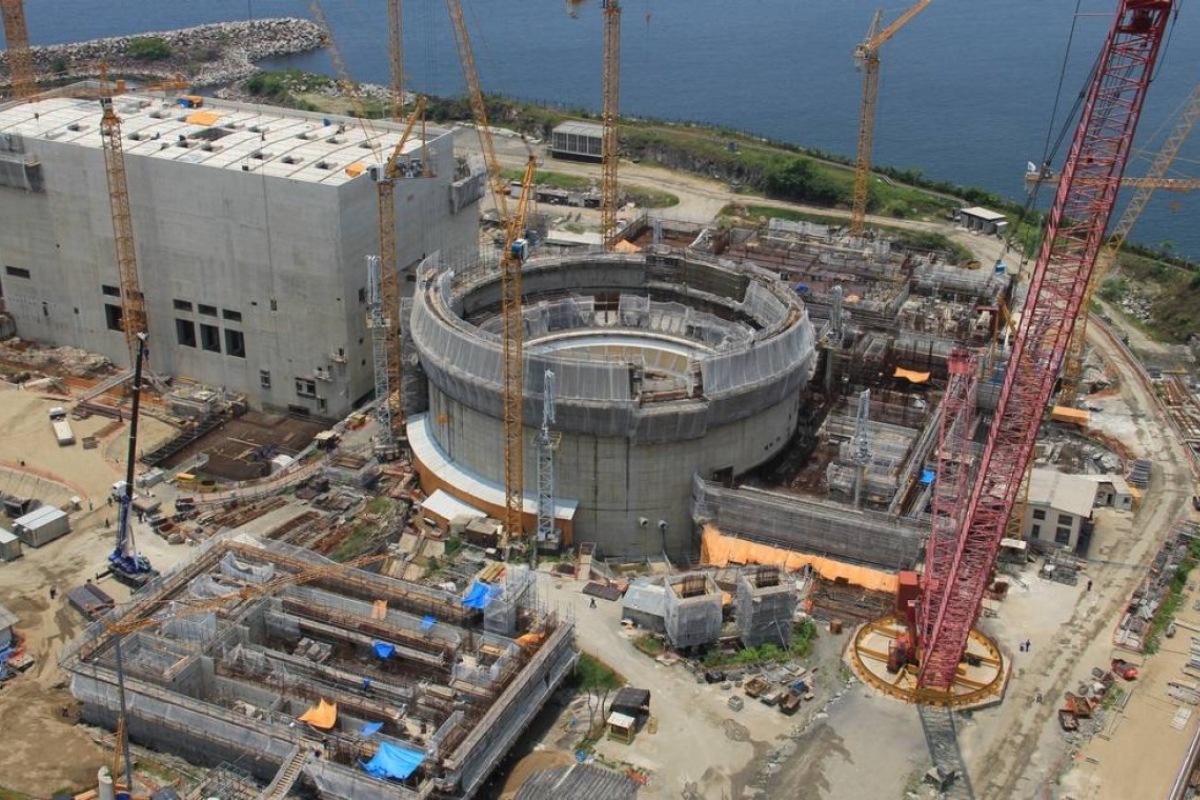
India Opens Nuclear Energy to Private Capital to Accelerate Projects and Attract Billions, While Brazil Remains Stalled at Angra 3 and Discusses Who Will Foot the Bill for Completion

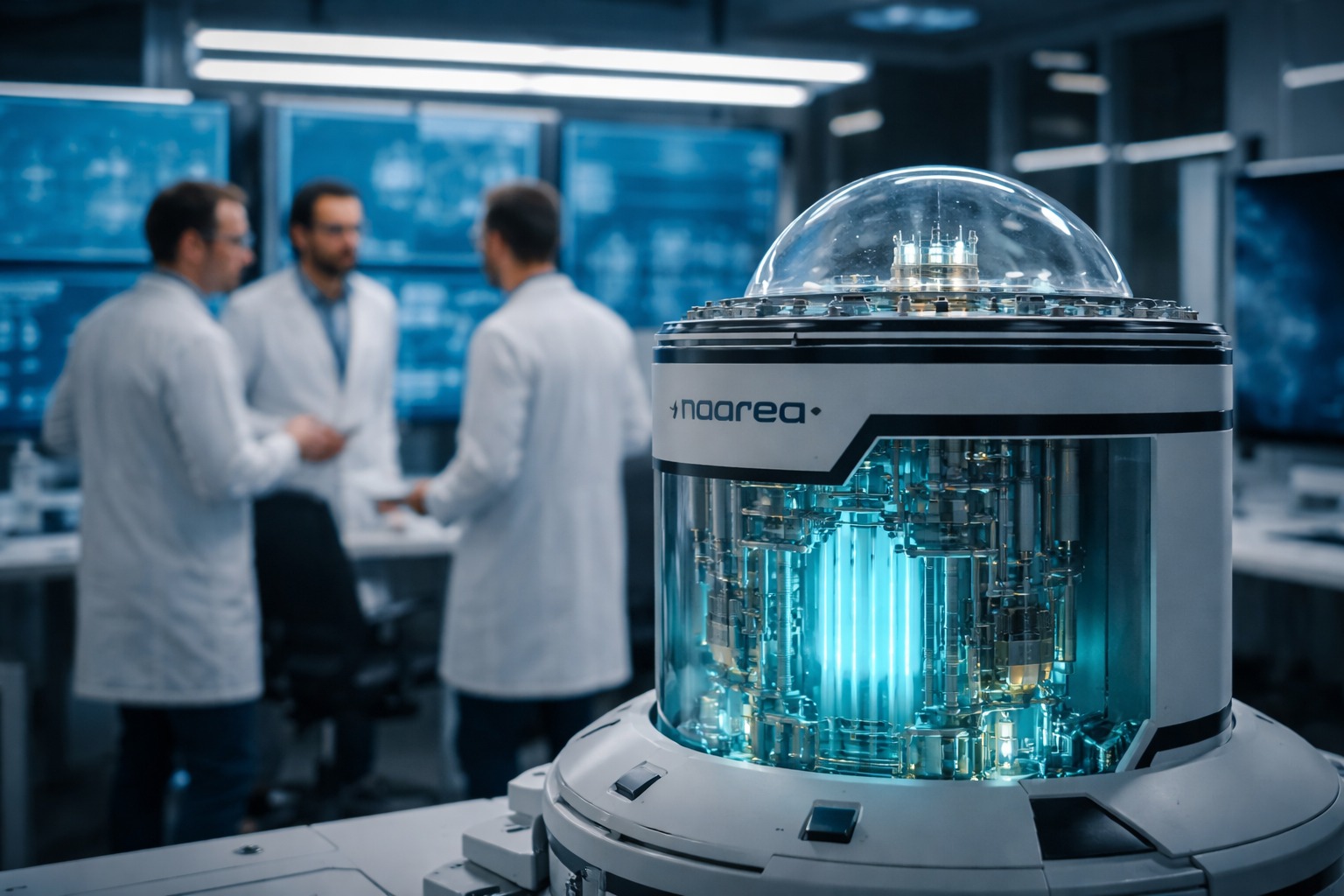
The most advanced project in this field is the Natrium, developed in partnership with Bechtel. It is a sodium-cooled reactor with a molten salt storage system of up to 1 GWh.
This configuration offers unprecedented advantages: it eliminates the risk of overpressure associated with pressurized water reactors, reduces radioactive waste, and allows for modular electricity generation according to demand.
This means the Natrium could serve as support for intermittent renewable energies, such as solar and wind, ensuring stability for electrical grids.
According to Bill Gates, this is the opportunity to place nuclear energy “at the center of the global energy transition,” combining reliability and competitive costs.
The bet is that the Natrium can also play a key role in advancing electric mobility on land by providing energy for hydrogen production and electric vehicle charging stations.
Hyundai Enters the Scene: Nuclear Maritime Transport
Intercontinental maritime transport has faced the challenge of reducing its carbon footprint for years. Alternatives such as LNG (liquefied natural gas), hybrid engines, green ammonia, and advanced biofuels have been tested, but none have managed to combine autonomy, scalability, and economic viability on routes of thousands of kilometers.
It is in this scenario that SMRs emerge. With much higher energy density and practically unlimited autonomy, these reactors are ideal for large vessels.
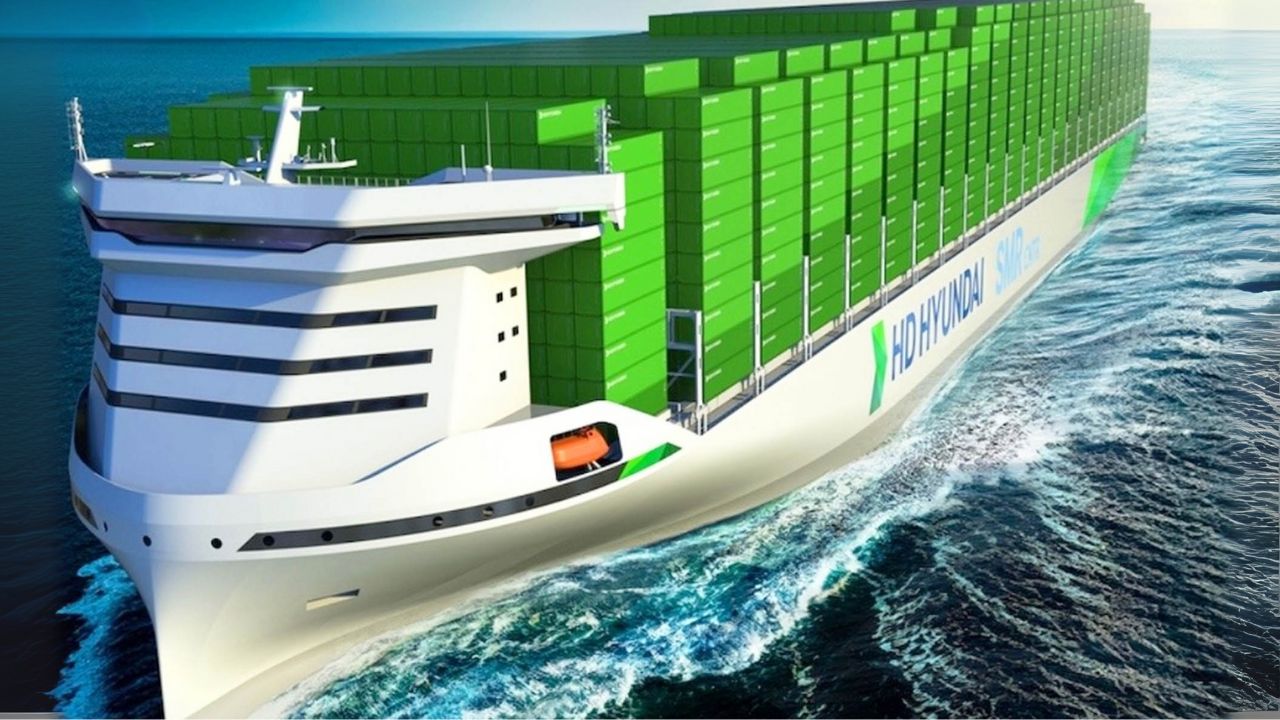
In August 2025, Bill Gates finalized a strategic agreement in Seoul with HD Hyundai, one of the largest shipyards in the world. The goal: to integrate SMRs into container ships of 15,000 TEU already under development, a project that has received preliminary approval from ABS (American Bureau of Shipping).
Hyundai’s executive vice president, Chung Kisun, stated that the technology could represent a “turning point in global supply chains,” leading the maritime sector to energy independence without direct carbon emissions.
The company has already earmarked over US$ 200 million (approximately R$ 1 billion) for this project, with plans to launch the first nuclear vessels by 2030.
Additionally, Hyundai is exploring complementary models, such as floating nuclear platforms and vessels with power of up to 240 MW, capable of producing hydrogen offshore.
This clean fuel could be distributed to power trucks, buses, and even aircraft, connecting the maritime sector to electric land mobility.

TerraPower and the Leap from Research to Practical Application
Bill Gates’s involvement goes beyond funding. TerraPower seeks to consolidate sodium-cooled fast reactors as a viable and safe alternative.
According to the company’s CEO, Chris Levesque, Hyundai’s industrial expertise is essential to transform decades of research into practical products.
He emphasized that SMRs have decisive advantages: they can be mass-produced, have lower costs compared to large nuclear plants, and require less space. Besides powering ships, they can operate in floating electric grids or in green hydrogen production.
Nonetheless, the challenges are significant. The main hurdle lies in the international regulatory framework. Neither maritime nor nuclear regulations were designed to accommodate the installation of reactors on commercial ships.
Issues such as radioactive waste management, safety protocols in case of an accident, and public acceptance of nuclear energy on a large scale still need to be resolved.
The Future of Nuclear Energy in Global Transportation
Despite the obstacles, the movement by Gates and Hyundai projects consequences that go beyond navigation.
The capability to generate clean energy offshore could reinforce terrestrial electric grids and supply the global hydrogen chain, considered a key piece in the decarbonization of heavy industry and transportation.
If it reaches industrial scale, this technology could drastically reduce dependence on oil in the maritime sector, open new hydrogen export markets, and consolidate SMRs as protagonists of the energy transition.
For Bill Gates, the equation is clear: “Nuclear energy is essential to meet long-term climate goals.” And with Hyundai as a partner, this vision could become more than just a futuristic idea; it could become reality by the end of the decade.








Seja o primeiro a reagir!