






 Portuguese
  Spanish
  4 min of reading
  0 comments


Bill Gates’ Controversial Plan Aims to Block Part of Solar Light to Slow Global Warming – Understand the Risks and Costs
In recent years, we have witnessed a ramping up of efforts to combat global warming, but traditional solutions – such as reducing carbon emissions – are being seen by some as insufficient in the face of theclimate emergency. At the heart of the latest controversy is solar geoengineering, a climate manipulation concept that aims to artificially cool the planet.
Tech companies and entrepreneurs from Silicon Valley, such as the startup Make Sunsets, are taking bold initiatives to implement these techniques, but the risks involved are as great as the promises. After all, is solar geoengineering the ultimate solution to global warming, or are we playing with forces that could bring unpredictable and devastating consequences?
What Is Solar Geoengineering?
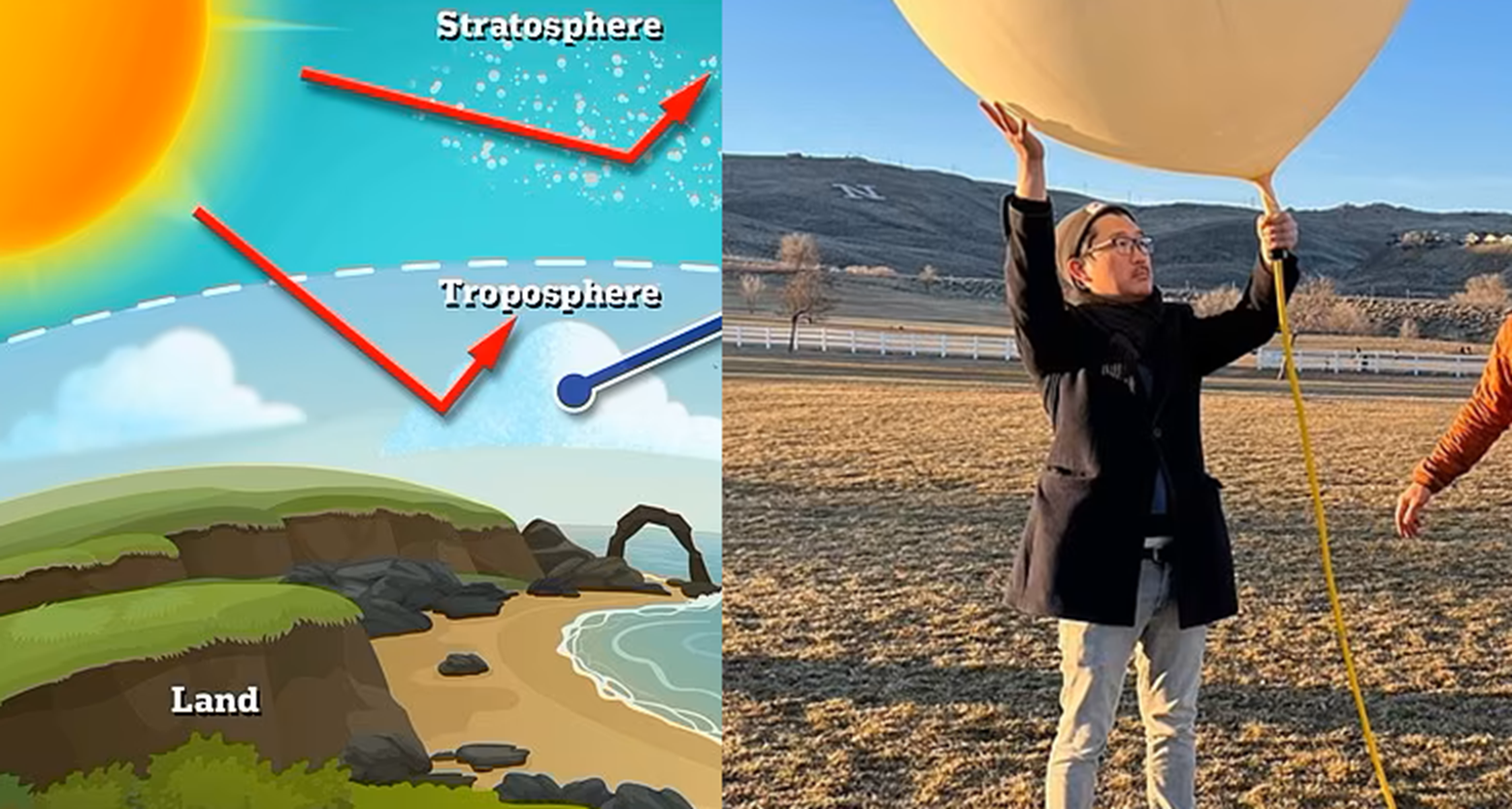
Solar geoengineering is a field of research aimed at manipulating the planet’s climate by reflecting solar radiation back into space, thereby reducing global temperatures. The most well-known and debated technique is “stratospheric aerosol injection” (SAI), where particles, such as sulfate, are released into the stratosphere to reflect sunlight.
-
Engineering students create a low-cost 3D-printed wheelchair for dogs and help the paralyzed dog Bili, who was born without legs, walk again for R$ 448.

-
Man creates ingenious hack with pipes buried 2.4 meters deep and transforms snow into a tropical fruit greenhouse; system created by a retired mailman uses ground heat, produces oranges and lemons in Nebraska’s winter and has already turned into more than 700 kits sold.
-
An African fish is terraforming lakes by altering sediments, increasing turbidity, and changing the food chain: the silent advance of the tilapia Oreochromis niloticus

-
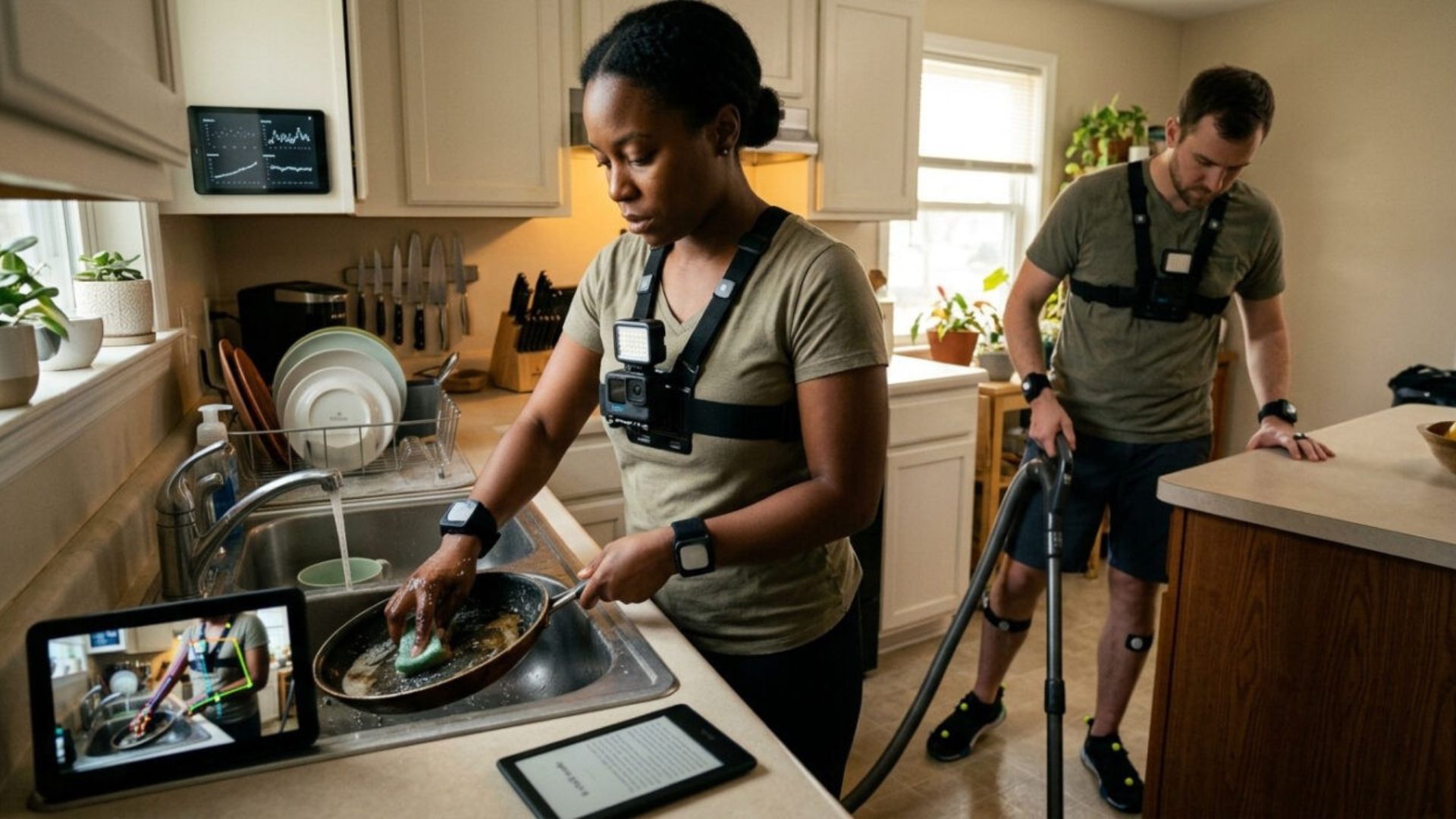
In the USA, thousands of people are being paid to wash dishes and clean the house with body cameras, every movement turning into data to train robots to imitate humans, in a new “digital gig” that could redefine the future of domestic work.



This approach is inspired by the effects of major volcanic eruptions, such as that of Mount Pinatubo in 1991, which resulted in a temporary cooling of the Earth.
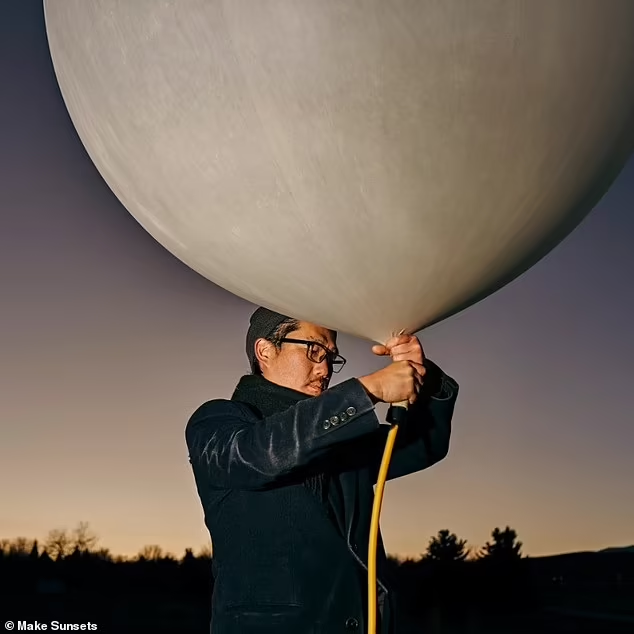
However, what was once a scientific theory has now become a testing ground for venture capital-funded startups. Companies like Make Sunsets, backed by big names in technology such as Microsoft founder Bill Gates and OpenAI CEO Sam Altman, are already launching aerosol balloons in Mexico.
The idea is to sell “cooling credits” to companies that wish to offset their carbon emissions, offering them a quick and innovative solution to combat global warming. But is this innovation safe? Experts are divided.
The Dangers and Uncertainties
Critics of solar geoengineering point to the catastrophic and unpredictable harmful consequences of these techniques. Researchers from various fields warn that climate manipulation could result in regional droughts, crop failures, and even changes in atmospheric currents that affect the global climate.
Adrian Hindes, a researcher at the Australian National University, explains that Make Sunsets’ efforts, for example, are far from reaching a scale capable of significantly impacting the global climate.
Even so, he does not rule out the possibility that, in the future, experiments like these could cause local changes in climate that affectagriculture and water availability.
Another critic is Dr. Shuchi Talati from American University, who views Make Sunsets’ business model as a “speculative form of ‘junk credit’.” According to him, selling cooling credits may not have the desired practical effect, in addition to fostering a false sense of security for the companies that purchase these credits.
For Talati and others, implementing geoengineering techniques should be highly controlled and regulated, with robust international governance. But, with private companies leading the movement, this seems far from happening.
Real Experiments and Past Lessons
To better understand the potential impact of solar geoengineering, it is worth looking at past experiments and real-life examples. In 2021, a project backed by Bill Gates attempted to launch a balloon filled with chalk dust into the stratosphere in the Swedish city of Kiruna. The idea was to test the dispersion of particles to reflect sunlight.
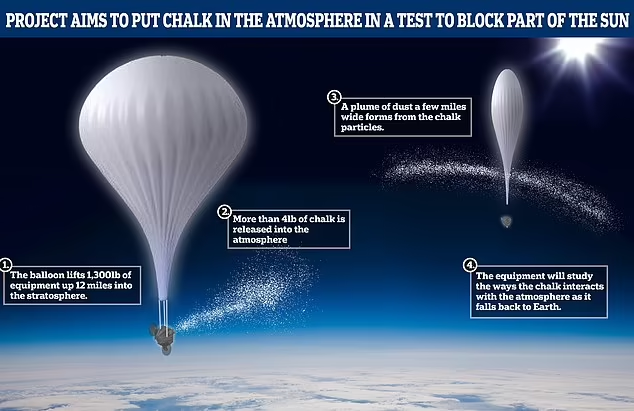
However, after years of criticism and ethical concerns, Harvard University shut down the project. Although there was academic interest, it became clear that the public and authorities were not ready to accept such experiments, especially without a full understanding of their risks.
The Tech Elites’ Bet
It is not surprising that figures from Silicon Valley are investing in solar geoengineering. The technology attracts those who believe in the power of innovation and the market to solve global problems. But this simplistic approach may fail to account for the complexity of ecosystems and the impact on local communities and vulnerable countries.
For instance, the Mexican Ministry of the Environment harshly criticized Make Sunsets for conducting experiments without the authorization of the Mexican government. Such behavior raises questions about ethics and responsibility among tech companies when dealing with global issues.
Final Reflections: Is Solar Geoengineering a Solution?
As global warming progresses, it is understandable that new solutions are explored, but how far are we willing to accept the risks of solar geoengineering? Experts like Dr. David Kitchen remind us that these techniques are merely stopgap solutions designed to temporarily mitigate the symptoms of climate change, not its causes.
He argues that geoengineering-based solutions reflect our failure to address the real issue: the urgent need to reduce carbon emissions and transition to a sustainable economy.
Ultimately, solar geoengineering does not solve fundamental problems, such as ocean acidification, which threatens marine ecosystems. As chemist Frank Keutsch from Harvard University pointed out, these necessary technologies are seen as a last resort to avoid catastrophic warming scenarios, not as a permanent solution.
Professor Stuart Haszeldine compared geoengineering to an addictive drug: once we start, we cannot stop. This metaphor captures the essence of the uncertainty and dependence we think of when manipulating the planet’s climate.




-

1 person reacted to this.