





 Portuguese
  English
  Spanish
  6 min of reading
  0 comments


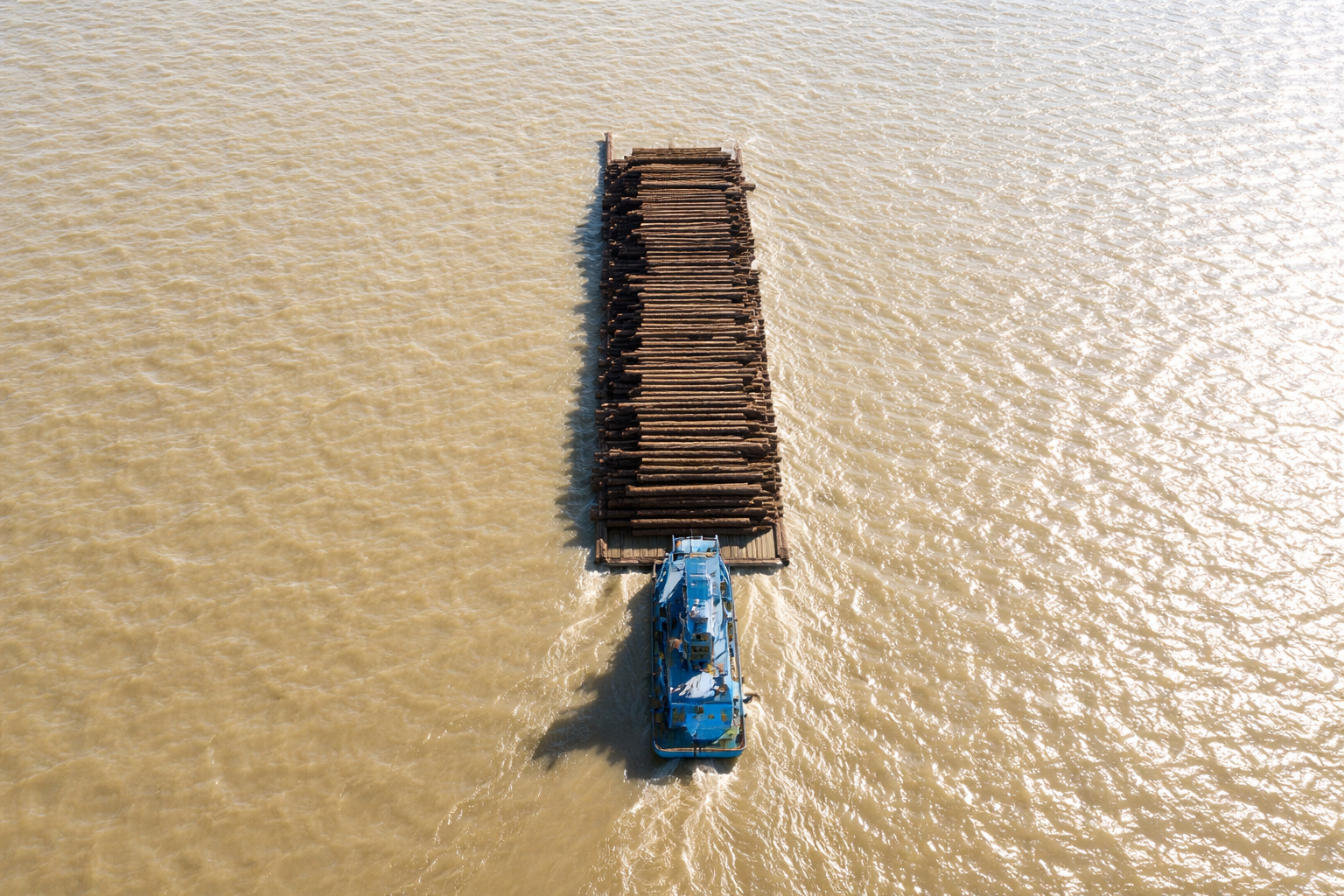
The World Bank approved a strategic financing aimed at expanding renewable energy in isolated communities and urban centers in the Amazon, promoting sustainable development and the professional qualification of the local population.
The World Bank officially approved a new billion-dollar financing package aimed at expanding renewable energy in several states of the Amazon region. Thus focusing on replacing diesel generators with clean sources and creating specialized job fronts.
The project sets an ambitious goal of providing stable and sustainable electricity to thousands of families currently living in isolated systems. Therefore, utilizing the solar and biomass potential of the largest tropical rainforest in the world.
This initiative not only reduces greenhouse gas emissions but also connects small producers and local entrepreneurs to the digital market, boosting the bioeconomy of the region. In addition to the physical installation of panels and turbines, the program includes specific funds for the technical training of young people and adults. Preparing the local workforce for the demands of the energy transition.
-
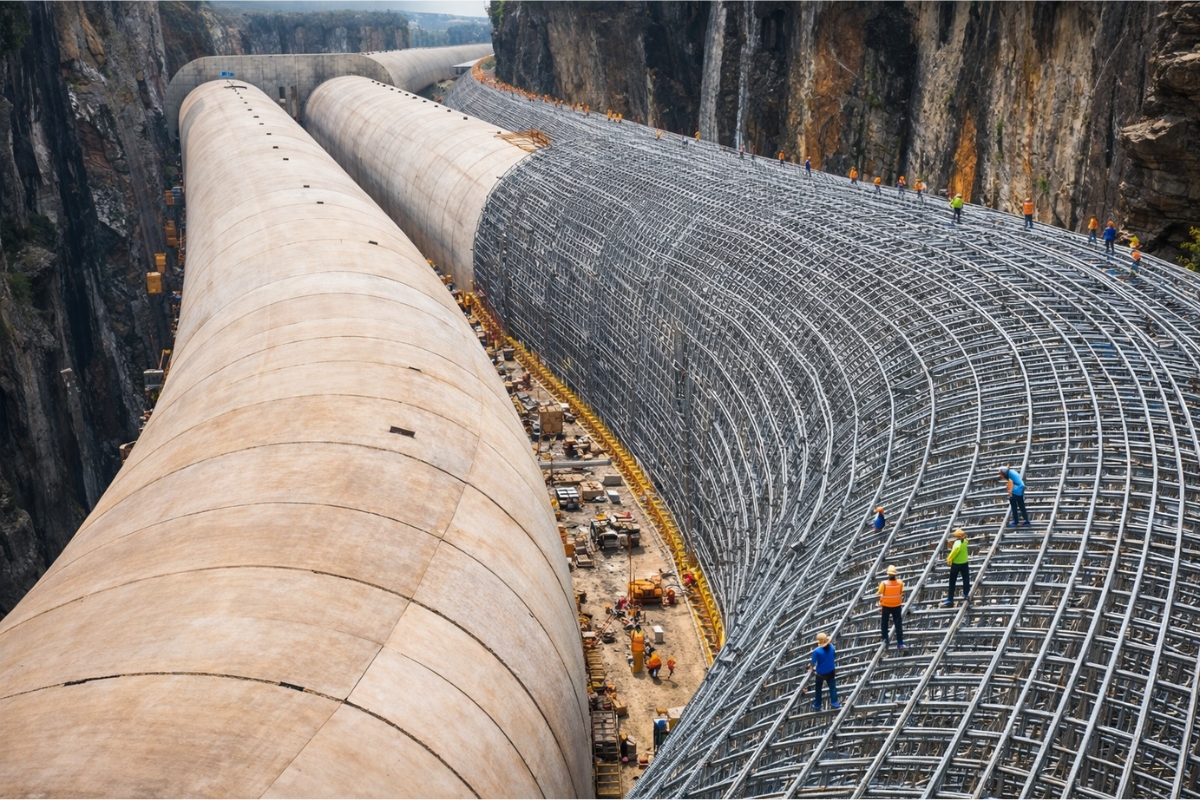
Switzerland invested over $2.3 billion and bet on water, altitude, and solid rock to create a battery in the Alps capable of powering more than 1 million homes.
-
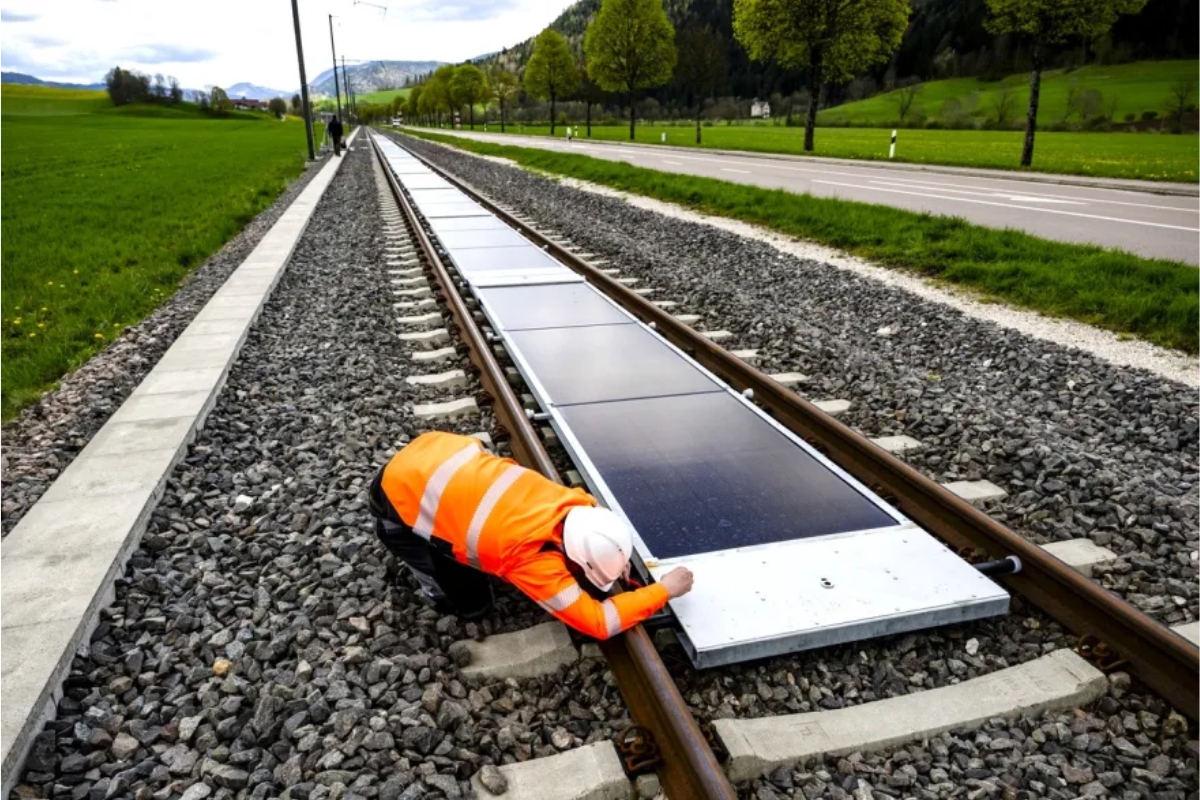
In Switzerland, tracks that previously only accommodated trains are beginning to generate electricity with removable solar panels installed on active railways, paving the way to transform the railway network into a new front for clean energy.
-
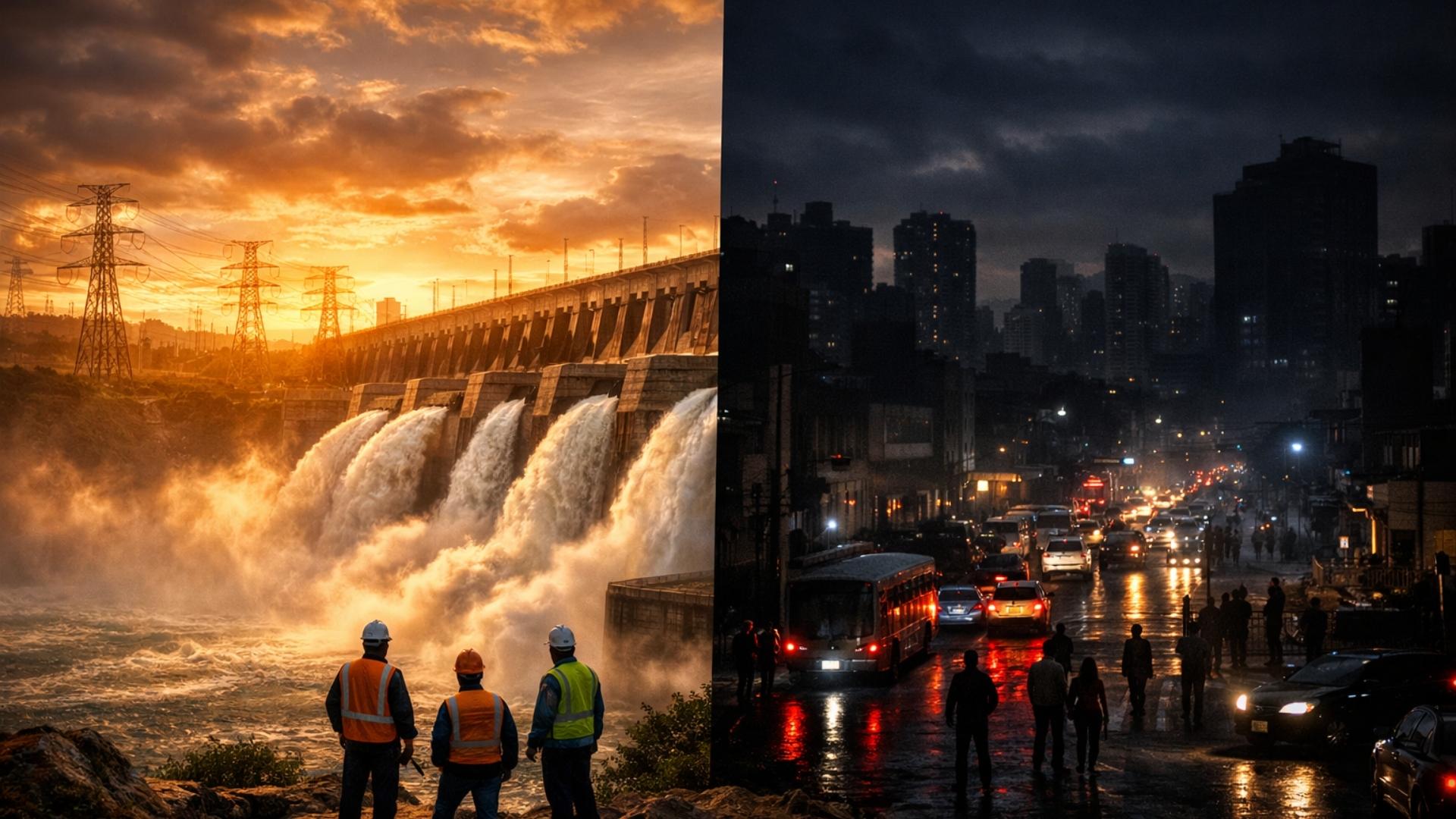
Brazil raises alarm to avoid blackout: the country may need 3 Itaipus and is already wasting up to 5,135 MW of energy on days of excess solar.
-
Renewable energy advances over protected areas in Brazil, and a survey by the Energy Transition Observatory reveals silent impacts that challenge environmental conservation and pressure sensitive traditional territories.

The direct impact of this investment is seen in the reduction of operational costs for municipalities and the improvement of quality of life. Ensuring that economic progress goes hand in hand with environmental preservation.
The World Bank’s strategic plan to expand renewable energy in the Amazon
The World Bank’s decision to allocate resources to expand renewable energy in the Amazon reflects a paradigm shift in international infrastructure financing.
The project prioritizes the installation of photovoltaic systems in riverside, indigenous, and quilombola communities that currently depend on the irregular supply of thermoelectric plants. The cost of transporting fossil fuel into the forest is extremely high and environmentally risky. This makes solar energy the most logical and cost-effective solution in the long run.
The bank’s technical teams and the Brazilian government designed a model that uses smart microgrids. These networks allow each community to generate its own energy and store the surplus in state-of-the-art batteries. This way, ensuring supply during the night or in periods of heavy rain.

The project also includes the modernization of the electrical grid in capitals such as Manaus and Porto Velho, integrating large-scale renewable sources into the National Interconnected System (SIN). This integration increases the resilience of the Brazilian energy system and reduces pressure on hydropower plants during periods of extreme drought.
Real impact on job creation and professional qualification
One of the most important pillars of this new financing lies in the creation of “green jobs“. When the World Bank decides to expand renewable energy, it mobilizes an entire production chain that requires qualified professionals on the factory floor and in the field.
The project estimates the creation of more than 20,000 direct and indirect jobs over the next five years. Covering everything from the assembly of metal structures to the configuration of energy management software.
Technical education institutions in the North region will receive support to adapt their curricula to new technologies. The goal is to train solar electricians, wind turbine maintenance technicians, and biomass managers recruited from within the benefiting communities.
This strategy avoids the displacement of labor from other regions and ensures that the income generated by the project remains in the Amazon. The young riverside dweller, who previously saw few prospects beyond subsistence agriculture, now finds a promising and well-paid career in the maintenance of solar systems.
The replacement of diesel and the decarbonization of the forest
Currently, hundreds of locations in the Amazon operate as “isolated systems,” burning thousands of liters of diesel oil daily to keep lights and refrigerators running.
The initiative to expand renewable energy directly addresses this problem, reducing the complex and polluting logistics of fuel barges that cross the Amazon rivers. Diesel, besides being expensive, poses a constant risk of spills in aquatic ecosystems, thus threatening local fauna and flora.
The replacement of these thermoelectric plants with solar parks and biomass plants (which use açaí waste, legalized wood, and other seeds) represents a leap in the decarbonization of Brazil. The World Bank requires rigorous CO2 reduction metrics to maintain the flow of resources, which forces public managers to maintain the efficiency of the systems.
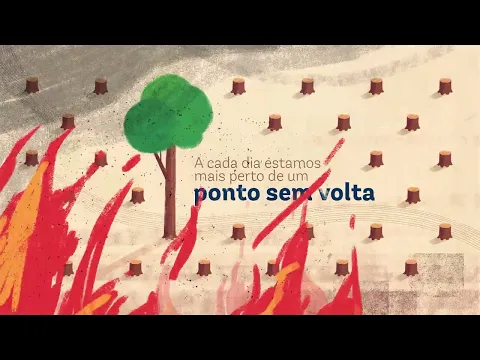

For the local resident, the change means the end of the incessant noise from generators and the guarantee of energy that does not “flicker” and does not damage sensitive electronic devices, such as computers and medical equipment.
Strengthening the bioeconomy and digital inclusion
Stable electricity serves as the foundation for any modern economic activity. By expanding renewable energy, the World Bank allows small producers of fruit pulp, essential oils, and nuts to install cold storage and more efficient processing units.
Before solar electricity, much of the production was lost due to lack of proper refrigeration or had to be sold quickly at low prices to middlemen.
With quality energy, digital inclusion also becomes a tangible reality. Satellite internet antennas and community computing centers depend on a reliable energy source. The project fosters the creation of digital cooperatives, where riverside dwellers can sell their products directly to the end consumer in large urban centers or even abroad.
Clean technology breaks geographic isolation and gives economic voice to those living in the forest, proving that it is possible to generate wealth while keeping the tree standing.
The role of storage technology and lithium batteries
The major challenge of expanding renewable energy in tropical regions like the Amazon is intermittency, meaning that the sun does not shine 24 hours a day. To address this, the project approved by the World Bank includes the largest investment ever seen in battery storage systems (BESS) in the North region.
Thus, these lithium batteries and new flow technologies allow for storing energy generated during peak solar hours for use during periods of high demand.
This storage technology reduces the need to keep combustion engines as “backup.” The project’s engineers are working to optimize the lifecycle of these batteries, planning recycling and proper disposal to avoid new environmental impacts.
Technological innovation applied to the forest transforms the Amazon into a global laboratory for decentralized energy, attracting the interest of researchers and technology companies from various countries that wish to replicate the model in other tropical regions of the planet.
Governance and transparency in the use of international resources
To ensure that every dollar invested reaches its destination, the World Bank has established strict governance mechanisms. The plan to expand renewable energy includes independent audits and monitoring by civil society organizations.
The project divides resources into phases, where the release of the next installment depends on the achievement of verifiable social and environmental goals. This transparency attracts other private investors who wish to co-finance the works, expanding the reach of the original project.

The participation of local leaders in decision-making is also a mandatory rule. Before installing any panel, companies conduct public consultations to understand the specific needs of each community.
In some regions, the priority is public lighting for safety; in others, the priority is energy for pumping potable water. This respect for the self-determination of communities ensures the social sustainability of the project and avoids territorial conflicts. Strengthening the relationship between industrial development and traditional rights.
A new horizon for the sustainable Amazon to expand renewable energy
The project approved by the World Bank to expand renewable energy represents a milestone in the history of Brazilian infrastructure. By combining solar technology with local knowledge and the need for preservation, Brazil shows the world that the Amazon can be a motor of innovation and social progress, for example.
The energy transition in the forest is not just a technical goal, but a tool for social justice that brings dignity to those who care for the greatest biodiversity on Earth.
The success of this initiative now depends on the agility in executing the works and the constant maintenance of the installed systems. With clean energy, green jobs, and cutting-edge technology, the Amazon is on its way to becoming a global example of sustainable development.
The future of the forest necessarily involves the democratization of renewable energy, ensuring that progress does not leave anyone behind and that the oxygen and energy of the world continue to come from a strong Brazil aware of its environmental responsibilities.







Seja o primeiro a reagir!