





 Portuguese
  English
  Spanish
  5 min of reading
  0 comments


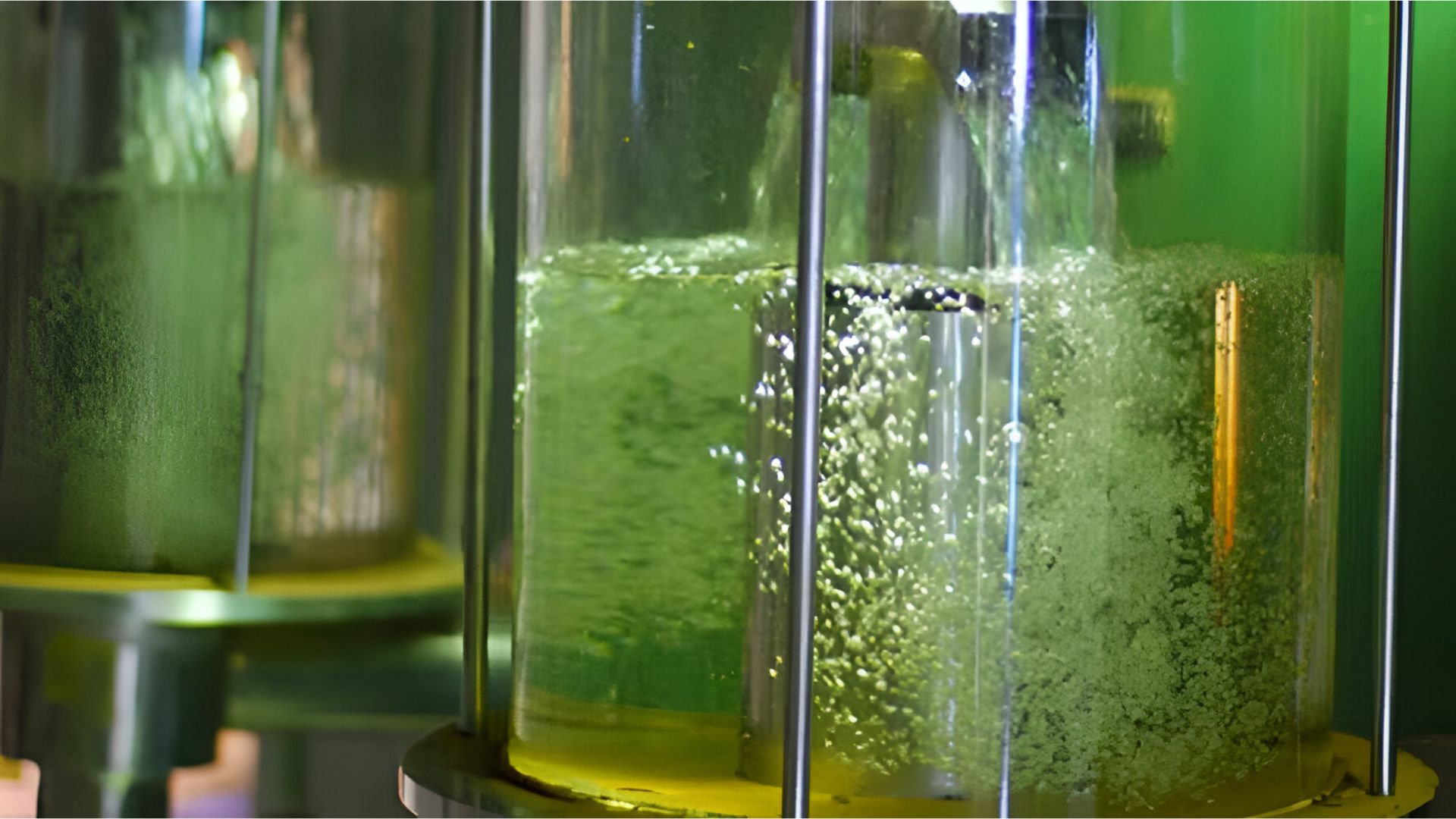
The Advancement of Biofuels Accelerates the Energy Transition in Brazil, with New Investments in Ethanol, Biodiesel, and SAF Following the Approval of the Fuel Law and More Ambitious Environmental Goals.
Brazil enters a new phase of investments in clean energy. According to an article published by Globo Rural this Monday (19), the national biofuels industry is expected to receive R$ 106.7 billion by 2035, driven by the expansion of production capacity for ethanol, biodiesel, and SAF, according to official estimates from the Energy Research Company (EPE).
This movement is stimulated by the Future Fuel Law, which creates blending mandates, emissions reduction targets, and regulatory instruments to accelerate the energy transition in Brazil. This is one of the largest investment cycles ever recorded in the sector, with a direct impact on the energy matrix, agribusiness, industry, and the national climate agenda.
Future Fuel Law Promotes Biofuels in Brazil
The Future Fuel Law represents a new regulatory framework for biofuels in Brazil, establishing clear guidelines for the expansion of renewable sources and the reduction of greenhouse gas emissions.
-
CNPE strengthens policy and prevents imported biodiesel from being mixed with diesel, aiming to strengthen the Brazilian industry and protect jobs by reducing external dependence amid tensions in the global market.

-
Revolution in public transport: Goiânia puts into circulation the first articulated buses powered by biomethane in Brazil and promises to drastically reduce pollution on the Anhanguera Corridor.

-
From the field to the pipelines: Mato Grosso do Sul accelerates the energy transition and consolidates a new axis in renewable energy with the arrival of a giant biogas plant.

-
The Economist states that Brazil has a “secret weapon” against expensive oil and highlights how the country can reduce economic impacts even in international scenarios of high volatility.


When enacted, the public policy came with the federal government’s estimate of unlocking up to R$ 270 billion in investments over the coming years. A significant part of this potential is already beginning to materialize, as indicated by the technical survey from the EPE, which mapped projects authorized by the National Agency of Petroleum, Natural Gas and Biofuels (ANP), announced investments, and sectoral projections.
Regulatory predictability has become the sector’s main asset. With clear rules, the environment has become more attractive to national and international investors.
Ethanol Leads Investments in Biofuels in Brazil
Ethanol accounts for the largest share of the planned funding. According to the EPE, R$ 66.2 billion in investments are expected to be directed toward expanding ethanol production by 2035, considering different technological routes.
The investments include projects for sugarcane ethanol, corn ethanol, and second-generation ethanol (E2G), produced from agricultural waste. This advancement reinforces the historical role of ethanol in the Brazilian energy matrix, now associated with efficiency gains and technological innovation.
Moreover, the Future Fuel Law allows for an increase in the blend of anhydrous ethanol in gasoline, currently at 30%, up to 35%, conditioned on technical tests already commissioned by the Ministry of Mines and Energy. Ethanol is no longer just a complementary fuel and is now positioned strategically in the energy transition.
Biodiesel Advances with New Mandates Under the Fuel Law
The biodiesel sector is also expected to experience consistent growth over the next decade. According to the EPE survey, R$ 9.5 billion in investments in biodiesel are anticipated by 2035.
The Future Fuel Law establishes a gradual increase in the mandatory blend of biodiesel into fossil diesel, with a limit of up to 20%. Currently, the percentage is 15%, and any increase depends on technical tests already requested by the federal government.
Increasing biodiesel contributes to reducing emissions in heavy transportation, in addition to strengthening productive chains linked to agribusiness and the vegetable oil industry.
SAF Gains Strategic Relevance Among Biofuels
Sustainable Aviation Fuel (SAF) emerges as one of the most strategic segments of the new investment cycle in biofuels. According to the EPE, R$ 27.9 billion in capex is expected for SAF and green diesel projects by 2035.
One of the largest announcements was made by Acelen, controlled by Mubadala Capital, which confirmed a US$ 3 billion investment for building a biorefinery in southern Bahia in 2025. The project aims to produce SAF from macauba, a raw material with high energy potential. SAF is considered essential for the decarbonization of aviation, a sector facing the greatest technological challenges to reduce emissions.
Biomethane Gains Strength with the Future Fuel Law
Among the segments that responded most quickly to the new legislation is biomethane, produced from urban and agro-industrial waste. The EPE estimates R$ 3 billion in investments in utilizing waste from the sugar-energy sector.
The Future Fuel Law created mandatory emissions reduction targets for natural gas buyers, who can fulfill the commitments by acquiring biomethane or Biomethane Guarantee of Origin Certificates (CGob).
For 2026, the proposed target is a reduction of 0.25% of emissions compared to 2025. Although lower than the initially projected percentage, the adjustment was made to allow market adaptation. The expectation is for more ambitious targets in the following years, starting in 2027.
Biofuels Expand Presence in Maritime Transportation
In addition to aviation, biofuels in Brazil are beginning to gain ground in maritime transportation as well. Maersk, the largest shipping company in the world, recently confirmed the technical feasibility of using 10% ethanol in engines of ships powered by e-methanol.
Currently, the company is testing mixtures of up to 50% ethanol, opening a new potential market for Brazilian production. This move significantly increases future demand for ethanol and SAF, reinforcing Brazil’s leadership in the global energy transition.
Carbon Capture Integrates the Strategy of Biofuels in Brazil
Another relevant advancement made possible by the Future Fuel Law is the integration between biofuels and carbon capture and storage technologies. R$ 100 million in investments are expected in bio-CCS, in addition to BECCS projects.
In 2025, BNDES approved financing of R$ 384.3 million for FS Agrisolutions to implement a Bioenergy with Carbon Capture and Storage project. The new legislation guarantees operating authorization for up to 60 years, providing legal security for long-term ventures. The combination of bioenergy and carbon capture positions Brazil prominently on the international climate agenda.
The Role of Biofuels in Brazil’s Energy Future
The cycle of R$ 106.7 billion in investments by 2035 confirms that biofuels have shifted from being a complementary alternative to occupying the center of Brazil’s energy strategy. The expansion of ethanol, biodiesel, and SAF, supported by the Future Fuel Law, creates a favorable environment for innovation, capital attraction, and structural emission reductions.
The country has unique conditions to lead this transition, combining agricultural base, industrial capacity, regulatory experience, and growing demand for clean energy. Thus, biofuels are established not only as an environmental solution but as a vector for economic development and national energy sovereignty.










-

-

-

3 pessoas reagiram a isso.