





 Portuguese
  English
  Spanish
  2 min of reading


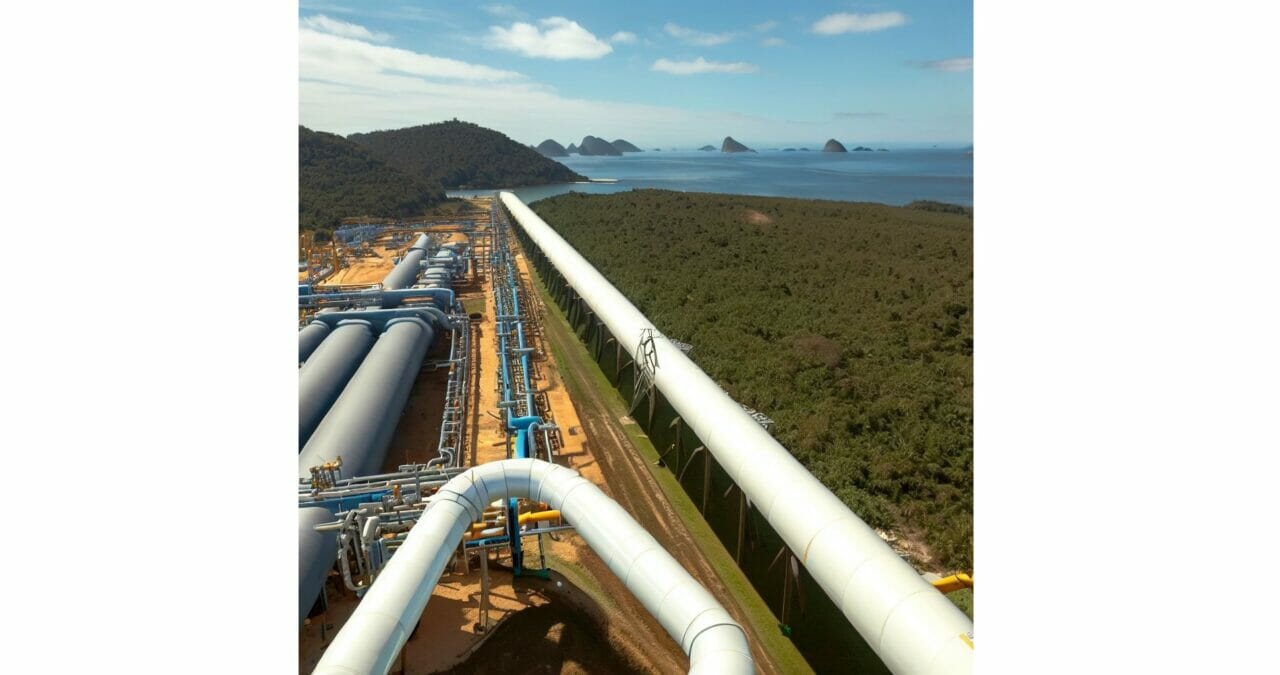
Innovation In Logistics: Macaw Energies Integrates Biogas, Gas, Logistics And Pipelines To Transform Energy Marketing.
With the aim of making Biogas more accessible, renowned Macaw Energies, a branch of the world leader in LNG logistics, Golar LNG, plants its roots in Brazilian soil. The purpose? To revolutionize the transportation and sale of natural gas across the nation. Strongly investing in technology, Macaw not only fills gaps in the sector but also aligns with contemporary ideals of clean energy, sustainability, and accessibility.
Expansion Into Regions Without Pipelines
Macaw’s specialty is not just the acquisition of gas. It is also dedicated to the treatment, compression, or liquefaction and, most impressively, the distribution of this energy gold. This even in the most remote areas, where the network of pipelines has yet to reach. And, beyond the pioneering vision of natural gas, the company also sees with bright eyes the potential of biogas in Brazil, aligning itself with the fight against the climate crisis.
Potential Of Vinasse In Biogas Production
Luiz Cintra, the mind behind biogas origination at Macaw Energies, sheds light on an interesting scenario. He details how sugar-alcohol plants are reinventing the use of vinasse – traditionally seen as a byproduct of ethanol. This liquid, already known for its role as a fertilizer, is now also proving to be a viable source for the production of biogas. A promising turnaround for reducing the carbon footprint.
-
Renewable energy advances over protected areas in Brazil, and a survey by the Energy Transition Observatory reveals silent impacts that challenge environmental conservation and pressure sensitive traditional territories.

-
The Economist states that Brazil has a “secret weapon” against expensive oil and highlights how the country can reduce economic impacts even in international scenarios of high volatility.

-
Rio Grande do Sul accelerates energy transition: State invests in renewable technologies and consolidates decarbonization strategies and pathways to attract billions in new industrial investments.

-
With 160,000 m² of collectors, an area larger than 20 football fields, Silkeborg, in Denmark, hosts a solar thermal plant that heats 19,500 homes and could become the largest solar heating plant in the world.


However, there is a challenge: not all these plants are strategically located near the gas pipelines. And here, once again, Macaw Energies emerges as a solution. “Our entry into the market is strategic. We seek to facilitate the flow of biogas production, regardless of its origin, whether vinasse or even landfills,” Cintra explains. He further emphasizes: “We offer logistics and marketing solutions. This way, producers can focus on what they do best while we take care of the destination of the produced biogas. With our know-how, adaptability, technological advancements, and robust fleet, we overcome any logistical barrier, even serving producers far from the pipelines.”
According to Cintra, Macaw Energies’ expertise is not limited to a single method. Whether through liquefaction for longer routes or compression for distances of up to 250 km, they ensure delivery. With a full-service operation, the company adapts to the needs of its clients, regardless of proximity to gas pipelines.







Seja o primeiro a reagir!