





 English
  Francês
  Alemão
  Italiano
  Japonês
  Norueguês
  Portuguese
  Spanish
  3 min of reading


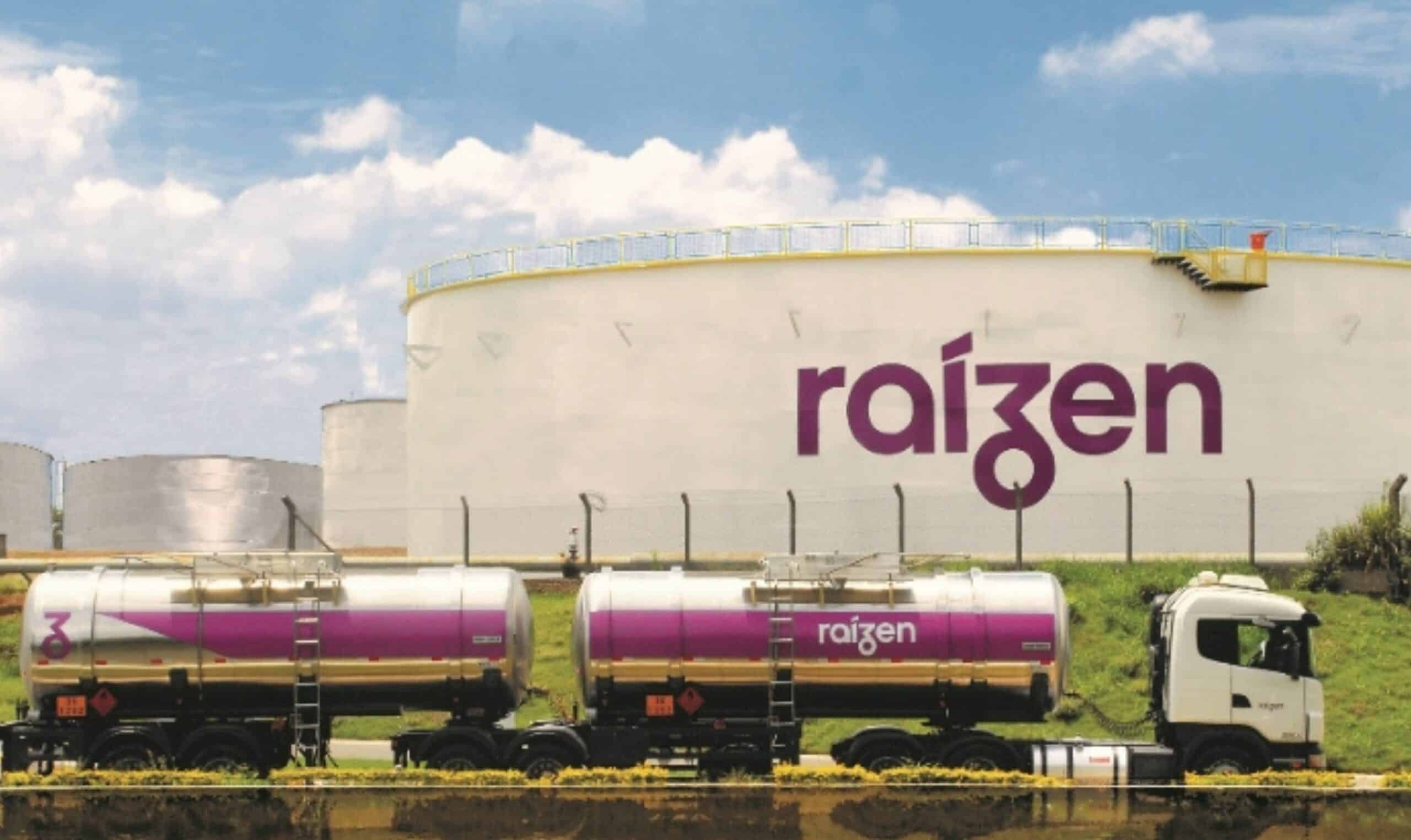
Raízen’s Plant Will Be Dedicated Especially to the Development of Natural Gas, Biomethane, and Is Scheduled to Open in 2023
Raízen undertook the main proposal of the first plant that will be exclusively dedicated to the production of clean natural gas, biomethane, in Piracicaba, São Paulo. According to a statement released by Raízen, the biomethane plant is expected to be inaugurated in 2023 and will have a production capacity of approximately 26 million m3 of clean natural gas annually, enough to supply around 200 thousand customer households. In total, approximately 250 direct and indirect jobs will be created during the construction of the biomethane plant, and the investment made by Raízen is approximately R$ 300 million.
The plant that will be developed by Raízen in the city of Piracicaba is the result of a joint venture between Raízen and Geo Energética. The new plant will be the second biogas unit of Raízen Geo Biogas. The first is located in the city of Guariba, also in SP, and uses vinasse and filter cake as raw materials, products originating from sugarcane used by the company.
In the opinion of Raízen’s Vice President of Sugar and Renewables, Francis Queen, the new biomethane plant expands the company’s portfolio in clean energy. “Investments like this reflect our constant search for solutions for global energy transition,” he says.
-
Renewable energy advances over protected areas in Brazil, and a survey by the Energy Transition Observatory reveals silent impacts that challenge environmental conservation and pressure sensitive traditional territories.

-
The Economist states that Brazil has a “secret weapon” against expensive oil and highlights how the country can reduce economic impacts even in international scenarios of high volatility.
-
Rio Grande do Sul accelerates energy transition: State invests in renewable technologies and consolidates decarbonization strategies and pathways to attract billions in new industrial investments.

-
With 160,000 m² of collectors, an area larger than 20 football fields, Silkeborg, in Denmark, hosts a solar thermal plant that heats 19,500 homes and could become the largest solar heating plant in the world.


The production from the new biomethane plant of Raízen has been sold to Yara Brasil Fertilizantes and Volkswagen do Brasil, in contracts that will have a long duration. Yara will receive about 20 thousand m3 of renewable natural gas daily to produce hydrogen and green ammonia. Volkswagen will receive about 50 thousand m3 daily, being the first automaker in Brazil to use biomethane in its component production.
Biomethane and Its Advantages
Biomethane is the name given to a clean fuel derived from biogas. It is developed from the purification of biogas, a process that removes the high carbon content from biomethane, resulting in a fuel similar to natural gas. Thus, when compared to natural gas, biomethane reduces carbon dioxide and methane emissions into the atmosphere and emerges as a smart alternative for the management of organic waste.
Natural Gas
Natural gas is a fuel primarily formed by methane. The essential sources for this type of resource are oil fields. Gas serves as a raw material for the production of plastics and also for the synthesis of organic compounds, in addition to being used as fuel.
The burning of natural gas, when compared to other fossil fuels, causes less harm to the atmosphere. However, this resource shows challenges for transportation and storage.
Benefits of Clean Fuels
The burning of fossil fuels can cause significant damage to the environment and human health. It is linked to numerous respiratory problems caused by the emission of air pollutants, including carbon monoxide.
For these reasons, biogas is seen as an alternative for electricity production replacing natural gas. This is because biogas prevents methane, originating from the decomposition of organic matter, from being released into the atmosphere when it is transformed into water and carbon dioxide through the combustion process.
Therefore, biogas energy is presented as an alternative that does not generate many socio-environmental impacts compared to natural gas.







Seja o primeiro a reagir!