





 Portuguese
  English
  Spanish
  3 min of reading
  0 comments


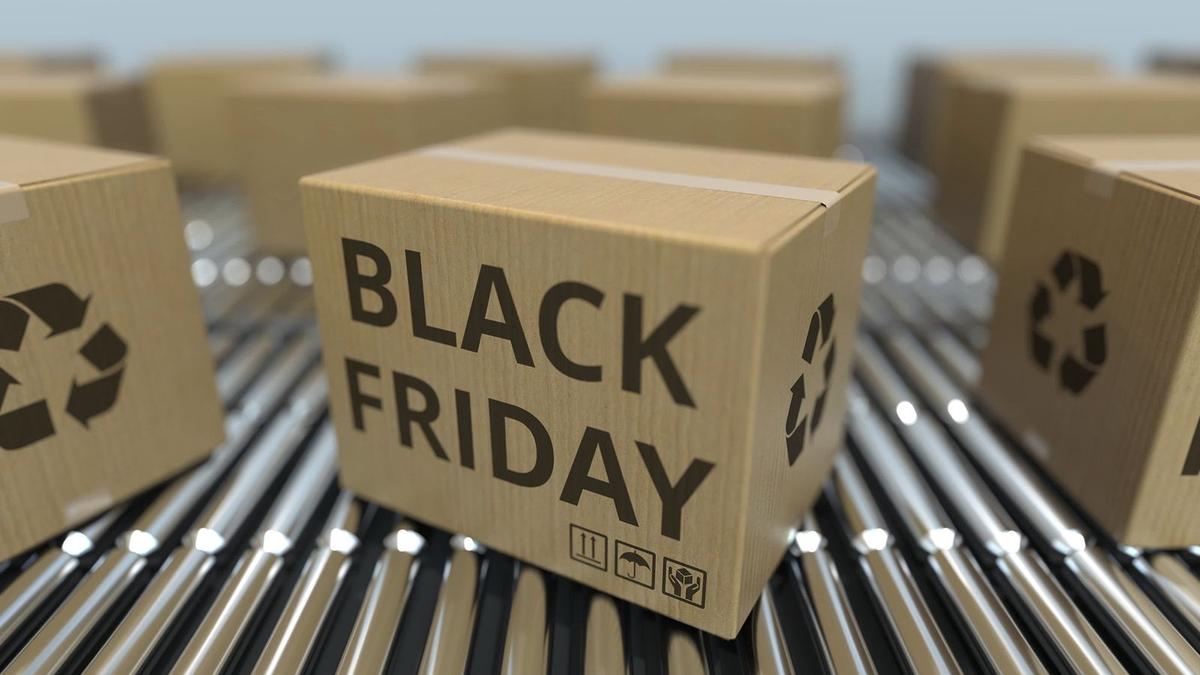
Experts Highlight That Delays Undermine Consumer Confidence and Underscore the Need for Integrated Operations Between Marketing and Logistics
The Black Friday of 2025, expected to generate over R$ 11 billion, places logistics at the center of corporate decisions and repositions deliveries as a determining element of the consumer experience, according to analyses released throughout 2024 by experts from SimpliRoute, who highlight that brand reputation directly depends on operational efficiency.
Thus, according to the CX Trends 2024 report, 58% of consumers do not repurchase after negative experiences, especially when delays occur, which remain the primary cause of dissatisfaction. Therefore, companies begin to communicate logistical performance as a marketing strategy and a loyalty tool.
As explained by Sérgio Simões, Growth Director at SimpliRoute in Brazil, in an interview published in June 2024, “the impact of deliveries on quality perception has never been so evident”, as the customer journey has become crucial for retention and competitiveness.
-
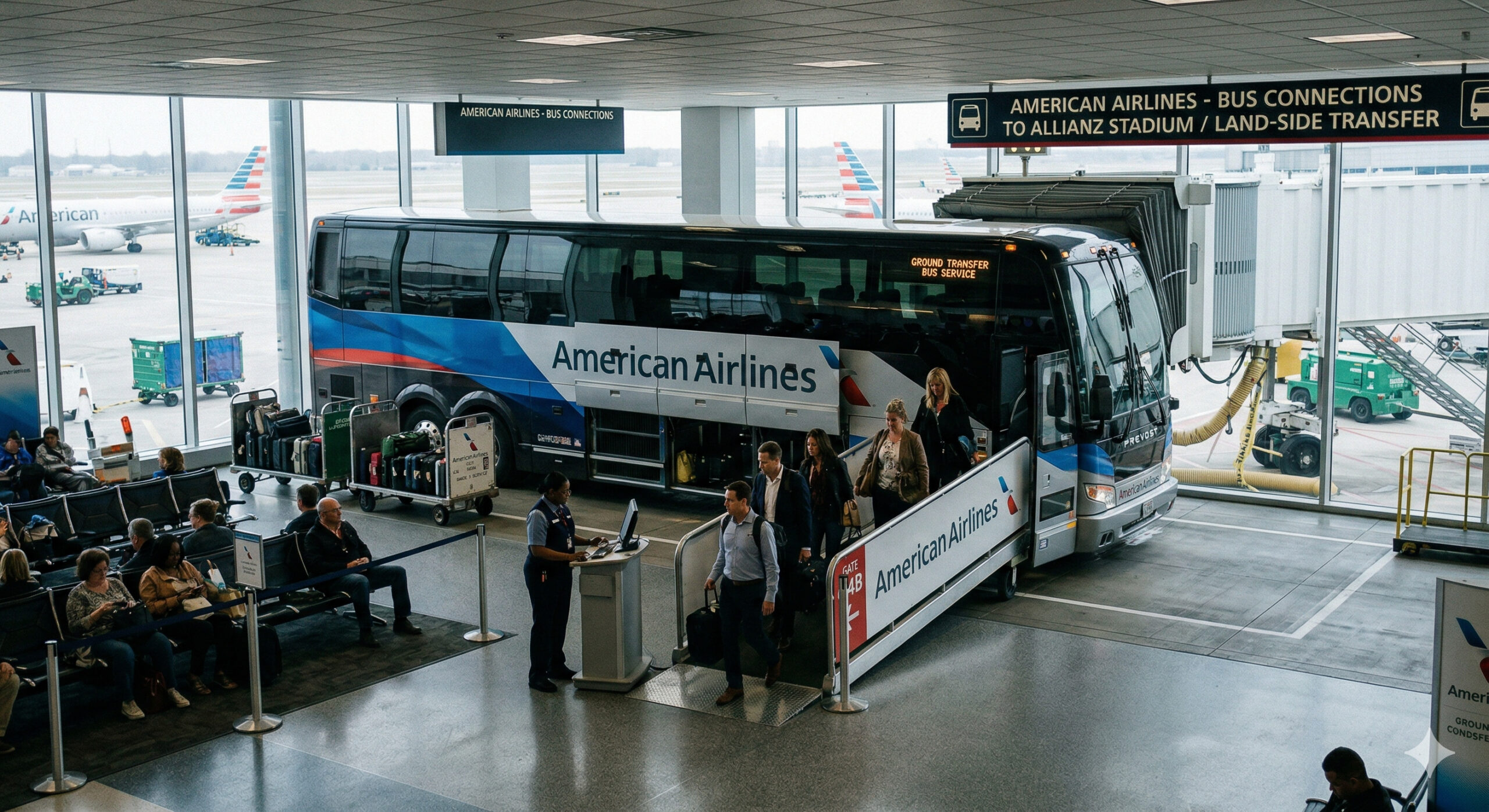
American Airlines starts selling trips as if they were flights, with check-in and baggage check at the airport, but on short routes, passengers board luxury buses connecting cities to major hubs in the U.S.
-
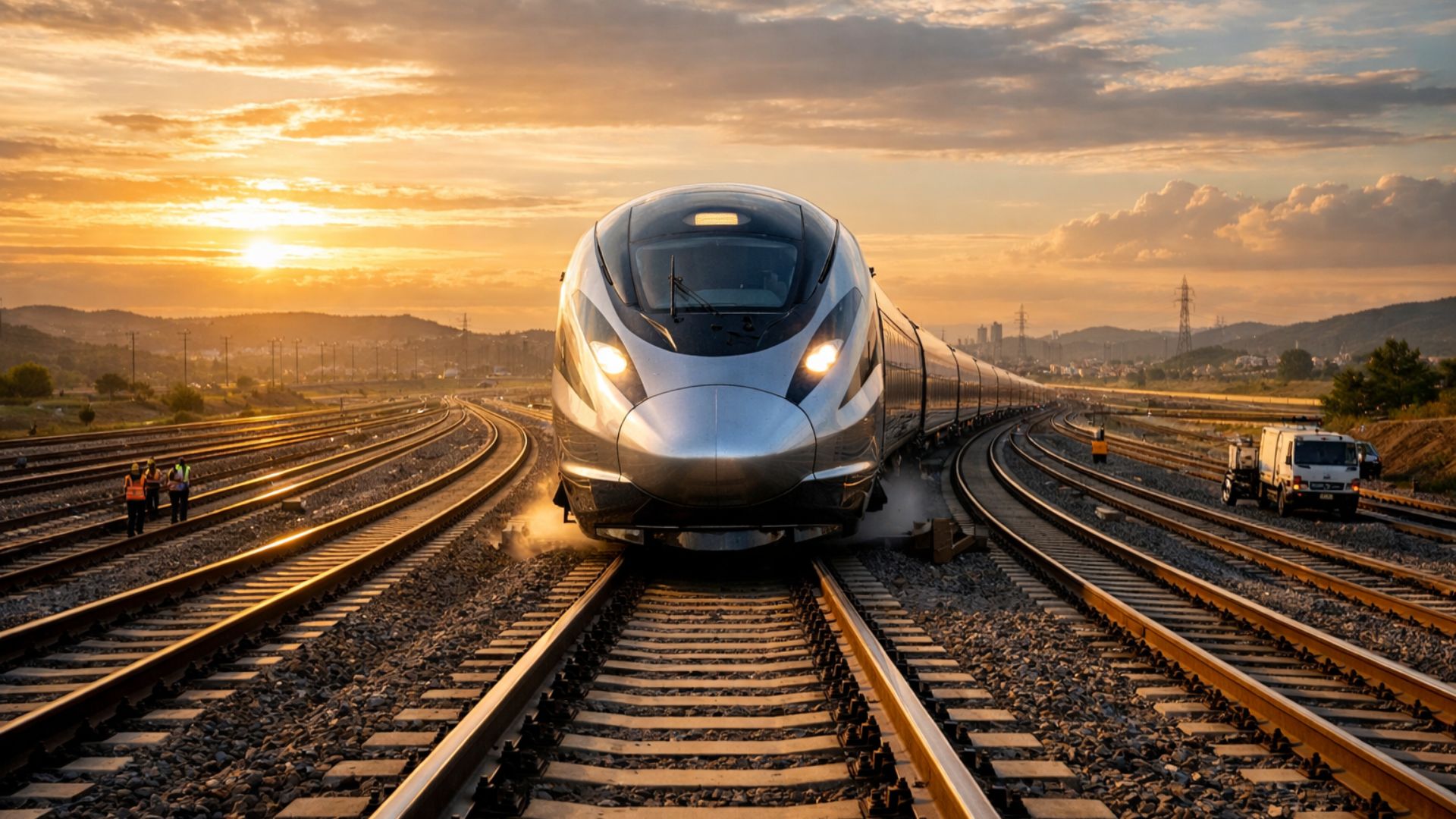
São Paulo surprises the world with a colossal railway network project that promises over 1,000 km of tracks, R$ 194 billion in investments, and 40 projects connecting the capital to the interior with fast and sustainable trains.
-
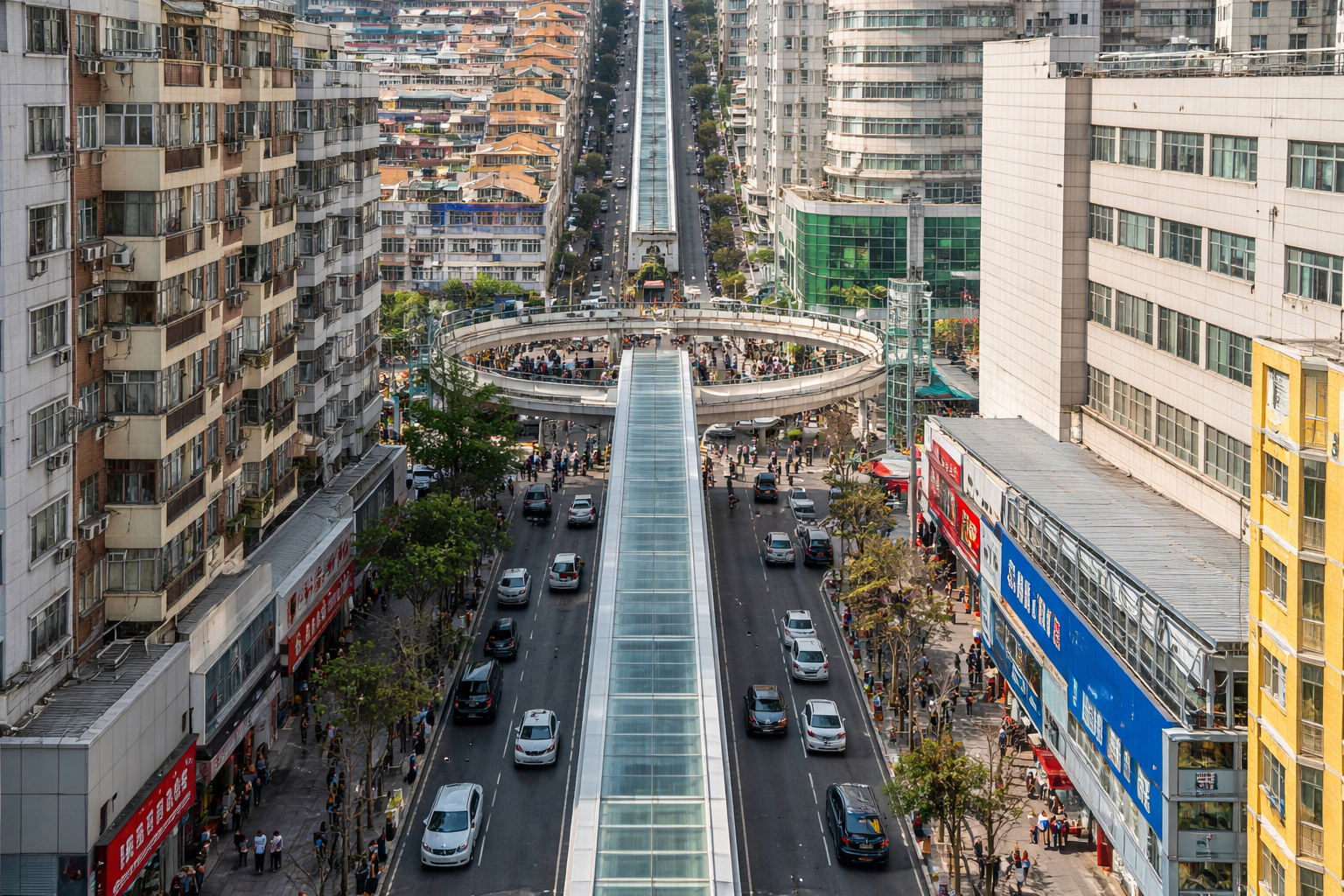
The world’s largest escalator, measuring 905 meters in China, reduces urban travel time from 1 hour to about 20 minutes and transforms mobility in mountainous regions with an engineering solution adapted to the terrain.
-
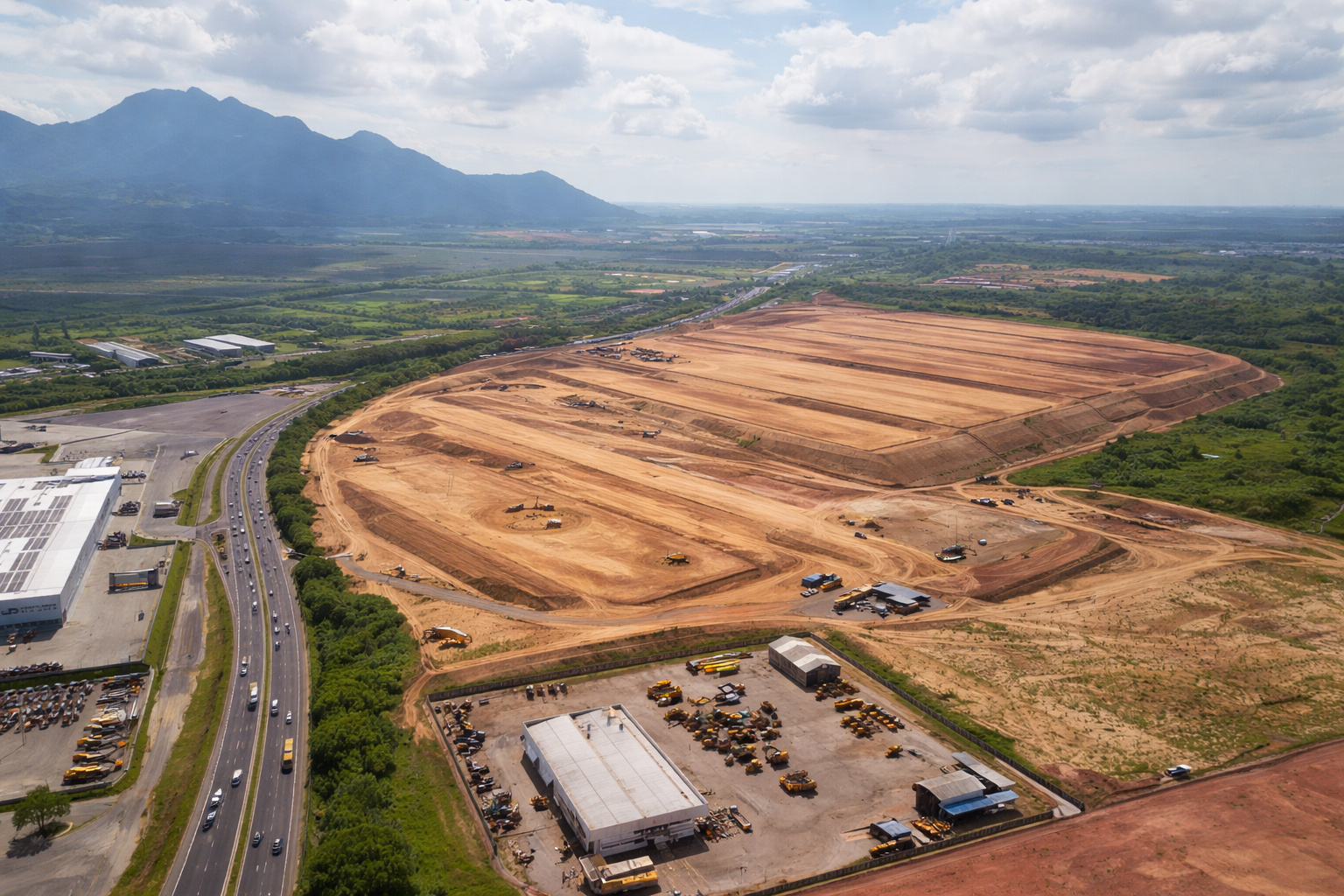
A R$ 300 million logistics giant is taking shape in Serra with over 100,000 m² and raises a question: how can this transform e-commerce and distribution in the state?

With this, Simões emphasizes that marketing and logistics need to operate as a single strategy, as integration creates value, increases consistency, and reduces noise between expectation and delivery. Although the announcement may be attractive, he notes that “if the delivery fails, the brand loses credibility”, and therefore, the last mile becomes the most sensitive point of the relationship with the consumer.
Logistics as a Brand Asset Gains Prominence
As the market prepares for the largest promotional date in Brazilian retail, data from the State of Logistics 2024 study, prepared by SimpliRoute itself, reveals that 70% of companies are continuously investing in optimization, while 76% of leaders already know how to align their operations with the latest trends.
Thus, these changes begin to reflect in consumer behavior, which demands agility and precision. Additionally, major brands — such as Amazon and Mercado Livre, which have consolidated same-day deliveries and deliveries within 24 hours since 2023 — reinforce the expectation for speed, demonstrating that efficient logistics is no longer a backstage operation and becomes a central selling argument.
With this, companies align their campaigns with demand forecasts, route planning, and strict control of the last mile, which reduces cancellations, avoids delays, and decreases additional costs. Thus, according to Simões, “whoever masters the last mile masters customer perception”, summarizing the strategic impact of distribution.
Key Points Highlighted by Experts
- Consumers demand faster deliveries, with less tolerance for failures since 2024.
- Delays become the main factor of dissatisfaction, according to CX Trends 2024.
- Integrated logistics with marketing improves reputation and strengthens competitiveness.
- Major players set market standards with deliveries in hours.
- Operational precision reduces cancellations, builds trust, and enhances the journey.
Thus, as indicated by 2024 reports, consumer perception already shows that reliable logistics becomes a brand attribute, especially during high-demand periods, such as Black Friday.
As a direct consequence, the date becomes a laboratory for companies looking to demonstrate efficiency and consolidate their presence in digital retail, while also aiming to avoid dissatisfaction and loss of recurrence — issues widely documented in consumer behavior studies since 2022.
Therefore, by positioning delivery as a decisive stage of the journey, brands acknowledge that logistical performance is no longer support but a competitive differential, especially when the customer monitors each phase of the process and compares experiences.
And, in the face of a Black Friday that grows in volume and complexity, inevitable questions arise: Will companies be able to maintain the logistical precision that consumers demand, even under maximum pressure?









Seja o primeiro a reagir!