





 Portuguese
  English
  Spanish
  3 min of reading


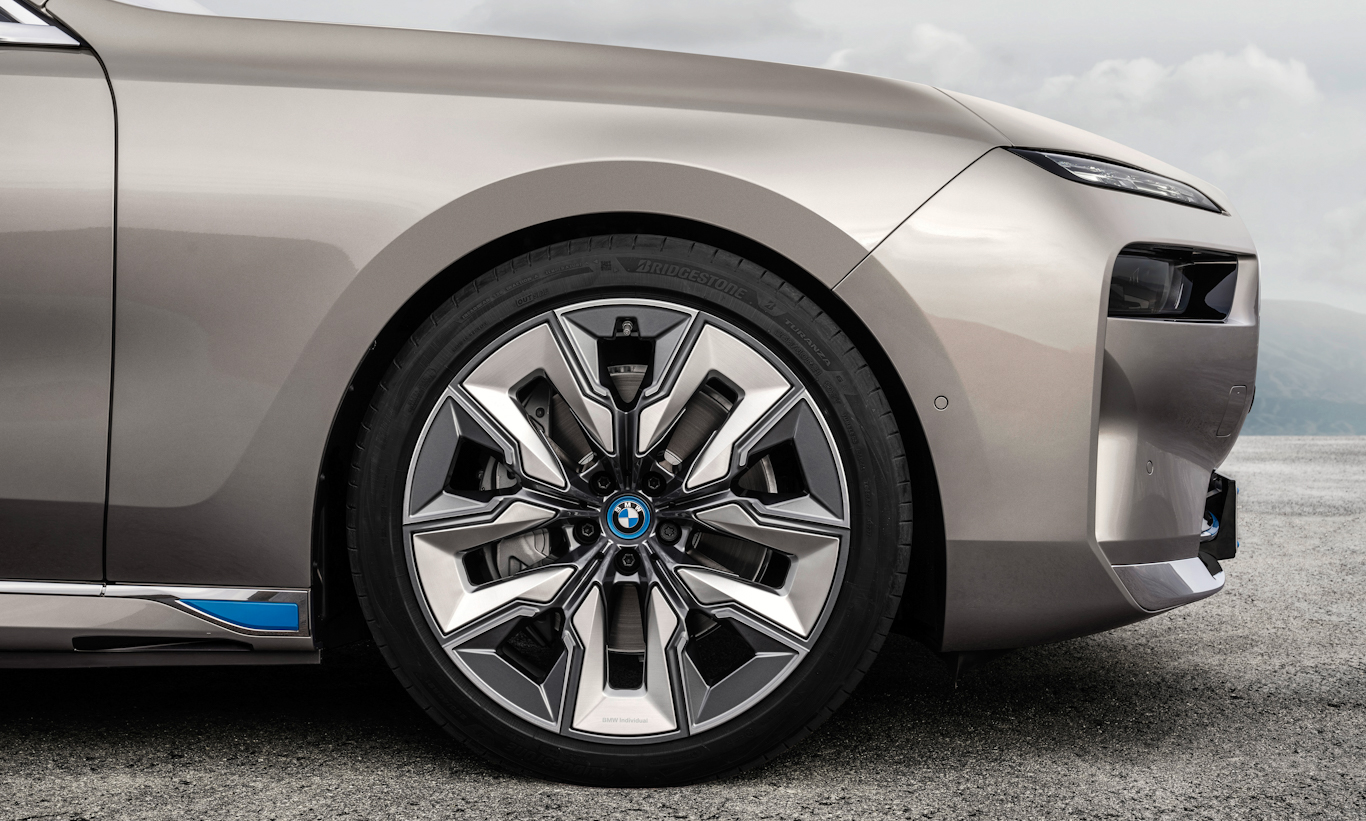
BMW Is Developing New Technology That Can Generate Electricity For Electric Car Batteries Through Impacts From Potholes On The Roads.
The pothole-ridden roads are a major issue in Brazil, as they are responsible for misaligning vehicles, damaging suspensions, tearing tires, ruining wheels, and other woes. With that in mind, BMW is working on a way to make asphalt craters less inconvenient for drivers. This is because the automaker has patented a suspension system that converts bumps into energy capable of charging your electric car.
Technology Uses Vertical Motion To Generate Energy
The invention was discovered through the patent office in Germany. The new BMW technology installed in the suspension of electric cars has the ability to generate energy from the vertical movement of the car’s wheels caused by potholes on the road.
Originally, the energy from a vehicle’s wheels when passing over a pothole or bump is absorbed by the suspension spring and then dissipated as heat through the shock absorbers. Thus, BMW took a closer look at this energy stored in the suspension springs and found ways to harness it even when the car is in motion.
-
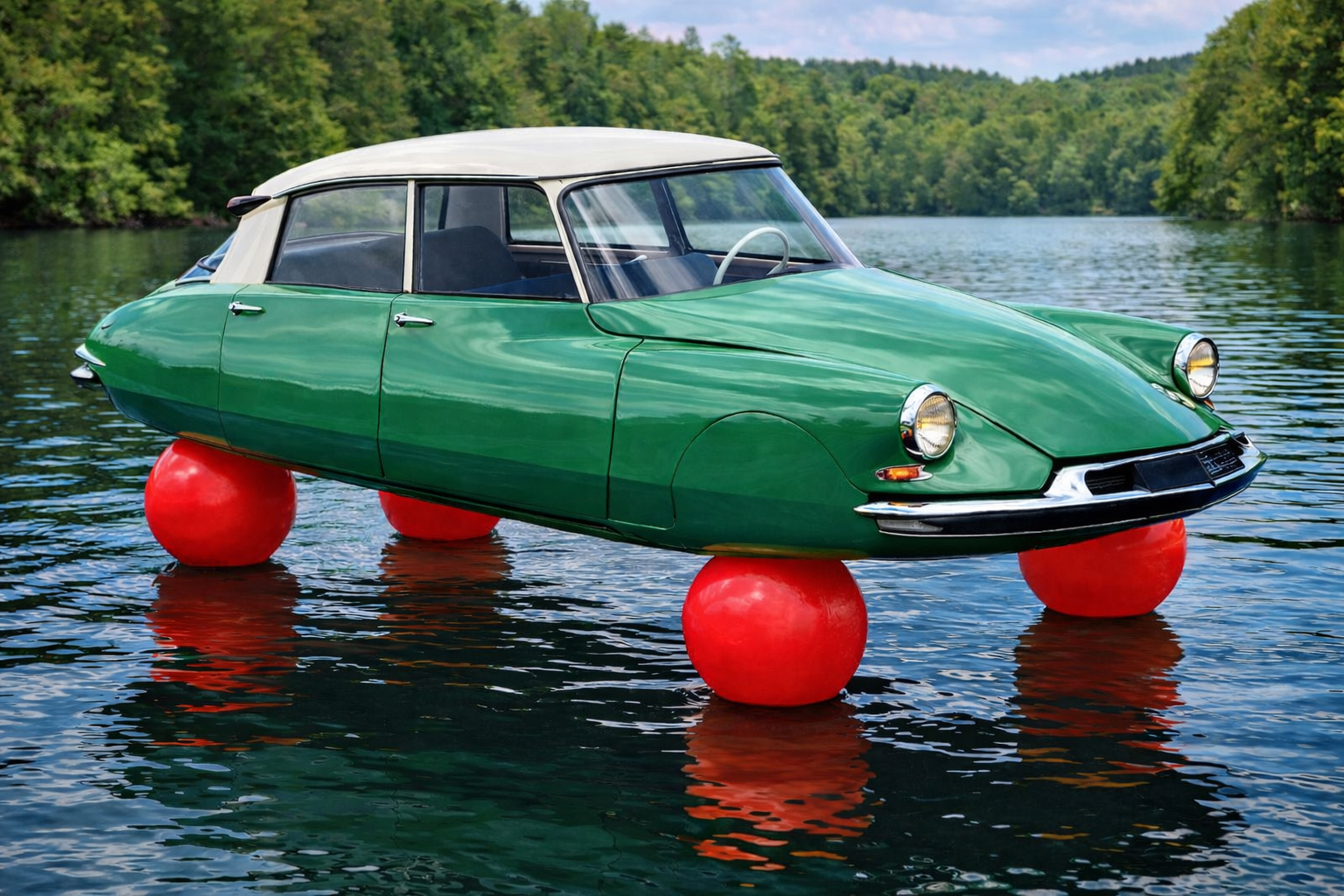
A French brand placed a car on four huge red balloons to prove that its suspension made the vehicle “float,” and the surreal scene became one of the most iconic and unusual images in automotive history.
-
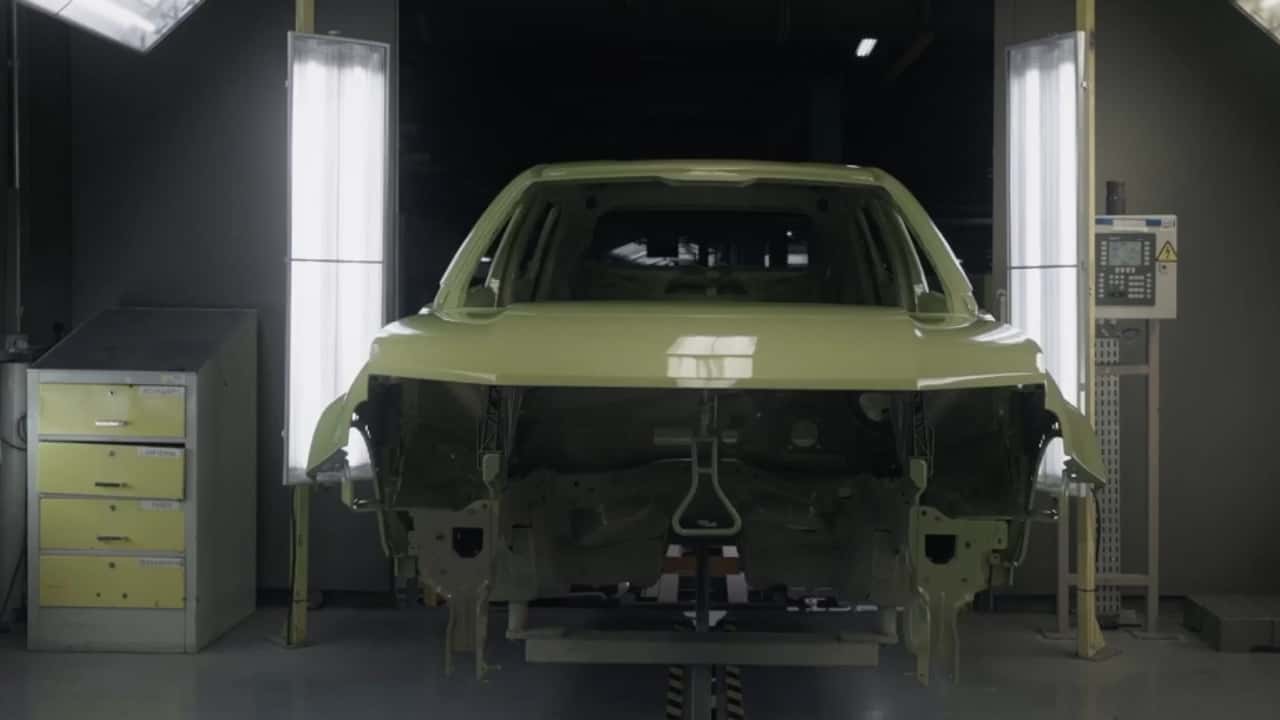
Jeep Avenger begins production in Brazil, debuting as the brand’s new entry-level SUV and inaugurating an unprecedented phase by becoming the first national Jeep manufactured outside of Goiana, as part of a R$ 3 billion plan.
-
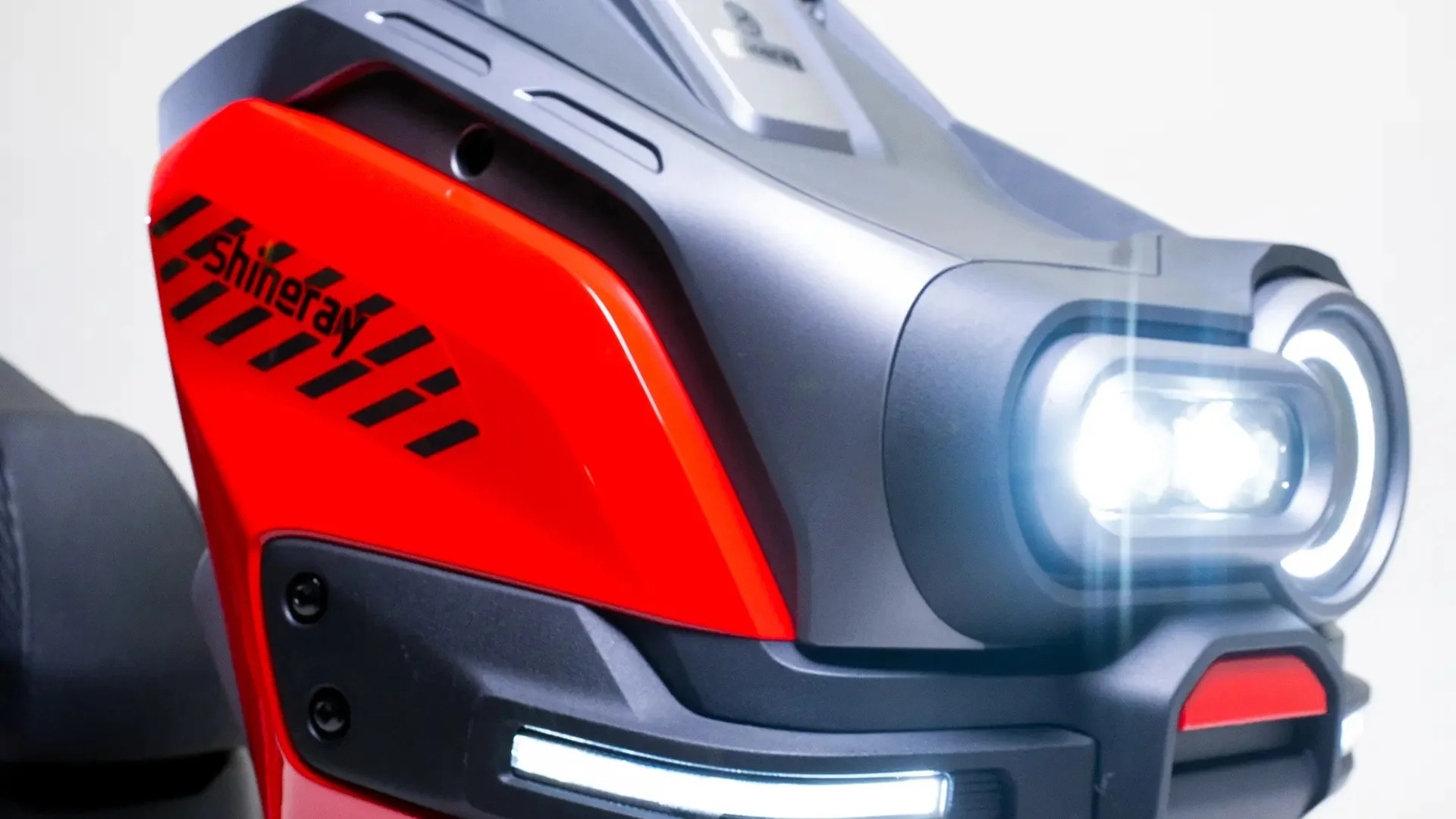
Costing R$ 12,490, the new Shineray Urban Lite 150 “cheap one” arrives in Brazil with a CVT transmission, digital dashboard, and LED lights, making it more affordable than the Biz and targeting those who want to abandon the bus.
-
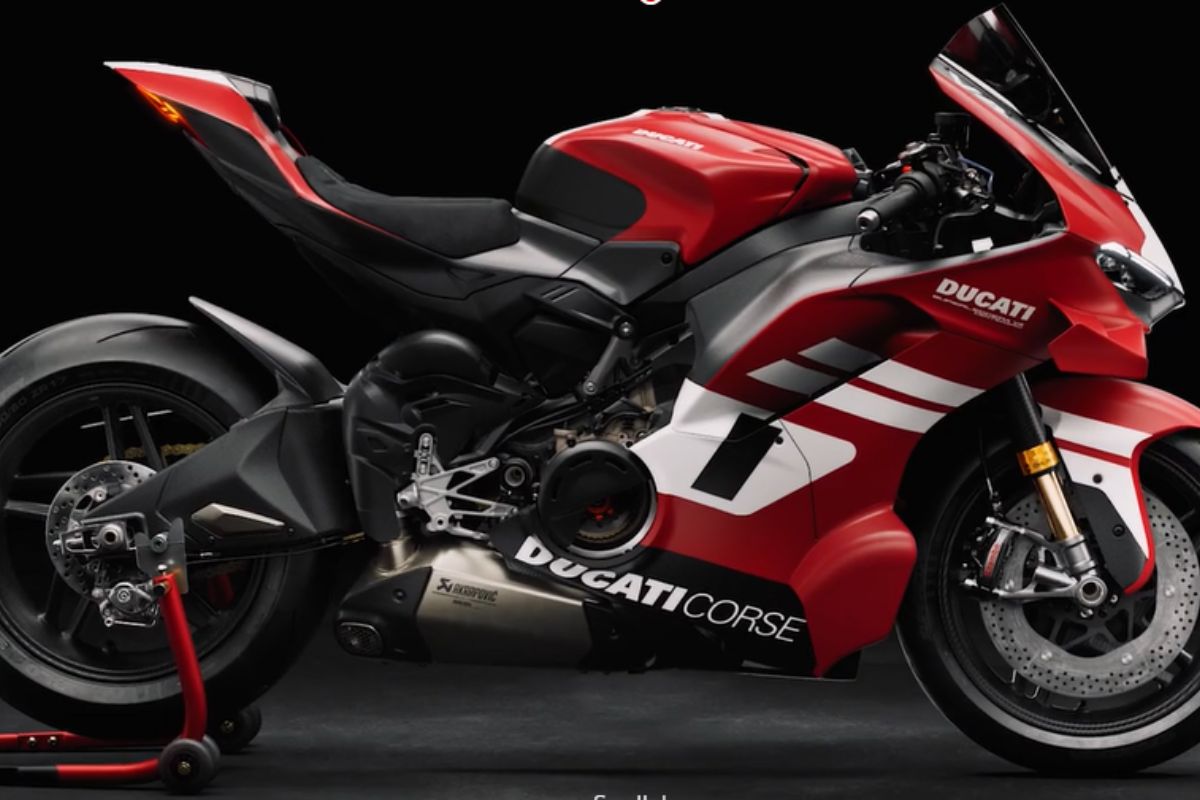
Ducati brings to Brazil the Superleggera V4 Centenario: 228 hp that become 247 with a track kit, carbon fiber and carbon-ceramic brakes, estimated price between R$ 1.5 and 2 million, deliveries only in 2027.

This harvesting is done by a type of generator that converts kinetic energy into electricity capable of powering the batteries of electric cars. After testing and validation of this new technology, if it reaches the market, the price is expected to be well above what is anticipated.
Therefore, it is expected that, at first, it will only be equipped in the premium electric cars from BMW. Another possibility is that it may appear as one of the products available in BMW’s subscription service catalog, which has divided opinions this year.
BMW Technology May Be Better Than Regenerative Brakes
In addition to reducing speed and stopping the vehicle, regenerative brakes also work by recovering part of the battery charge from electric and hybrid cars during braking. Although present in more modern cars, this technology has a relatively simple concept.
In summary, the electric motor that drives the vehicle can also function as a power generator, a sort of alternator to generate energy for the batteries, thus expanding the range; that is, the motor provides energy to the batteries every time the driver eases off the accelerator or applies the brakes.
During braking, a sensor sends signals to an electronic module to turn the propulsion system into a generator, which uses the movement of the wheels to generate energy that is sent to the batteries. Depending on the model and the power of its electric motors, the regenerative braking capability is strong enough to stop the car without the need to engage the standard brakes on the wheels.
BMW Launches The First Electric Car With 4×4 Traction
In September, after 50 years of development of the M division focused on high-performance cars, BMW began developing its first electric sports car that features four electric motors. Based on the BMW i4 M50, the vehicle offers all-wheel drive and a unique steering control system.
According to the automaker, the setup provides an unprecedented level of performance and experience for the electric car sector. The prototype electric model showcases a modified body with wider wheel arches and a visual concept reminiscent of the current M3 and M4 series.
The four electric motors are part of the M xDrive four-motor drivetrain that allows each wheel to be powered by an electric motor, which, according to the automaker, offers a precise and rapid distribution of drive torque.










Seja o primeiro a reagir!