





 Portuguese
  English
  Spanish
  3 min of reading
  0 comments


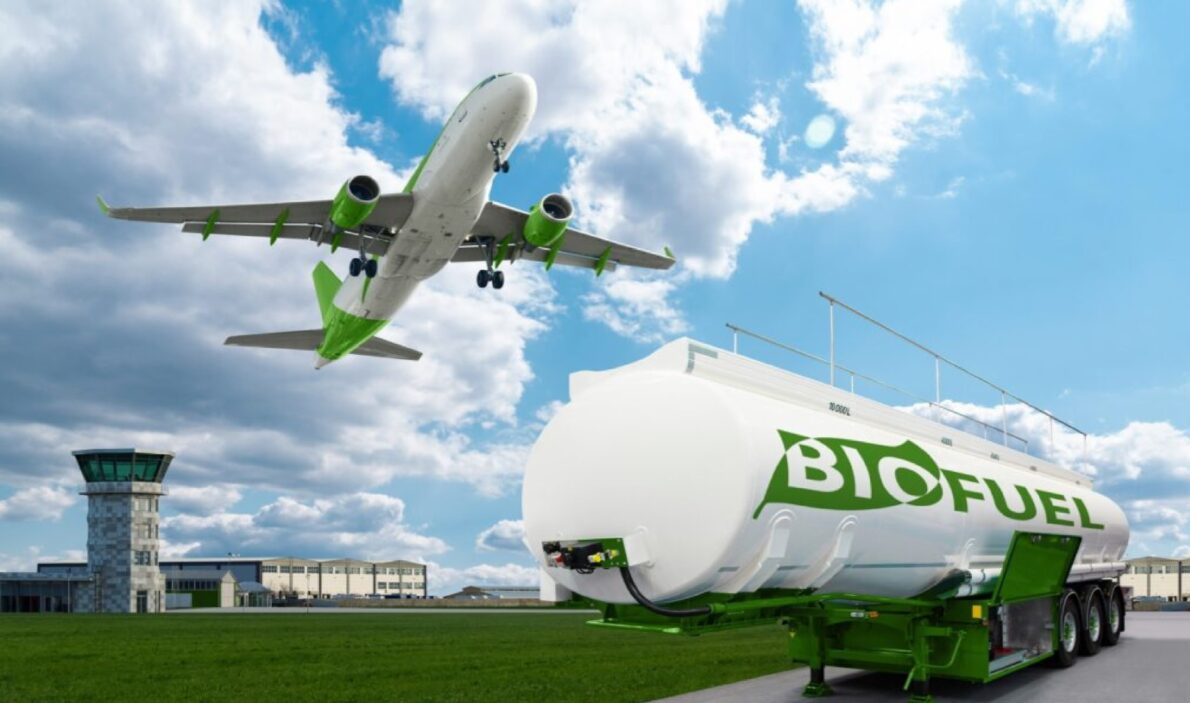
Joint Initiative of BNDES and Finep Aims to Transform the Sustainable Fuels Sector in Brazil, Focusing on SAF and Maritime Fuels, Encouraging Innovation and Sustainability
The National Bank for Economic and Social Development (BNDES) and the Funding Authority for Studies and Projects (Finep) have just announced a historic initiative to boost the production of sustainable fuels in Brazil. In an unprecedented partnership, the two institutions will allocate a total investment of R$ 6 billion, aiming to promote the creation and operation of biorefineries that will produce sustainable aviation fuel (SAF) and fuels for the maritime sector. This movement marks a milestone in the energy transition of the country and aims to position Brazil as a global leader in the production of green fuels, according to the website Petrosolgas.
Innovation and Sustainability: The Focus of Investment
The official announcement was made in Brasília, during a ceremony that was attended by the Vice President of the Republic and Minister of Development, Industry, Commerce and Services, Geraldo Alckmin, accompanied by the president of BNDES, Aloizio Mercadante, and the president of Finep, Celso Pansera. During the event, Alckmin emphasized the importance of the initiative for the future of sustainable energy in Brazil, stating that the country has all the necessary resources to become a global leader in the production of SAF and sustainable fuels for navigation.


The joint public call is open for Brazilian companies engaged in fuel production or involved in research and development of innovative technologies. Both individual companies and consortia can participate, encouraging collaboration among different sectors and strengthening new biorefinery enterprises in the country. Interested companies have until October 31, 2024, to submit their projects, which must include a minimum credit demand of R$ 20 million.
-
Haiti’s capital is experiencing an energy and construction crisis, facing blackouts, a blocked port, and buildings at risk after years of instability and a significant earthquake.

-
Government unlocks R$ 554 million for a highway that has been requested for decades and accelerates the duplication of BR.
-
Without bricks, without cement, and without endless construction: the cardboard house that is assembled in modules and can be moved.

-
Billions of barrels on the equatorial margin could lead Amapá to double its oil production in Brazil — the state aims to enter the route of companies in the Campos Basin, attract investments, and boost jobs and businesses in the oil and gas sector.

Expected Impact on the Fuels Sector and the Brazilian Economy
The development of biorefineries focused on the production of sustainable fuels has the potential to revolutionize the energy sector in Brazil. SAF, for example, is produced from renewable sources and can significantly reduce greenhouse gas emissions in aviation. Similarly, sustainable fuels for the maritime sector can contribute to the decarbonization of this sector, which is one of the main sources of global pollution.

In addition to boosting technological innovation, the initiative of BNDES and Finep aims to create a favorable environment for the sustainable growth of the Brazilian industry. By supporting projects that promote sustainability and energy efficiency, Brazil positions itself as an important player in the transition to a low-carbon economy, ensuring its leadership role in the fight against climate change.
Selection Criteria and Focus on Innovative Projects
Submitted business plans must encompass a wide range of activities, including research and technological development, engineering projects, construction of pilot plants, acquisition of machinery and equipment, and working capital. Priority will be given to projects that promote innovation and sustainability, aligned with the economic development goals and energy transition of the country.
The evaluation of business plans will be conducted by a working group composed of representatives from BNDES and Finep, as well as members from ministries and regulatory agencies, such as the National Civil Aviation Agency (ANAC), the National Agency of Waterway Transportation (ANTAQ) and the National Agency of Petroleum, Natural Gas and Biofuels (ANP). The selection process will take place in three stages: presentation of plans, selection of projects, and creation of the Joint Support Plan (PSC) for each approved project. This plan will be a strategic document that will indicate the most suitable financial instruments for each project, such as credit, grant, or equity participation.







Seja o primeiro a reagir!