Portuguese
  Spanish




With Lecar Promising to Be the New Star in the National Automotive Scene, Let’s Recall Other Fully Brazilian Car Brands That, at Different Times, Tried to Conquer the Market and Made Their Mark in the History of the Country’s Automotive Industry!
The Brazilian automotive industry has a long history, with various brands emerging over the decades. The most recent addition to this list is Lecar, which announced its factory and the development of a hybrid sedan with a Renault engine. But will Lecar be able to establish itself in such a competitive market? Before answering that question, it’s worth recalling other Brazilian car brands that have tried their luck and left their marks — some more enduring than others, according to the website automaistv.
1. FNM (National Motor Factory): The Pioneer That Opened Doors for Brazilians
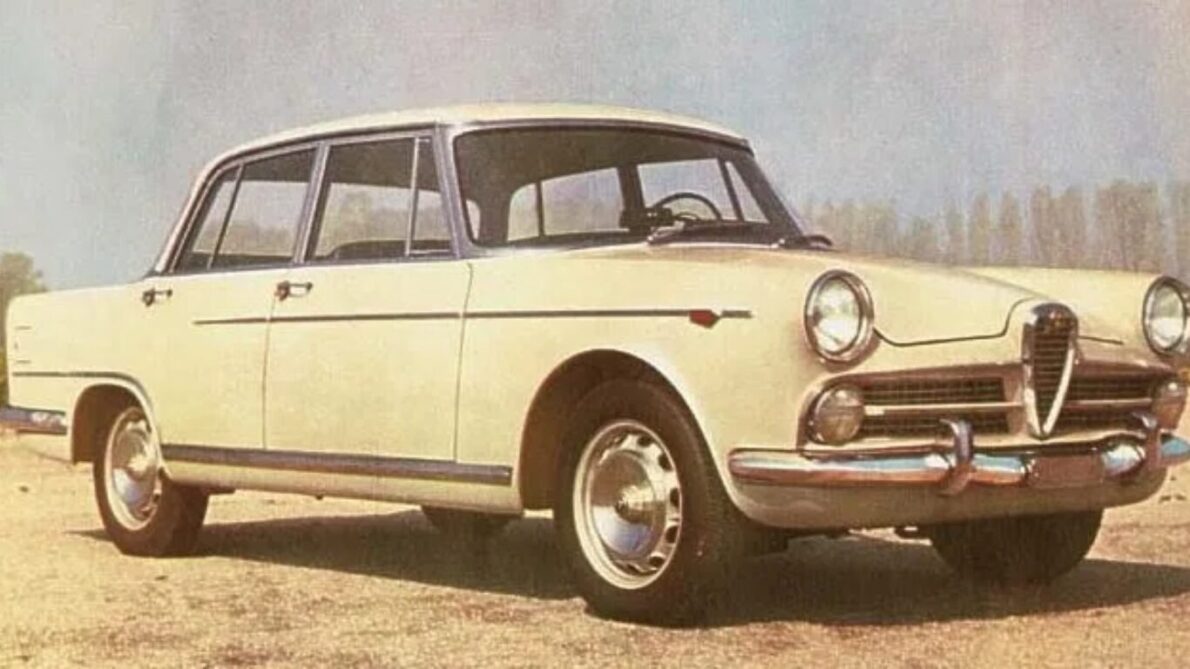
In the 1940s, when Brazil was still starting out in vehicle production, FNM emerged as a state-owned company focused on the production of airplane engines. However, it was in the 1960s that FNM truly entered the world of cars, launching the FNM JK, an elegant and robust sedan that gained popularity. The company was privatized in 1968, passing into the hands of Alfa Romeo, but continued the production of trucks and a luxury sedan. Years later, Fiat acquired FNM and, over time, the brand was absorbed by the Italian giant. The legacy of FNM, however, remains alive in the memory of classic car enthusiasts.
2. Puma: From DKW Engines to Race Tracks
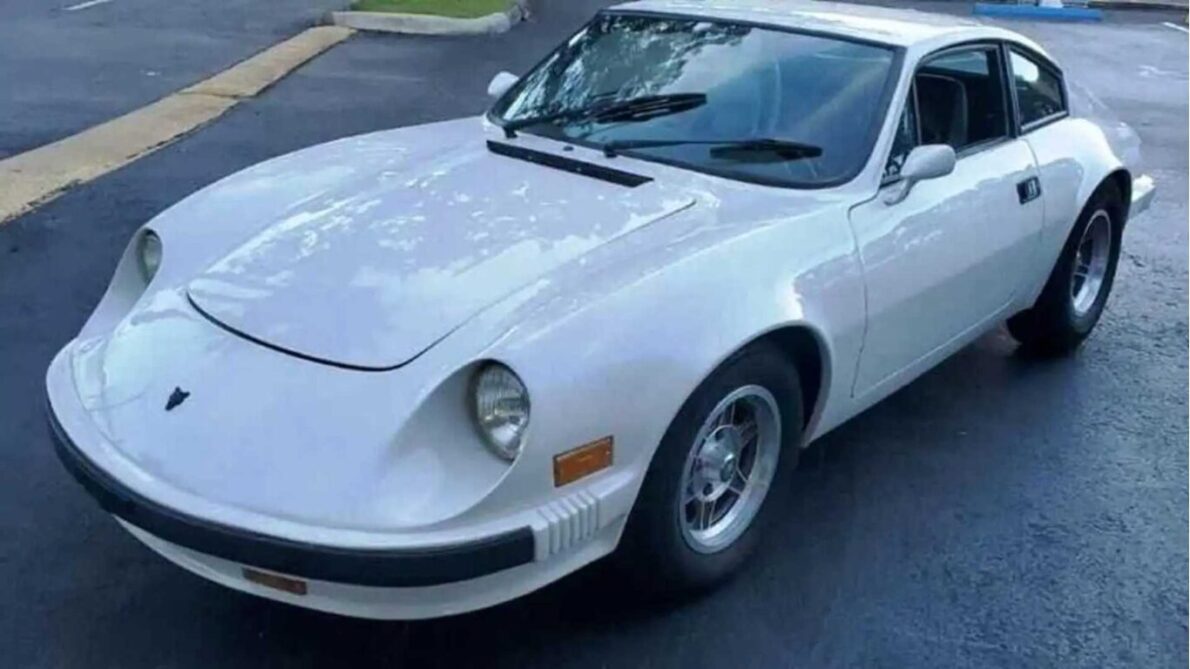
The Puma, which had its origins in motorsport, won hearts in the 1960s with its sports cars featuring bold design and impressive performance. Utilizing VW Karmann-Ghia chassis and DKW mechanics, the brand gained prominence with models like the Puma GTE, which became a true icon of the 1970s. Puma also made history in off-road with its robust and versatile vehicles, but unfortunately could not survive economic crises and closed its doors in 1985. An attempt to revive in recent years promised a new modern sports car, but so far, that promise remains “stored in the garage.”
-
End of an era in Brazil: beloved sedan by Brazilians is discontinued despite having a 2.0 engine with 151 hp, CVT transmission, 466-liter trunk, and up to 650 km of range.

-
New Law Proposal in Brazil Could Heavily Penalize Drivers: Dangerous Overtaking May Become a Serious Offense with Fines Increased Tenfold and a 12-Month License Suspension; Update on 2026 Progress

-
Electric Revolution: Watts W125 Motorcycle Offers 160 km Range, 90 km/h Speed, and Affordable Price Starting at $3,000
-
General Motors Replaces Over a Thousand Workers with 50 Cobots at Electric Vehicle Plant, UAW Union Criticizes Move Amid Industry’s Automation Push


3. Agrale: A Success Story in Utility Vehicle Production
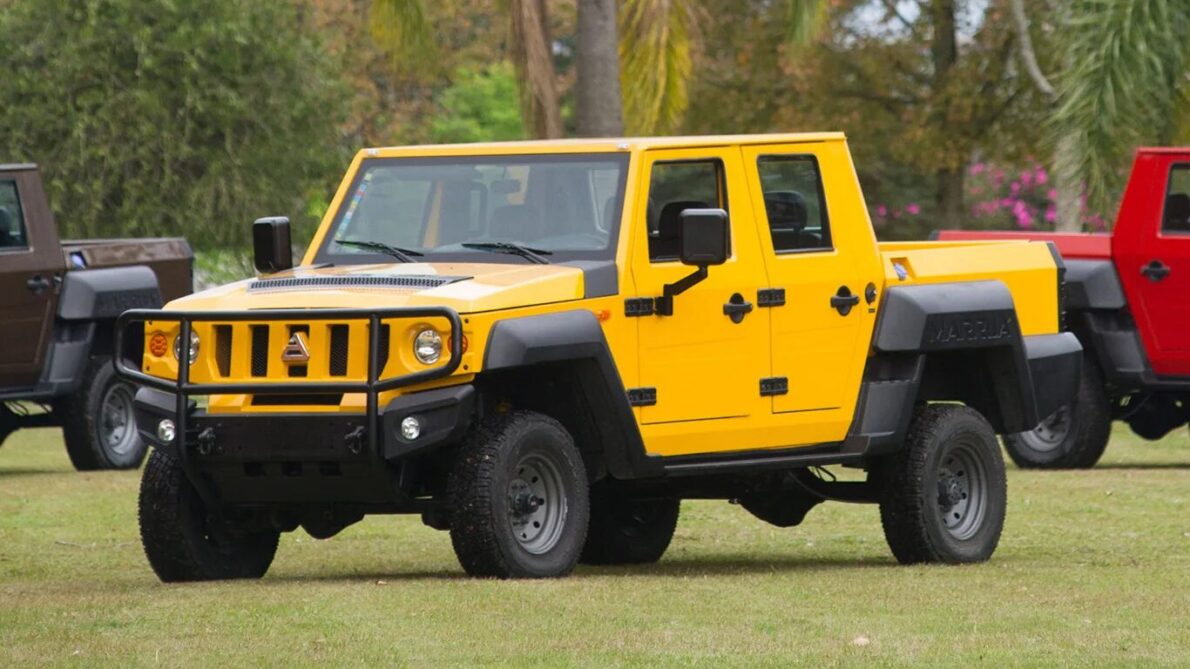
Founded in the 1960s, Agrale is one of the few Brazilian brands still in operation. Known for its military vehicles and the utility vehicle Marruá, Agrale also manufactures tractors, trucks, and even motorcycles. Despite facing financial difficulties in recent years, the company remains steadfast, showing that with resilience, it is possible to stay in the market. The Marruá has even become a symbol of resistance in the off-road segment, gaining traction among adventure enthusiasts.
4. Gurgel: The Dream of a 100% Brazilian Car
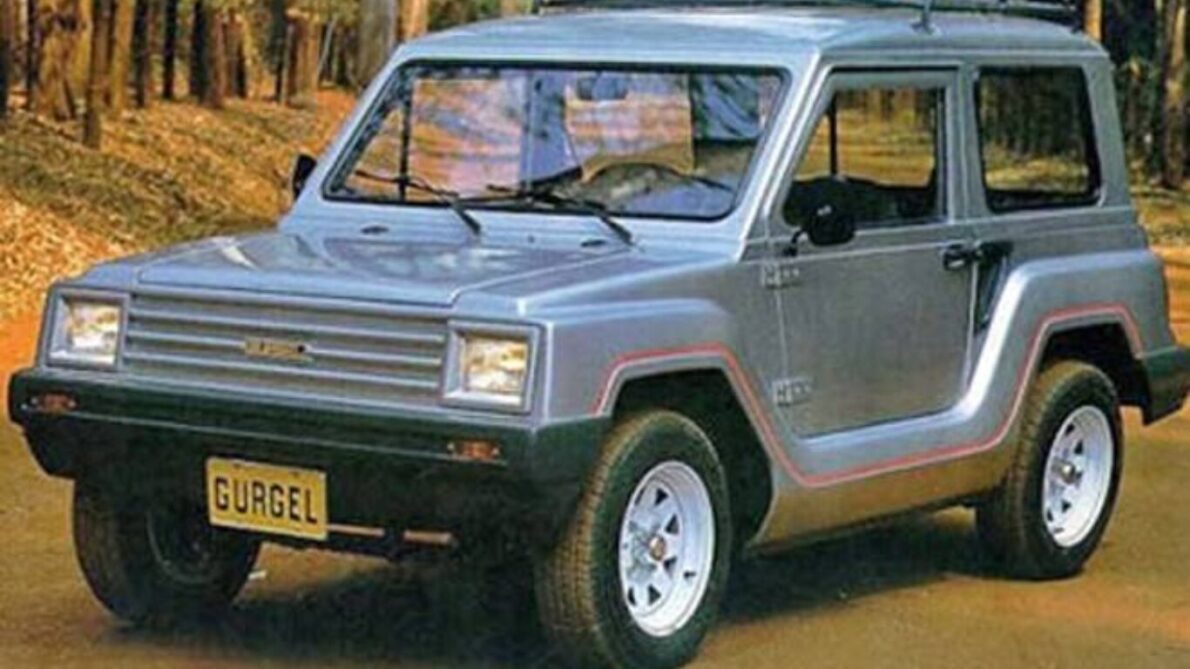
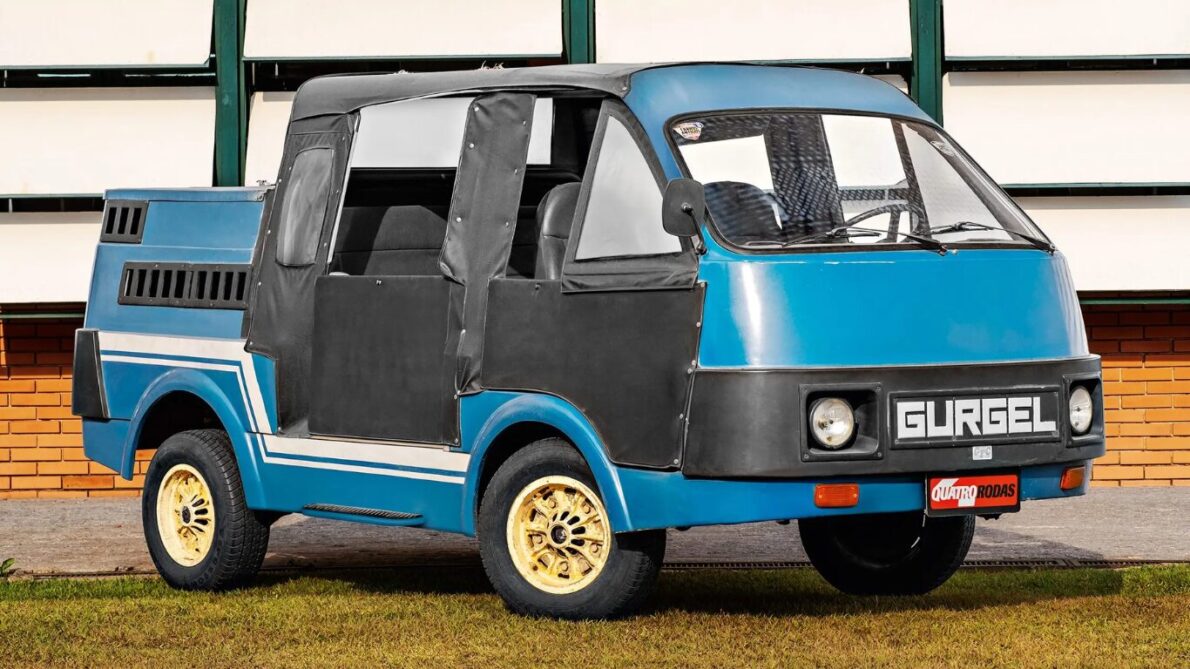
The Gurgel is undoubtedly the most remembered Brazilian car brand. Founded in 1969 by João Amaral Gurgel, the company began with the production of karts and children’s vehicles but soon began developing innovative cars, such as the Ipanema and Xavante. Gurgel’s great dream was to create a completely Brazilian car, and he achieved this dream in the late 1980s with the BR-800. However, financial problems led to the company’s bankruptcy in 1994, ending the dream of a 100% national car.
5. Troller: The Brazilian Jeep That Conquered the Off-Road World
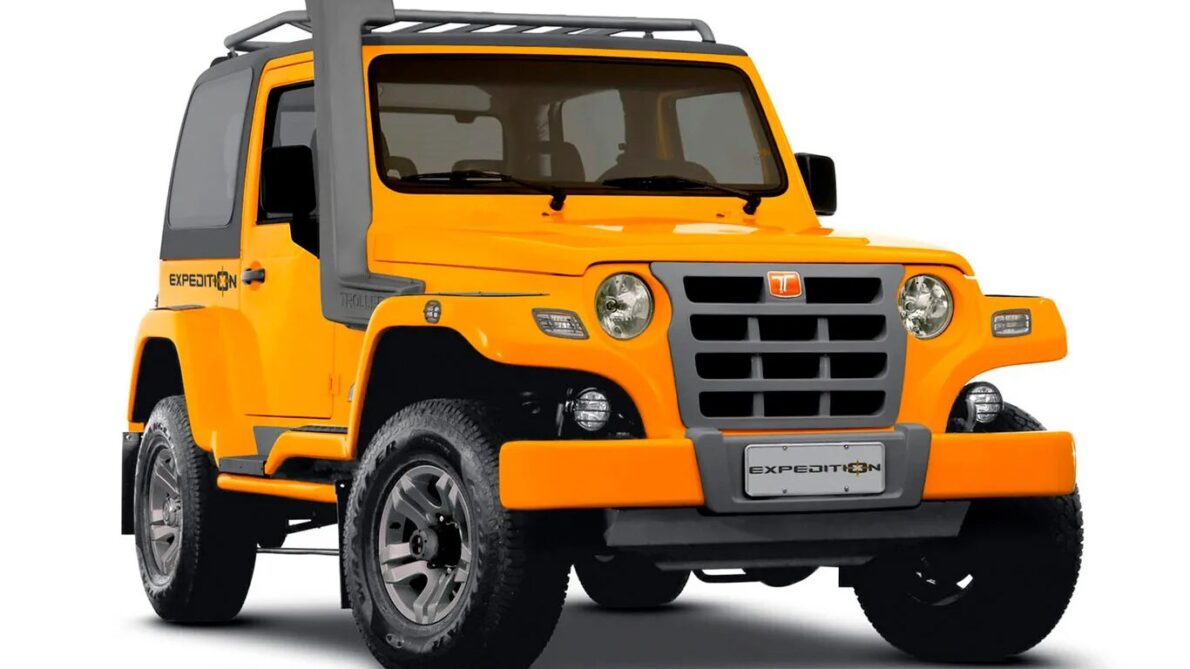
Founded in 1995 in Ceará, Troller entered the market with the launch of the iconic T4, a jeep that quickly became a legend in the off-road world. Troller gained notoriety for its robustness and ability to tackle the toughest terrains, but it was in 2007 that its trajectory changed dramatically. Ford acquired the brand and brought new technologies to the T4, making it even more competitive. However, with Ford’s operations in Brazil ending in 2021, Troller also saw its end, leaving many fans nostalgic.
Will Lecar Leave Its Mark?
Now that we’ve recalled some of the most iconic Brazilian car brands, the big question is: will Lecar be able to establish itself and have its name etched in the history of the national automotive industry? Only time will tell, but the promise of a hybrid sedan with a Renault engine certainly sparks curiosity. What do you think? Will Lecar be able to break the cycle and establish itself in the market? Leave your opinion in the comments!