





 Portuguese
  English
  Spanish
  3 min of reading


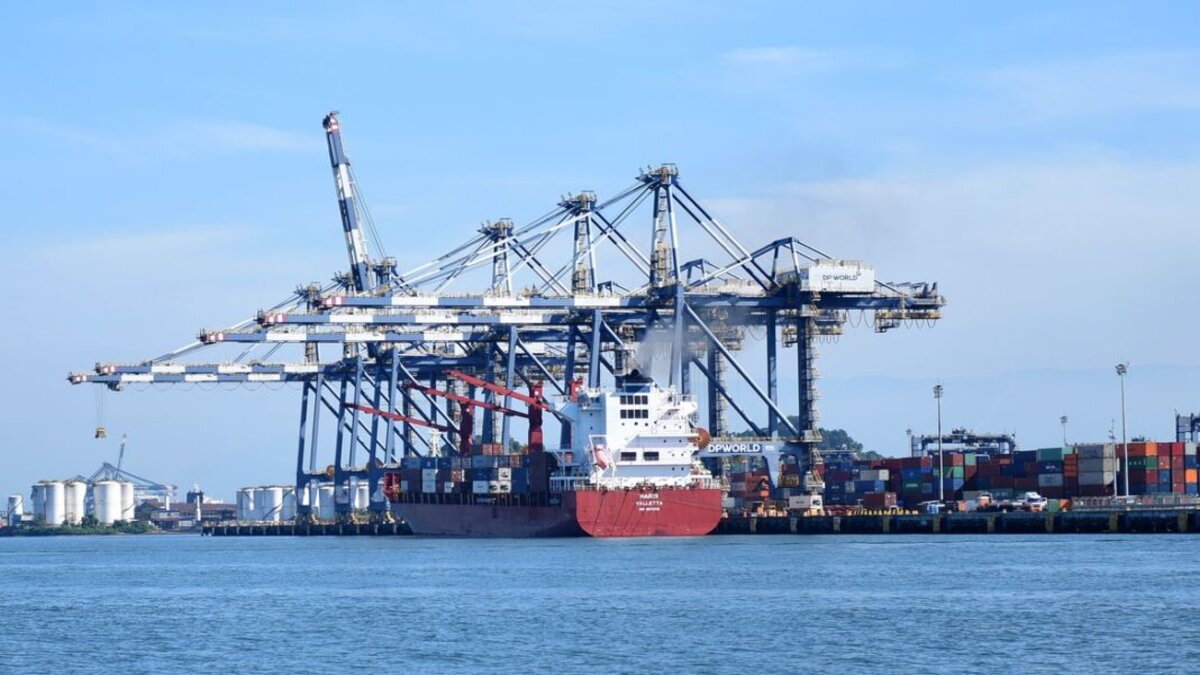
President Jair Bolsonaro is now seeking new cost reductions in import operations in Brazil and excluded the wharfage fee on the entry of cargo at Brazilian ports with the support of the Ministry of Economy for the decision
Through the Ministry of Economy, President Jair Bolsonaro excluded the wharfage fee on the import of cargo at Brazilian ports, as published in the Official Gazette of the Union (DOU) this Wednesday, (08/06). The main objective of the decision is to reduce the costs of importing these goods in national ports to further boost operations within the current scenario, thus promoting the Brazilian market with the tax benefit.
Wharfage Fee Is Now Excluded from Import Tax Calculations Following President Bolsonaro’s Decision to Reduce Costs of These Operations
Following the publication of the DOU this Wednesday, the exclusion of the wharfage fee on the import of cargo at Brazilian ports was announced for Brazil, through President Jair Bolsonaro’s decision along with the Ministry of Economy. Thus, the main goal of the new tax benefit on imports is to create a cross-cutting commercial opening for the economy, with positive impacts on competitiveness and the country’s integration into global trade flows.
In practice, the decision to remove the wharfage fee calculation from the Import Tax will reduce the final value charged in these operations by about 10%. According to specialists from the Ministry of Economy, this decision can be seen as a third commercial opening of the national market, increasingly seeking new partnerships with the international market for cargo imports.
-
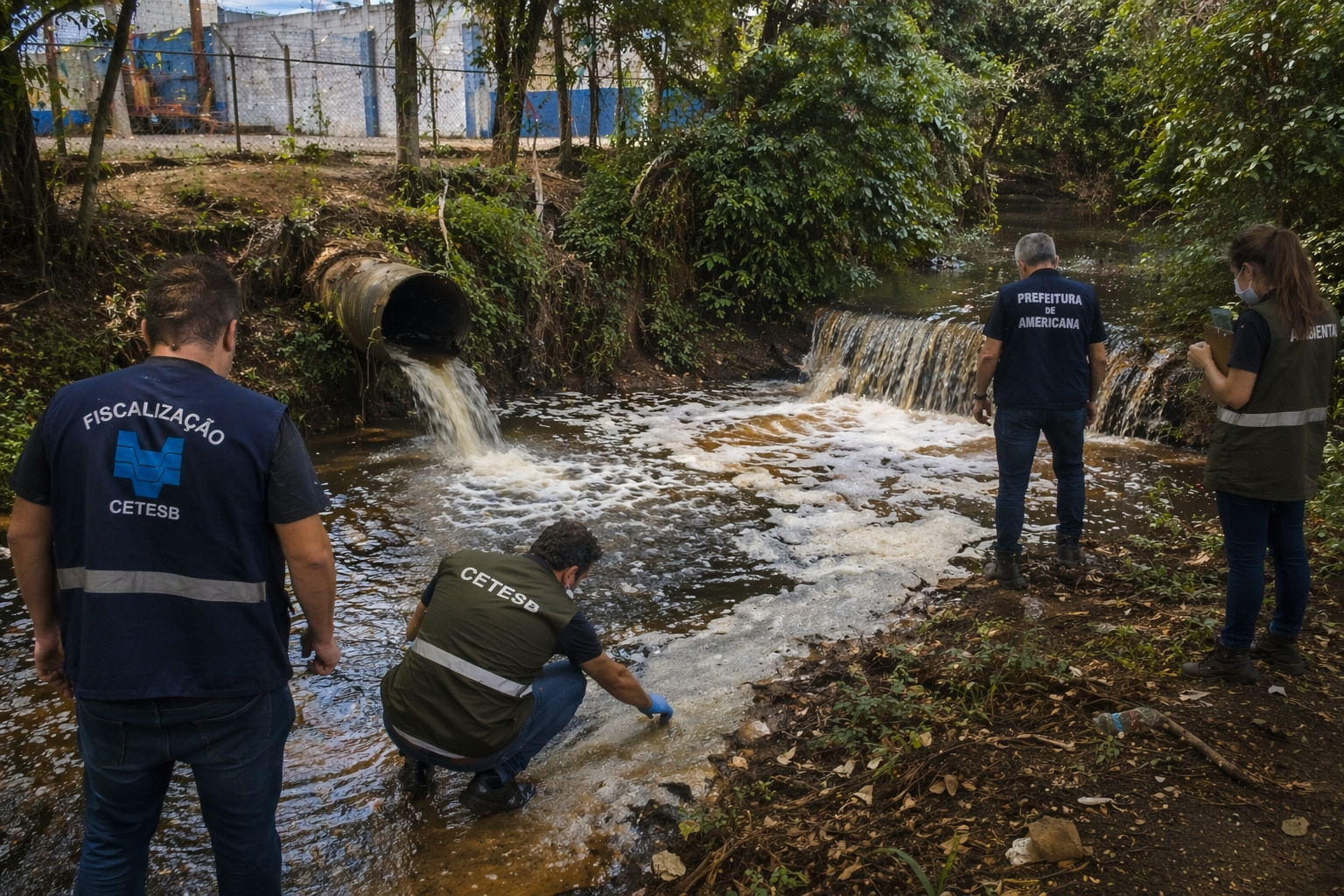
A fine of R$ 115 thousand places Goodyear at the center of an environmental case in Americana after oil and grease appeared in a stream and the company was required to act quickly.
-
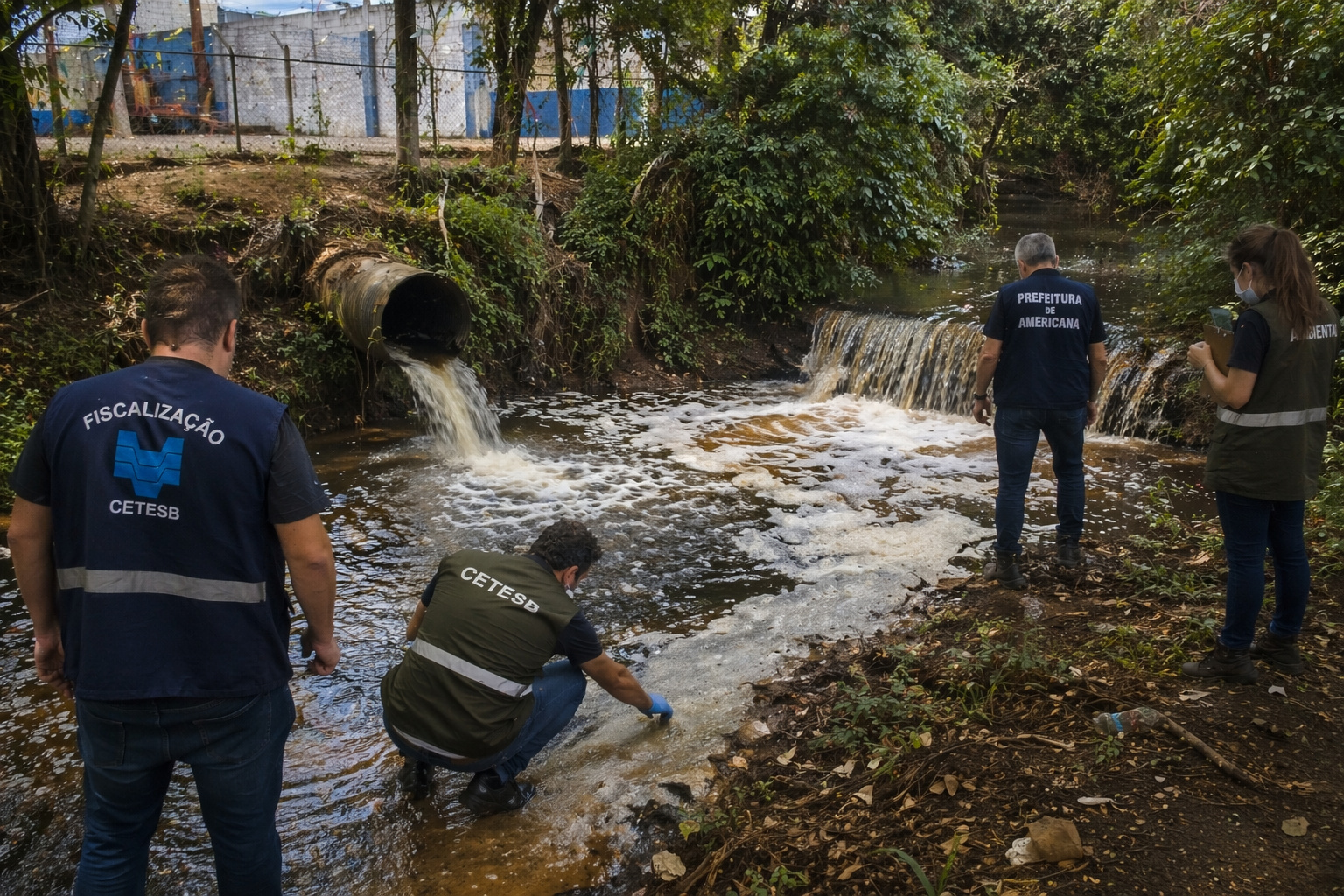
A fine of R$ 115 thousand puts Goodyear at the center of an environmental case in Americana after oil and grease appeared in a stream and the company was forced to act quickly.
-
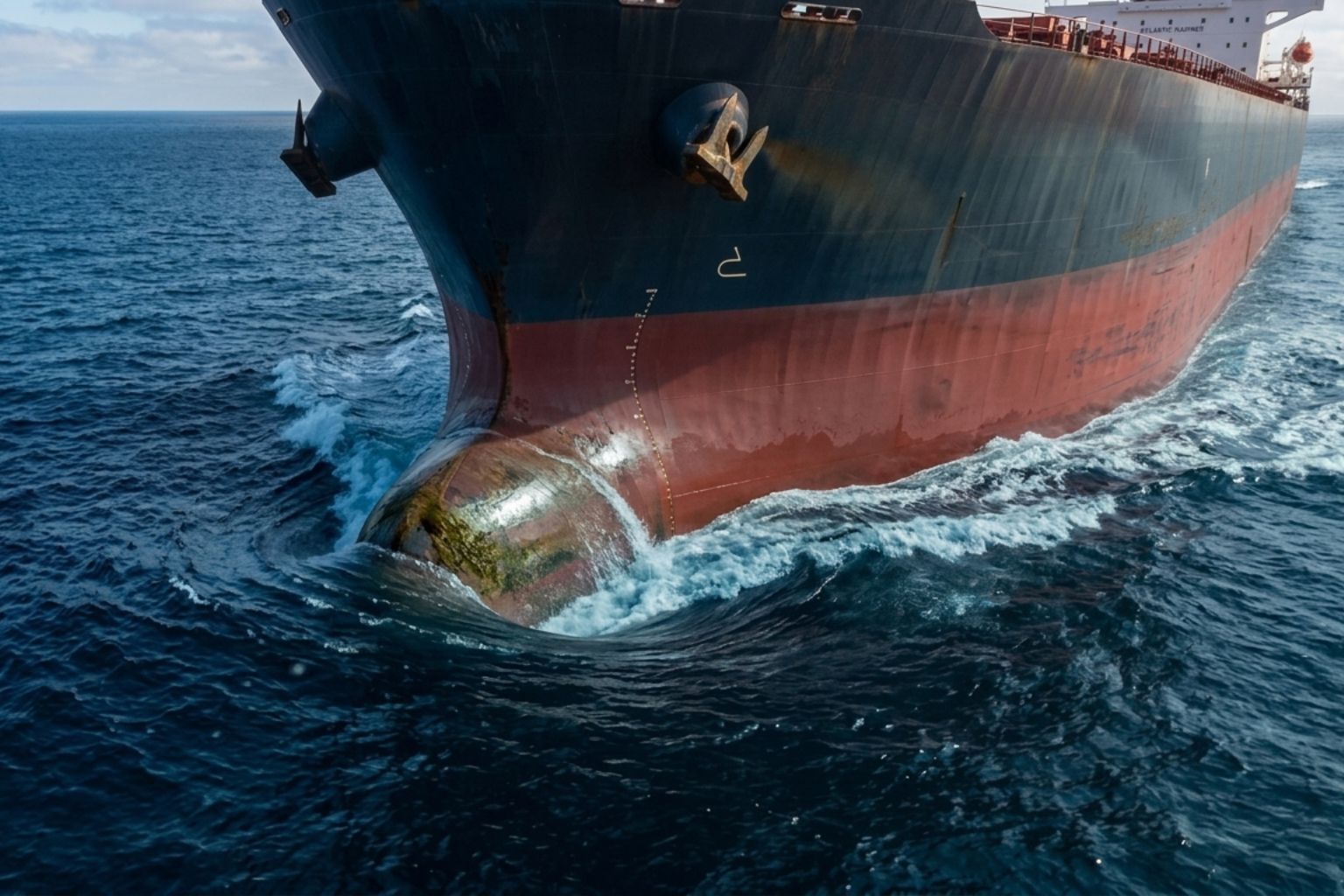
A hidden metal piece in the bow redesigns the water flow, reduces drag, and can save over 10,000 tons of fuel per year; this invisible solution allows giant ships to cut millions in costs without changing engines or routes.
-
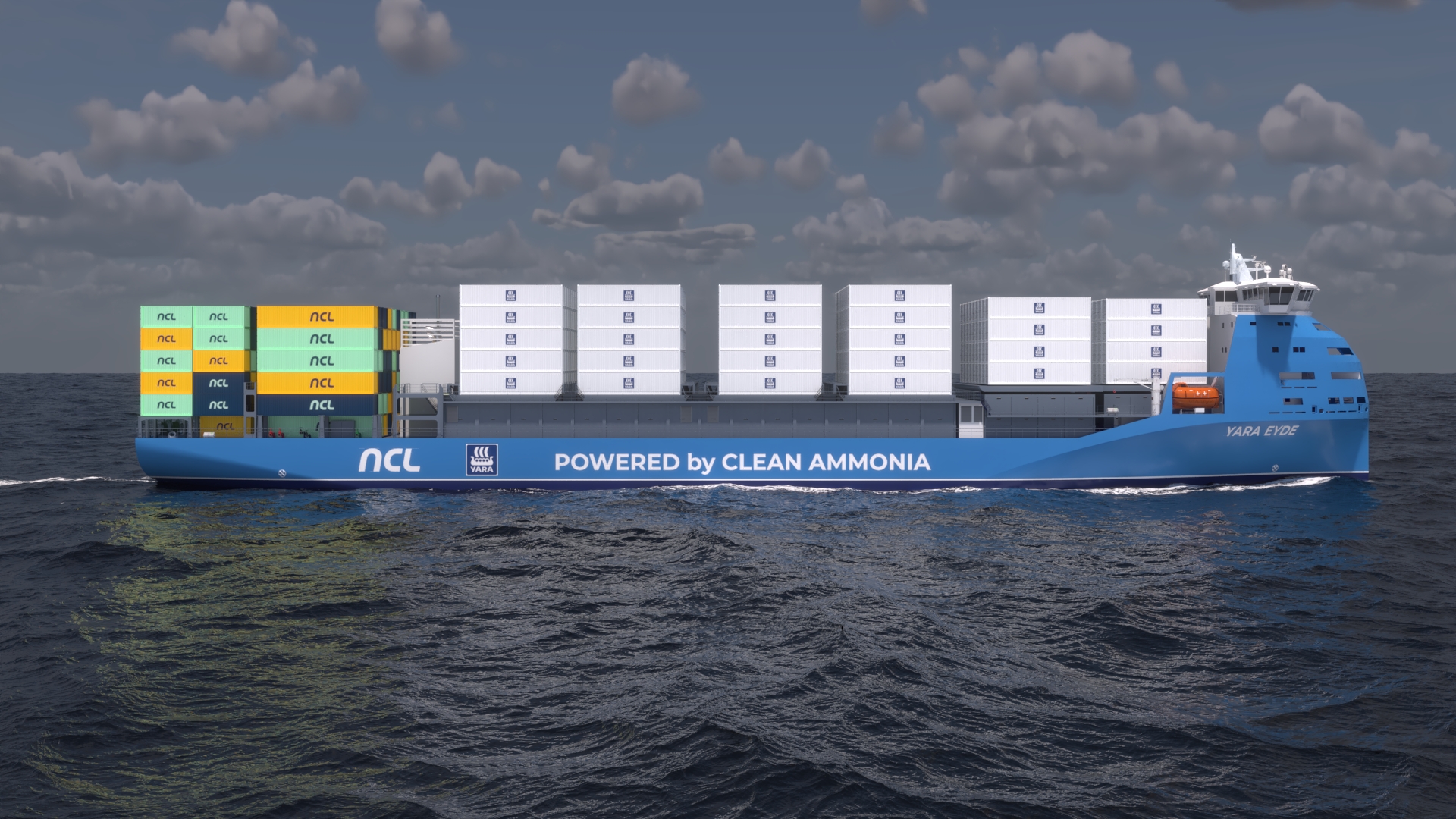
The world’s first container ship powered by renewable ammonia promises to avoid around 11,000 tons of CO₂ per year. The vessel, scheduled to operate in 2026, will connect Norway, Germany, and the Netherlands on one of the shortest and most strategic routes in Europe.
Furthermore, the decision is equivalent to a decrease of about 1.5 percentage points in the import tariff, which averages 11.6% in Brazil. The wharfage fee is charged for activities carried out during the movement of goods from the ship to passing through customs, and the whole process occurs after the Federal Revenue verification.
Brazil was the only country in Mercosur that still charged the wharfage fee on all import tax amounts at national ports, but will no longer do so after President Bolsonaro’s decision. This is one of the main measures of the current government to ensure a future reduction of the Brazil Cost in the national port sector.
Federal Government Seeks to Reduce Costs of Import Operations at Brazilian Ports to Ensure More Stability in the National Port Scenario
According to the special secretary for Productivity and Competitiveness of the Ministry of Economy, Daniella Marques, the new decree regarding the wharfage fee in import costs in Brazil “promotes better resource allocation by the productive sector, supporting the configuration of a more efficient and competitive economy, and reaffirms the commitment to reducing the Brazil Cost, potentially lowering costs for consumers and companies operating in Brazil.”
Thus, the Bolsonaro government continues to open Brazil’s doors to the foreign market and invests in seeking new trade exchanges through national ports, as a way to boost the Brazilian port sector. Now, companies will have even lower costs for cargo imports and can invest in this segment, which is of great importance in Brazilian ports.
Finally, this is not the only recent tariff reduction from the Bolsonaro government, as during the month of May, a 10% reduction of Import Tax rates on products such as beans, meat, pasta, cookies, rice, and construction materials with a validity period until December 31, 2023, was announced to further boost this segment of the national market.





Seja o primeiro a reagir!