





 English
  Francês
  Alemão
  Italiano
  Japonês
  Norueguês
  Portuguese
  Spanish
 3 min of reading


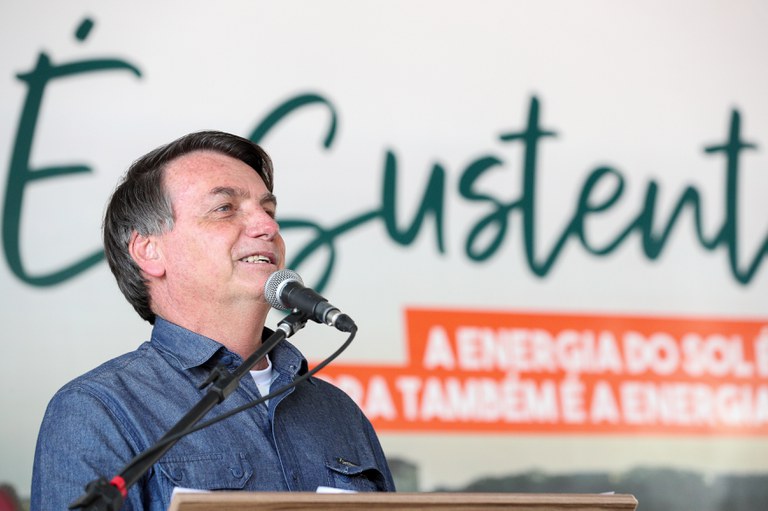
According to data from the National Electric Energy Agency (Aneel), there are currently 3,900 centralized solar power plants in operation across Brazil
On last Saturday (08/29), President Jair Bolsonaro made an announcement in the Goiás municipality of Caldas Novas, where he participated in the inauguration of a photovoltaic power plant, alongside the Minister of Mines and Energy, Bento Gonçalves, and the Governor of Goiás, Ronaldo Caiado (DEM). Brazil has been encouraging renewable energy – a Photovoltaic Plant will be installed in the Irrigation District of Ponto Novo, Bahia, to reduce electricity bills for farmers
Read Also
- Gerdau Announces 9,000 Openings for Free Entrepreneur Training Course in Brazil and the Americas
- Government Creates Constitutional Project to End Uranium Exploration Monopoly, MME Stated Last Friday (08/21)
- Federal Government Signs Agreement to Provide Electric Power from Solar Energy to 42,000 People in Remote Areas of the Amazon
During the event, the president reiterated his opposition to charging fees on solar energy generation, stating that “the sun will not be taxed.” In January, Bolsonaro had already mentioned that, after discussions with congressional leaders, the taxation on the activity was “buried.”
The president has taken a firmer stance on the matter after a resolution from the National Electric Energy Agency (Aneel) proposed changes to the subsidies for compensating energy produced at photovoltaic plants. The measure was subsequently revised.
-
Rio Grande do Sul accelerates energy transition: State invests in renewable technologies and consolidates decarbonization strategies and pathways to attract billions in new industrial investments.

-
With 160,000 m² of collectors, an area larger than 20 football fields, Silkeborg, in Denmark, hosts a solar thermal plant that heats 19,500 homes and could become the largest solar heating plant in the world.

-
A study reveals the expansion of renewable energy procurement in Brazil and shows how companies are taking advantage of opportunities to reduce expenses, ensure energy efficiency, and strengthen strategic environmental commitments.

-
Mato Grosso do Sul excels in the sugar-energy sector: the state reaches a milestone of 22 operating mills and accelerates the production of clean energy in MS with a focus on sustainability.

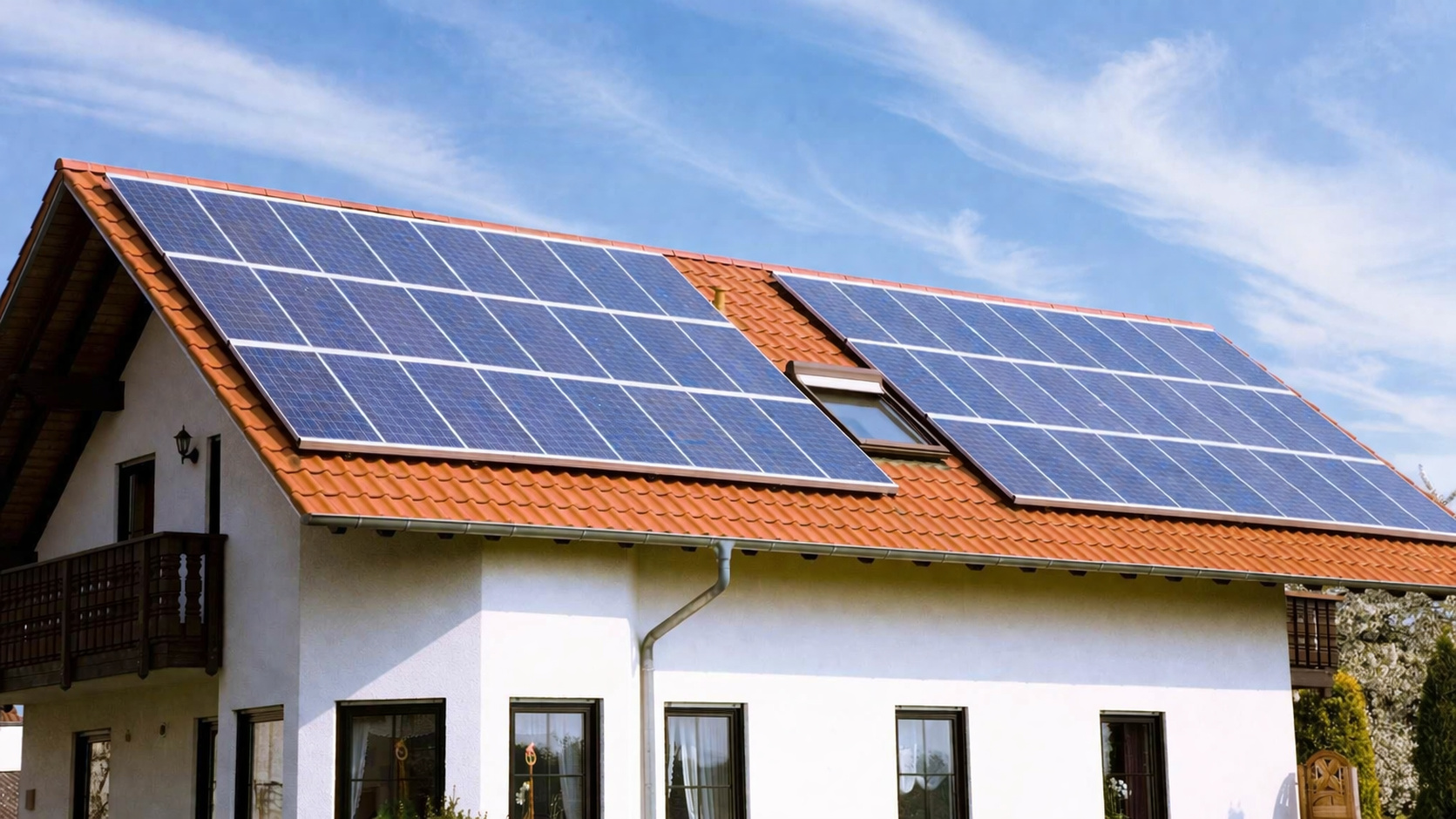
Solar Plant Located in the State of Goiás
The solar plant, located in the state of Goiás, belongs to the diRoma Group and consists of 26 distributed generation projects located in the municipality of Caldas Novas (GO), totaling an installed capacity of 5.6 MWp, capable of serving the equivalent of 4,265 families.
“And when I look here to the right and see a mini farm or an urban garden of photovoltaic panels, I am moved. Also because of entrepreneurship, and it is difficult to undertake in this country. We are helping the legislation with the support of your excellency, esteemed deputy, dear deputies here from the Goiás bench. The work is yours as well so that we can make a lighter Brazil with less bureaucracy, fewer rules so that this becomes possible, and we have worked a lot in that direction,” declared the President at the inauguration ceremony.
With resources originating from nature – solar radiation – the utilization of solar energy for electricity generation is a strong ally of environmental preservation. In 20 years, the inaugurated plant will prevent approximately 12,053 tons of CO2 from being emitted into the atmosphere. This is equivalent to the planting of 956,000 trees.
According to data from the National Electric Energy Agency (Aneel), there are currently 3,900 centralized solar power plants in operation across the country. In Distributed Generation, Brazil has more than 280,000 plants, with approximately 3,600 MW of installed capacity. Of this total, 198 MW refers to 12,252 plants located in the state of Goiás, of which 43% (5,290) were connected to the grid from January to mid-August of this year.
The encouragement of clean and renewable electricity generation is one of the banners of the Ministry of Mines and Energy (MME), which this year achieved tax exemptions on imports of solar energy equipment and the creation of “green debentures.”
According to the Ten-Year Electric Energy Plan 2029 (PDE 2029), under current rules, the installed capacity of solar energy in centralized enterprises will increase from 2.1 GW to 10.6 GW in 10 years, and distributed generation will reach the mark of 11 GW.
The strategic vision of the MME is to invest in diversifying the matrix, increasing the integration of renewable sources with greater economic rationality. Currently, clean sources (hydropower, wind, biomass, and solar) represent approximately 83% of the installed capacity for electricity generation in Brazil, placing Brazil’s electric matrix among the cleanest in the world.






Seja o primeiro a reagir!