Portuguese
  Spanish


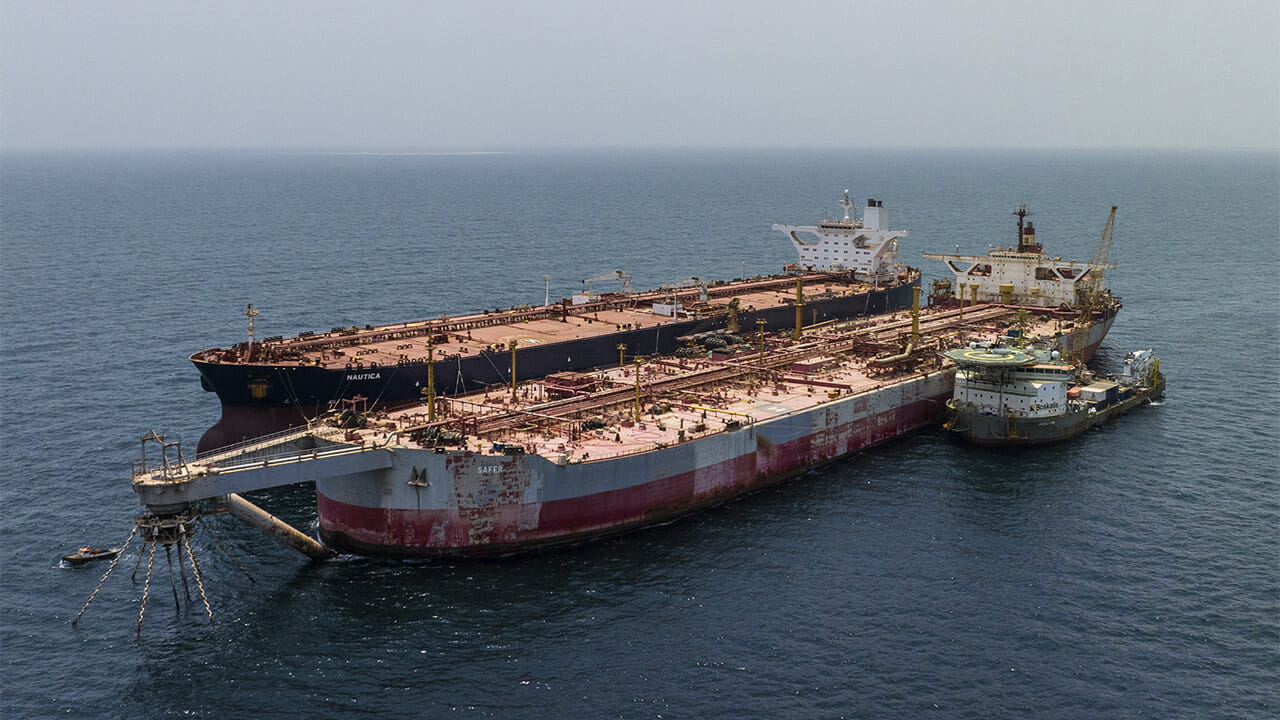

The FSO Safer Oil Tanker Has Been Abandoned for Over 30 Years Near the Coast of Yemen, Posing a Risk of Oil Spill.
An Abandoned Oil Tanker, with the threat of causing an unprecedented ecological disaster, has drawn the world’s attention. The vessel, carrying approximately 1 million barrels of oil, has been anchored near the coast of Yemen for over three decades. Recently, a United Nations-led operation has begun the delicate task of unloading the vessel, called FSO Safer, in an attempt to prevent a Maritime Tragedy.
Imminent Humanitarian and Environmental Crisis
If an oil spill occurs from the abandoned ship, the repercussions would be devastating, not only for the environment but also for the Yemeni population. An oil leak would lead to the closure of vital ports in the country, through which food and fuel pass, directly impacting the lives of around 17 million people. It is worth noting that Yemen is already suffering from a humanitarian crisis due to a prolonged internal conflict.
The operation to unload the abandoned oil tanker, estimated at US$ 141 million, is a challenging endeavor. Several UN member countries are funding the mission, with additional resources coming from private donors.
-
Giant Ship Appears to Sink as It Takes on Water to Load 91,000-Ton Platform from China to Rio de Janeiro

-
Giant Floating Gates Protect Rotterdam from Rising Sea Levels at One of Europe’s Largest Ports
-
Chinese Ship Elevator Lifts Vessels 113 Meters in 40 Minutes, Bypassing Five Locks
-
Wooden Ship Lost Under Antarctic Ice for 107 Years Found Nearly Intact at 3,008 Meters Depth, Filmed by Robots Without Human Contact
The process of removing the oil is being carried out with extreme care to avoid the tanker disintegrating or an explosion occurring. Currently, the team is pumping between 4,000 and 5,000 barrels of oil per hour. The total completion of the transfer is estimated to take 19 days.
The Dangers of an Oil Spill
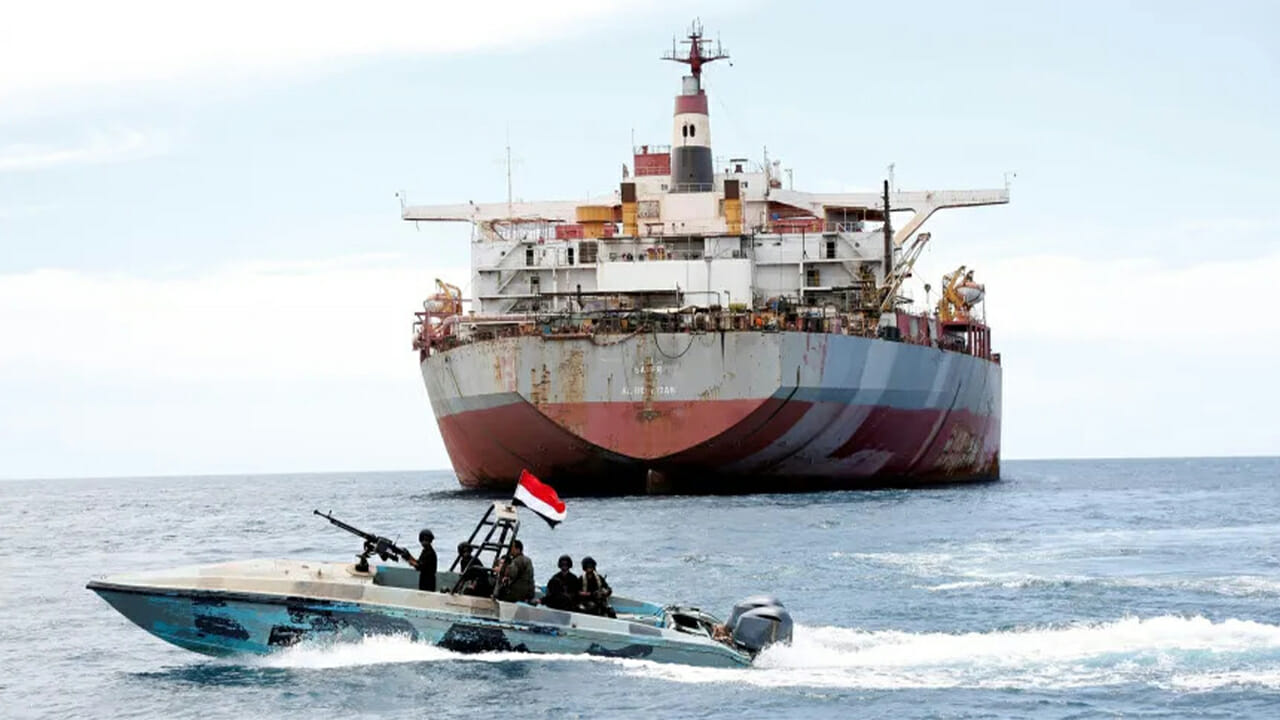
A potential oil leak from the abandoned oil tanker would cause considerable damage to marine life. It is estimated that fish stocks could be harmed for up to 25 years, affecting around 200,000 fishing jobs. Furthermore, the oil spill could reach the African coast, causing incalculable losses.
The public health impact would also be significant, with the risk of hospitalization for cardiovascular or respiratory diseases increasing by 530% for those directly exposed, according to a Stanford University study.
The Issue of Oil Ownership
The fate of the oil aboard the abandoned vessel remains uncertain. Although it belongs to the Yemeni state-owned company SEPOC, ownership is still a matter of dispute. The situation regarding the oil is complex due to the ship’s location in an area controlled by Houthi rebels and the company’s headquarters in a government-controlled city.
The removal of the oil is, without a doubt, a critical and urgent issue. However, the situation does not end with the successful transfer of the material. There remains the danger of sticky oil residues inside the tank, and the ship is still vulnerable to collapse. Meanwhile, the world watches closely, hoping that the threat of an imminent maritime tragedy can be avoided.