





 Portuguese
  English
  Spanish
  3 min of reading
  0 comments


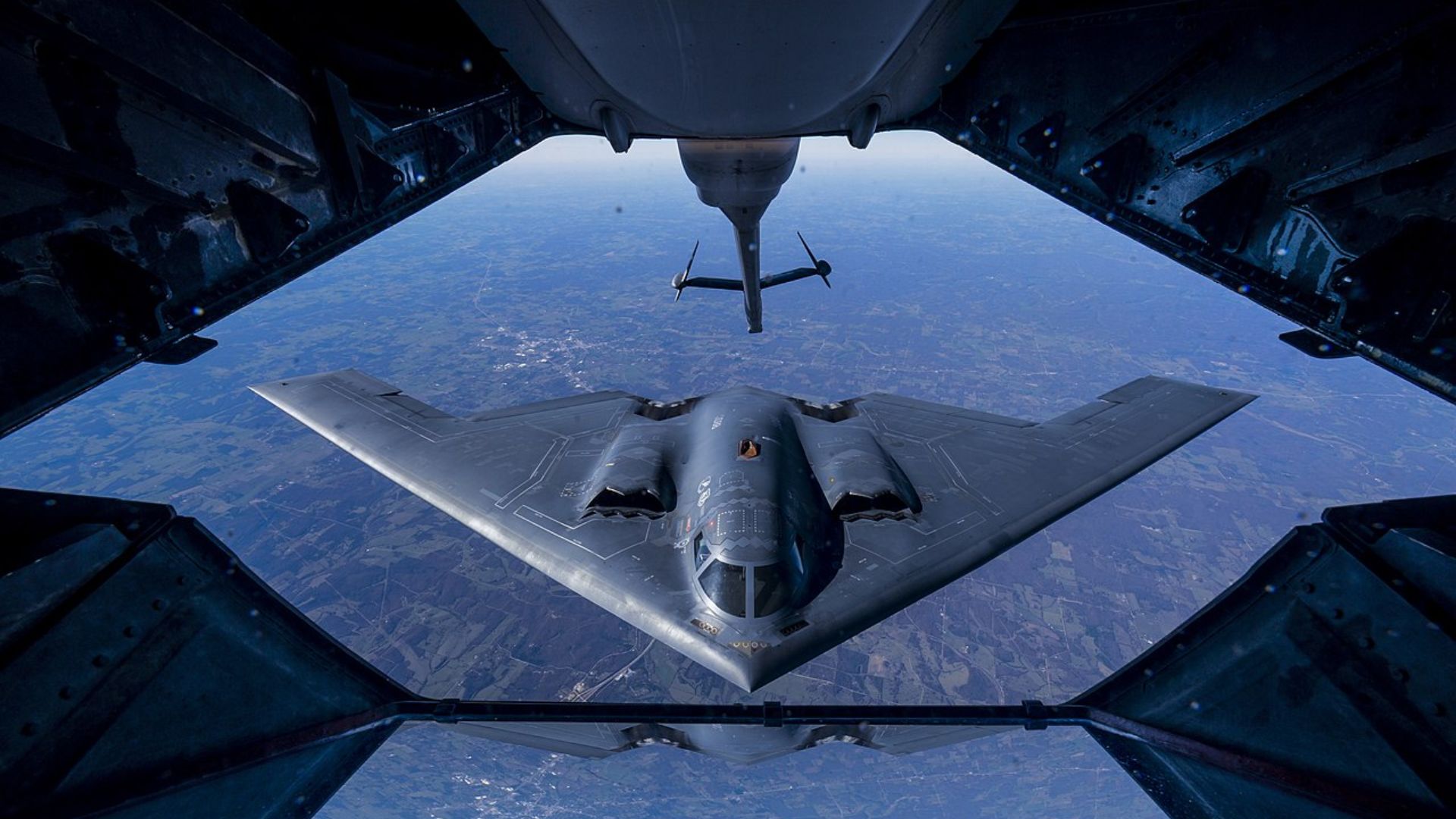
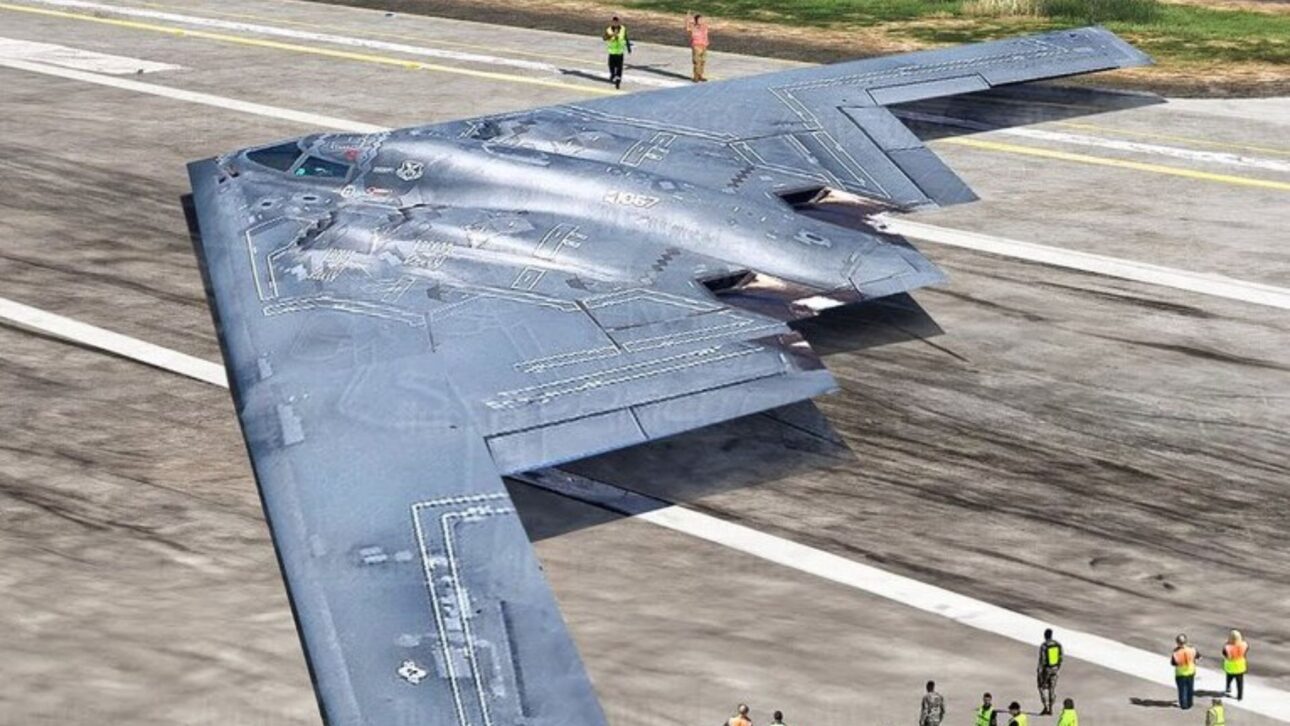
On June 22, 2025, seven B-2 Spirit bombers of the United States Air Force took off from Whiteman Air Force Base in Missouri and stayed in the air for 37 hours straight, carrying out a precision strike against nuclear targets in Iran before returning without any intermediate landing.
Designed by Northrop Grumman, the B-2 Spirit is a stealth strategic bomber with range of over 11,000 kilometers. The recent mission, however, required double that distance. The feat was only possible thanks to the aerial support of specialized tanker aircraft, responsible for refueling the bombers during flight.
The B-2s were refueled several times during the mission by models such as the KC-135 Stratotanker, the KC-10 Extender, and the modern KC-46 Pegasus. These aircraft operate as aerial fueling stations, allowing military aircraft to make long global crossings without the need to land.
In-flight refueling is a highly precise process. During the procedure, the support aircraft connects a hose or retractable boom to the bomber mid-air, transferring dozens of tons of fuel at hundreds of kilometers per hour. The operation requires extreme coordination between pilots and refueling operators.
-
A planet that seemed to defy the laws of physics has intrigued scientists for decades, until the James Webb revealed what is really affecting Saturn’s rotation.

-
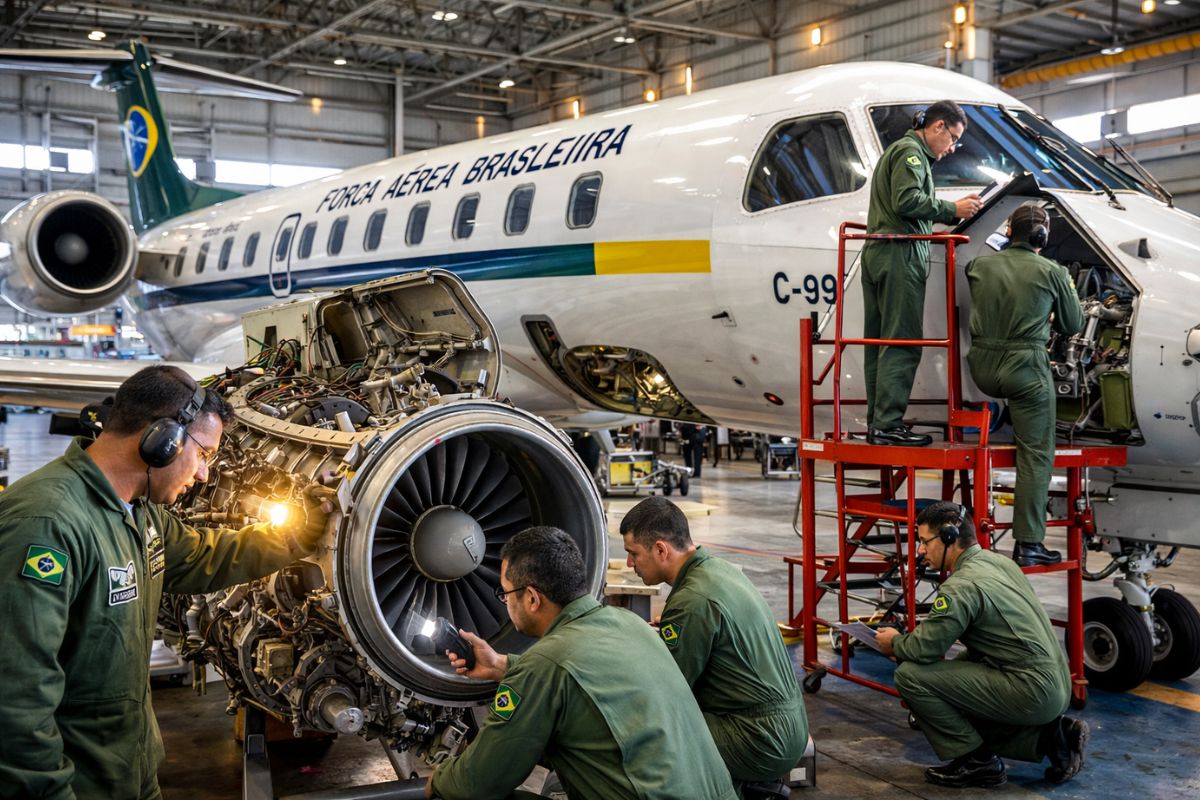
For the first time in history, the Brazilian Air Force conducted a highly complex inspection on the C-99 jet independently, without relying on foreign companies, marking a new level of logistical autonomy and operational sovereignty.
-
Beet greens that end up in the trash in many kitchens contain a high concentration of antioxidants, and a 2025 study shows that extracts may have even more potent activity when transformed into microparticles.

-
Something was orbiting Earth before any human launched a satellite into space: scientists have found thousands of unexplained flashes in old photos of the sky, and a NASA researcher says the evidence points to non-human intelligence.


Tanker Aircraft: The Backbone of Power Projection
The KC-135, in operation since the Cold War, can carry up to 90 tons of fuel. The KC-10, based on the commercial jet DC-10, holds 160 tons, enough capacity to fully refuel two B-2s. The most recent, KC-46 Pegasus, is equipped with a digital cockpit, defensive systems, and greater range, allowing operations close to hostile zones.
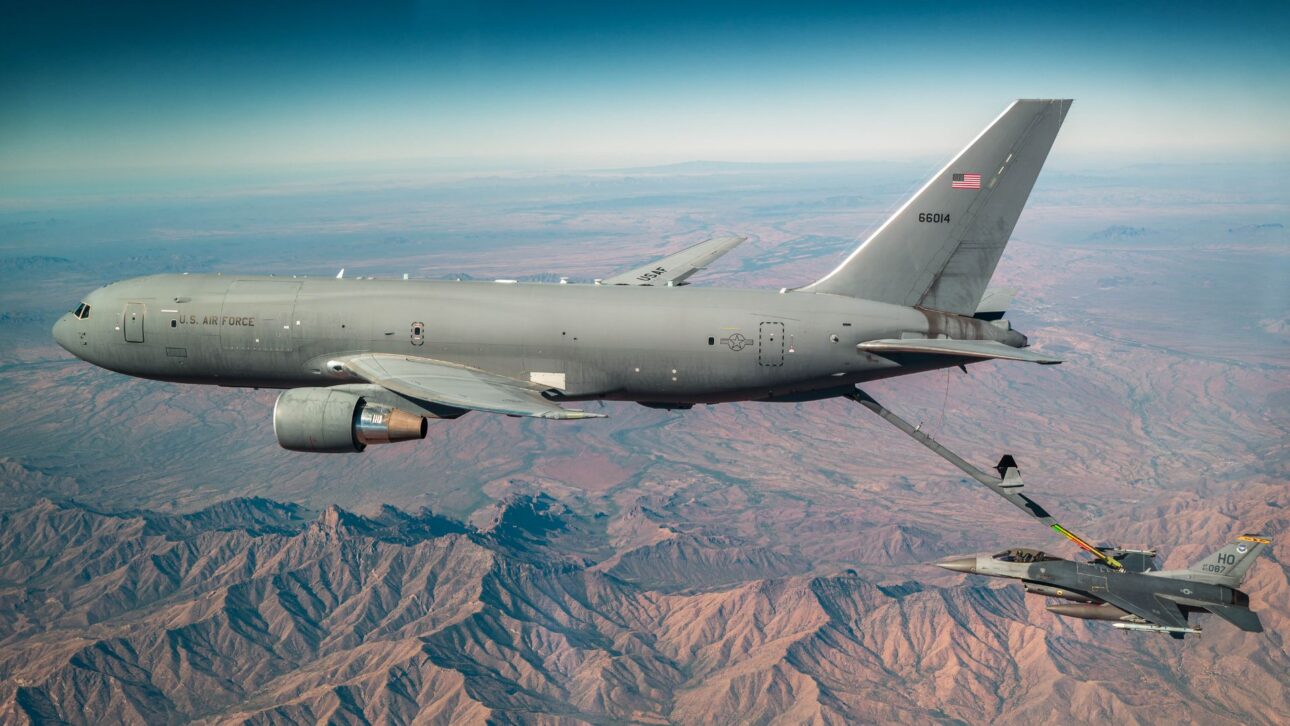
These aircraft are essential not only for the bombers’ range but also to maintain operational secrecy. If the B-2s had to land on foreign soil, the mission would lose its element of surprise and jeopardize the stealth attack strategy.
With aerial refueling, the U.S. can carry out strike missions directly from its continental territory without relying on forward bases. This significantly expands the range of its air force and enhances its global strategic deterrence capability.
Covert Mission with Cutting-Edge Logistical Support
During the operation, the B-2s dropped 14 GBU-57 bombs, known as “bunker busters,” capable of penetrating fortified targets beneath layers of rock and concrete. The aircraft flew over several countries, crossed oceans, and returned safely to the United States undetected, reinforcing their role as a central piece of the long-range strike doctrine.
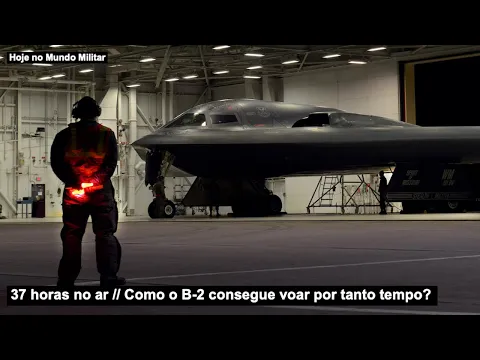

In addition to stealth engineering, the B-2 features comfort items for the two crew members, such as a microwave, coffee maker, bathroom, and resting space. This allows for alternating pilots during long flights, ensuring safety and efficiency during intercontinental missions.
The information was released by the specialized channel “Today in Military World,” which highlighted the technical details of the mission and the logistics support needed to keep a $172 million aircraft operating for almost two days without interruption.






-

Uma pessoa reagiu a isso.