





 Portuguese
  English
  Spanish
  6 min of reading
  0 comments


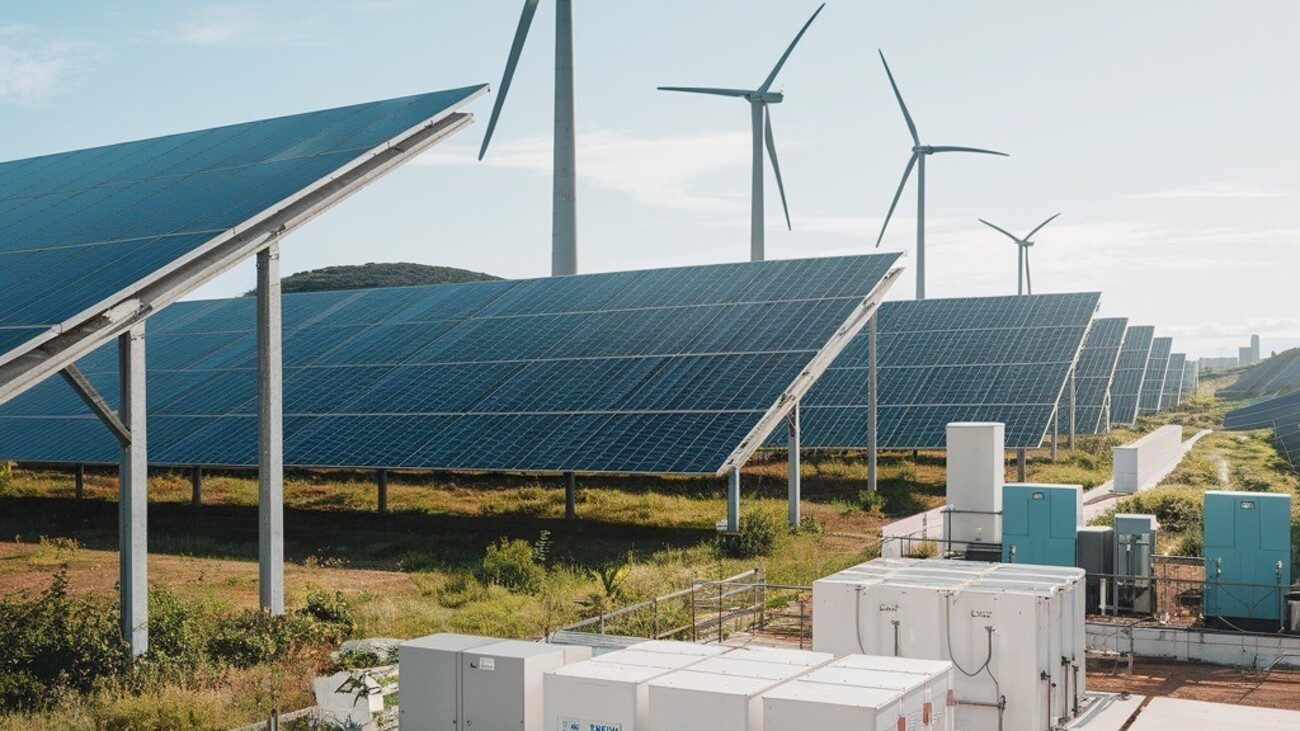
The new European financing package allocates strategic resources for technology projects that ensure supply stability and expand network storage capacity across the region.
The European government has allocated a new investment of 20 million euros to accelerate the implementation of flexibility and network storage technologies in the electrical grid.
The financial contribution aims to integrate intermittent renewable energy sources, such as wind and solar, more efficiently into the national distribution system.
This measure addresses historical bottlenecks of energy waste, allowing excess produced during peak generation times to be stored for use during periods of low sunlight or weak winds.
-
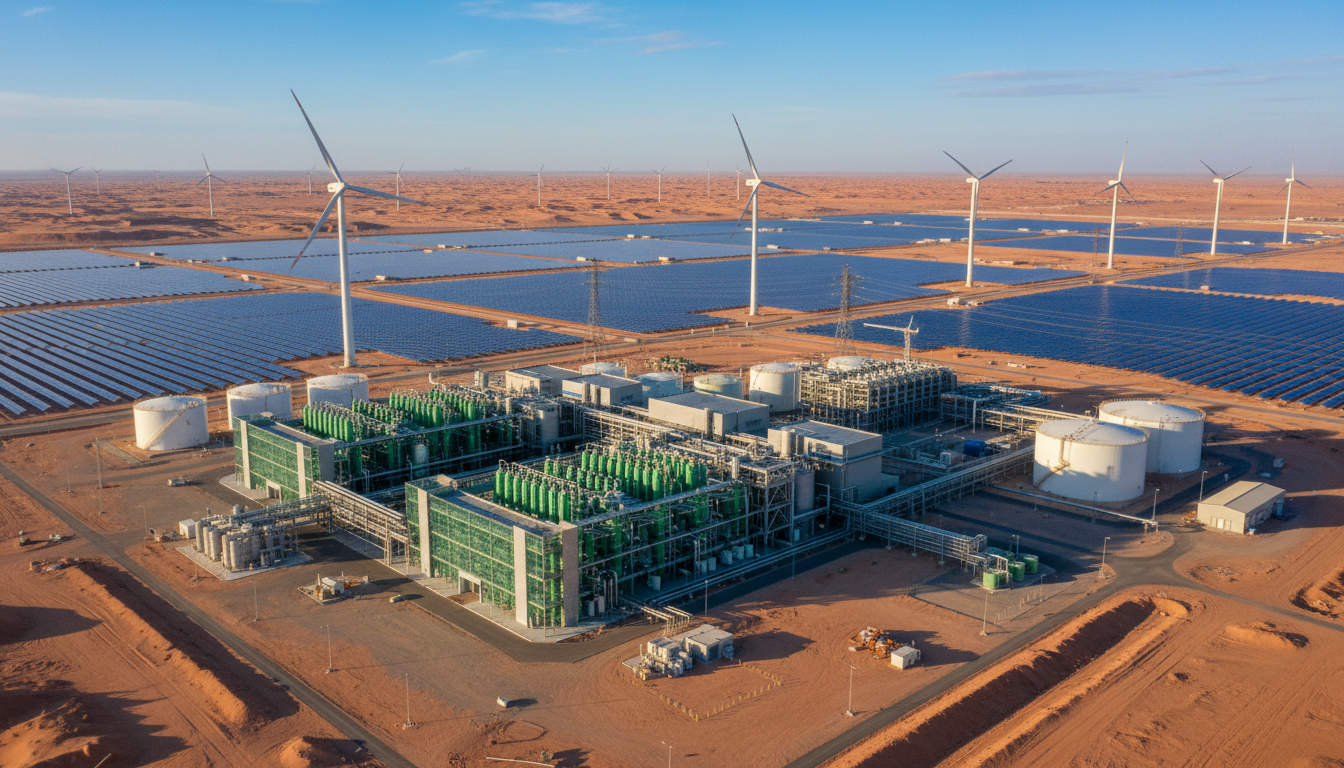
In the Saudi Arabian desert, the world’s largest green hydrogen plant is 80% complete and will use 4 gigawatts of solar and wind energy to produce 600 tons of clean fuel per day when it opens in 2027.
-
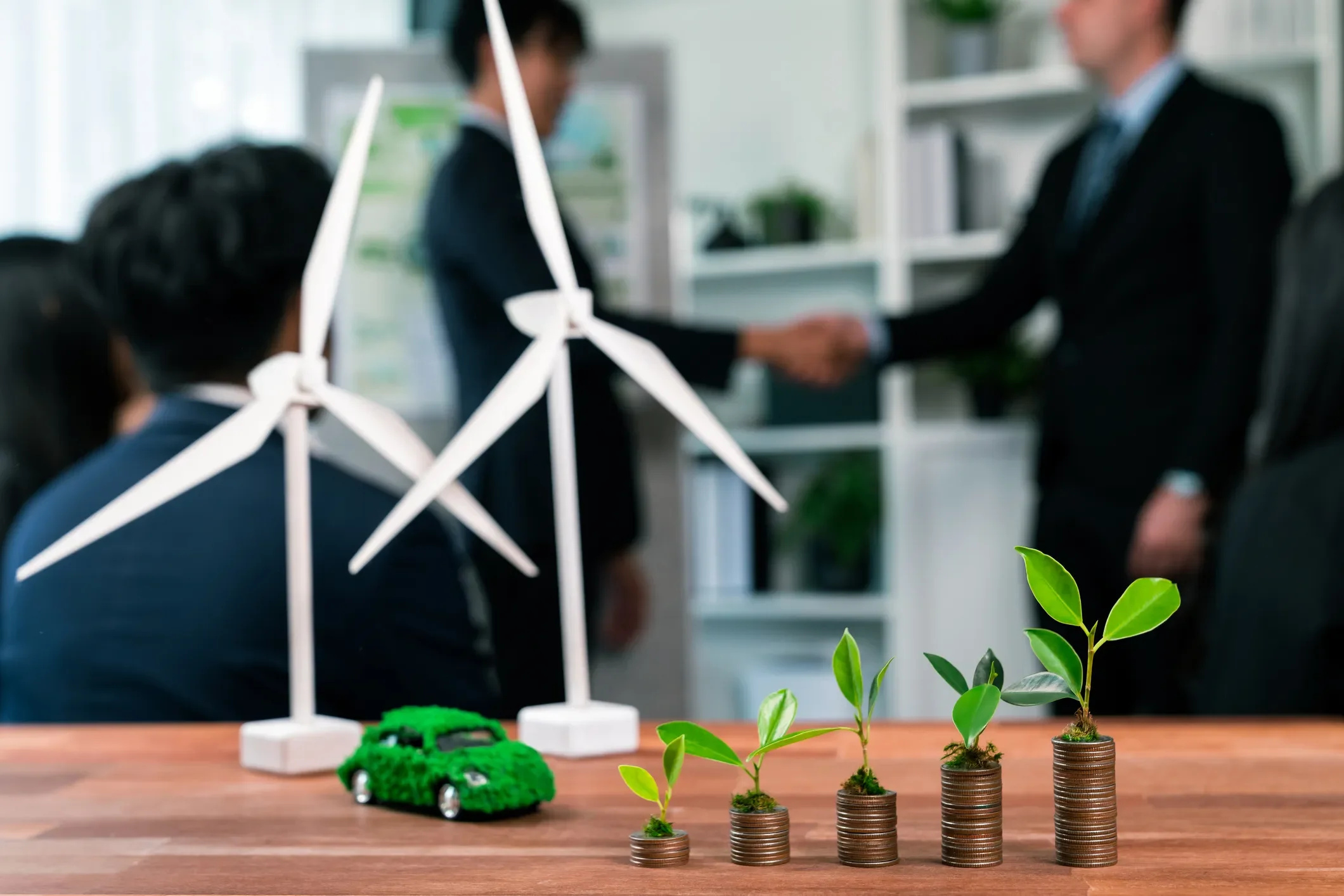
Instability in the energy market drives investments in renewables and starts the global race for the electric transition.
-
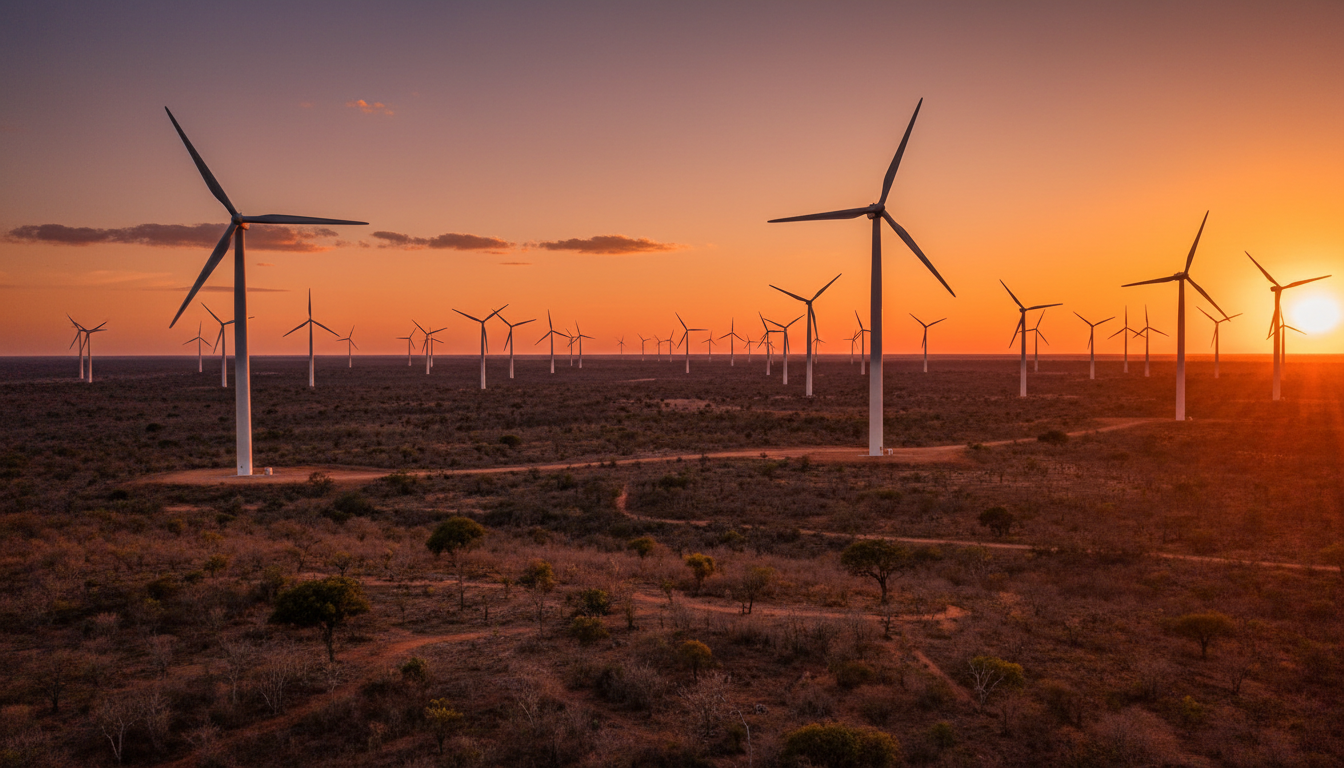
The Brazilian Northeast is receiving the largest wave of investments in clean energy ever seen in the country, with R$ 200 billion in wind and solar, 9,000 km of transmission lines, and a promise that could change the economy of 60 million people.
-
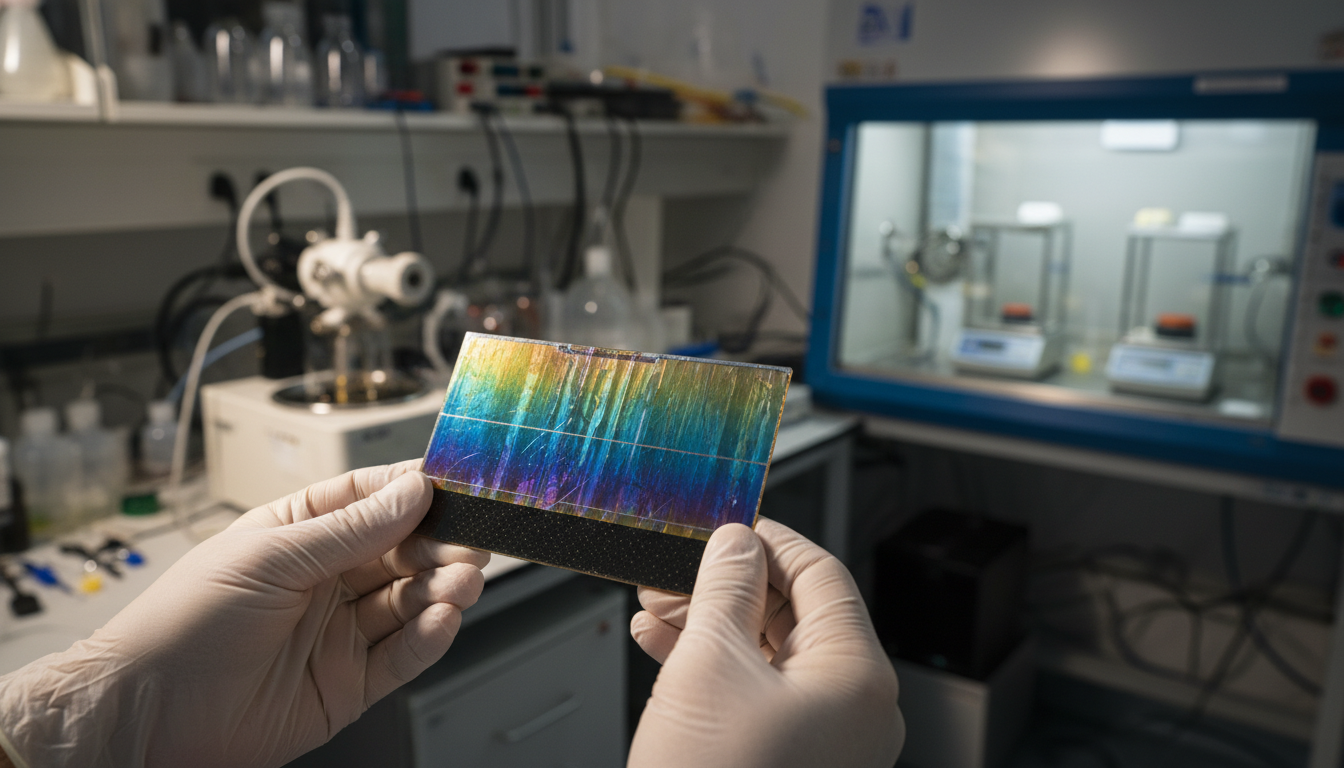
Chinese company creates solar cell that breaks the physical limit of silicon with 34.85% efficiency and promises to revolutionize electricity bills with panels that generate 20% more energy starting in 2026.
In addition to strengthening energy security, the resource boosts the creation of new large-scale batteries and intelligent management systems that balance supply and demand in real-time. The focus is on modernizing physical and digital infrastructure, ensuring that the end consumer receives clean energy continuously and with lower price volatility.
The initiative places Europe at the forefront of energy autonomy, reducing dependence on imported fossil fuels and consolidating a resilient electrical system prepared for the climate challenges of the coming decades.
The strategic role of network storage in energy security
The modernization of the electrical sector requires solutions that go beyond simple energy generation. The biggest current challenge lies in managing what the system produces.
The investment of 20 million euros focuses precisely on this point, prioritizing network storage as the central pillar of stability. Without batteries or accumulation systems, solar energy generated at noon is wasted if there is no immediate consumption.
The new funded projects aim to create a robust “energy reserve.” This means that grid operators can store excess electricity and release it during peak times when city lights are on and factories are operating at full capacity.
This balance prevents overloads in the system and reduces the need to activate backup thermal power plants, which tend to be more expensive and polluting.
Technologies that transform system flexibility
The financial contribution is not limited to giant lithium batteries. The concept of network storage encompasses a range of technological innovations that the market is now beginning to scale. Among the solutions receiving incentives are:
Flow batteries: Ideal for storing large volumes of energy for long periods. Green Hydrogen: The use of excess electricity to separate hydrogen from water, functioning as a storage fuel.
Thermal storage: Conversion of electricity into heat for industrial use or urban heating. Inertia Flywheel Systems: Mechanical devices that maintain grid frequency stable during rapid fluctuations.
These technologies ensure that the electrical grid operates flexibly. Flexibility allows the system to absorb demand shocks or sudden drops in production without causing blackouts. The European investor sees these solutions as the key to a decentralized grid, where each wind farm has its own reserve unit.

What happens to energy when the wind stops?
Many people wonder how the country keeps the lights on if renewable sources depend on the weather. The short answer is: stock management. Before the evolution of network storage, operators had to burn natural gas or coal to cover the lack of wind.
With the new investment of 20 million euros, the goal is to replace this fossil burning with stored energy. It’s like having a bank account of electricity: you deposit when there’s a surplus and withdraw when you need it.
This makes the system “smart” and much cheaper in the long run, as the marginal cost of storing renewable energy decreases as battery technology advances.
Real impact on electricity bill prices
The end consumer feels the reflection of this investment indirectly but significantly. The efficient use of network storage flattens the wholesale market price curve. Currently, the price of energy spikes during peak consumption times because supply is limited.
When the grid has large storage reserves, supply becomes constant. Distributors do not need to buy expensive last-minute energy.


In the long term, the infrastructure financed by the 20 million euros helps stabilize tariffs, protecting families and small businesses from sharp fluctuations in the international energy market. Tariff stability is one of the main drivers of industrial competitiveness in the region.
Electric mobility as an extension of storage
An innovative point of the new European projects involves the use of electric cars as part of network storage. The technology known as Vehicle-to-Grid (V2G) allows parked cars to return energy to the system in times of need.
The resource released by the government also stimulates software that coordinates this exchange. Imagine millions of cars functioning as a giant distributed battery. During the day, the car charges with cheap solar energy at work.
At night, when residential demand increases, the car provides a small part of that charge to the grid. This sharing model optimizes the use of existing infrastructure and reduces the need to build new large power plants.
Logistical challenges and the supply chain
Despite the optimism surrounding the 20 million euro investment, the sector faces bottlenecks in the global supply chain. The manufacturing of network storage systems requires critical minerals such as cobalt, lithium, and rare earths. Europe seeks to encourage the domestic production of these components to avoid excessive dependence on Asian markets.
The projects selected to receive funding must demonstrate not only technical efficiency but also sustainability in material extraction.
The recycling of old vehicle batteries for secondary use in stationary storage is one of the trends gaining momentum. Giving a “second life” to batteries reduces environmental impact and lowers the cost of implementing new reserve units in the electrical grid.
The role of digitalization and artificial intelligence
Managing a complex system with a high level of network storage requires data intelligence. Part of the allocated resources focuses on developing Artificial Intelligence algorithms that predict consumption with minute precision.
These digital systems coordinate when batteries should charge or discharge. The software analyzes weather forecasts for the next day: if the forecast indicates cloudy skies, the system preserves the current stock.
If the forecast indicates strong winds, the batteries discharge to make room for the new generation that is coming. This automatic orchestration maximizes the efficiency of every euro invested in physical infrastructure.

Energy independence and regional sovereignty
The investment in network storage has a clear geopolitical bias. By increasing the capacity to store its own renewable energy, the region reduces the need to import natural gas for combined cycle plants.
Energy autonomy strengthens the sovereignty of nations, making them less vulnerable to external pressures and crises in fossil fuel-producing countries.
The 20 million euros serve as a seed to attract even more private capital. Energy technology companies see government support as a sign of security to invest in battery factories and research centers.
The ultimate goal is to create a complete industrial ecosystem focused on the green transition, generating skilled jobs and exporting technology to the rest of the world.
The future of the electric grid is flexible
The release of an additional 20 million euros for network storage and system flexibility marks a decisive step towards total decarbonization. The world is moving towards an electrical matrix where the energy source is clean, but system control is technological.
Coal mines give way to solar parks, and oil reservoirs give way to smart battery banks.
The success of these projects will determine the speed at which society abandons fossil fuels. Having a grid capable of adapting, storing, and distributing energy intelligently is the key to a sustainable and economically viable future.
Finally, today’s investment ensures that tomorrow, the energy that powers our lives comes directly from nature, without interruptions and with total efficiency.





Seja o primeiro a reagir!