





 Portuguese
  English
  Spanish
  7 min of reading
  0 comments


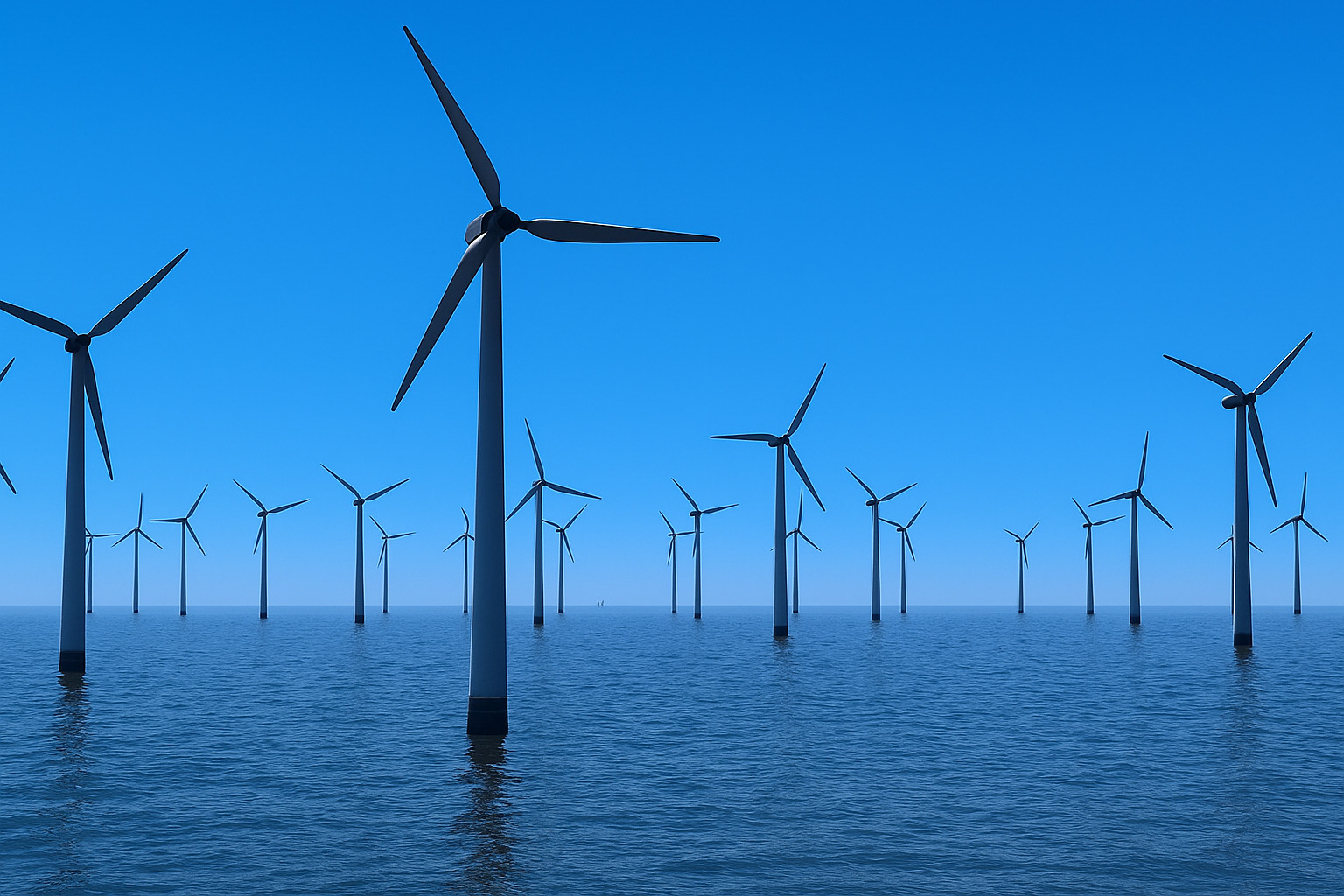
Brazil Accelerates Offshore Wind Energy with 103 Requests at Ibama, Showing Potential to Expand Clean Energy and Strengthen the National Energy Matrix Sustainably.
Brazil is currently experiencing a decisive moment in the expansion of offshore wind energy, as the Brazilian Institute of Environment and Renewable Natural Resources (Ibama) registered 103 requests for environmental licensing for complexes installed in the sea.
This movement demonstrates that the country is accelerating its investment in harnessing maritime winds, which have great potential to significantly contribute to the national energy matrix.
Moreover, the total requested capacity exceeds 244 gigawatts (GW), an impressive number that surpasses by more than seven times the entire wind generation currently in operation in Brazil.
-
Giant of the winds in Rio Grande do Norte: Serra do Tigre Wind Complex receives new investments and accelerates the expansion of clean energy generation to supply millions of Brazilian homes.
-
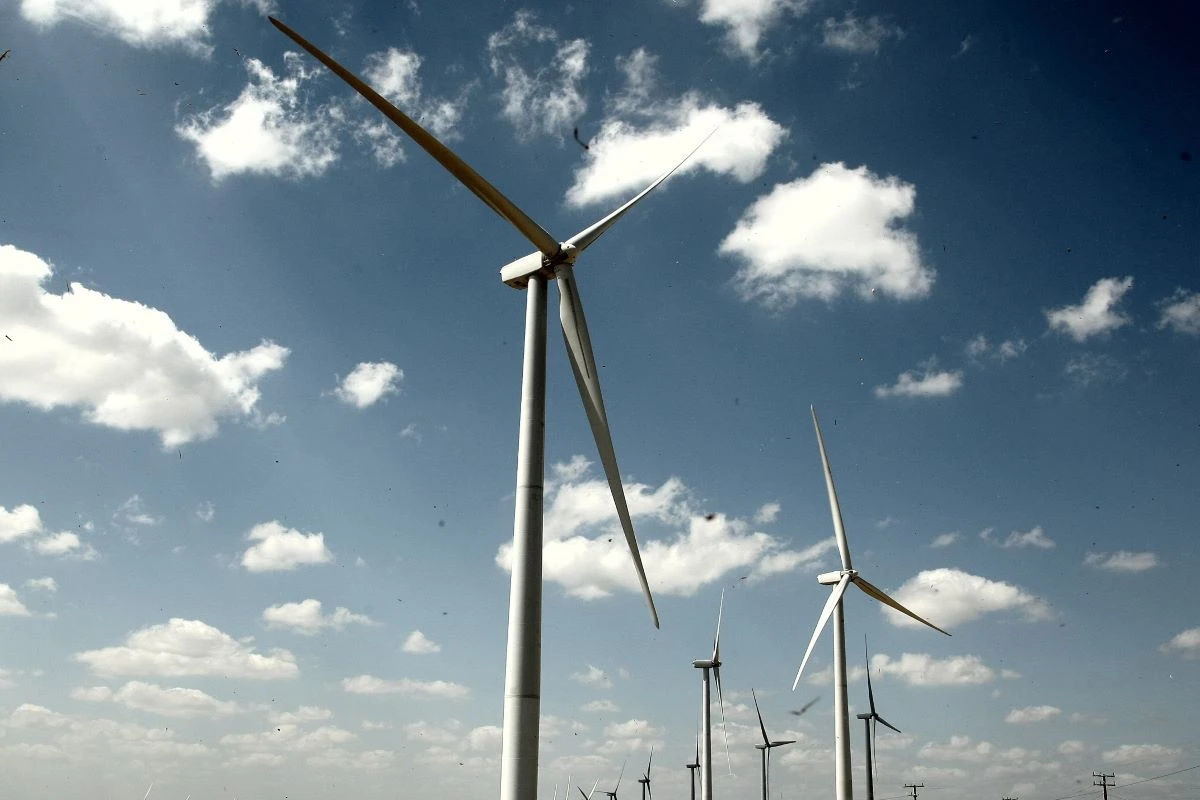
Urgent energy transition: Greenpeace advocates for massive investments and points to Brazil as a global leader in wind energy production in the coming years.
-
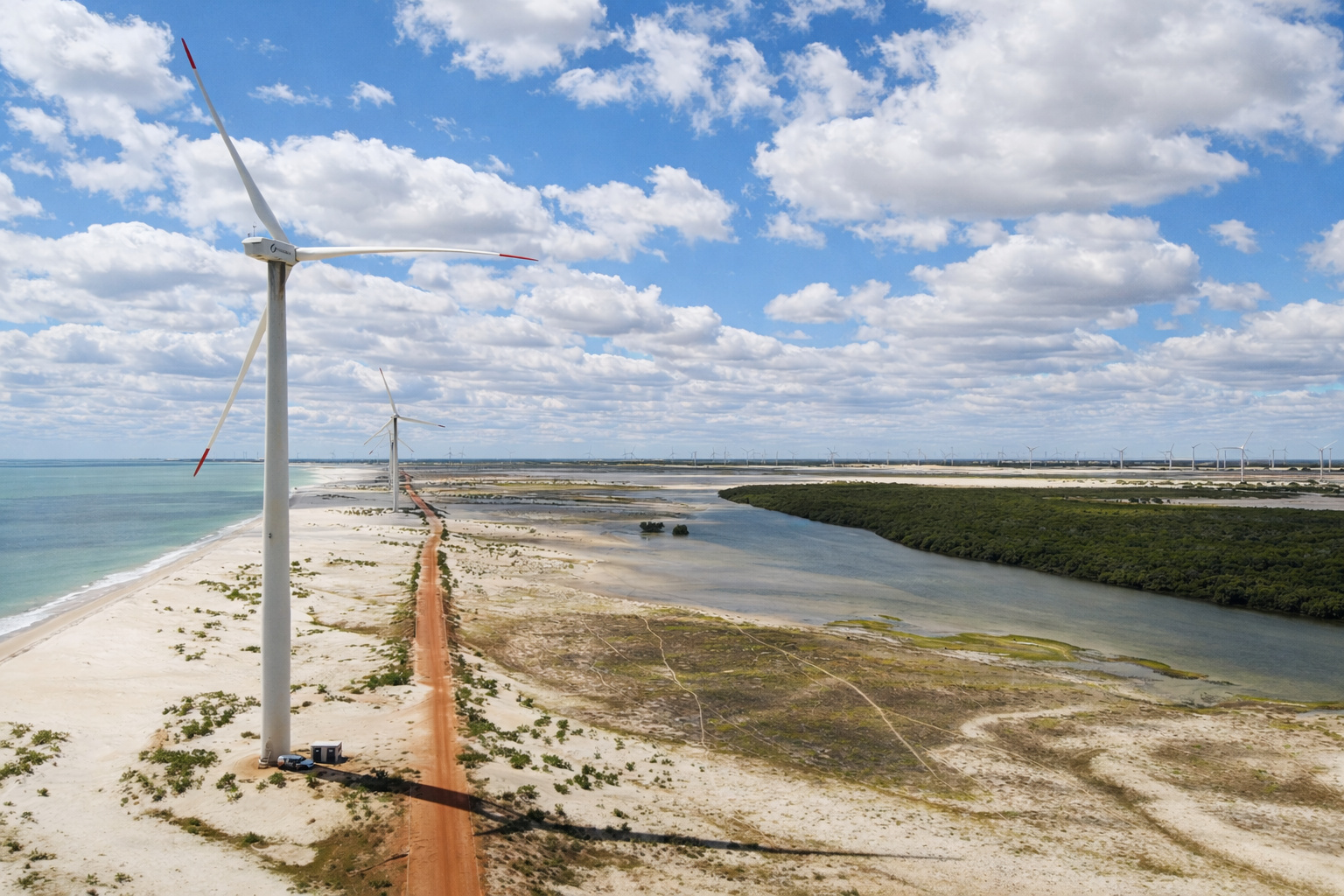
Conflict in the Sertão: Rural communities in Rio Grande do Norte report issues with wind farms and the new challenges of clean energy in the semi-arid region.
-
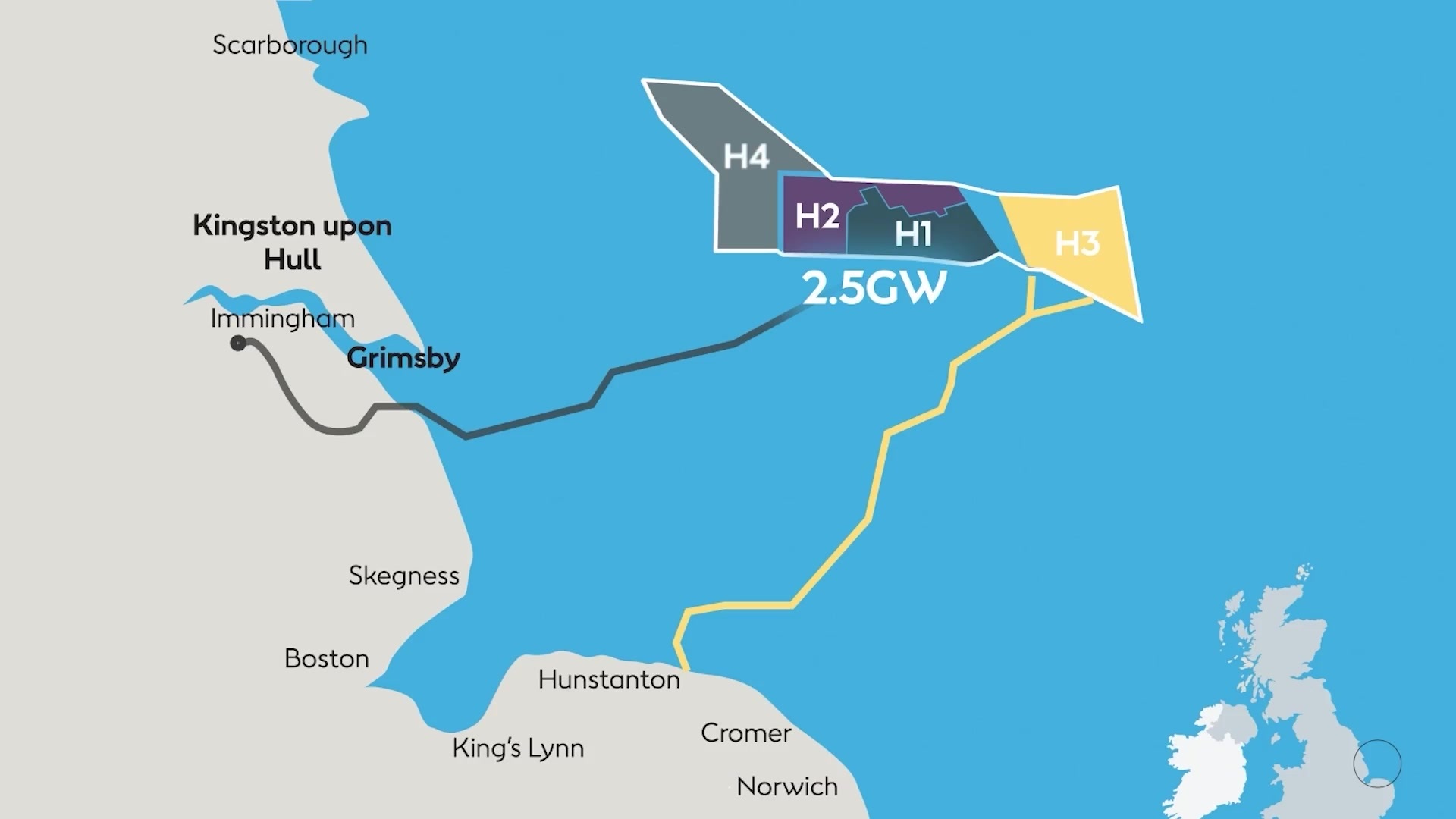
231 turbines of 260 meters at 160 km from the coast, monopiles weighing as much as nine blue whales embedded in the North Sea, and a crane ship taller than the Eiffel Tower: Hornsea 3 will be the largest offshore wind farm on the planet by 2027, and its first components have already arrived in England.
This phase thus represents a true energy revolution, in which Brazil begins to move away from the tradition of onshore wind energy, that produced on solid ground, to position itself among the countries looking to harness the constant and strong winds found offshore. However, the advancement faces regulatory and technical challenges that the country needs to overcome to fully explore this potential.
It is worth noting that this new stage in wind generation is placed within a broader context of global energy transition.
In which countries seek to reduce their dependence on fossil fuels and increase the share of renewable sources. Therefore, Brazil, due to its natural wealth and diversity of resources, plays a fundamental role in this scenario, especially with the growth of offshore wind energy.
A History of Wind Energy in Brazil
The trajectory of wind energy in Brazil began, therefore, a little over two decades ago, following a global trend of diversifying the energy matrix in favor of renewable sources. Initially, the focus was on onshore wind farms, primarily in the Northeast, a region recognized for its quality and consistency of winds.
Over the years, the country has built a solid foundation, becoming a world reference in onshore wind energy production, with an installed capacity exceeding 16 GW currently.
This growth resulted, therefore, from public policies that encouraged the sector, such as energy auctions and financial support programs for the installation of wind farms.
Additionally, the success of onshore wind energy has laid the groundwork for the development of technical knowledge, the production chain, and specialized labor, which are now beginning to drive offshore expansion.
However, although Brazil has made significant progress in this area, the harnessing of offshore wind energy was still at its beginning, primarily due to technical complexities and higher costs.
This is because the installation of turbines in maritime environments requires more robust structures, specific technologies to withstand strong winds and saltwater corrosion, as well as complex logistics for construction and maintenance.
All of this makes the initial investment more expensive, but with potential compensation in terms of greater efficiency and continuous production.
Why Is Brazil Accelerating in Offshore Wind Energy?
The current great interest in this source can be explained, therefore, by the combination of environmental, economic, and political factors. Brazil has one of the largest coastlines in the world, with favorable winds and still little-explored maritime areas for energy generation.
The Northeast, for example, stands out with more than half of the requests for environmental licensing for offshore parks, reflecting the natural potential of the region.
In addition to the natural potential, the global context of decarbonization and the search for clean and renewable sources strengthen the investment in offshore wind energy. European countries, the United States, and China are already heavily investing in this segment, and Brazil is beginning to align its policies to follow this trend.
In this sense, the approval of the first preliminary federal license for an offshore wind farm, issued by Ibama on the coast of Rio Grande do Norte, marks an institutional advance that demonstrates that the country is creating conditions to structure this market.
The recently approved legislation reinforces legal security by establishing clear rules for environmental licensing, as well as defining limits for exploration, protecting sensitive areas such as conservation units, navigation routes, and oil and gas blocks. Thus, these measures prevent conflicts and ensure that the development of offshore energy occurs with environmental and social responsibility.
The growth of the offshore sector also meets Brazil’s need to expand its energy capacity to keep up with economic development and growing demand. Therefore, offshore wind energy can provide a more constant and predictable generation, which helps balance the energy matrix, currently largely composed of hydroelectric plants, which suffer from climatic variations.
Technical and Economic Aspects That Challenge Expansion
Although the potential is great, offshore wind energy requires significant investments in technology and infrastructure. Studies indicate that the costs to deploy offshore parks can be up to three times greater than those of onshore parks. This occurs due to the complexity involved in installing turbines, the need for special foundations on the seabed, and logistics for transporting and maintaining the equipment.
Another challenge involves the development of port and industrial infrastructure for the manufacturing, assembly, and transportation of turbines, which are usually large-scale. This requires, therefore, public-private partnerships and attracting international investments, creating a conducive environment for technological innovation and job creation.
The consolidation of the market will also depend on the holding of specific auctions for offshore wind energy, which the government needs to organize to ensure predictability and attractiveness for investors. In addition, the integration of this new source into the national electricity grid must be planned to avoid overloads and ensure supply security.
Additionally, the training of specialized professionals becomes essential for the success of projects. The operation and maintenance of offshore turbines demand in-depth technical knowledge, involving everyone from engineers to electrical and mechanical maintenance technicians. Therefore, investments in education and training become, thus, priorities for the sustainable development of the sector.
The Importance of Ibama in the Process
Ibama plays a central role in the environmental regulation of offshore wind energy projects. The agency analyzes licensing requests, which involve a series of studies and environmental assessments to ensure that impacts are minimized. This process includes monitoring marine ecosystems, protecting wildlife, assessing visual impact, and taking care of local fishing activities.
The issuance of the first preliminary license for an offshore project in Brazil not only marks a regulatory advance but also indicates that Ibama is structured to deal with the environmental challenges of these enterprises. This brings greater security to investors, who can plan their projects based on clear guidelines.
Ibama also requires that projects include continuous environmental monitoring programs and decommissioning plans for installations after their useful life ends. These obligations reinforce, therefore, the commitment to sustainability and the preservation of natural resources, which are essential aspects for the balanced development of the sector.
Offshore Wind Energy as a Driver for a Sustainable Future
In addition to increasing the capacity for clean energy generation in Brazil, offshore wind energy could become a fundamental component for global energy transition. One of the possibilities is the production of green hydrogen, generated from electricity produced by offshore wind turbines. This fuel is considered promising for replacing fossil sources in hard-to-decarbonize sectors, such as maritime transport and heavy industry.
Brazil, with its enormous renewable potential, could become a strategic exporter of green hydrogen to Europe and other regions seeking to reduce their emissions. This positions the country prominently, integrating into the international market for clean energy and attracting investments to develop advanced technologies.
Offshore wind energy could also stimulate the development of new production chains in Brazil, such as the manufacturing of specific components for turbines, in addition to creating industrial and logistics hubs around the ports used for transporting and installing the equipment. In this way, this could generate thousands of direct and indirect jobs, boosting the local economy.
A Look at the Future of Energy in Brazil
The moment is one of expectation and optimism but also of caution. Brazil is accelerating in offshore wind energy amid a scenario of regulatory and technical challenges that the country still needs to overcome. The National Congress has a fundamental role in approving a solid and streamlined regulatory framework that avoids interference unrelated to the subject and creates a stable environment for investors.
Furthermore, the private sector, in partnership with public agencies and research institutes, needs to advance in technological innovation, training specialized labor, and developing infrastructure. This will ensure, therefore, that offshore potential is explored responsibly and efficiently, generating economic and environmental benefits for the country.
Thus, Brazil is moving towards consolidating an increasingly diversified and clean energy matrix, contributing to energy security and combating climate change. Therefore, offshore wind energy emerges as an important driver of this transformation, signaling that the country is ready to accelerate towards a sustainable future.










-

-

3 pessoas reagiram a isso.