Portuguese
  Spanish


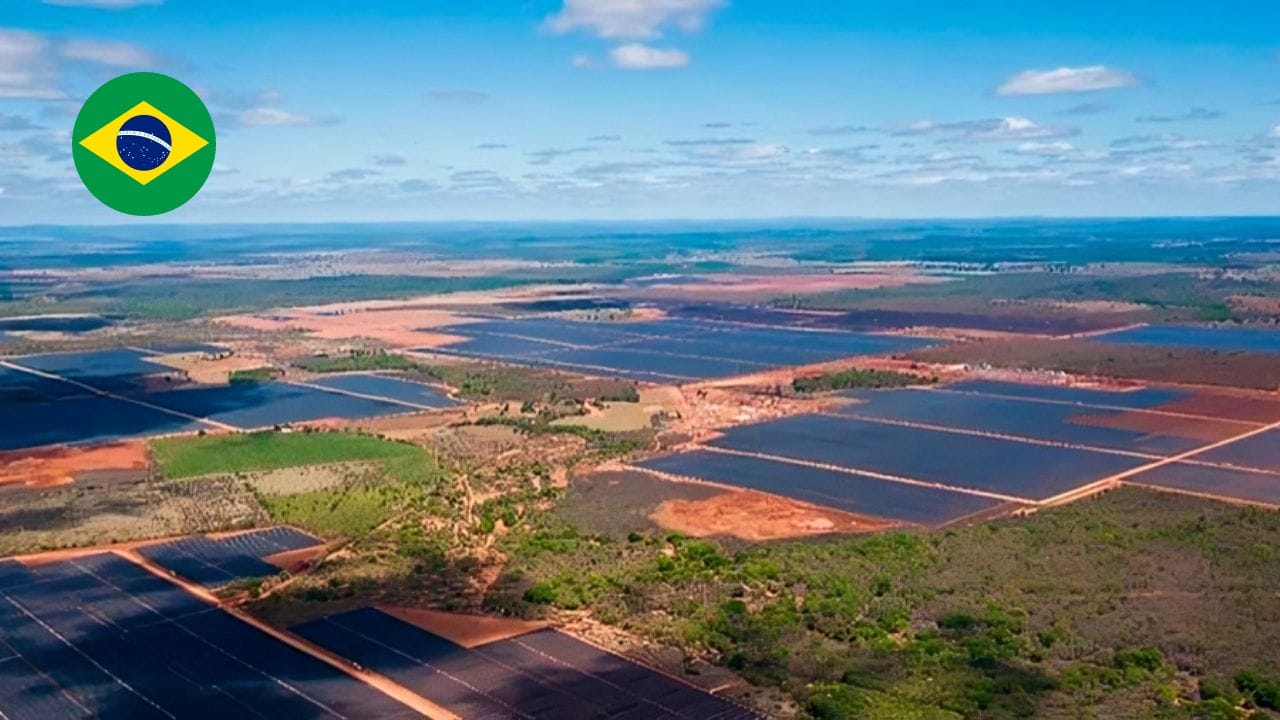

In The Renewable Energy Scenario, Brazil Stands Out With The Inauguration Of Some Of The Largest Solar Power Plants In Latin America. In Addition To Significantly Contributing To The Reduction Of CO2 Emissions, These Solar Complexes Are Fostering Jobs, Local Development, And Attracting Substantial Investments To The Country.
Solar plants in Brazil are playing a crucial role in transforming the country’s energy landscape, bringing not only clean and renewable energy but also boosting economic and social development in the regions where they are located. Training and job creation are key aspects of these projects, highlighting solar energy as a source of sustainable progress.
Hélio Vargas Power Plant


Solar plants are becoming landmarks in Brazil, not only for their capacity to generate solar energy but also for the socioeconomic impact they bring. The fifth largest solar plant in Brazil, located in the rural area of Vazia da Palma, Minas Gerais, is the Hélio Vargas Power Plant. With a capacity of 661 MWp, it can power 850,000 homes, using 1,218,000 photovoltaic modules over an area of 1142 hectares. Since its partial inauguration in 2023, the plant has already generated over 1,700 jobs and avoids the emission of 1.2 million tons of CO2 per year.
Sol do Serrado
In Jaíba, also in Minas Gerais, is located the fourth largest plant, known as Sol do Serrado. With an investment of R$ 3 billion by Vale, this plant has a capacity of 766 MWp and consists of 1.4 million photovoltaic modules. The project, which began in January 2021, has generated around 3,000 jobs, representing a significant advancement for the local workforce.
-
Fired during apartheid and with a little borrowed money, an electrician started with a borrowed truck and transformed electrical services into a group connected to energy, real estate, and infrastructure in South Africa.

-
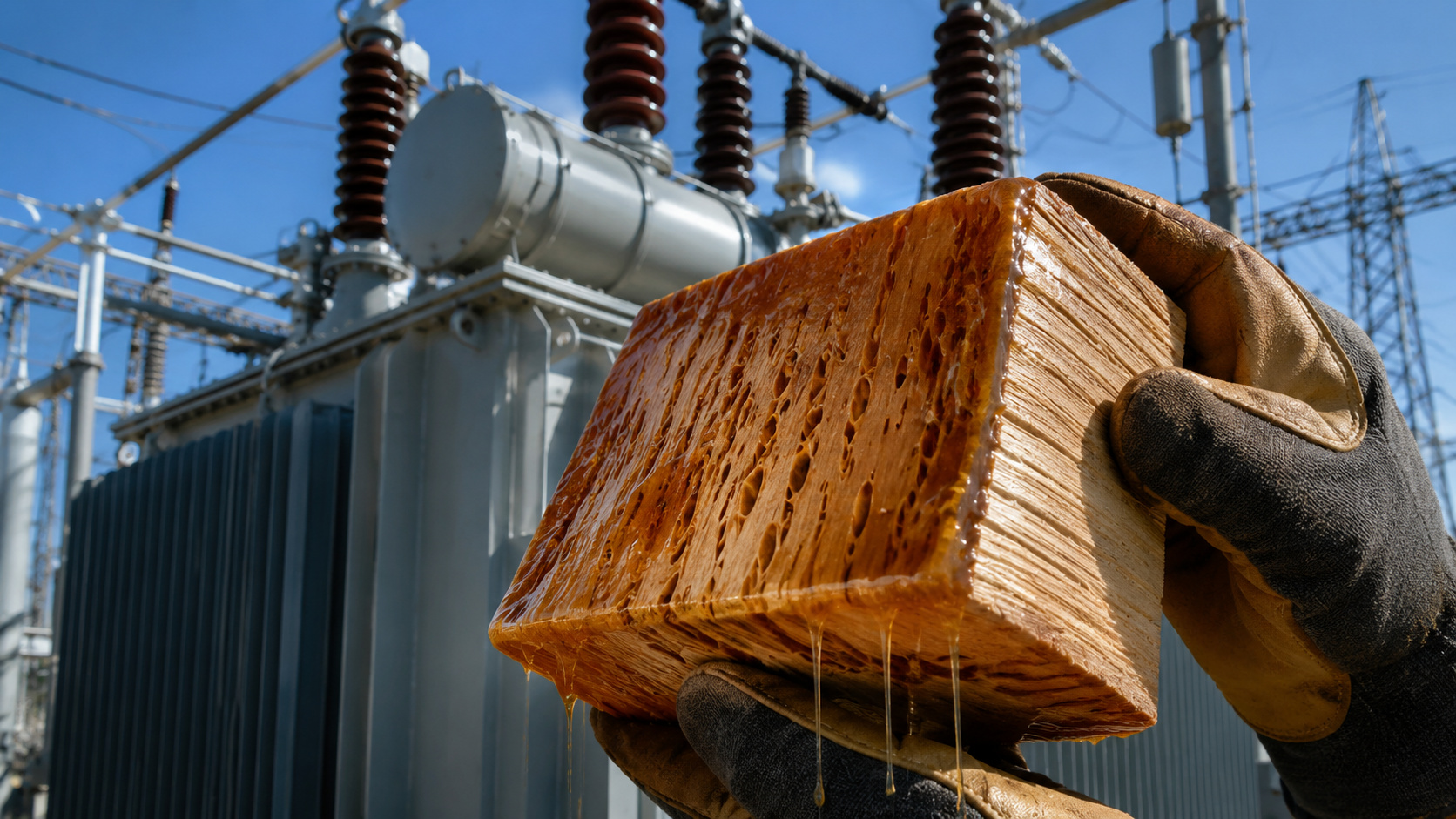
Wood has ceased to be just a construction material in Yale research and has become insulation for electrical transformers that face intense heat, aging, and increasing pressure from the renewable energy-powered grid.
-
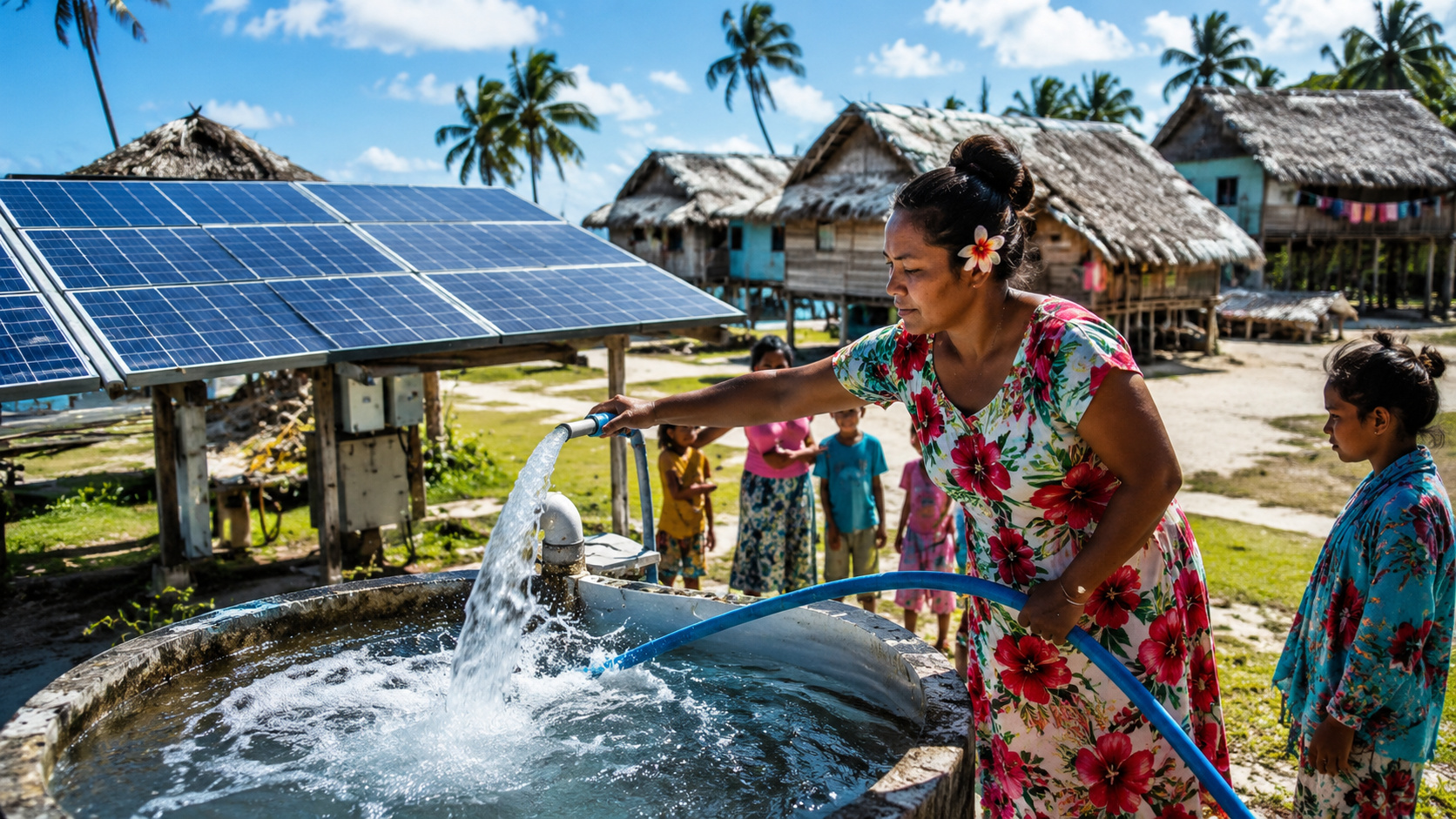
More than 1,000 residents of a remote island in Kiribati now have clean water and electricity with solar systems operated by the community itself.
-
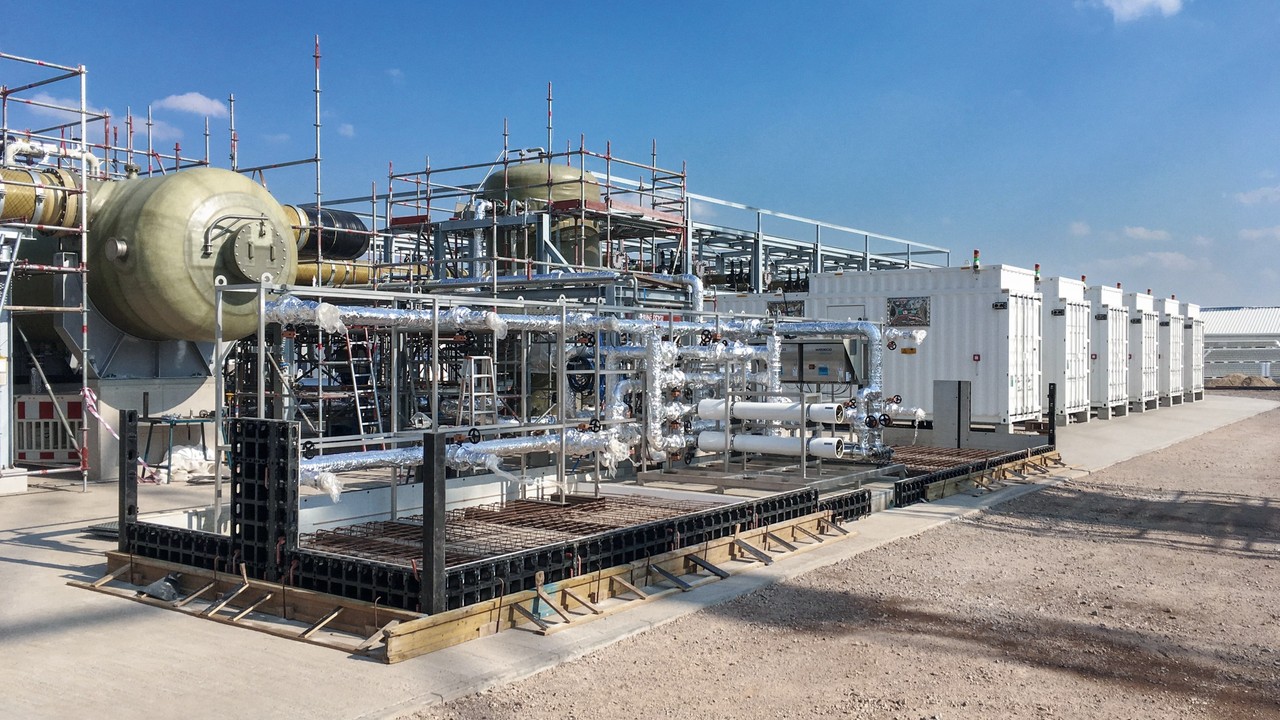
Ceará brings together 7 giants and R$ 66 billion to transform Pecém into the largest green hydrogen hub in Brazil, with final decisions expected by the end of 2026.


Futura Power Plant
In third place, we have the Futura Power Plant, in Juazeiro, Bahia, with a capacity of 837 MWp and 1.4 million photovoltaic modules. The investment of R$ 3 billion by the company Eneva resulted in over 3,000 job openings, with 80% of the workforce being local.
São Gonzalo Solar Complex
The São Gonzalo Solar Complex, in Piauí, ranks second. Initially connected to the grid in January 2020, the plant has been expanded to a total capacity of 864 MWp, with 2.2 million solar panels covering an area equivalent to 1,500 football fields. The construction and expansion of the complex generated a total of 2,950 jobs, with training courses offered to the local community.
Janaúba Solar Complex
Now, the largest solar power plant in Brazil is located in the Janaúba Solar Complex, in northern Minas Gerais. With an impressive capacity of 1.2 GWp, it can supply more than 1.8 million residences. The installation of 2.2 million photovoltaic modules occupies an area of over 3,000 hectares, equivalent to 4,300 football fields. The construction of this plant generated approximately 11,000 direct and indirect jobs, as well as professional training and renovation of public spaces.
These projects reaffirm Brazil’s commitment to reducing CO2 emissions by 30% by 2030 and to operate with 80% of the electricity demand coming from renewable self-production projects by 2024. The growing demand for solar energy in the country highlights the urgent need for qualified professionals. With several other giant solar farms in planning and implementation, the solar energy market in Brazil is full of opportunities.