





 Portuguese
  English
  Spanish
  3 min of reading
  0 comments


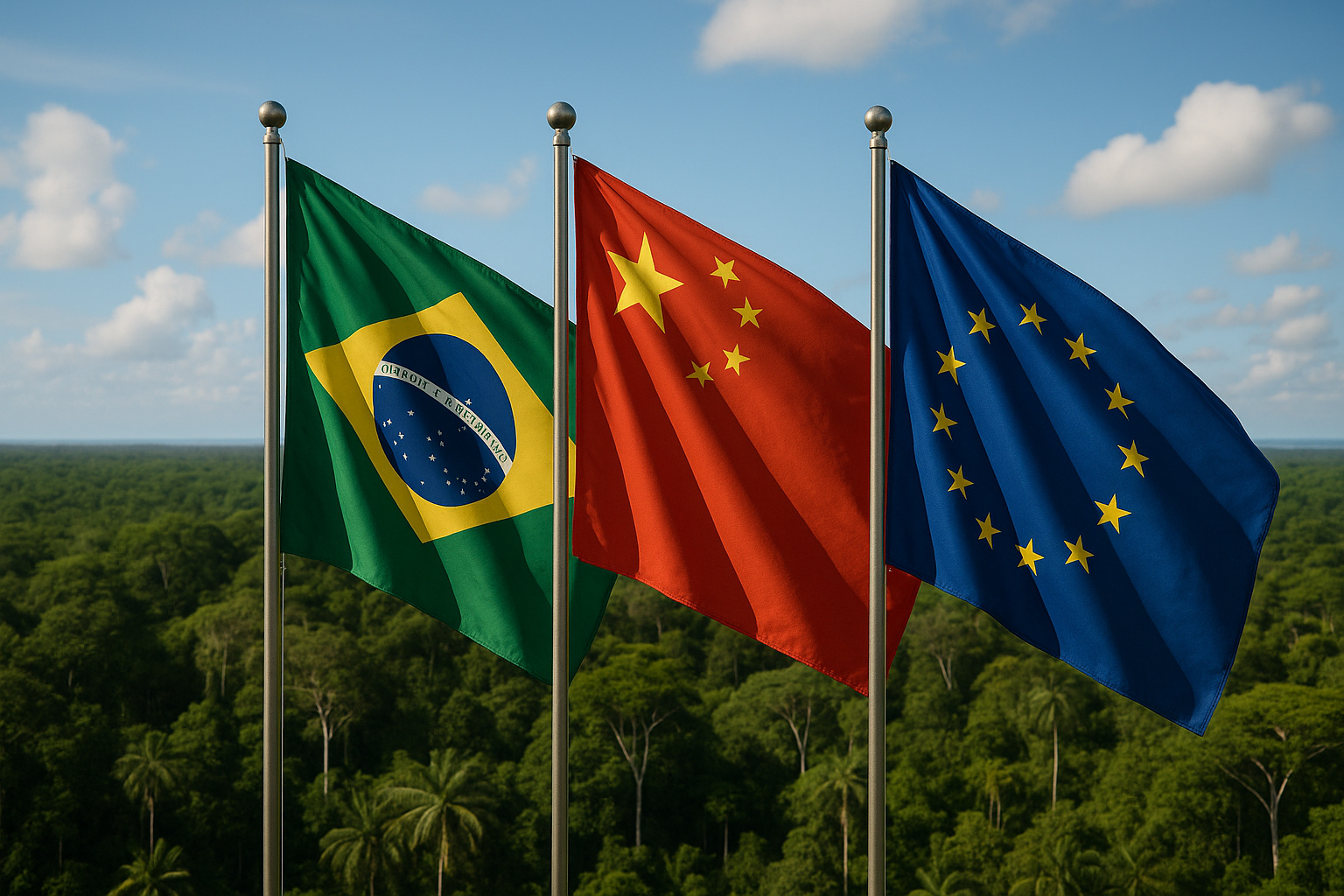
Government Seeks to Consolidate Climate Coalition by November in Belém
The Brazilian government is advancing in negotiations with China and the European Union to create an international carbon market.
This information was confirmed by Finance Minister Fernando Haddad in an interview with TV Globo this month.
According to him, the goal is to announce the coalition during COP30, the UN Climate Conference, which will take place in Belém (PA) in November 2025.
Moreover, the minister emphasized that Brazil intends to lead the initiative, connecting the world’s major economies around reducing global carbon emissions.
Structure and Functioning of the Carbon Market
According to Haddad, the project aims to integrate existing systems to make the trade of carbon credits more efficient and transparent.
The system will follow the logic of incentivizing those who pollute less and holding accountable those who emit more.
Thus, companies and governments that reduce emissions earn carbon credits.
Conversely, those who have not yet met their targets can purchase these credits to balance their emissions.
In this way, the model encourages a continuous reduction of greenhouse gases and promotes the neutralization of environmental impacts.
The minister explained that it will be possible to assess fossil fuel usage in each industrialized product, such as steel.
This way, the energy transition will become faster and fairer.
ARTICLE CONTINUES BELOWSee also
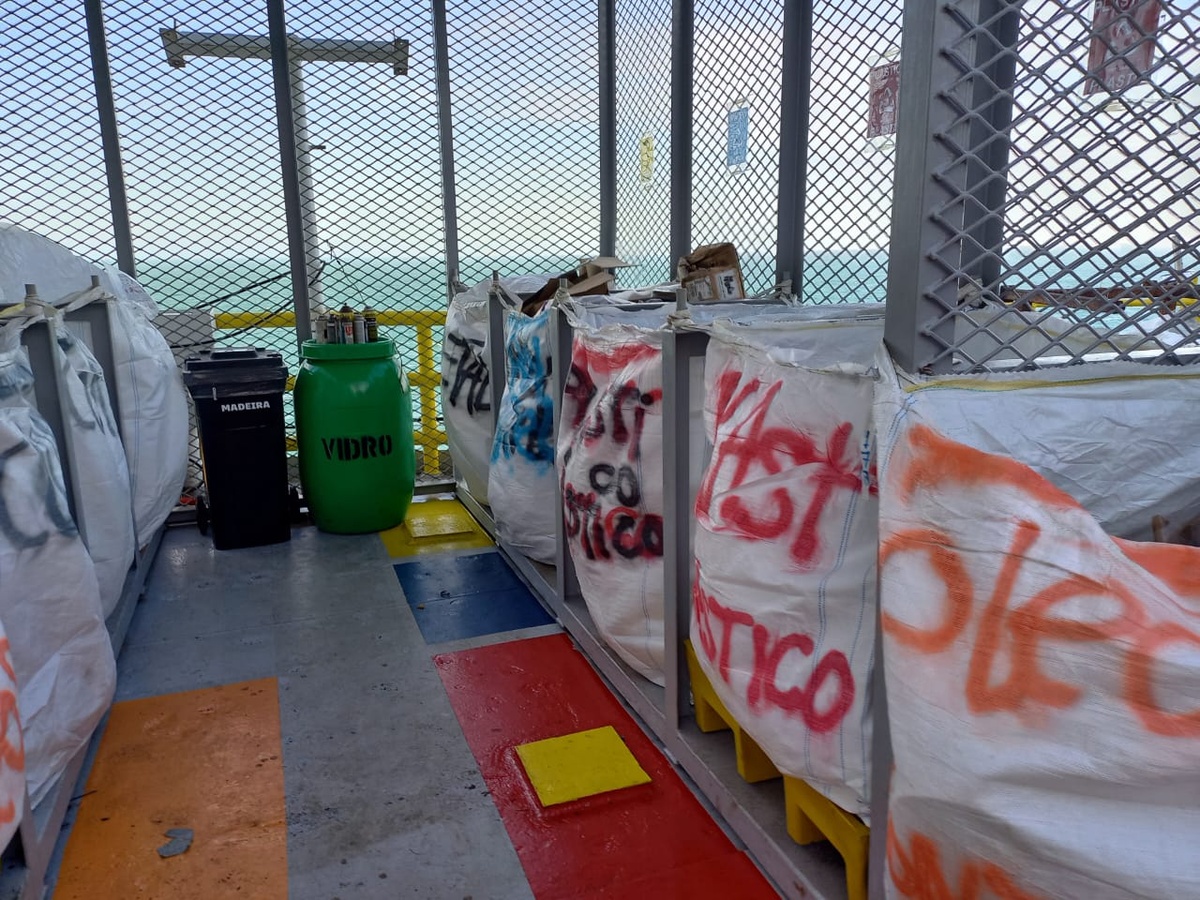
Foresea achieves 100% offshore waste reuse in 2025, eliminates landfill disposal, and consolidates sustainable strategy with 1,500 tons recycled.
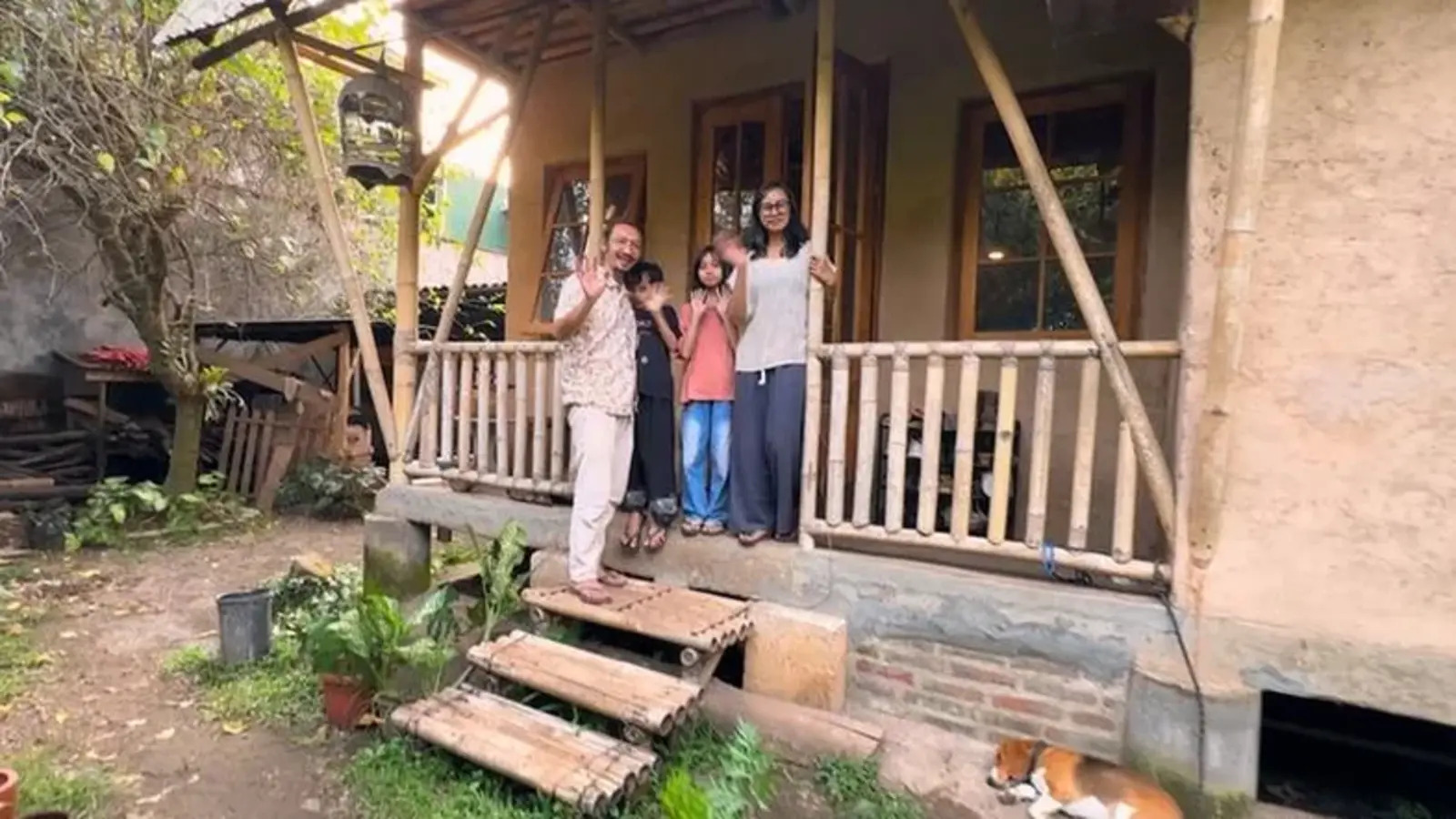
With earth, bamboo, straw, and lime mortar, a specialist builds a house for just over $460 and draws attention for its cost being much lower than traditional construction.
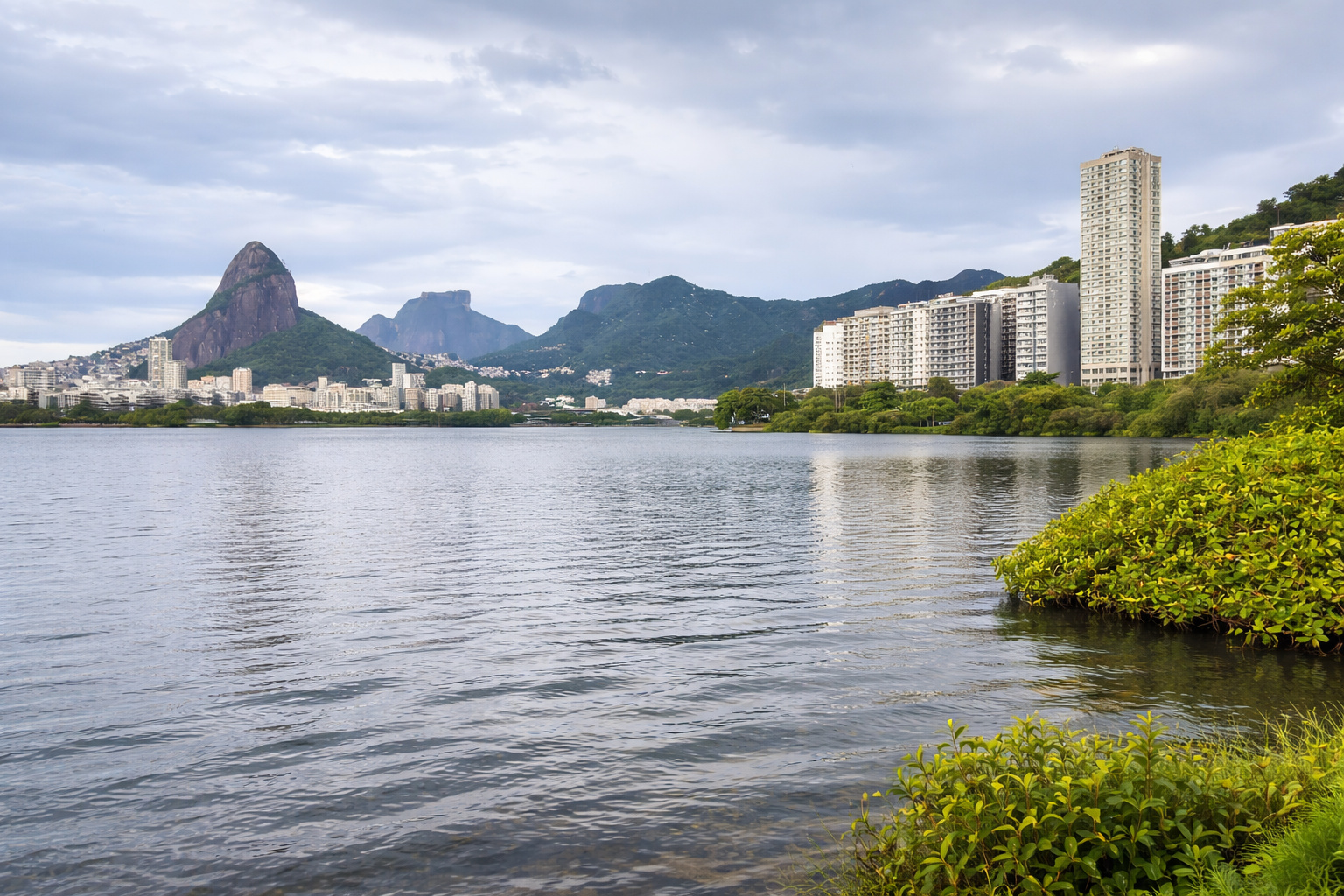
Rodrigo de Freitas Lagoon advances in environmental recovery with sanitation, elimination of irregular sewage, and the resumption of water sports in Rio de Janeiro.
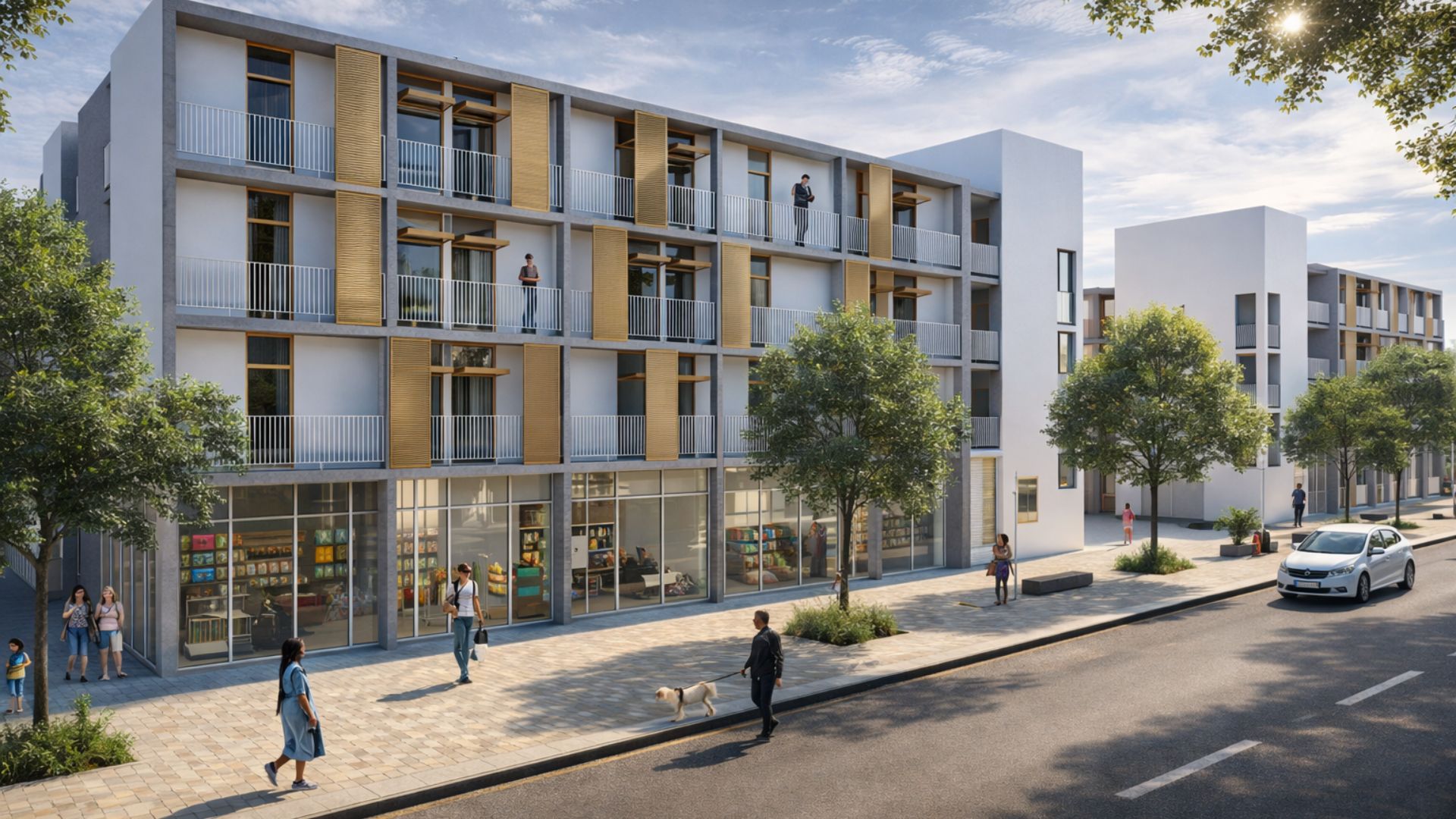
Sustainable housing gains strength with a nationally awarded project in Campo Grande, highlighting innovative solutions that combine sustainability, urban integration, and efficiency in the use of natural resources.
Brazil Aims to Lead Global Coalition and Set Emission Targets
Haddad emphasized that Brazil has unique conditions to lead the international climate debate, replicating the success of the Tropical Forests Forever Fund (TFFF).
This fund was launched in 2023, during COP28 in Dubai, and received support from Asian and European countries.
Now, the government intends to set gradual emission reduction targets and create economic incentives for companies to invest in clean technologies.
Additionally, the minister highlighted that, with advancements in innovation, the cost of renewable energy is expected to decrease rapidly.
He recalled that, just a few years ago, solar panels were much more expensive, but today, they are widely accessible.
This cost reduction reinforces Brazil’s role as a global reference in clean energy.

Economic Challenges and the Role of Science in the Transition
Haddad explained that the international carbon market must grow with economic balance and technical rigor.
He warned that the new model may influence the price of industrial products, but at the same time, stimulates innovation and sustainable investment.
Furthermore, the minister emphasized that science is advancing rapidly and provides concrete solutions to reduce the cost of clean energy production.
According to him, technology will be the main driver of energy transformation.
Therefore, the transition to renewable energies will occur in a safer and more predictable manner, reducing the global dependence on oil.
“We must trust science and innovation, which are evolving at an impressive speed,” said Haddad.
With this, Brazil strengthens itself as a global example of a country that reconciles economic growth, sustainability, and international cooperation.
The country bets on technology, science, and global alliances to accelerate economic decarbonization and boost sustainable development.
Therefore, it remains to be seen whether this international coalition will indeed change the course of the global carbon market by COP30.









-

2 pessoas reagiram a isso.