





 Portuguese
  English
  Spanish
  3 min of reading
  0 comments


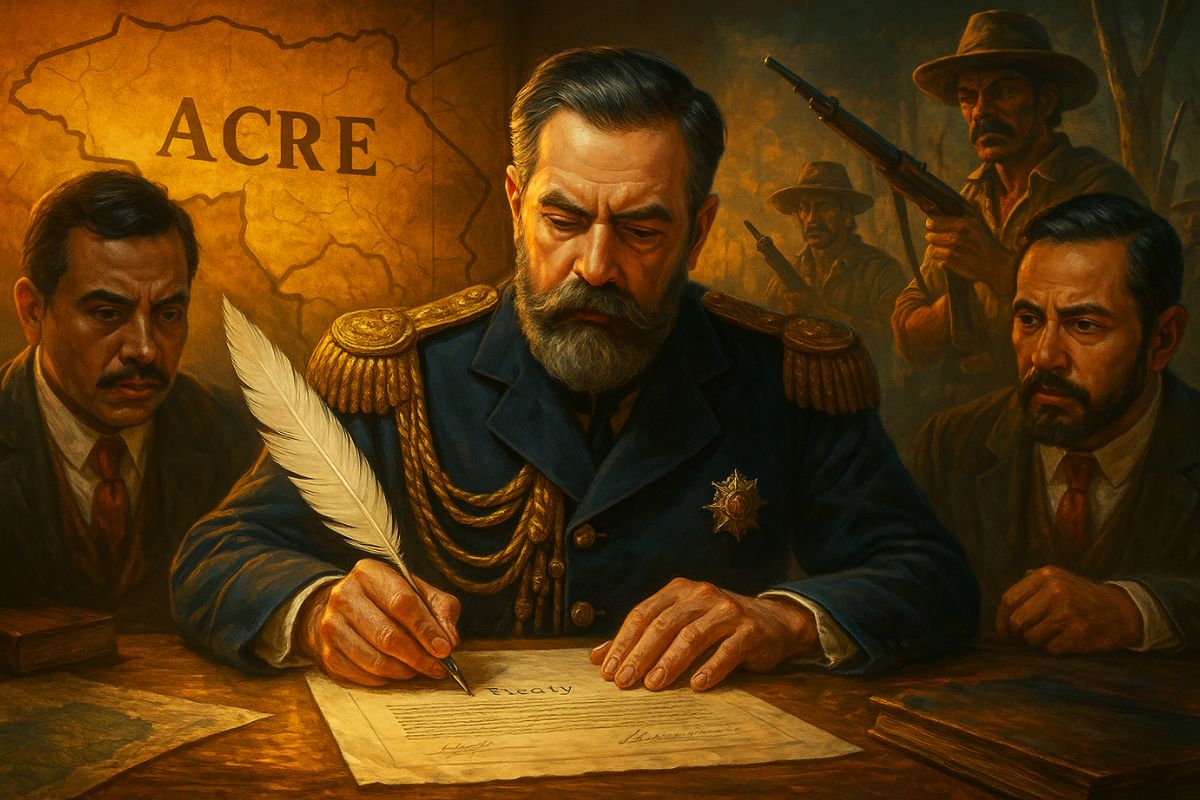
Brazil Bought Acre: The Real History Behind the State That “Does Not Exist.” Million-Dollar Deal, International Dispute, and Revolutions: Understand Why Brazil Bought Acre From Bolivia in 1903 and How This Shaped Its Identity Until Today.
The Brazil Bought Acre in 1903, but the story behind this deal is much more complex than a simple diplomatic agreement. Before becoming part of Brazilian territory, Acre was independent three times, nearly became American, and was at the center of an international rubber rush. Even after more than a century, the transaction still generates curiosity and resentment, especially in Bolivia, which lost the territory in a context of economic and geopolitical disputes.
The purchase of Acre was the result of a combination of strategic interests, armed revolutions, and negotiations led by Baron of Rio Branco.
The agreement cost Brazil the equivalent of billions of reais today and involved the promise of building the Madeira-Mamoré railway, a project that became one of the biggest disasters in national engineering.
-
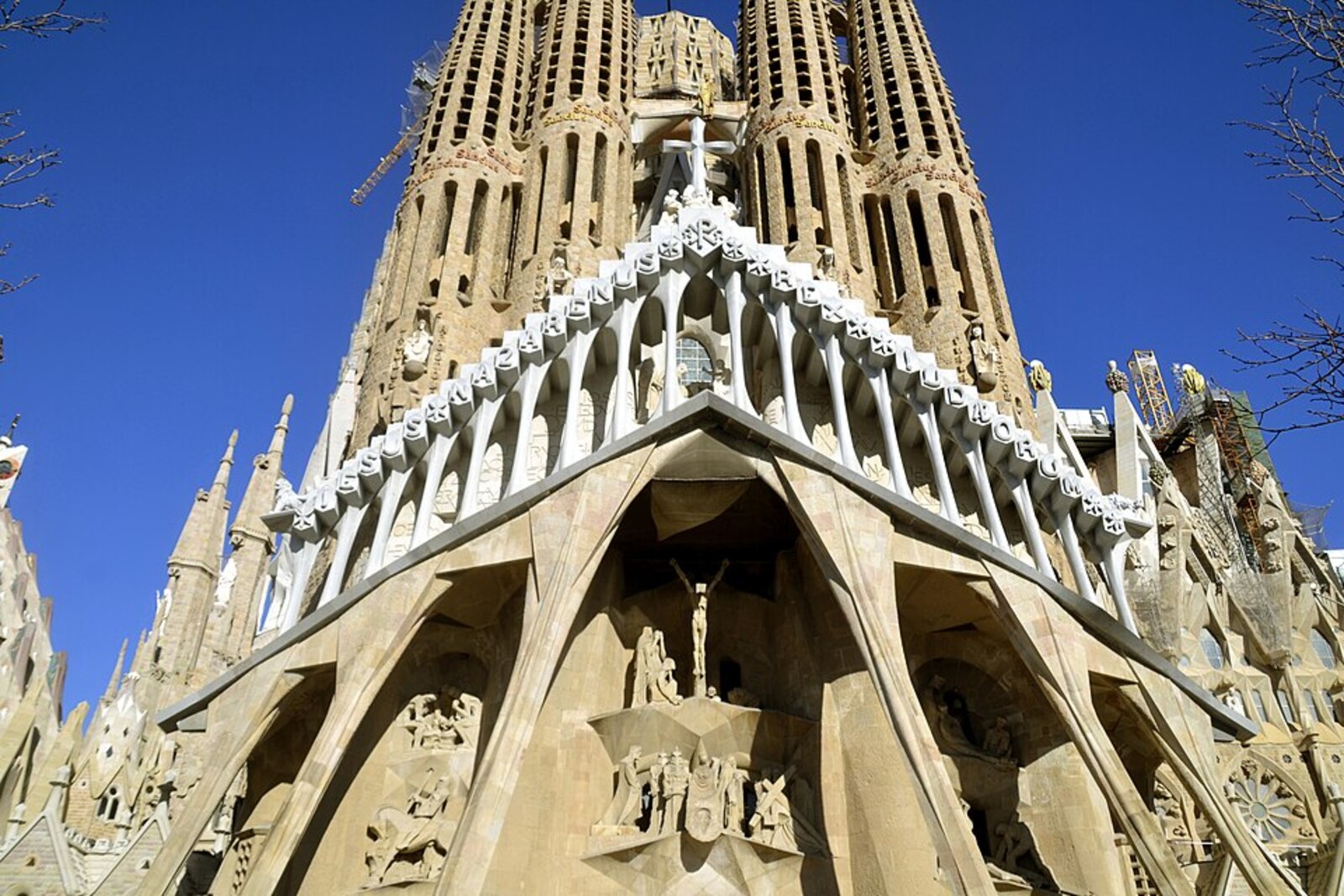
Masterpiece in Spain, under construction since 1882, receives 4.8 million visits in a year and impresses with its gigantism and architecture.
-
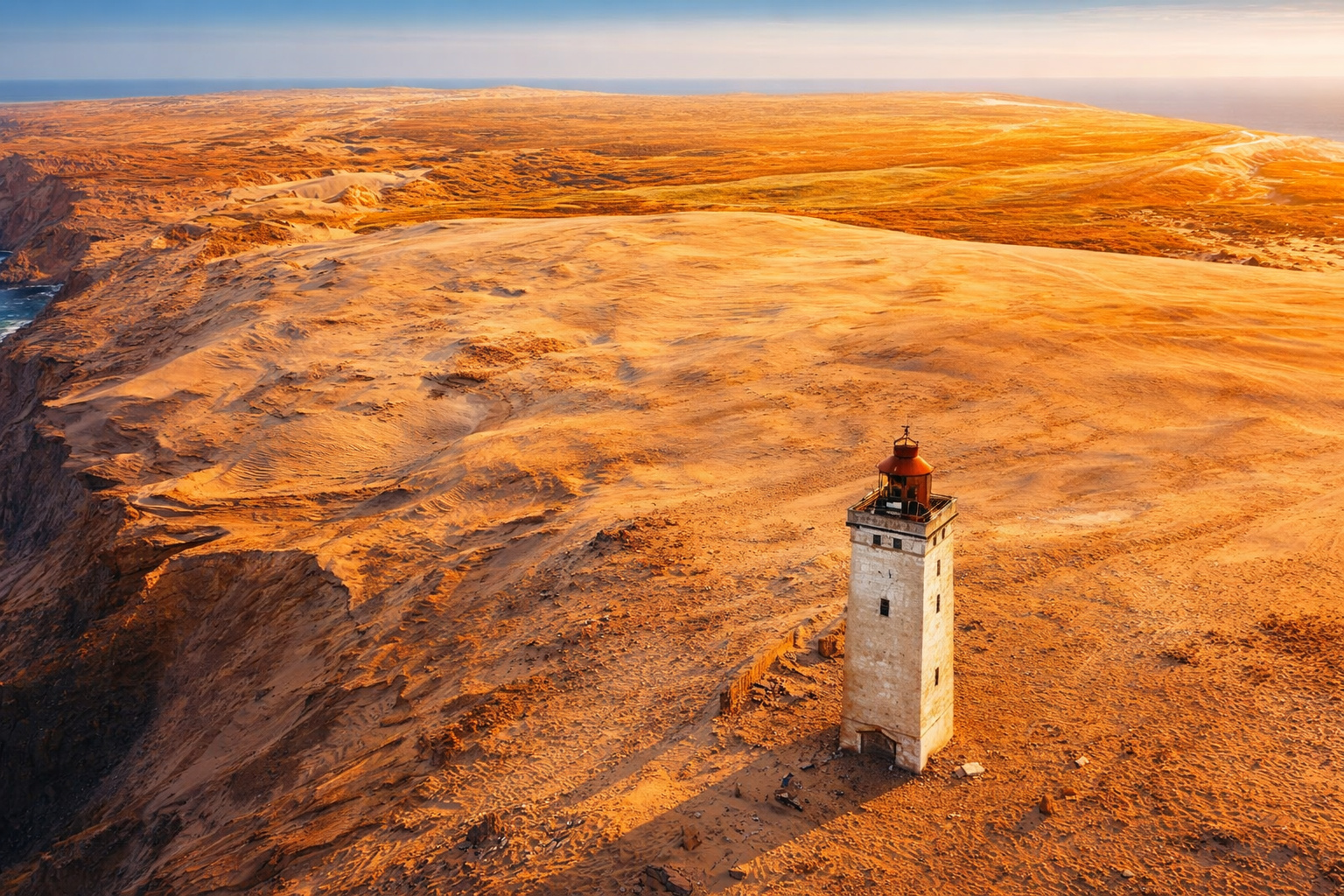
Attracting around 250,000 people a year, a lighthouse 200 meters from the sea, on a 60-meter high cliff, on the North Sea coast in Denmark, becomes one of the most impressive examples of how nature can threaten historical buildings.
-
The narrowest house in the world is only 63 centimeters wide, but inside it can accommodate a bathroom, kitchen, bedroom, office, and even two staircases.

-
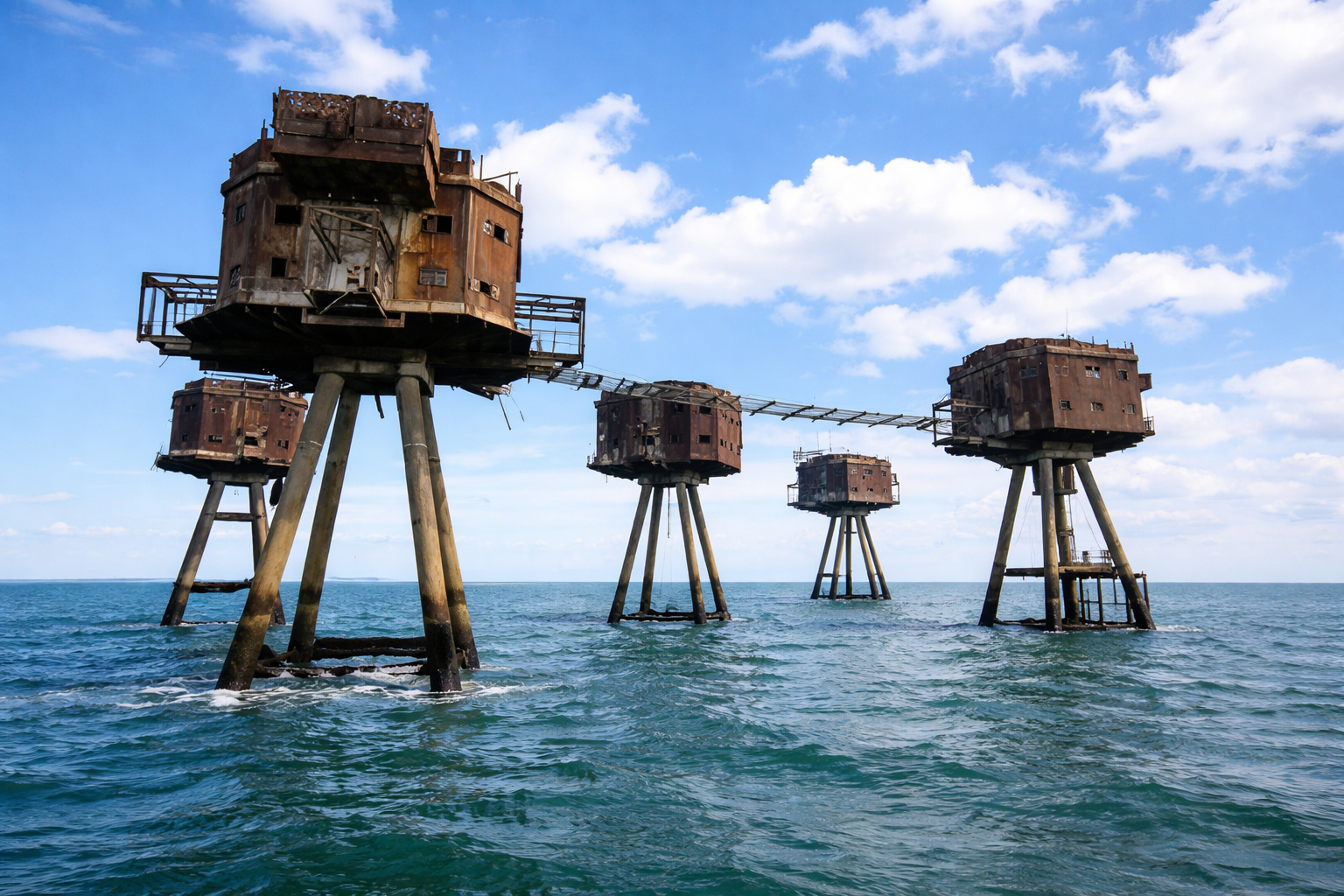
In the middle of the sea, these enormous concrete and steel structures, built by the British Navy to protect strategic maritime routes, look like they came straight out of a Star Wars movie.

The Rubber Rush and the Beginning of the Dispute
By the end of the 19th century, rubber, known as “white gold”, was one of the most valuable products in the world, indispensable for European and American industries.
The Amazon rainforest, home to rubber trees, became a contested field.
Brazilian rubber tapers advanced into areas officially belonging to Bolivia, forming hundreds of rubber plantations and generating fortunes, especially in Amazonas.
The problem was that the Treaty of Ayacucho (1867) recognized Acre as Bolivian territory. With thousands of Brazilians living there, tensions rose, and Bolivia even planned to hand over control of the region to American and English businessmen, which raised alarms in Manaus and Belém.
The Independence Proclaimed by a Spaniard
In 1899, the Spaniard Luis Gálvez Rodríguez de Arias, discovering Bolivia’s plan to cede Acre to foreigners, proclaimed the territory’s independence.
With the support of the governor of Amazonas, he created a flag, ministries, schools, and even an army. He was recognized locally, but his government lasted only six months before being overthrown.
This was just the first of three episodes in which Acre declared independence. All attempts were suppressed, but they intensified the diplomatic and military dispute.
The Role of Plácido de Castro and the Acrian Revolution
The conflict reached its peak between 1902 and 1903 when the gaucho military Plácido de Castro led armed rubber tappers against Bolivian troops.
With decisive victories, they took the capital, Rio Branco, and proclaimed independence again.
Popular pressure and instability convinced the Brazilian government that it was time to act.
The Treaty of Petrópolis: The Official Purchase
On November 17, 1903, Baron of Rio Branco negotiated the Treaty of Petrópolis, in which Brazil would pay 2 million pounds sterling (about R$ 2.5 billion today) to Bolivia.
In addition to the amount, Brazil committed to building the Madeira-Mamoré railway to facilitate Bolivian shipping through the Amazon.
The agreement was celebrated as a diplomatic victory, but the railway became a graveyard for workers: more than 2,000 of the 22,000 workers died, victims of tropical diseases.
Acre: From Forgotten Territory to Brazilian State
Even after being bought, Acre did not immediately become a state. It was administered as a Federal Territory, with all revenue going to the Union. Only in 1962 was it elevated to state status, after decades of political struggle.
Still, the stigma of being a “state that does not exist” persisted, fueled by its geographic isolation and jokes that overlook its historical and cultural significance.
Bolivian Resentment and Brazilian Curiosity
More than a century later, the purchase still provokes controversy. In 2006, then-Bolivian President Evo Morales even said that Acre was “exchanged for a horse,” referring to the fact that the promised railway never brought the expected benefits.
Meanwhile, in Brazil, the story is remembered with irony, but few know its details.
And you? Did you know that Acre was bought from Bolivia for billions in today’s values? Do you believe this deal was fair or an act of exploitation? Leave your opinion in the comments; we want to hear from those who lived or know this story up close.







Seja o primeiro a reagir!