





 Portuguese
  English
  Spanish
  5 min of reading
  0 comments


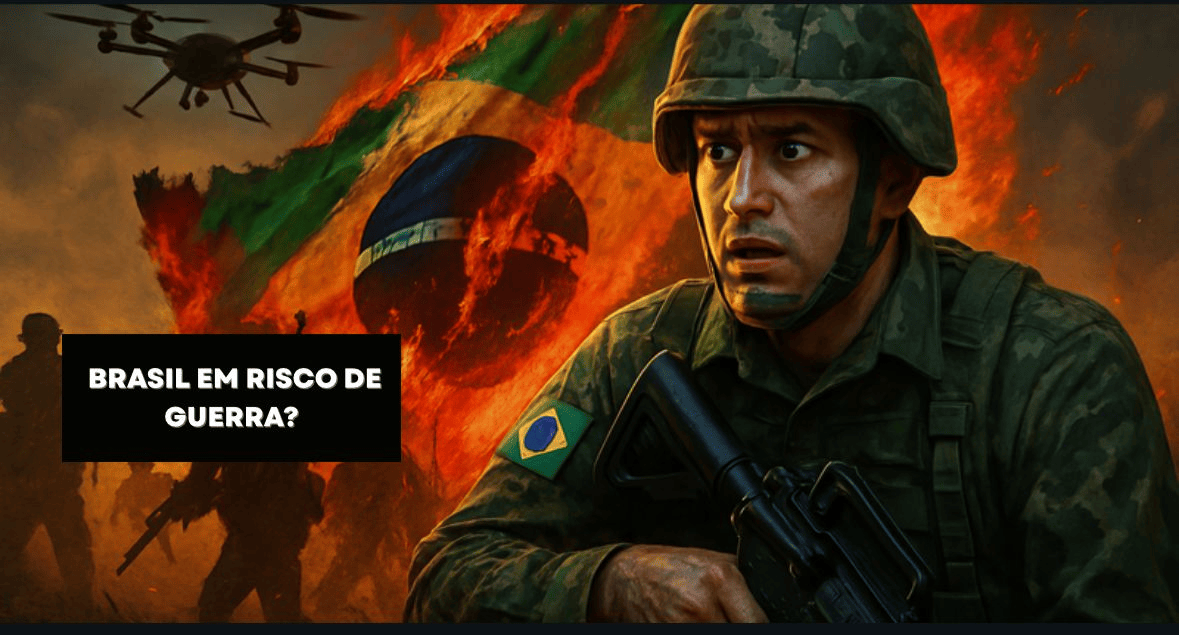
Brazil On Alert! Specialists report that our Armed Forces are outdated, without technology, strategy, or real preparation to face a modern war.
With a rigid budget and international dependence, the country runs the risk of military defeat, human losses, and irreversible damage to sovereignty.
The PEC 55/2023 may be the last hope before the collapse.
Specialists Point Out That the Country Lacks Structure to Deal With Modern Conflicts and May Suffer Strategic Losses
The Brazilian Armed Forces are not prepared to face a modern war.
This is the assessment of several specialists in International Relations and Defense who warn of structural, technological, and budgetary deficiencies in the national military apparatus.
The lack of investment in technology, external dependence, and the absence of an integrated defense strategy put Brazil in a vulnerable position in the current geopolitical scenario.
The most recent alert came from professors Gunther Rudzit and Leonardo Trevisan, from ESPM (Higher School of Advertising and Marketing), in an article published in the newspaper O Globo on April 5, 2025.
-
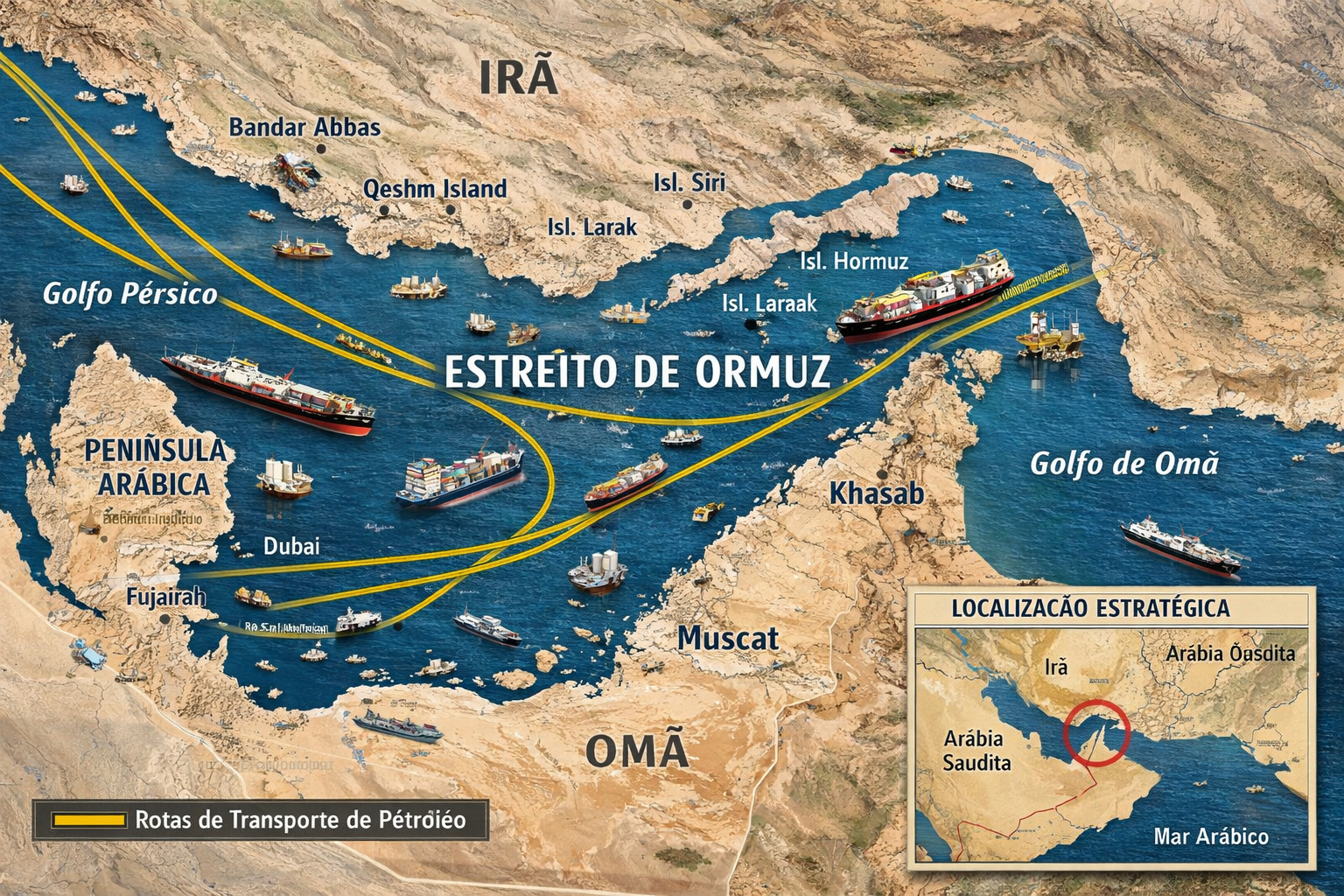
Global summit with over 40 countries pressures Iran for a blockade in the Strait of Hormuz and warns of direct impact on oil, food, and the global economy.
-
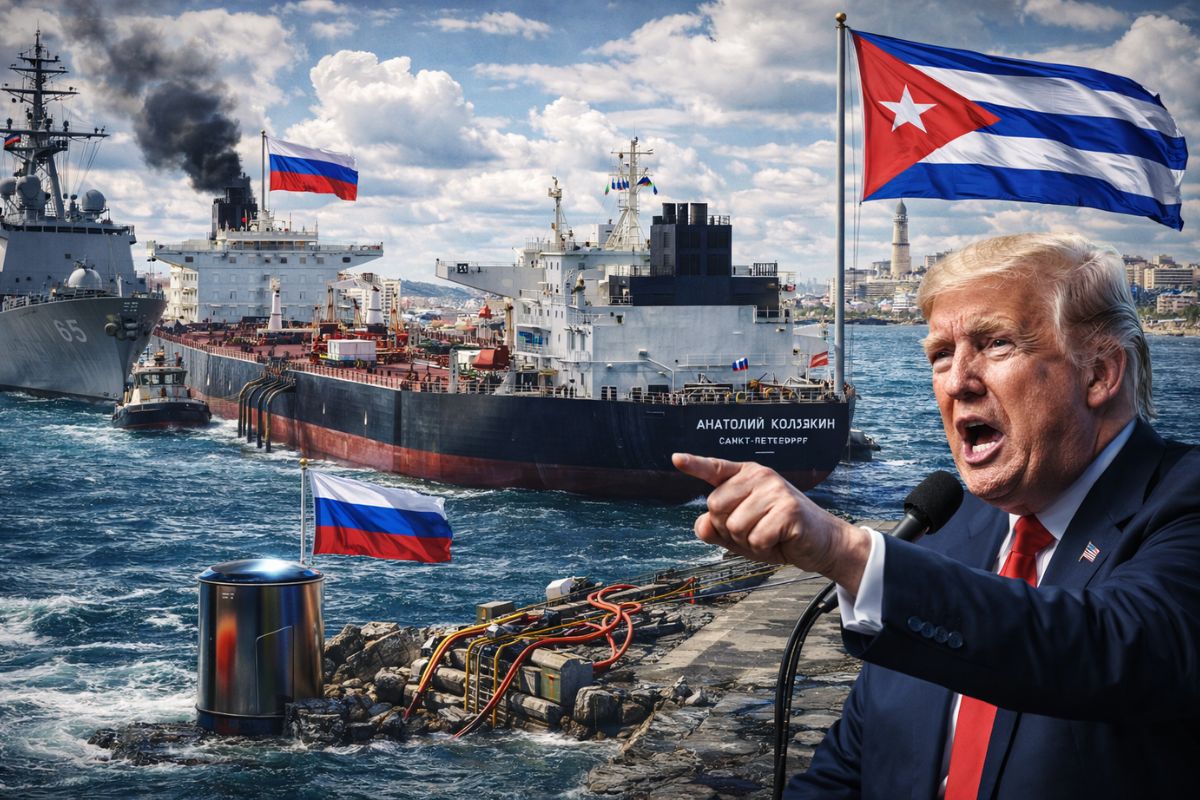
Russia has broken the U.S. maritime blockade to send oil to Cuba and is now loading a second ship while Trump says that “Cuba is next” in a possible military action against the island.
-
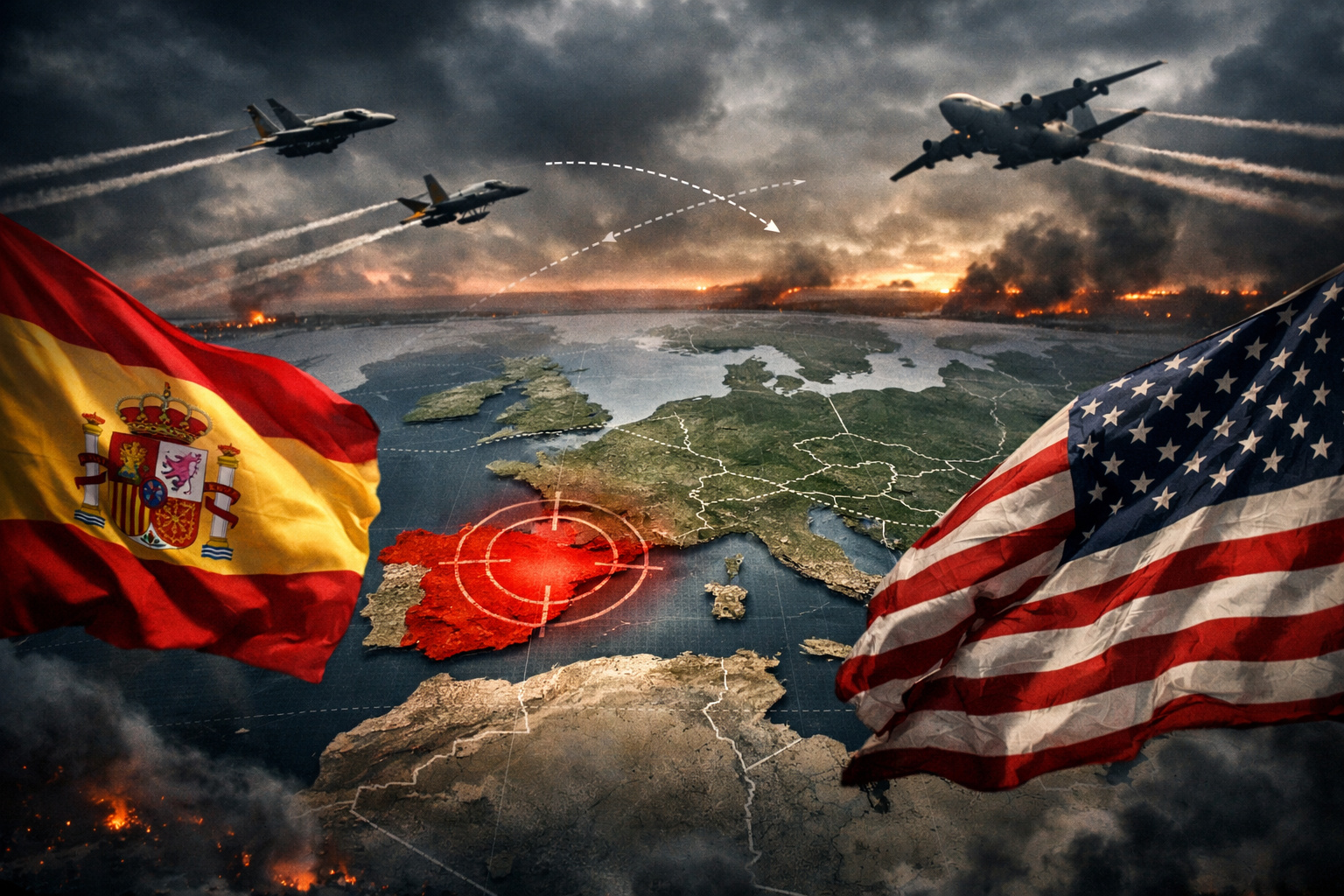
Spain challenges the USA and closes its airspace for operations against Iran, raising global tension and provoking the threat of a trade rupture.
-
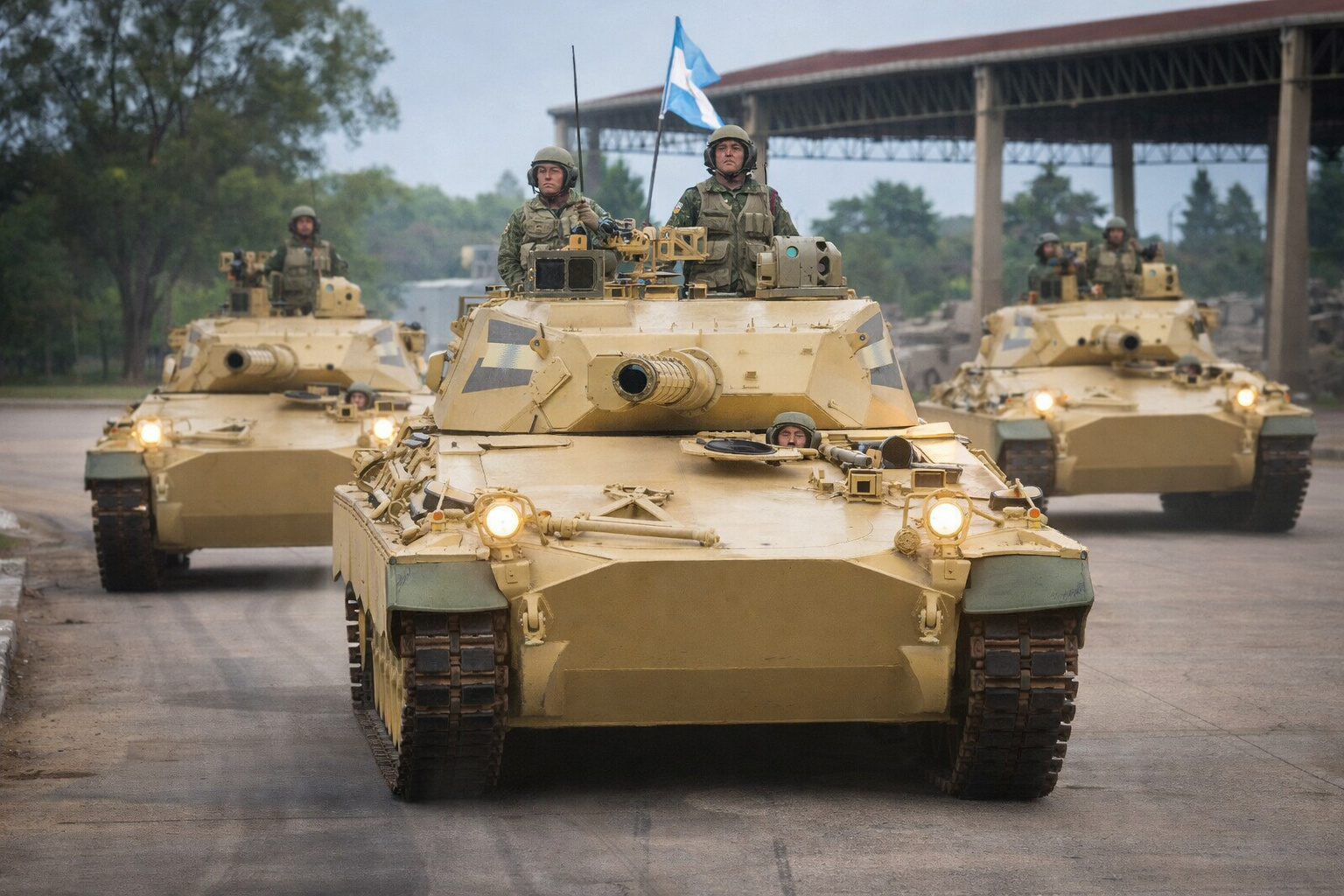
While no other country manufactures tanks in Latin America, Argentina activates the TAM 2C-A2 and raises a curiosity about the technological lag in the region.

Under the title “Brazil Must Prepare for the New Version of the Law of the Jungle”, the specialists assert that the country is unprepared to deal with the reality of contemporary conflicts.
According to them, the Joint Chief of Staff of the Armed Forces lacks authority comparable to similar structures in more developed countries.
Lack of Industrial Base and Own Technology Compromises Sovereignty
Another serious point raised in the article is the absence of a solid national defense industrial base.
Brazil still largely depends on the importation of military equipment from countries such as the United States and its allies.
This dependence, according to Rudzit and Trevisan, weakens the capacity for rapid response and compromises sovereignty in times of international tension.
Additionally, the country lacks what is called “own situational awareness”, that is, the ability to independently monitor and interpret strategic movements in its surroundings.
This means that, in the event of a conflict, Brazil might not even know exactly what to attack or how to defend itself.
Consequences of Inertia May Be Catastrophic
The authors of the article issue a direct warning to the political class: if deep changes are not made, Brazil may be forced to act only after a military defeat.
“This will cost much more, both in lives and national interests”, they assert.
They compare the situation to “locking the door after it has been broken down”, emphasizing that the financial and human costs would be immense.
Specialists Corroborate the Analysis and Expose Structural Failures
The opinion of the ESPM professors is shared by other academics and specialists.
Carlos Eduardo Martins, a professor at the Institute of International Relations and Defense at UFRJ (Federal University of Rio de Janeiro), states that the world is undergoing a dangerous geopolitical transition.
For him, we are leaving a unipolar world order and entering a multipolar era, with localized tensions that can quickly spread.
Martins criticizes Brazil’s low defense investments and the way these resources are distributed.
Currently, about 78% of the Brazilian military budget is allocated to personnel costs, compared to an average of 50% in OECD countries (Organization for Economic Cooperation and Development).
This imbalance contributes to the technological obsolescence of the Armed Forces, which continue to operate with outdated and ineffective equipment in the face of modern warfare demands.
Brazilian Defense Is Still Focused on Internal Missions
Professor Adriana Marques, a doctor in Political Science from USP and a researcher at UFRJ, also criticizes the current structure of National Defense.
In an interview with Revista Sociedade Militar in February 2025, she stated that the Brazilian Armed Forces remain focused on domestic missions that are often not of a military nature.
According to the specialist, there is a lack of a deeper debate on the international challenges Brazil faces and how to redesign the Armed Forces to confront them.
This absence of strategic planning hampers any attempt at effective modernization and puts the country at a disadvantage in larger-scale conflicts.
Navy Commander Recognizes Increasing Challenges
The commander of the Brazilian Navy, Admiral Marcos Sampaio Olsen, acknowledged the fragility of the country’s defense mindset.
In an article published in Correio Braziliense on March 6, 2025, he stated that there is a “low perception of threat” among Brazilians.
This posture, combined with a narrow-minded mentality, makes it difficult to achieve capabilities compatible with Brazil’s strategic political stature.
The admiral highlighted that the world is going through a period of significant increases in military spending.
Various countries have been increasing their defense investments in light of rising tensions on European and Asian borders.
Defense PEC Seeks to Ensure Minimum Budget for Modernization
One of the most concrete proposals to change this scenario is the PEC 55/2023.
The Proposed Amendment to the Constitution aims to ensure that at least 2% of the national GDP is allocated annually to Defense.
This measure is endorsed by Defense Minister José Múcio Monteiro as essential to guarantee budgetary predictability and strategic security.
According to Senator Carlos Portinho (PL-RJ), the proposal’s author, Brazil needs to stop “having an outstanding bill with suppliers” of aircraft and armaments.
He acknowledges that the national budget is tight, with large investments in health and education, but emphasizes that without Defense, there is no territory, nation, or even people.
The approval of the PEC is seen as an important step toward reversing the cycle of neglect and obsolescence of the Armed Forces.
Update and Perspectives for 2025
In March 2025, the international scenario remains tense.
The war in Ukraine still lacks a definitive resolution, and tensions in the South China Sea continue to grow.
NATO has increased its military presence in Eastern Europe, and the United States has stepped up its cooperation with Asian countries to contain China’s influence.
In this context, Brazil’s vulnerability in relation to its own security becomes even more evident and concerning.
Specialists warn that the country’s traditional neutrality may not be sufficient to protect it in a scenario of more intense global conflicts.
The modernization of the Armed Forces is not only a military issue but also one of sovereignty, diplomacy, and power projection.








Seja o primeiro a reagir!