





 Portuguese
  English
  Spanish
  4 min of reading
  0 comments



Crisis in the U.S. Suffocates Indebted Farmers, Halts Billions in Credits, and Opens Space for Brazil to Conquer More Markets and Record Exports.
The decision by Donald Trump’s government to end dozens of clean energy projects and freeze billions of dollars for major initiatives in New York has intensified the standoff with Democrats and brought new impacts to the U.S. agricultural sector.
Apart from other impacts on the economy, the so-called shutdown interrupts payments to farmers and delays access to essential loans, deepening a crisis already marked by low crop prices, historic debt, and the effects of a trade war.
Farmers without Access to Resources
There are billions of dollars that should be directed as relief for climate issues and natural disasters that are not being released.
-
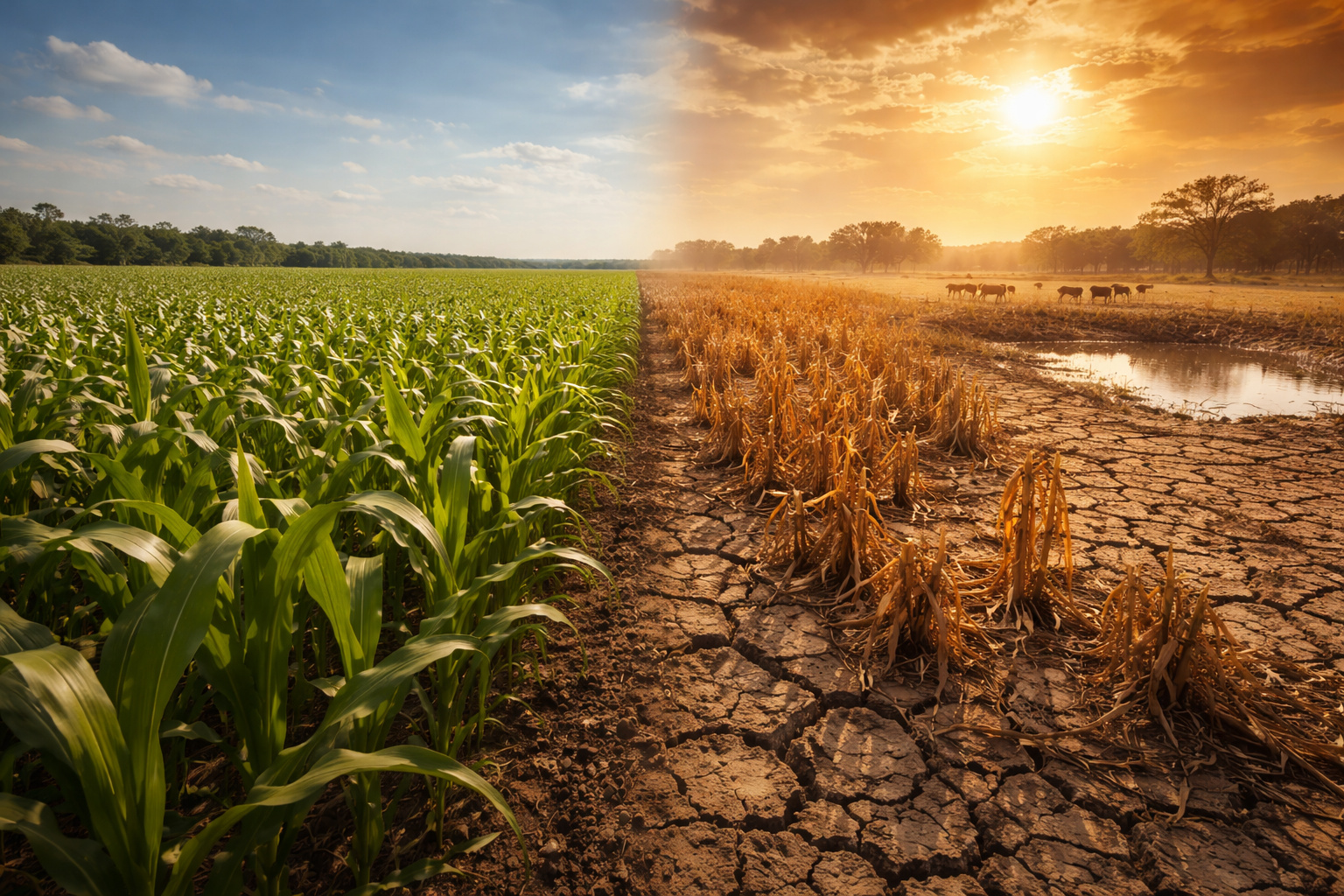
Extreme heat is already invading crops, reducing productivity and putting pressure on livestock, fishing, and forests worldwide, and data from the FAO shows that the increase in temperatures has shifted from being a climate risk to a direct threat to global food production.
-
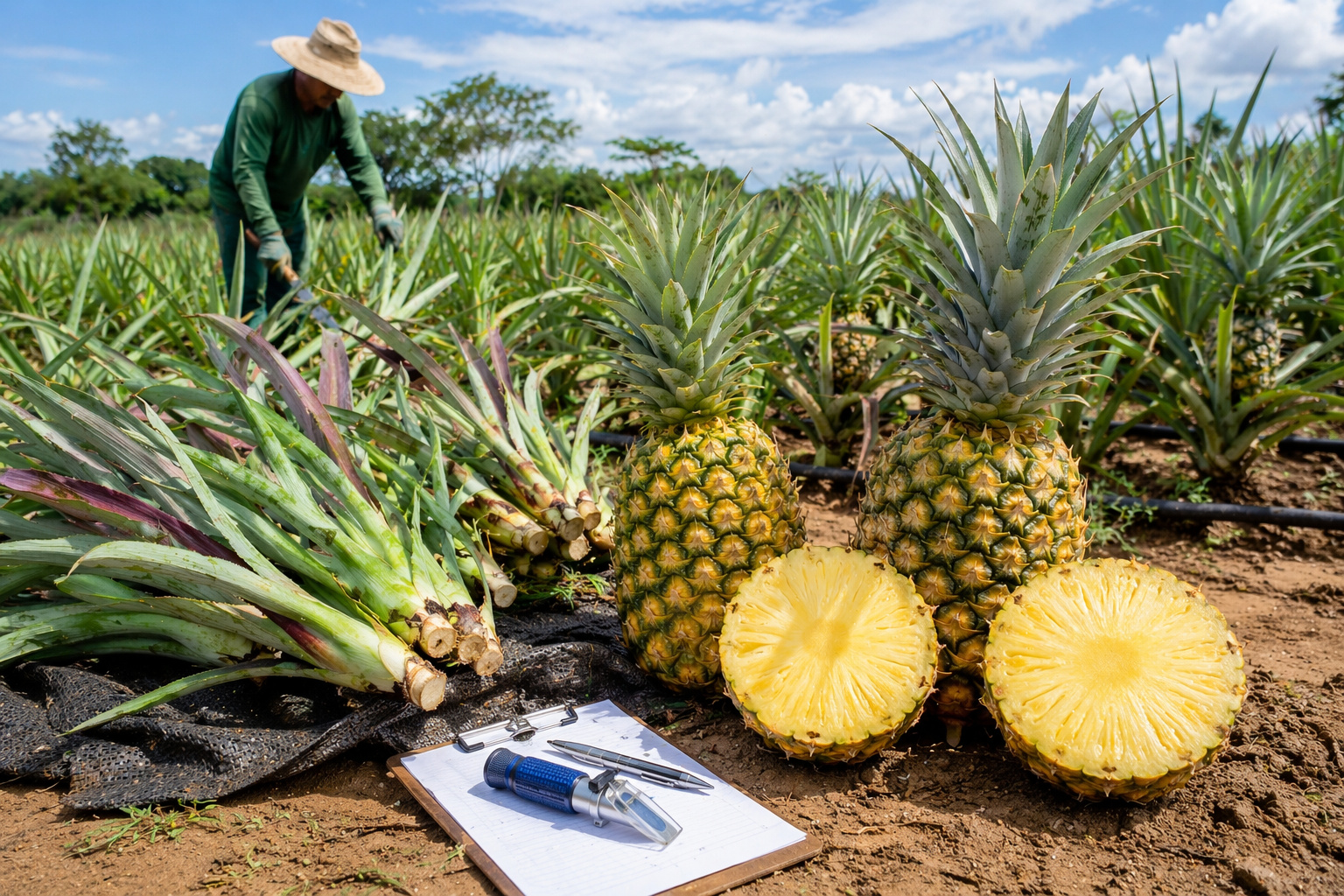
Spine-free pineapple, sweeter and more resilient: Mato Grosso develops new cultivars that promise to reduce losses from fusariosis and increase productivity in the field.
-
BNDES releases R$ 129 million for CNH Industrial Brazil to create more modern agricultural machines, with eight projects that include harvesters, accessible tractors, and a planter capable of applying seeds, fertilizers, and inoculants all at once in the Brazilian field.

-
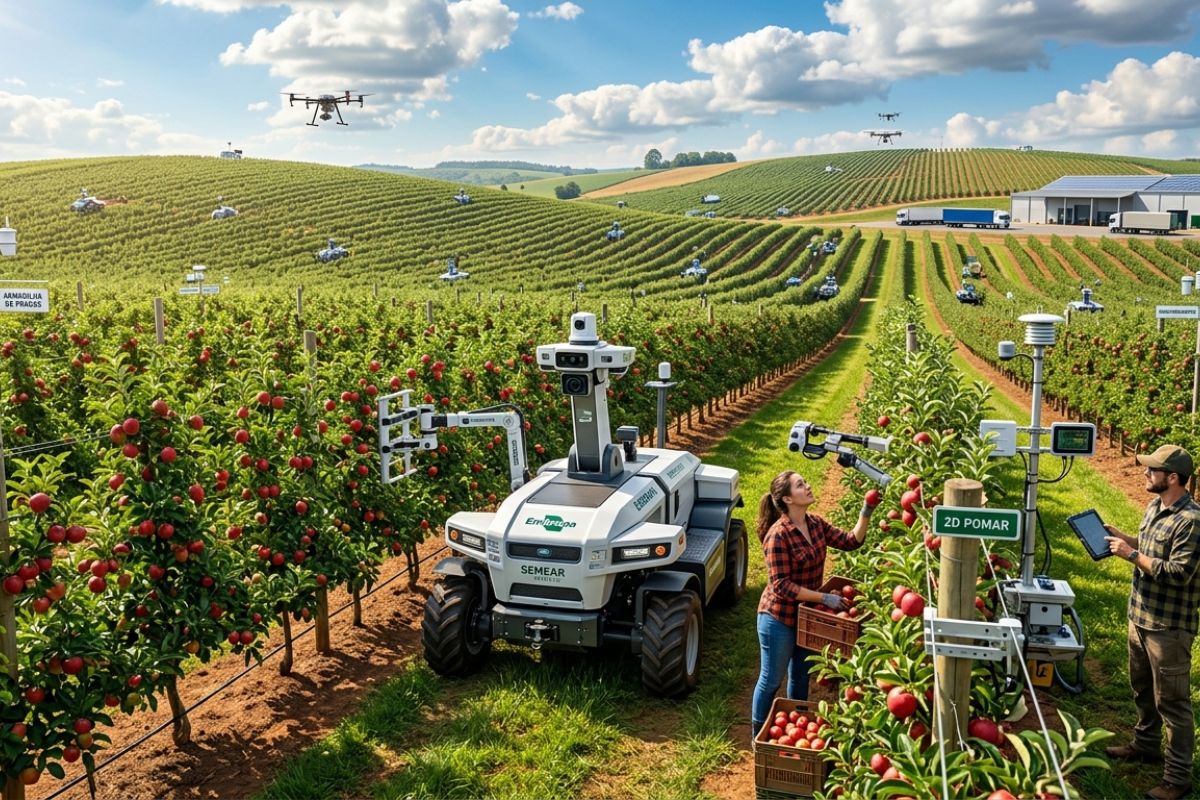
From manual harvesting to robotics: Vacaria, the apple capital, becomes an Embrapa laboratory in Semear Digital, with point-to-point mapping, pest traps, traceability, and 2D orchards to combat labor shortages.
These funds were the hope of many producers to offset losses caused by recent climate events. Now, without access to money, farmers are even more exposed to financial losses.
Moreover, the trade war with China has removed a crucial market for the United States.
The Asian country, the world’s largest buyer of soybeans, has stopped purchasing the American grain and redirected its purchases to Brazil.
This shift had a strong impact on the income of U.S. soybean producers, who lost one of their main export destinations.
Record Harvest and Falling Prices
Another challenge cited is the record corn harvest. Although the harvest at historical levels represents an achievement, the excess product pressures the prices paid to farmers. This means that, even with a greater volume, profitability plummets.
Many producers rely on financing from the Department of Agriculture to operate machinery, buy pesticides, and seeds, or even acquire new land.
The shutdown, which began at midnight on Wednesday, blocked these resources just at the start of autumn, right during the harvest period.
Political Stalemate in Washington
The clash between Republicans and Democrats is at the center of the deadlock. The Trump administration blames the opposition for the lack of agreement, while Democrats remind that Republicans control both houses of Congress.
Meanwhile, only part of the resources was released before the shutdown, in a volume considered insufficient by farmers.
Half of the employees at the Department of Agriculture have been placed on leave due to lack of funds to pay salaries.
Only workers connected to essential services, such as surveillance, continue to operate.
The result is a paralyzed system and producers without a prospect of when they will be able to count on federal support again.
Pressure on Producers and Consumers
The effects of the shutdown reaching consumers could make the situation even graver for Donald Trump.
Unlike other crises where the government managed to turn adversities into favorable political narratives, this one threatens the population directly, with risks of shortages and increased political pressure.
On the agricultural side, the scenario is already critical. Soybean producers, who face the loss of the Chinese market, can no longer count on income transfer or emergency aid programs.
The uncertainty also undermines planning for the next harvest, as decision-making in the field depends on financial predictability.
Brazil and Argentina Take Up Space
The redirection of Chinese purchases has opened space for Brazil and Argentina. Brazil benefited from a bumper crop that attracted Chinese demand.
Argentina, even amid an economic crisis, has reduced export taxes on soybeans, making its prices more competitive. China seized the opportunity and made its largest historical purchase of Argentine soybeans.
This reconfiguration of the global market has left U.S. producers in a vulnerable position. According to Mariana Almeida, in addition to the immediate loss of income, the impact may extend, influencing future decisions and making production more conservative.
This creates a volatile environment that threatens not only the present but also the projections for the U.S. agricultural sector.
Consequences for International Negotiations
The delicate scenario could directly influence President Donald Trump’s negotiations with international leaders.
With the internal situation weakened, the political maneuvering room is reduced. The trade war with China, which has already caused significant losses, is back on the agenda, especially in the soybean sector.
Trump may also face pressure in meetings with other leaders, such as Brazilian President Luiz Inácio Lula da Silva, if the effects of the shutdown continue.
Meanwhile, American farmers are trying to get by with the few resources released before the block, but report that the amount will not be sufficient to get through the period of uncertainty.
The sector, which was already under pressure, now faces one of the most critical moments in recent years, marked by trade wars, falling prices, climate crises, and a lack of government support.








Seja o primeiro a reagir!