





 Portuguese
  English
  Spanish
 5 min of reading
  0 comments


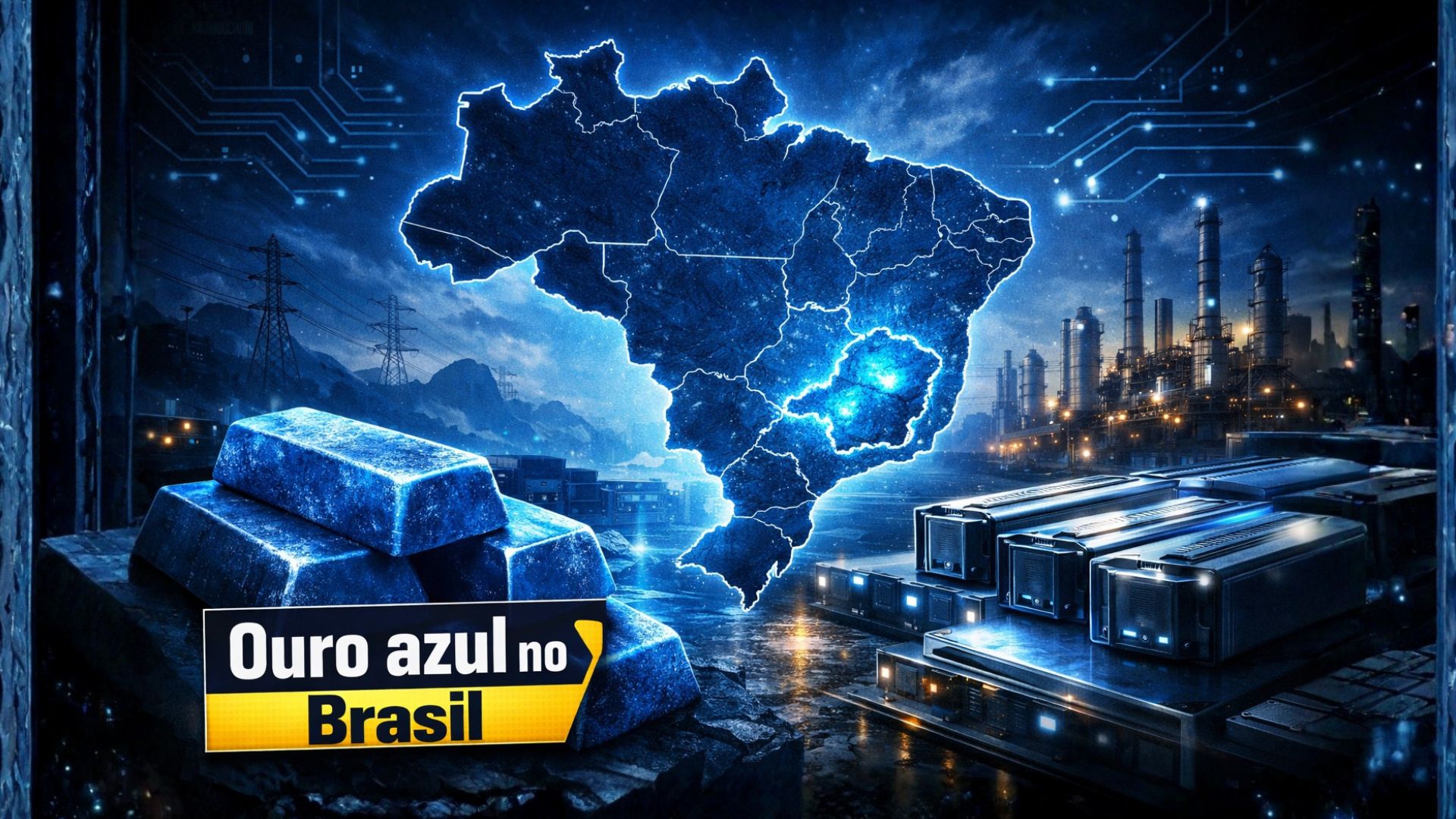
Strategic Mineral Enters the Center of Global Disputes for Clean Energy, Drives Projects in Brazil with Foreign Capital, and Strengthens Debate on Supply Chains, Industrial Processing, and Transition to Electric Vehicles Amid Market Concentration and the Search for Alternatives Outside China.
Brazil has joined international discussions on minerals considered critical following the advancement of nickel projects with cobalt coproducts in Piauí and São Paulo.
The initiatives involve foreign capital participation and foresee, in aggregate, production of around 3 thousand tons per year in the coming years, according to data released by the companies themselves.
The metal is classified as strategic for certain battery technologies and industrial uses, in a global context of seeking less concentrated supply chains.
-
Church from 1888 becomes a mansion of over 330 m² in Canada after a renovation of R$ 3.4 million and is eventually sold for nearly R$ 4.3 million.

-
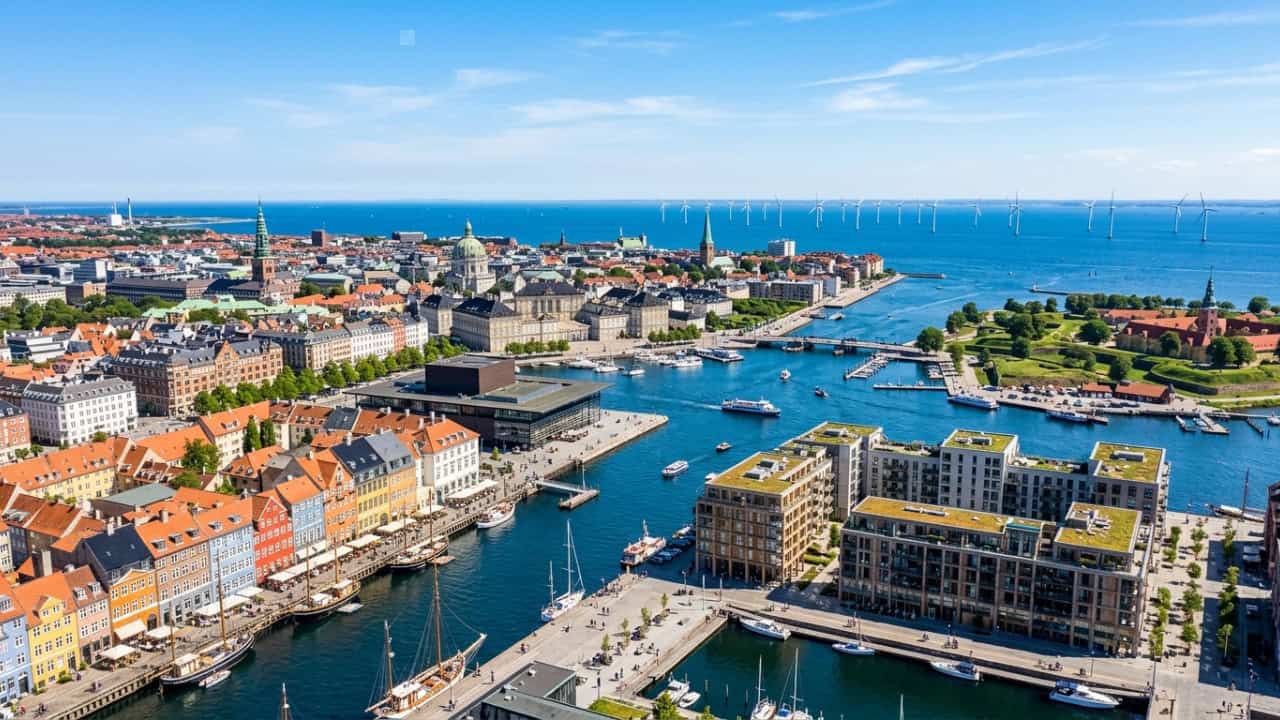
How an innovative city combines high technology, well-being, and sustainability to become the largest reference in clean energy on the planet.
-
Couple buys 1846 church in ruins for R$ 660,000, invests R$ 3.2 million in renovations, transforms it into a millionaire mansion, and even preserved a historic cemetery with over 300 graves.

-
He started running at 66 years old, broke records at 82, and is now a subject of study for having a metabolic age comparable to that of a 20-year-old, in a case that is intriguing scientists and inspiring the world.


This interest arises amid concerns from governments and companies about dependence on a few suppliers and the security of essential inputs for the energy transition.
The debate has gained strength as countries have begun to map geopolitical risks associated with mining and processing minerals used in low-carbon technologies.
Cobalt and Its Importance for Batteries and Industry
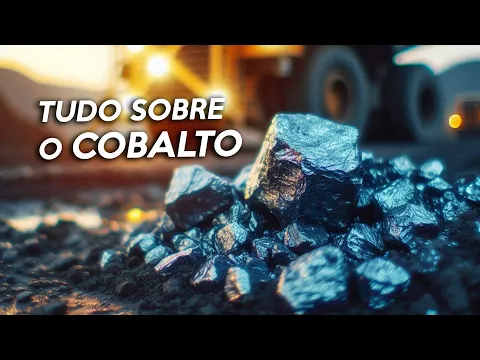
Commonly referred to as “blue gold,” cobalt is primarily used in lithium-ion batteries that adopt compositions with nickel, manganese, and cobalt.
According to industry experts, the metal contributes to the chemical stability of the cathode and can influence the durability and performance of these batteries, although there are different technologies in development that reduce or eliminate its use.
In addition to the automotive sector, cobalt appears in various industrial applications.
The material is used in the production of heat-resistant metal alloys, in industrial tools, in specific electronic components, and in pigments used by different segments of the industry.

This diversity of uses explains why the metal is included in official lists of critical minerals compiled by governments and international organizations.
Advancement of Electric Vehicles and Impact on Demand
The expansion of the electric car market continues to be the main driver of demand.
Data from the International Energy Agency indicates that global sales of these vehicles grew by around 60% in 2022, surpassing 10 million units in the year.
This movement has increased the consumption of raw materials associated with batteries, including cobalt.
On the other hand, frequently cited numbers regarding the evolution of demand require contextualization.
Recent reports from the Cobalt Institute indicate that global consumption of the metal exceeded 200 thousand tons in 2024, with double-digit annual growth.
In some sector analyses, the figure of 222 thousand tons is associated with the consumption recorded in that same year, rather than as a future projection.
These revisions alter the understanding of the balance between supply and demand.
Market studies published throughout 2024 and 2025 discuss, for example, specific periods of oversupply, while highlighting medium-term uncertainties related to investments, industrial policies, and technological choices of battery manufacturers.
China Concentrates Refining and Broadens Geopolitical Concerns
When the focus shifts from mining to processing, the concentration increases significantly.
Market surveys indicate that China accounts for the largest share of global cobalt refining, although the percentages vary depending on the analyzed segment and the type of product considered.


Additionally, data from the U.S. Energy Information Administration shows that Chinese companies have a significant stake in extraction operations in the Democratic Republic of the Congo.
The African country accounts for a large part of global metal production.
This combination of control at the source and dominance of refining fuels concerns about excessive dependence on a single industrial hub.
In light of this scenario, the United States and European countries have been advocating, in official documents and multilateral forums, for the diversification of supply chains.
Initiatives such as the Minerals Security Partnership seek to stimulate investments in mining, processing, and recycling in various regions.
The proposal emphasizes environmental standards and traceability.
Investments in Piauí and São Paulo Enter the International Radar
In Brazil, one of the most cited projects in this context is the nickel venture in Piauí led by British Brazilian Nickel.
Institutional information from the company indicates an estimated investment of US$ 1.4 billion, with operations scheduled to begin in 2029.
The disclosed goal includes annual production of approximately 27 thousand tons of nickel and about 1,000 tons of cobalt, considered a byproduct of the process.
The presence of American capital is associated with TechMet.
According to public communications, the U.S. Development Finance Corporation invested US$ 25 million in the company.
Part of the funds was allocated to advance the project in Piauí.
In the Southeast, the multinational Jervois announced plans to restart the São Miguel Paulista refinery in São Paulo.
According to company materials, the feasibility study suggests annual capacity of around 2,000 tons of cobalt and 10,000 tons of nickel after reopening.
There are also forecasts for future expansion possibilities.
Considered together, the publicly disclosed targets for these ventures explain the estimate of around 3 thousand tons annually of cobalt associated with projects in the country.
However, industry specialists emphasize that timelines depend on environmental licensing, infrastructure, market conditions, and final investment decisions.
Value Chain, Regulation, and the Future of Cobalt in Brazil
The debate is not limited to mineral extraction. Analysts point out that the main challenge is advancing in processing and integration into the value chain.
The focus involves producing higher value-added materials and possibly getting closer to the battery industry.
The decarbonization rules in major consumer markets also influence this scenario.
The European Union approved, in 2023, a revision of emissions standards for new vehicles. The goal is to drastically reduce sales of combustion models by 2035.
Proposals under discussion in the following years began considering adjustments to these targets. These changes could alter demand projections as political decisions advance.
For Brazil, participation in this international debate on critical minerals is seen by experts as an opportunity conditioned to regulatory, environmental, and economic factors.
The effective consolidation of the country as a relevant supplier will depend on the execution of the announced projects, regulatory predictability, and the ability to meet the demands of international buyers.
With ongoing investments and expectations surrounding cobalt, it remains to be seen whether the country can turn planned projects into stable and competitive production in an increasingly contested market.






-

-

-

-

-

-

65 pessoas reagiram a isso.