





 Portuguese
  English
  Spanish
  5 min of reading
  6 comments


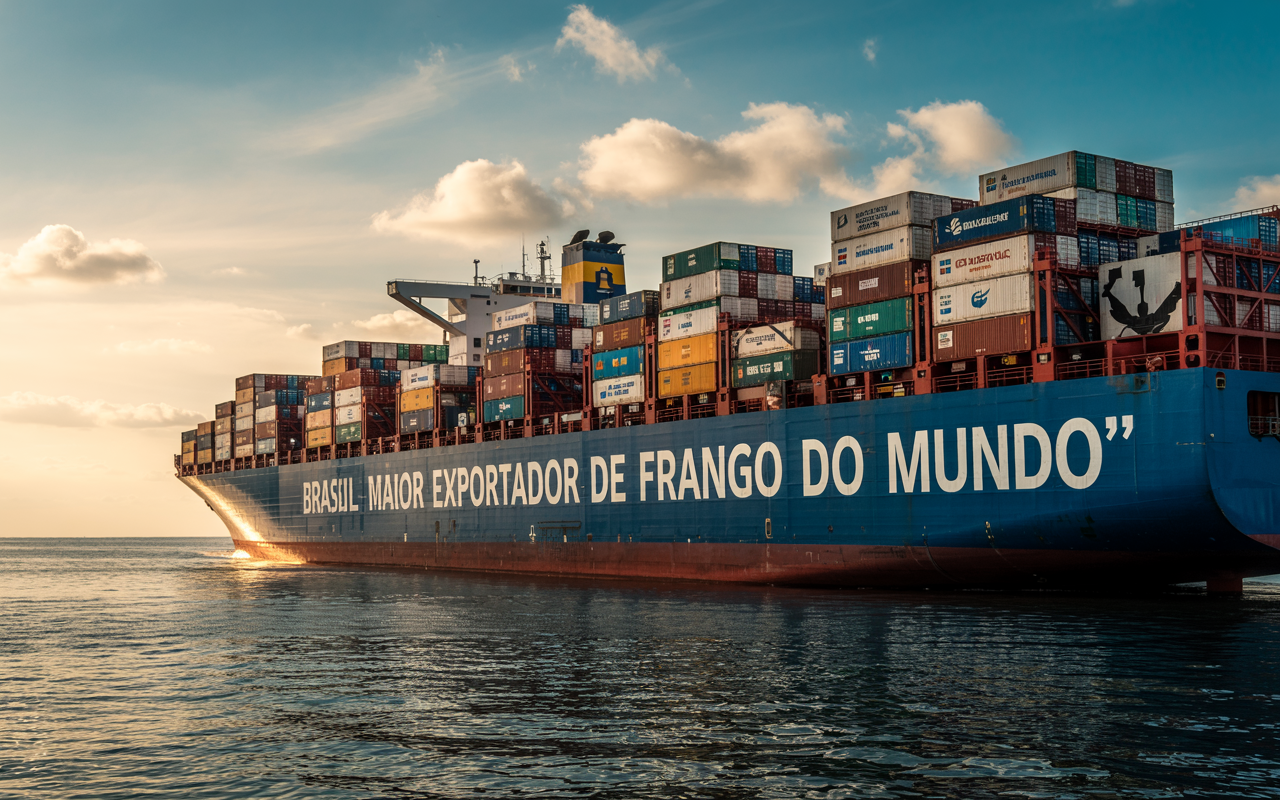


Brazil Exports Almost 5 Million Tons of Chicken Annually to More Than 150 Countries and Moves Billions, Consolidating Global Leadership in Agriculture.
Brazil has undeniably established itself as the world’s largest exporter of chicken meat. In 2025, according to data from the Brazilian Animal Protein Association (ABPA), the country is expected to surpass the mark of 4.9 million tons exported, reaching more than 150 different markets, including strategic destinations such as China, Japan, Saudi Arabia, the United Arab Emirates, and the European Union. The scale is so great that it is not just an economic statistic: Brazilian chicken has become a strategic asset in the global food geopolitical landscape.
This historic performance is not a matter of chance. The national poultry industry combines decades of investments in technology, sanitation, logistics, and trade agreements that allow the product to compete on price and quality. Today, one in every three chickens consumed in the world comes from Brazil, placing the country in a position of prominence comparable to Saudi oil or Chilean salmon.
Exports at Accelerated Pace and Billion-Dollar Numbers
The direct impact of this leadership is felt in the trade balance. Chicken exports exceeded US$ 10 billion in 2024, placing the sector among the three largest contributors to Brazil’s surplus. Agriculture, which already accounts for more than 25% of national GDP, has poultry farming as one of its most efficient gears.
-
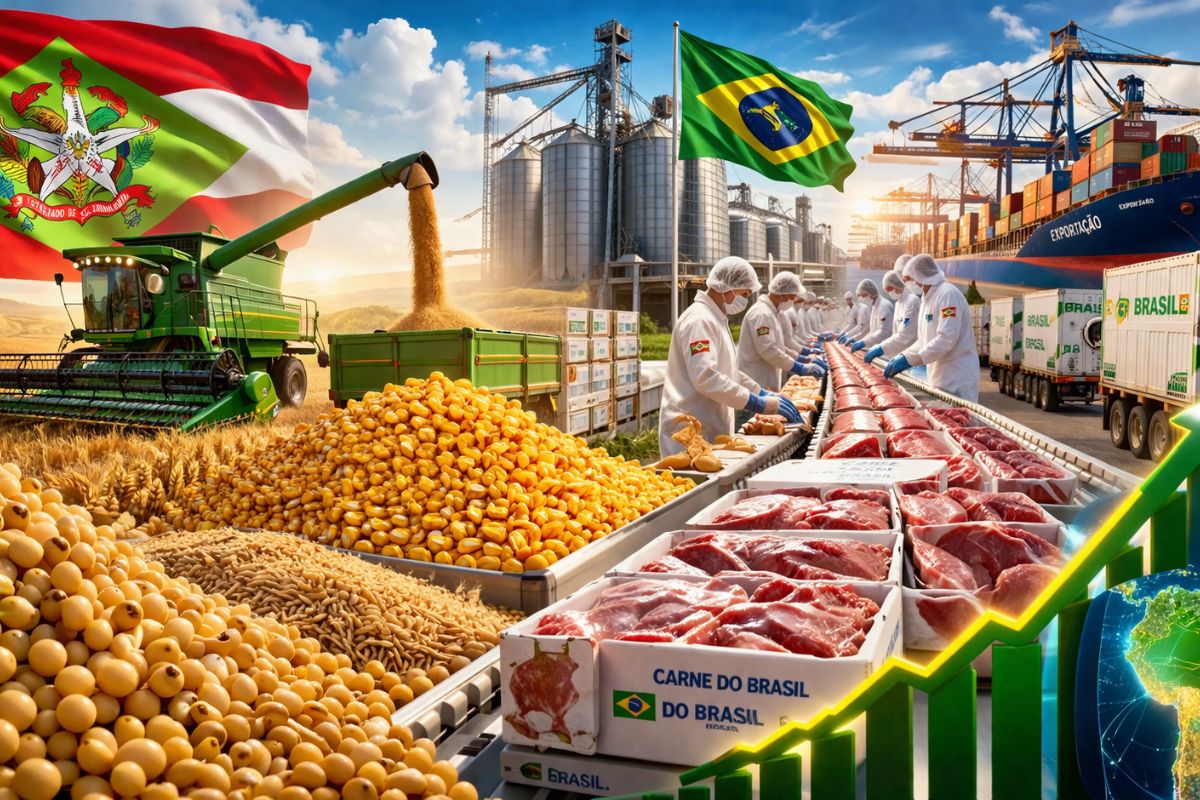
Santa Catarina harvested 7.85 million tons of grains and exported 2 million tons of meat in 2025: a growth of almost 6% in the food industry, which is four times higher than the national average and drives the entire Brazil.
-
The expansion of greenhouses in southern Canada has become so intense that it has changed the appearance of the soil and even the nighttime glow of the region, transforming Ontario into one of the most visible agricultural hubs in North America from space.

-
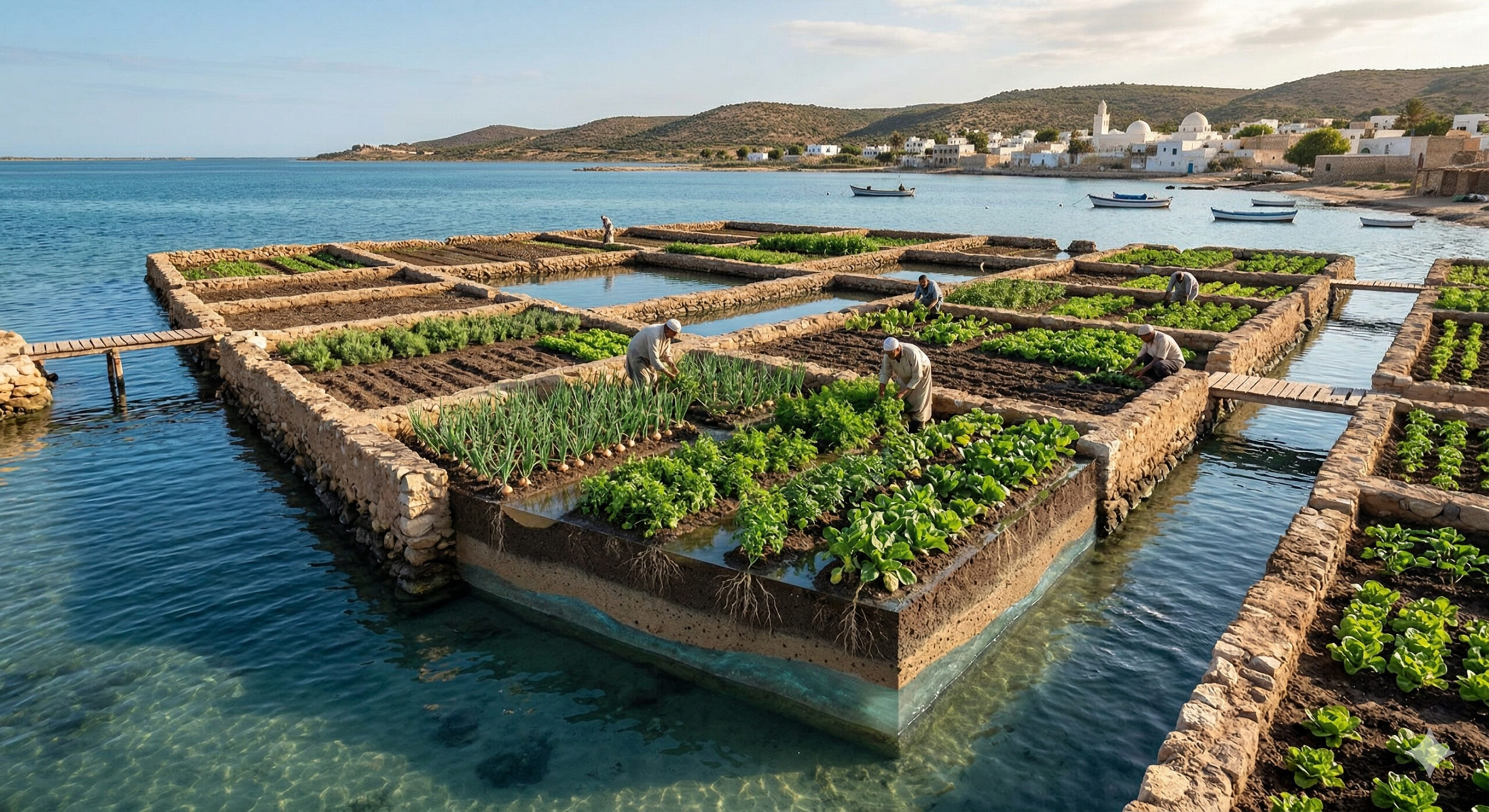
Almost nobody imagines it, but farmers in Tunisia grow food in the sand and make the roots drink fresh water that floats on top of seawater in an agricultural system considered unique in the world.
-
More than 20,000 km² of wheat fields form nearly perfect lines and geometric shapes in Montana, creating an agricultural pattern so symmetrical that the landscape looks like an abstract artwork visible from space.


China, which alone accounts for about 15% of Brazil’s chicken exports, maintains long-term contracts that ensure stability.
The Middle East, in turn, consumes large volumes of halal cuts, prepared within the stringent religious protocols that Brazil excels at. Africa is also emerging as a strategic market, increasing diversification and reducing dependence on traditional buyers.
Technology, Sanitation, and Logistics: The Secrets of Competitiveness
Brazil’s success is rooted in three pillars: production technology, sanitary rigor, and logistical efficiency.
At the production end, the country has developed an integrated system that connects small and medium producers to large agribusinesses. This ensures scale and standardization. On farms, temperature sensors, automated feeding, and cutting-edge genetics ensure productivity gains and cost reductions.
In terms of sanitation, Brazil maintains its status as a country free from avian influenza in commercial flocks, which reinforces international trust. In 2023 and 2024, outbreaks of the disease affected competing countries such as the USA and the European Union, further benefiting Brazilian shipments.
Finally, logistics: Brazil has invested in export corridors, specialized ports for chilled meats, and integration with railways. This reduces costs and speeds up deliveries, something essential in an increasingly dynamic global market.
Internal Impacts: Employment and Income for Thousands of Brazilians
The strength of the sector is also felt within the country. Poultry farming directly employs more than 4 million people, including farms, feed factories, slaughterhouses, and transportation. Indirectly, the impact reaches thousands of families in rural areas, especially in the South and Midwest, regions that concentrate the bulk of production.
In addition to the economic weight, there is a question of food security. Chicken is the most consumed animal protein in Brazil, surpassing beef and pork. The more affordable price ensures its presence on the daily plate of millions of families, even during periods of high food inflation.
Challenges: Sanctions, Competition, and the Environment
Despite its leadership, Brazil faces obstacles. In recent years, some sanitary barriers imposed by the European Union and the United States have shown that protectionism can still hinder shipments.

Moreover, environmental pressure on Brazilian agribusiness is increasing. International organizations and foreign governments demand guarantees that production is not linked to illegal deforestation or precarious labor.
Another point is competition. Countries such as the USA and Thailand are investing in modernizing their sectors and seeking to expand their share in strategic markets. The competition is likely to intensify, especially in emerging regions like Africa and Southeast Asia.
Chicken as a Geopolitical Asset
More than an export product, Brazilian chicken has become a geopolitical tool. In times of global food crisis, as seen during the Covid-19 pandemic and the war in Ukraine, Brazil’s ability to supply external markets ensured price stability in various regions. This enhanced the country’s diplomatic weight, which has come to be seen as a reliable supplier amid chaos.
This characteristic reinforces the perception that Brazilian agricultural production goes beyond the economy: it is an instrument of soft power, capable of opening doors in international negotiations that transcend the commercial field.
The Future: Alternative Proteins and New Markets
Looking ahead, the Brazilian poultry sector will need to reinvent itself in response to global changes in protein consumption.
The growth of lab-grown meat and plant-based alternatives is a challenge, especially in wealthy markets. Nevertheless, analysts believe that Brazilian chicken will remain competitive, especially in developing countries, where the demand for cheap and abundant proteins will continue to rise.
The opening of new markets is also on the horizon. Brazil is negotiating sanitary certifications to enter countries that still maintain barriers, such as South Korea and some in Sub-Saharan Africa. If these access points are cleared, the growth potential could drive exports beyond 5.5 million tons per year by 2030.
Brazilian chicken is not just food: it is a billion-dollar gear that drives the economy, supports families, and strengthens the country’s international position. With almost 5 million tons exported annually and presence in more than 150 countries, Brazil has built a leadership that will be hard to challenge in the short term.
However, this position is not guaranteed forever. The sector needs to balance competitiveness with environmental responsibility, technological innovation, and new markets. The future of Brazilian agribusiness may well continue to be written from the wings of chicken — a commodity that has already become a symbol of national productive strength.








Legal muito bom para o produtor, e o abastecimento aqui dentro do Brasil esta precário pois a oferta é a qualidades esta indo sempre pra pior aqui em são josé sc esta difícil de encontrar certos cortes de frango.
Um esforço muito grande do presidente Lula e sua equipe. É preciso reconhecer que agora temos um presidente de verdade. Acordemos pra realidade.
desde quando este governo incompetente fez algo pelos produtores,ele só sabe mesmo é taxar,criar impecilhos e **** com a vida de quem realmente produz e trabalha neste país,além é claro dilapidar os cofres públicos através de roubos e corrupção
Vc talvez nao seja adpto de leitura e de noticias verdadeiras ,mas olhe o tamanho dos planos safras deste governo e vai la no antigo governo e veja qual foi o valor do plano safra que aquele desgoverno deu ao agro negócio!!!
Isso é fruto de muito trabalho dos produtores priorizando a qualidade e de nosso presidente que no começo do mandato correu atrás de novos mercados, ampliando as exportações, enquanto que a oposição ee seus seguidores só criticaram por viajar tanto. Tão diferente do pária do desgoverno anterior.