





 Portuguese
  English
  Spanish
  3 min of reading
  0 comments


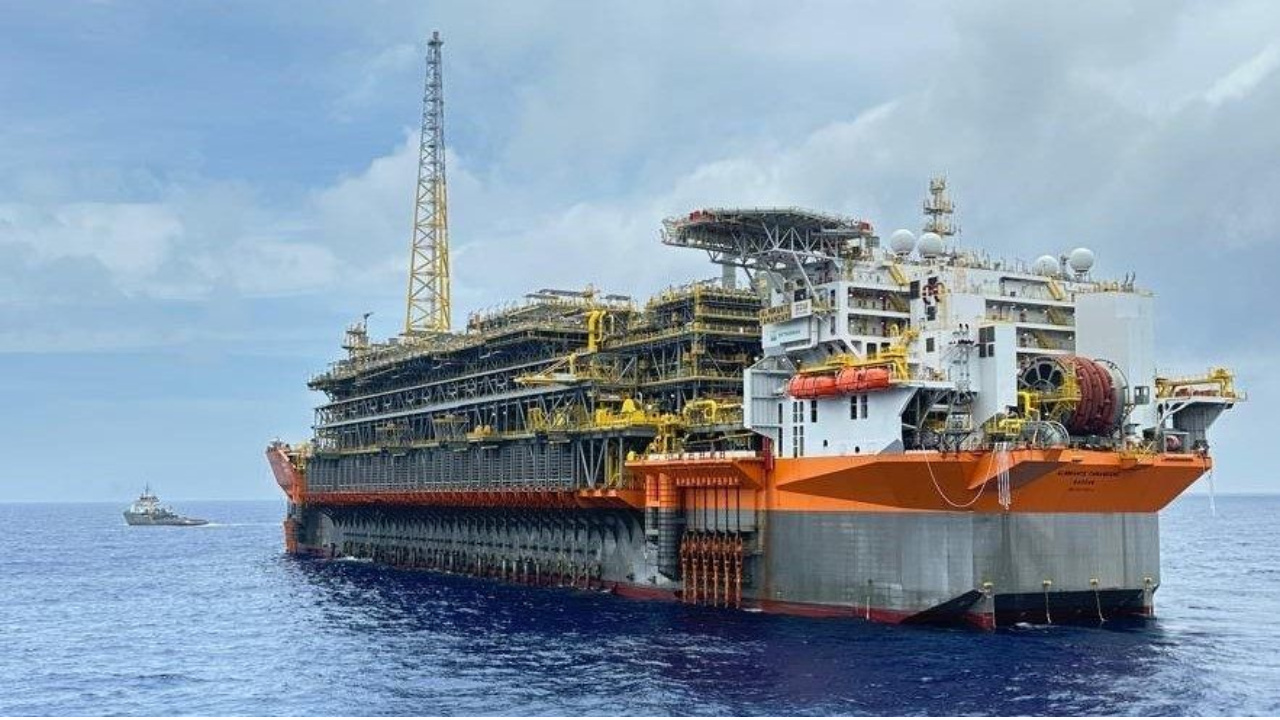
Brazilian Oil Should Lead Production Growth in Latin America in 2026 with New Pre-Salt Projects, FPSO Platforms, and Billion-Dollar Offshore Investments.
Brazilian oil is about to experience one of the most decisive moments in its history. According to data from consulting firm Rystad Energy, Brazil is expected to lead the growth of oil production across Latin America in 2026.
The forecast indicates that the country could surpass the mark of 4.2 million barrels per day, something that changes the game in the region and draws the attention of the international market.
Meanwhile, the global scenario is undergoing a reorganization. Non-OPEC+ countries are gaining more space. In this new landscape, Brazil emerges as a key player.
-
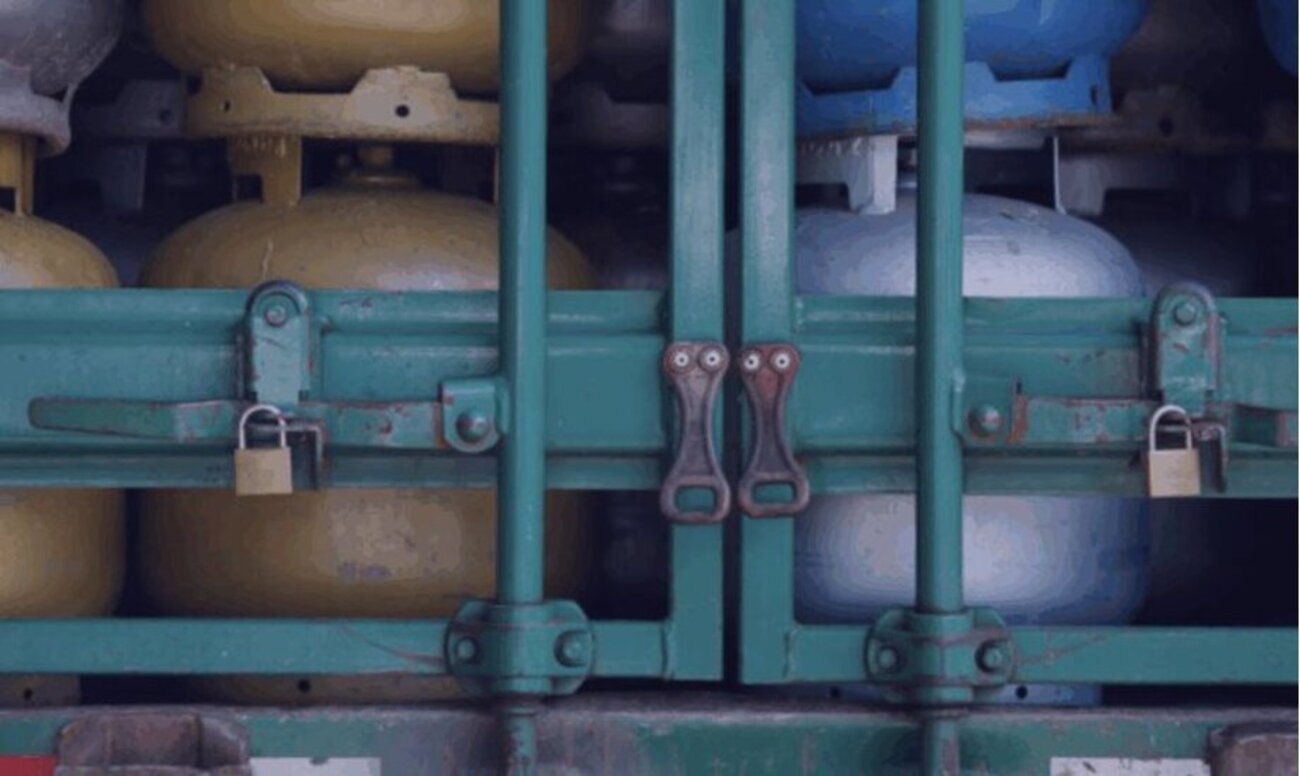
Petrobras evaluates suspension of sales to distributors and considers canceling the cooking gas auction following guidelines from the Federal Government.
-
Lula reveals a masterstroke by Petrobras to undo a deal made by Bolsonaro, which involves the return of an important refinery that currently produces less than half of what was expected and makes Brazil dependent on international diesel.
-
A study confirms that the natural gas sector will reduce greenhouse gas emissions in Brazil by 0.5% and accelerate the energy transition by 2026.

-
Petrobras implements a severe adjustment and confirms a 55% increase in the price of aviation kerosene with a proposal for installment payments for the companies.


Brazilian Oil Advances While Latin America Changes Its Face
According to Rystad Energy, Latin America no longer behaves as a uniform bloc. Now, few countries concentrate the major projects and significant investments.
In this context, Brazil’s oil stands out because it combines scale, competitive cost, and technical capacity.
Additionally, the consultancy points out that the total production of the region is expected to exceed 8.8 million barrels per day in 2026. However, much of this growth will come from just three countries: Brazil, Argentina, and Guyana. Together, they are expected to add more than 700,000 barrels per day to the market.
Even with the possible return of some Venezuelan oil, estimated at up to 300,000 barrels daily, the impact is still limited.
This is because the country faces infrastructure problems, unstable regulations, and difficulties in attracting capital.
Pre-Salt Pushes Brazilian Oil Upwards
The engine behind this growth is the pre-salt. Oil production in Brazil has been increasing with the arrival of new floating platforms known as FPSOs. In 2025, Petrobras put three units into operation. Two in the Búzios field and one in the Mero field, both in the Santos Basin.
In addition, the Norwegian company Equinor began production in the Bacalhau field. This move reinforces Brazil’s role as one of the most attractive destinations for deepwater investments.
According to Rystad, these projects have low production costs. This allows them to continue operating even when oil prices fluctuate. In other words, financial risk is lower.
While Brazil accelerates, other producers in Latin America lag behind.


Countries like Venezuela face political and technical barriers. Argentina, on the other hand, bets on the Vaca Muerta field, which uses shale oil. However, this model requires quick cycles and more investment in logistics.
Still, the report indicates that the hierarchy is already defined. In the medium term, Brazilian oil will continue to lead over Venezuela, Argentina, and Guyana.
Moreover, Brazilian offshore projects have long timelines and high predictability. This ensures stability and attracts global investors seeking security.









-

-

-

5 pessoas reagiram a isso.