





 English
  Francês
  Alemão
  Italiano
  Japonês
  Norueguês
  Portuguese
  Spanish
  5 min of reading


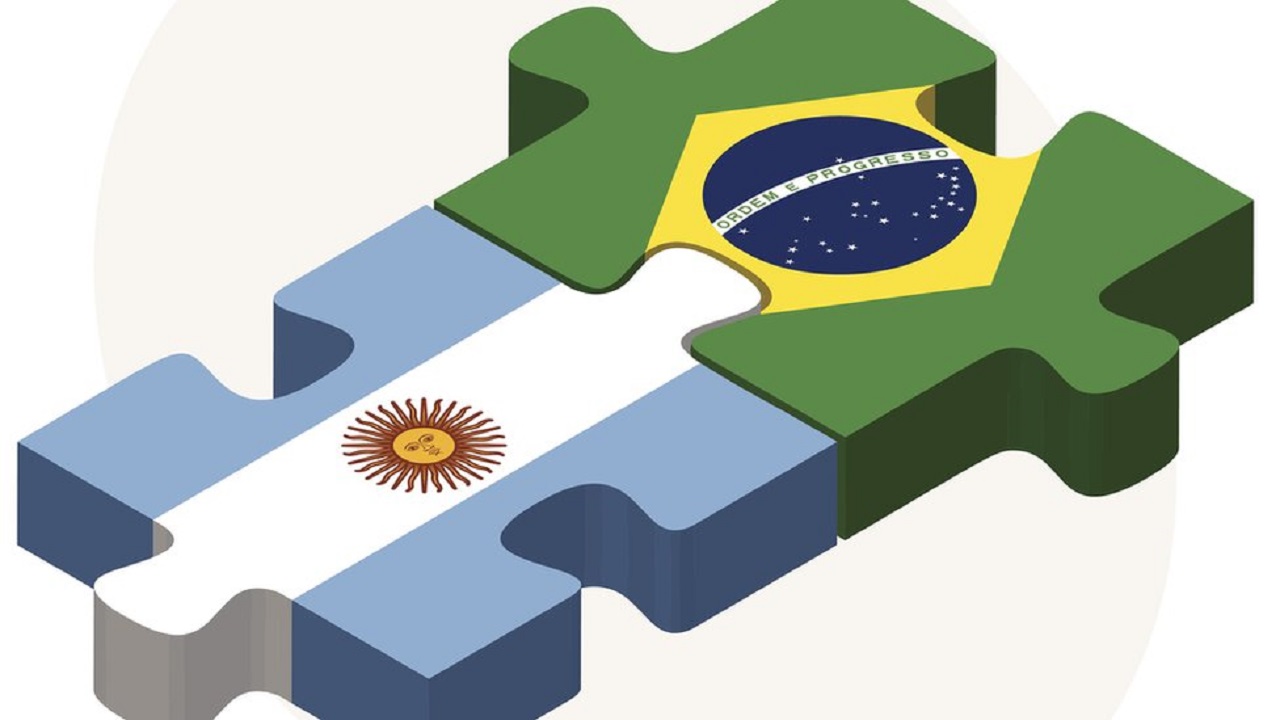
To Build The Second Largest Monetary Union In The World, The Plan Will Extend Invitations To Other Latin American Countries
This week, Brazil and Argentina will announce that they are beginning preliminary work on a single currency, a move that could eventually create the second largest monetary bloc in the world after the eurozone. Information from Michael Stott and Lucinda Elliott, correspondents for Financial Post.
The summit, which will take place this week in Buenos Aires, will bring together the two largest economies in South America to discuss the idea and invite other Latin American countries to join.
The New Mercosur Currency May Be Called “SUR”
Policymakers are primarily interested in how a new currency, which Brazil proposes to call “sur” (south), would increase regional trade and reduce dependence on the US dollar. Initially, it would be pegged to the Argentine peso and the Brazilian real.
-
Chinese giant worth nearly R$ 4 billion that manufactures cables for electric cars, solar energy, and robotics wants to open a factory in SC.

-
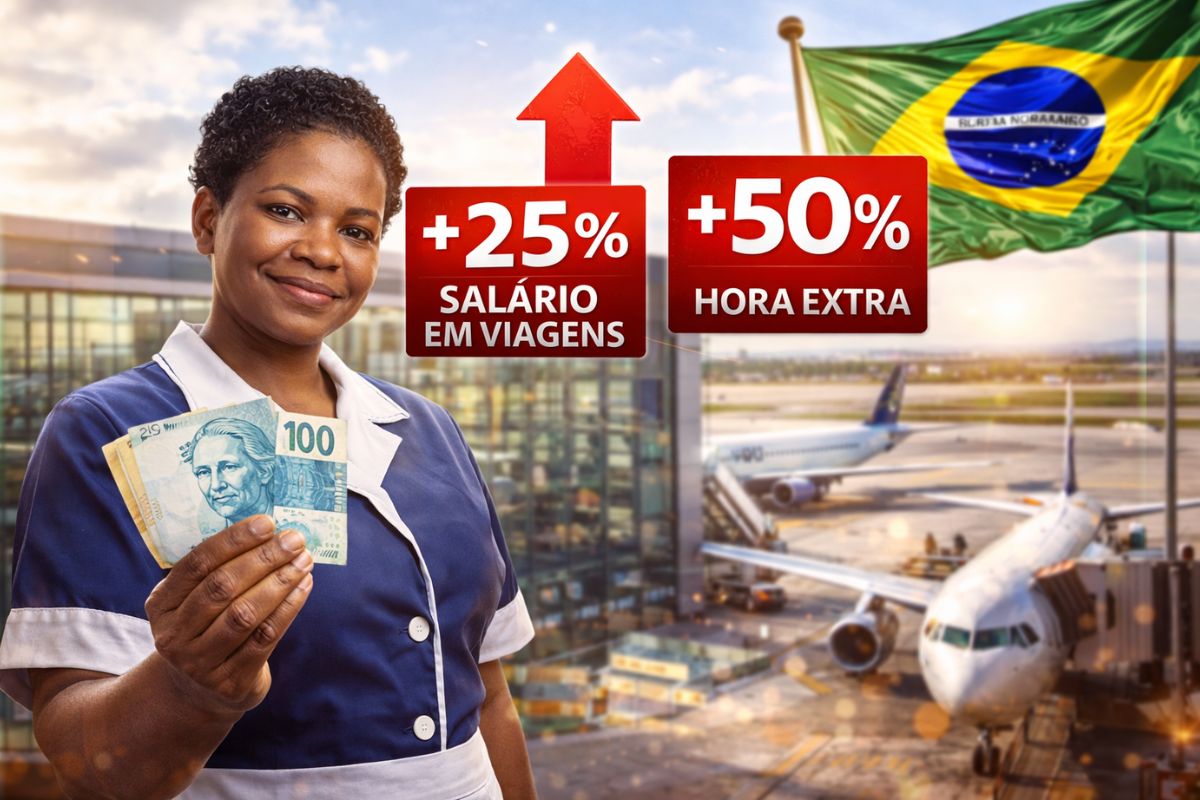
Many employers do not know, but the law guarantees domestic workers a 25% increase in salary during trips, 50% for overtime, 20% for night shifts, and 17 additional benefits that can lead to labor lawsuits if not paid.
-
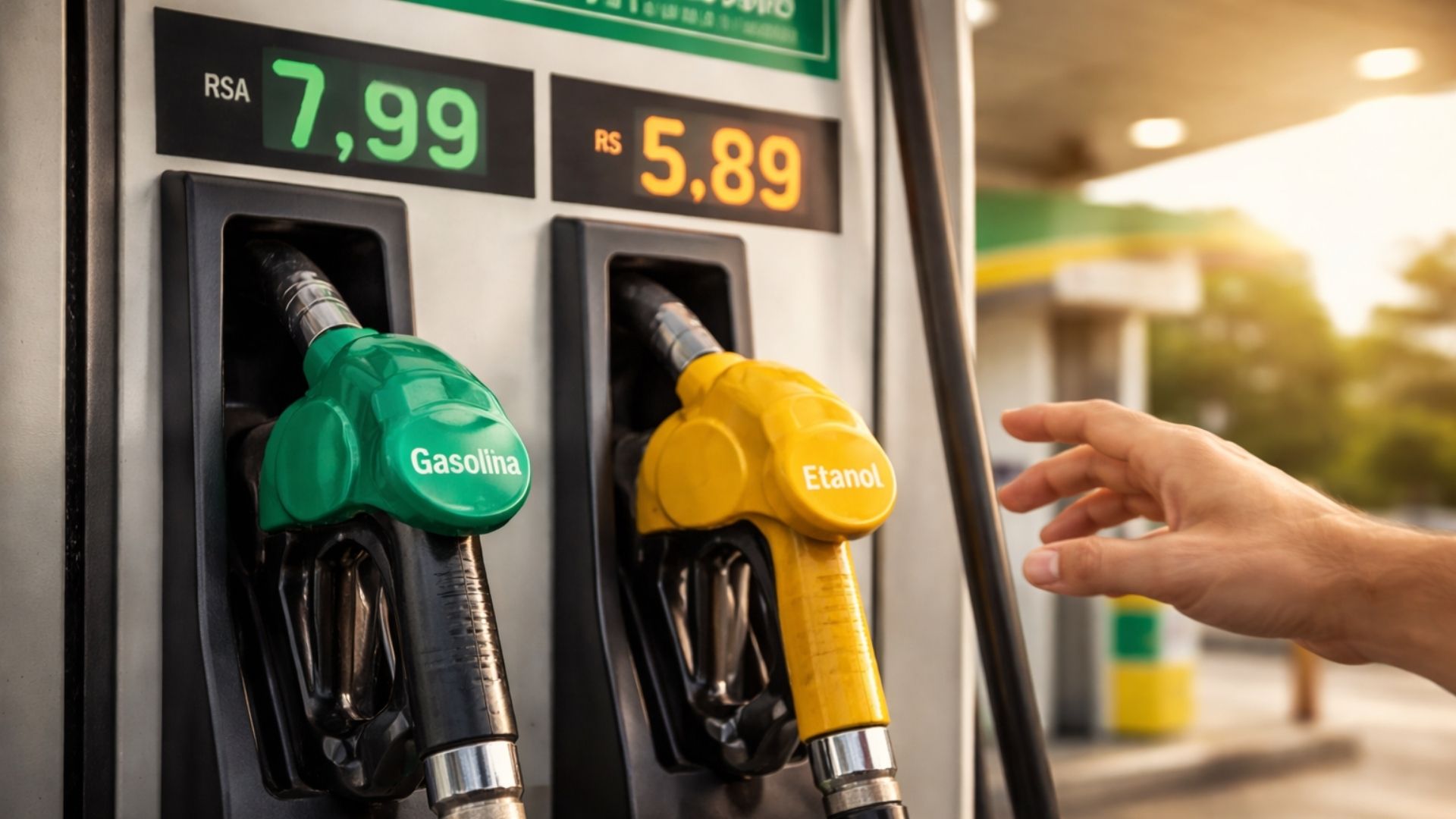
Gasoline prices soar and the question arises: is ethanol more advantageous? The 70% rule reveals the limit with gasoline.
-
The government has made a decision and is starting a test with more ethanol in gasoline, anticipating a mixture of up to 35%, diesel with 25% biodiesel, and a study to assess the impacts on engines.

According to Argentina’s Economy Minister, Sergio Massa, “There will be a decision to start analyzing the criteria necessary for a single currency,” which encompasses fiscal challenges, the size of the economy, and the role of central banks.
Specifically, “it would be a study of commercial integration mechanisms,” he stated. Paraphrasing: “I don’t want to create false expectations… it’s the first step of a long road that Latin America must travel.”
The program would start as a bilateral project, but would later be opened to other countries in Latin America. The Argentine minister expressed: “Argentina and Brazil are inviting the rest of the region.”
The Project Will Be Based On Countries That Already Use A Single Currency System
According to FT calculations, a monetary union covering all of Latin America could contribute about 5% to global GDP. The Eurozone is the largest monetary union in the world, accounting for around 14% of global GDP in current dollars.
Some African countries use a currency called the CFA franc, which is pegged to the euro. The Eastern Caribbean dollar is another monetary union. However, these represent only a small fraction of total economic activity.
Massa noted that Europe took 35 years to build the euro, so it is safe to assume this project will take a similar amount of time.
On Sunday night, Brazilian President Luiz Inácio Lula da Silva will make his first international trip since taking office on January 1. While in Argentina, he is expected to officially announce the news.
Advantages And Disadvantages – Mercosur Single Currency
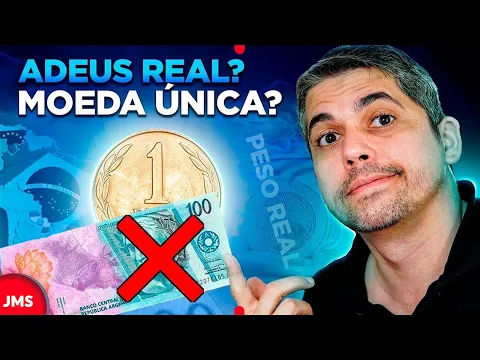

Authorities from both countries have discussed the possibility of establishing a single currency between them in recent years, but negotiations stalled due to resistance from Brazil’s Central Bank. There is now more political support as both countries are led by leftist presidents.
A representative from Brazil’s Ministry of Finance said he was unaware of any working group exploring the possibility of a single currency in the country. Before taking his current position, he noted that Finance Minister Fernando Haddad had proposed a digital single currency for South America in an article he co-authored with another person last year.
Business Between Brazil And Argentina Is Growing, with total trade reaching US$ 26.4 billion in the first 11 months of the year, an increase of about 21% compared to the same period in 2021. Paraguay and Uruguay are also members of the regional trade bloc Mercosur, although it is led by these two countries.
Argentina’s Inflation Is Close To 100%
Argentina, where the central bank prints money to sustain spending and annual inflation approaches 100%, stands to benefit the most from a new single currency. Data from the central bank shows that the amount of currency in circulation quadrupled during the first three years of President Alberto Fernández’s term, and the highest denomination peso note is now worth less than US$ 3 at the frequently used parallel exchange rate.
However, the idea of tying the largest economy in Latin America to that of its constantly turbulent neighbor would raise eyebrows in Brazil. Argentina still owes the International Monetary Fund about US$ 40 billion from a bailout in 2018 and the country has been practically isolated from international debt markets since its default in 2020.
For the first time since a wave of elections last year reversed a right-wing trend in the region, Lula will remain in Argentina for a summit on Tuesday with the 33 countries of the Community of Latin American and Caribbean States (CELAC).
Officials have predicted that the revolutionary socialist president of Venezuela, Nicolás Maduro, and Cuban leader Miguel Daz-Canel would be present, along with Colombia’s President Gustavo Petro and Chile’s Gabriel Boric. Andrés Manuel López Obrador, president of Mexico, is not expected to attend as he usually avoids foreign trips. There will likely be protests in Buenos Aires on Sunday to oppose Maduro’s presence.
Santiago Cafiero, Argentina’s Foreign Minister, stated that promises will be made at the summit about increasing regional integration, defending democracy, and combating climate change.
During a time when the world is hungry for food, oil, and minerals from Latin America, he told the Financial Times that the region needs to determine what kind of economic development it desires.
When asked how the region planned to provide the service, he questioned: “Will the region supply this in a way that converts its economy [only] into a raw material producer, or will it supply in a way that promotes social justice [by adding value]?”
This Single Currency Project Aims To Reduce Dependence On The Dollar
According to Spanish economist Alfredo Serrano, who heads the regional political think tank Celag in Buenos Aires, the conference will focus on strengthening regional value chains to capitalize on regional prospects.
He emphasized the importance of monetary and exchange procedures. “Today, Latin America, with its robust economies, has opportunities to find instruments that replace dependence on the dollar. This will be a significant advance.
According to Manuel Canelas, a political scientist and former minister in the Bolivian government, CELAC is the only pan-regional integration body that has survived in the last decade. CELAC was founded in 2010 to help Latin American and Caribbean governments coordinate policies without the US or Canada.
However, leftist presidents in Latin America must contend with worsening international economic conditions, complicated domestic politics due to the prevalence of coalition governments, and declining public support for regional integration.
This means that “all steps toward integration will certainly be more scrutinized… and will need to specifically focus on generating results and proving why they are valuable,” he stated.







Seja o primeiro a reagir!